
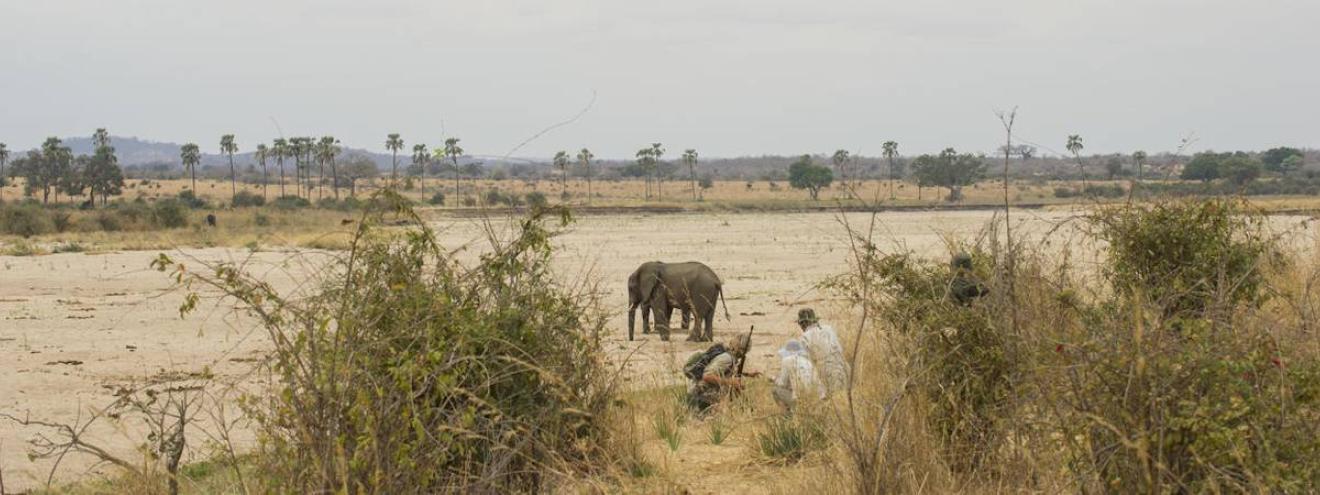
Ruaha National Park
Discover the Untouched Beauty and Thrilling Wildlife Experiences of Ruaha National Park in Tanzania
Ruaha National Park is a hidden gem nestled deep in the heart of Tanzania, offering one of the most untouched wilderness experiences in East Africa. Spanning an impressive 20,250 square kilometers, it is the third-largest conservation area in the country, renowned for its dramatic landscapes, diverse wildlife, and seclusion. The park’s rugged terrain, marked by wild fig trees, rare baobab forests, and glowing sandstone gorges, sets the stage for an unforgettable safari adventure. This awe-inspiring destination is accessible only by airplane or pre-arranged safari, adding to its exclusivity and appeal.
Wildlife enthusiasts and birdwatchers alike will find Ruaha an unparalleled paradise. Home to large herds of elephants, elusive predators such as leopards and African wild dogs, and over 350 bird species, the park offers exceptional opportunities for rare sightings. Its lifeblood, the Ruaha River, hosts thriving populations of hippos and crocodiles, while predators and prey converge at its banks during the dry season. Whether you’re drawn to the spectacular scenery, unique animal encounters, or the tranquil remoteness, Ruaha is a destination that promises adventure and wonder at every turn.
Ruaha National Park Facts
- Size & Location: 20 250km² in central/southern highlands of Tanzania
- When to visit the park: Mid May - November (see predators and large mammals)
- Climate: Ruaha has a hot and dry climate. Daytime temperatures in excess of 40°C
- Rainfall: 500mm falls between November and May, peaking in February and March.
- Altitude: Ranges from 750m to 1 900m above sea level
Information On Ruaha National Park
Located in south-central Tanzania, it is the third-largest game conservation area after Selous and Serengeti. The terrain is varied and fascinating with wild fig trees, rare baobab forests and gorges of glowing orange sandstone. A visual treat with wild landscapes of miombo forest and rolling woodlands, hills, rivers and plains, Ruaha is accessible only by aeroplane or with a pre-booked safari.
The main feature of the park is the Ruaha River, which rises in the swamps to the south and sweeps north and eastward through the park. Its deep pools, gorges and swirling rapids make for excellent fishing. The River features large numbers of hippos and crocodiles as well as the clawless otter.
Other animals include the reedbuck, waterbuck and buffalo, with their predators - the lion, leopard, jackal, spotted hyena, and the distinctive African hunting dog. In the grasslands live animals like the kudu, large herds of elephant, eland, impala, Grant's gazelle, dik-dik, zebra, warthog, mongoose, wild cat, porcupine and shy civet. Over 350 species of birdlife have been recorded including Kingfisher, plover, hornbill, greenwood hoopoe, bee-eater, Sunbird and egret as well as birds on their migratory routes.
The best time for game-viewing in Ruaha National Park is traditionally considered to be June to November when the grass is low and the animals are drawn to the water.
Main Attractions Of Ruaha National Park
- Excellent Game Viewing in an almost unexplored wilderness
- Birdwatcher's paradise with over 571 species documented.
- Fishing on the Ruaha River
Where is Ruaha National Park located?
One of the more remote National Parks that Tanzania has to offer, is located pretty much in the middle of the country, far away from any recognisable town or national park.
Click here for a "HERE WeGo Map" of where the national park is located; HERE WeGo Maps - Ruaha National Park.
Or, look at the lodge maps at the bottom of the page for accommodation options.