
Arusha National Park
Discover the Hidden Majesty of Arusha National Park: A Serenely Diverse Tanzanian Treasure
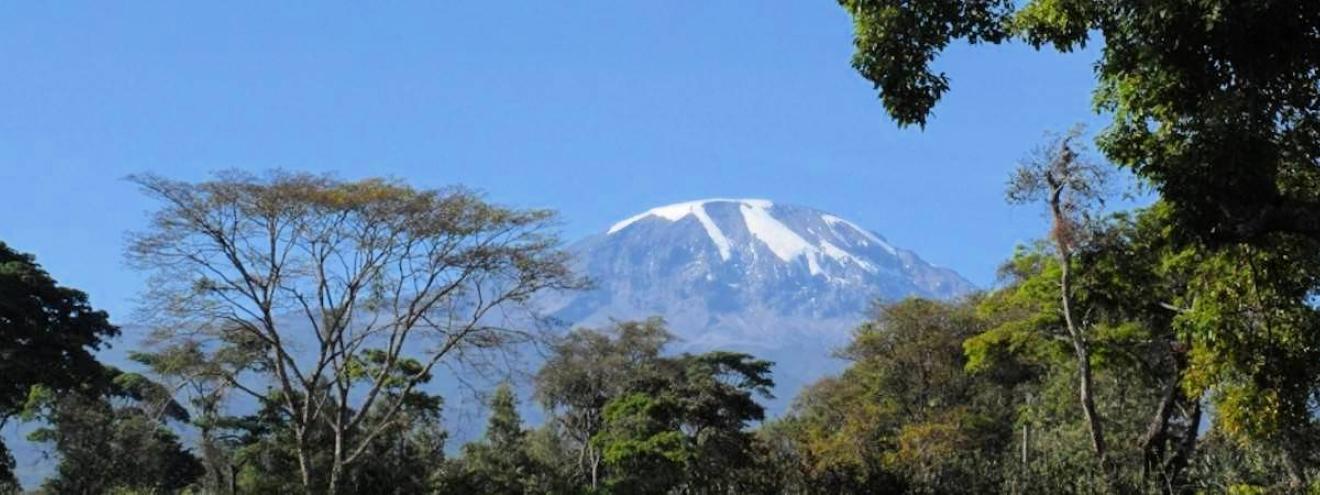
Nestled just a short distance from the bustling town of Arusha, Arusha National Park offers an enchanting escape into some of Tanzania’s most picturesque and diverse landscapes. Spanning just 137 square kilometers, this compact yet breathtaking gem boasts a remarkable variety of terrains and wildlife. From the verdant swamps of Ngurdoto Crater, often referred to as "mini Ngorongoro," to the shimmering hues of the Momela Lakes and the alpine tundra of the majestic Mount Meru, every corner of this park offers a new adventure. Visitors can marvel at sweeping views of nearby Mount Kilimanjaro on clear days, while exploring one of the most rewarding mountains to climb in Africa.
But it’s not just about the landscapes here. Arusha National Park is alive with an impressive array of wildlife, including elephants, zebras, giraffes, and the iconic black-and-white Colobus monkeys. Bird enthusiasts will find paradise among over 380 species of birds, from flamingos to elusive birds of prey soaring near Mount Meru. Whether you’re hiking along scenic trails, embarking on a walking safari, or soaking in the tranquil charm of the lakes, Arusha National Park is a haven for adventure, serenity, and unforgettable exploration.
Arusha National Park Facts
- Size & Location: 137km², 25 km northeast of Arusha town in Northern Tanzania
- When to visit the park: July - October (Game-Viewing season), June - February (climb Mt. Meru)
- Climate: Dry in the cooler months with low humidity. Daytime maximum temperatures at 32° C
- Rainfall: 600mm per annum
- Altitude: 1500m above sea level
Information On Arusha National Park
Explore the diverse and changing landscapes, hike along scenic mountain and forest trails and view huge masses of wildlife in this quaint and charming park.
There are three major attractions in the park. First is the Ngurdoto Crater, which is sometimes called "mini Ngorongoro." Secondly, there are the Momella lakes, which are shallow alkaline lakes which get their water from underground streams. Finally, there is the spectacular Meru Crater. Mount Meru (14,990 feet) is described as "one of the most rewarding mountains to climb in Africa." Visitors can climb the mountain, or organize walking safaris. The park also provides great views of Kilimanjaro and Mount Meru on clear days.
The remains of a large volcano, the Ngurdoto Crater is a steep-sided bowl of lush swamps and riverine forest, which is home to elephant, buffalo, warthog, baboon, reedbuck, Colobus monkeys and duikers. Mosses, ferns, lichens and orchids thrive in the damp atmosphere of the crater, giving way to huge mahogany, olive and date palm trees on the drier crater walls.
The tranquil beauty of the Momela Lakes brings to the park a wide variety of birdlife (Over 380 species) including flamingoes, waterfowl, African pochard, ibis, heron, egrets, colourful turacos and trogons. The rocky crags of Mount Meru sees a large number of birds of prey and you may be lucky enough to spot lammergeyers, a large, rare bird of prey, floating on the updraughts from the crater. Other game includes hippo, giraffe, zebra, antelope, blue monkey, dik dik, reedbuck, klipspringers, leopard, and spotted hyena.
Main Attractions Of Arusha National Park
- Ngurdoto Crater (little Ngorongoro)
- Momella lakes
- Black and white Colobus Monkey
- Mount Meru (14,990 feet) and the Meru Crater
Where is Arusha National Park located?
The National Park, in a nutshell, lies just to the north of the town of Arusha, with very little separating the tow and the park. Click here for a Google Map view of where the Park lies in relation to the town of Arusha; Google Maps - Arusha National Park