
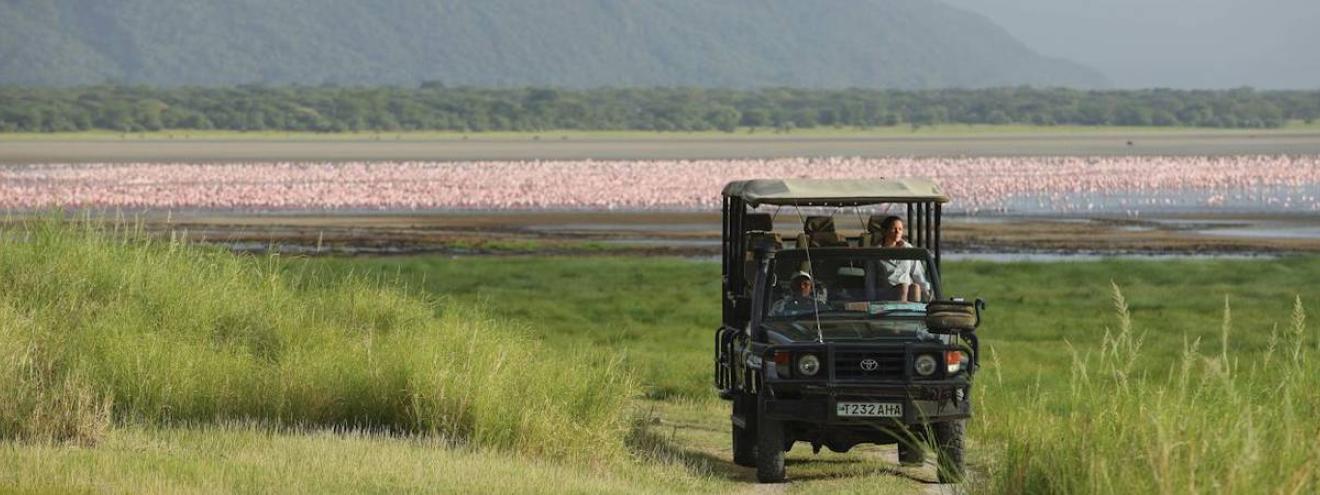
Lake Manyara National Park
Discover the Enchanting Diversity and Wildlife Wonders of Lake Manyara National Park
Tucked beneath the towering Great Rift Valley escarpment, Lake Manyara National Park boasts an extraordinary blend of landscapes and ecosystems that captivate every visitor. From its vast soda lake teeming with birdlife to lush acacia woodlands and open savannahs, the park offers a stunning natural tapestry that supports an incredible variety of wildlife. Flamingos blanket the shores in vibrant hues, while tree-climbing lions and graceful giraffes enhance the park’s allure. This compact yet biodiverse destination provides an unparalleled experience for bird-watchers, photographers, and wildlife enthusiasts alike.
Lake Manyara National Park is not only famed for its scenic beauty but also for the experiences it offers. Whether it’s observing over 350 species of birds during the golden hours of sunrise and sunset, or taking part in adventurous activities like mountain biking and canoeing, the park delivers both tranquility and excitement. Located conveniently between the Ngorongoro Crater and Tarangire National Park, this gem of East Africa is an unmissable stop on any Tanzanian safari.
Lake Manyara National Park Facts
- Size & Location: 330km² within the Great Rift Valley (230km² of lake area)
- When to visit the park: March - June (Bird watching), July - October (Game viewing)
- Climate: Warm days and cool nights predominate, hot and humid during short rains season
- Rainfall: 650mm per annum varying along the north-south axis of the park
- Altitude: 960mm - 1478mm above sea level
Information On Lake Manyara National Park
This beautiful Lake Manyara National Park is at the base of the Great Rift Valley escarpment and comprises a diverse range of habitats ranging from the rift wall, groundwater forest, acacia woodlands, open grasslands, the shore of the soda lake - Lake Manyara and, finally, the lake itself. The entrance to the park is via the village of Mto wa Mbu, 130 km from Arusha, along the rift wall. The park often appears to be in a heat haze created by the lake and lake attracts considerable birdlife. Its surrounding terrain contains such a rich mosaic of different habitats that it supports a large number of animals.
Like most Rift Valley lakes, the water is alkaline. This attracts vast flocks of flamingos, which form pink foam against a silver background of water. There are numerous waterbirds in the area, including storks and pelicans that waddle around next to short grasses on the shore of the lake. The park is a bird lover's haven with a variety (350 species) of local species inhabiting the forest and bush. The best time to observe these birds is in the late afternoon and early morning.
Lake Manyara National Park provides sanctuary to a variety of animals like the gazelle, impala, buffalo, wildebeest, hyena, baboon, giraffe and hippo. Manyara is also known for its tree-climbing lions.
Lake Manyara Tanzania and the areas outside the park has become a hub for active adventure guests were many stops over to enjoy activities such as horse riding, abseiling, mountain biking, canoeing and nature walk safaris.
Main Attractions Of Lake Manyara National Park
- Bird-watchers paradise (huge flocks of flamingos)
- Different habitats incorporating a diverse selection of wildlife
- The Tree-climbing lions
Where is Lake Manyara National Park located?
Lake Manyara located perfectly between two of Tanzania's top attractions, Ngorongoro Crater (to the north-west) and the Tarangire National Park (to the south-east), and within a few hours drive of the Serengeti.
Click here for a Google Maps overview; Google Maps - Lake Manyara National Park
Or At the bottom of this page is a map showcasing all the Lake Manyara accommodation options that we offer.