
Masai Mara Bucket List
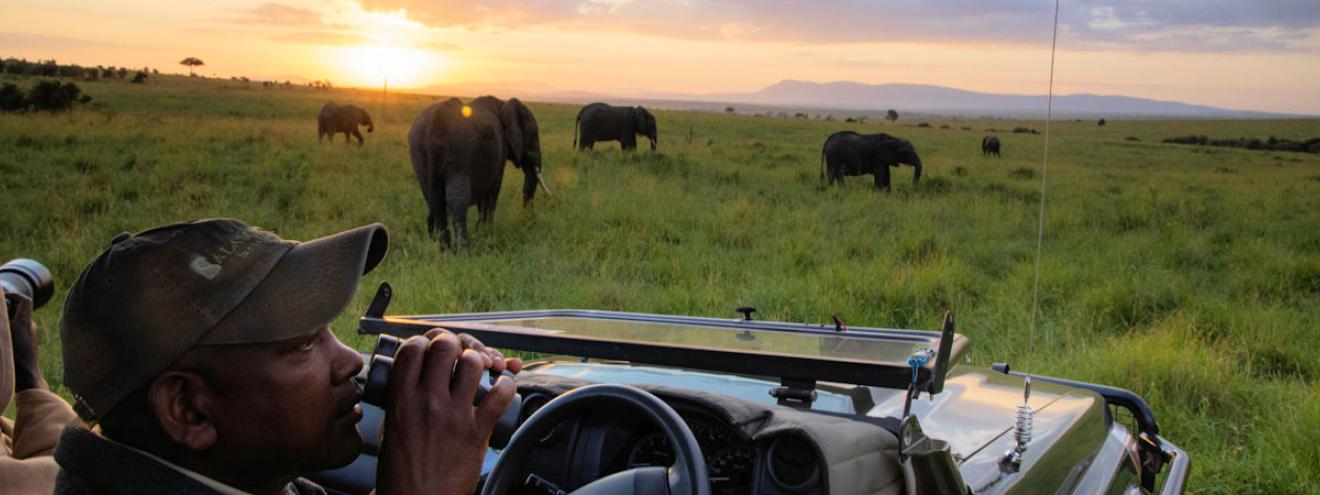
Masai Mara Bucket List: 15 Unmissable Experiences with Uyaphi.com
Introduction: Why the Masai Mara Belongs on Your Bucket List
The first light of dawn creeps across the endless golden plains as a chorus of lions calls from somewhere beyond the riverine forest. Below, wildebeest herds stir awake, their collective breath rising in the cool morning air while silhouettes of hot air balloons drift silently overhead. This is the Masai Mara at its most magical—a place where nature's grandest spectacles unfold daily, and where Uyaphi.com has been crafting bespoke safari experiences for over two decades.
Located in southwestern Kenya, the Masai Mara National Reserve spans approximately 1,500 square kilometres of rolling savannah, acacia-dotted woodlands, and winding rivers that form part of the greater Mara-Serengeti ecosystem shared with Tanzania. The name "Mara" derives from the Maa language spoken by the local Maasai people and translates roughly to "spotted"—a fitting description for the landscape dotted with trees and the shadows of abundant wildlife moving across the African plains.
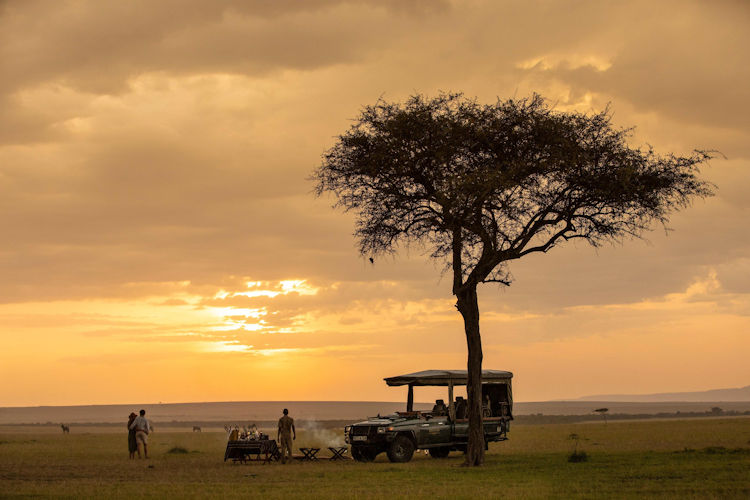
What makes the Masai Mara an ideal destination for Kenya safari goers worldwide? Three words: the Great Wildebeest Migration. This annual movement of over two million wildebeest, zebra, and gazelles represents one of nature's most dramatic events. Add to this the highest concentration of lions in Africa, exceptional leopard and cheetah sightings, and authentic cultural encounters with local people, and you have the quintessential bucket list safari destination in East Africa.
Since 1999, Uyaphi.com—a Cape Town-based African safari specialist—has designed tailor-made Mara itineraries for travellers seeking more than a standard tour package. With no booking fees, unbeatable pricing, and 24-hour emergency support, our team of experts matches you with the perfect camps, guides, and experiences.
Consider this guide your starting point. Read through these 15 unmissable experiences, mark your personal must-dos, then contact a Uyaphi safari expert to transform this Masai Mara bucket list into your own bespoke adventure.
Masai vs Maasai: Getting the Name Right
Before diving into the experiences, let's clear up a common source of confusion that puzzles many first-time visitors to Kenya.
"Masai Mara" refers specifically to the national reserve and its surrounding conservancies—the land, the ecosystem, and the protected area you'll visit on safari. This is the official name you'll see on maps, park signage, and official documentation.
"Maasai" (spelt with the double "a") refers to the semi-nomadic pastoralist people of Kenya and Tanzania who have called this region home for centuries. The Maasai speak the Maa language and have traditionally herded cattle alongside the wildlife that roams these plains.
When reading about your trip, you'll encounter "Masai Mara National Reserve" when discussing the reserve itself, but "Maasai warriors," "Maasai village," or "Maasai culture" when discussing the people and their traditions.
A simple memory hook: Masai = the place; Maasai = the people.
1. Witness the Great Wildebeest Migration (July–October)
Nothing prepares you for the sheer scale of the great migration. Picture this: an endless column of wildebeest stretching from horizon to horizon, accompanied by hundreds of thousands of zebras and Thomson's gazelles, all driven by ancient instincts to follow the rains and fresh grazing. This annual circuit between the Serengeti and the Masai Mara involves roughly 1.5 to two million wildebeest and represents one of the last great wildlife spectacles remaining on Earth.
The wildebeest migration typically reaches the Mara from mid-July through late October, though exact timing shifts with rainfall patterns. The most dramatic moments occur during the Mara River crossings, when massive herds must plunge into crocodile-infested waters to continue their journey. These crossings can happen multiple times daily during peak season, with historical records showing up to 10,000 animals crossing in a single event.
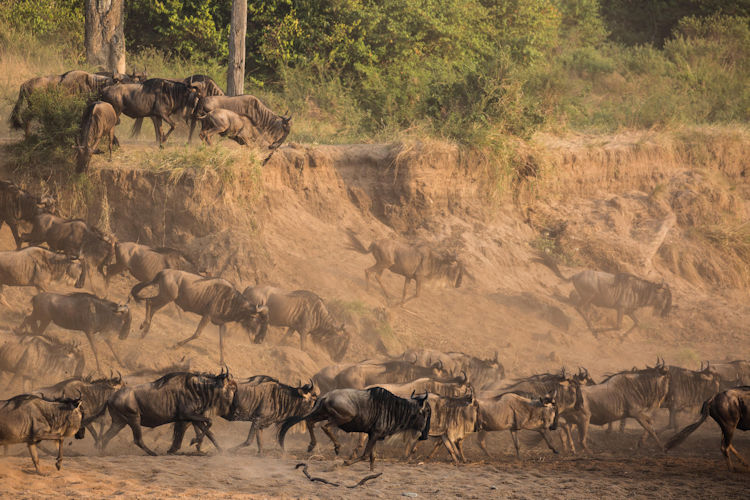
Standing at the riverbank as a big herd gathers courage to cross is an unforgettable experience. The tension builds as animals jostle at the water's edge, followed by chaos as they finally commit—dust rising, hooves thundering, crocodiles striking, and predators like lions and hyenas waiting on the banks. Roughly 250,000 wildebeest perish annually during this migration, yet this cycle sustains the entire ecosystem.
The best areas to position yourself for crossings include:
- Along the Mara River, particularly near the Mara Triangle
- Near the Talek River in the central reserve
- Adjacent private conservancies with river frontage
Uyaphi.com builds itineraries that track probable crossing points and timing, combining classic central-Mara locations with quieter private concessions. This approach maximises your chances of witnessing this natural phenomenon without the vehicle congestion that can affect popular spots.
2. Twice-Daily Game Drives: Classic Big Five Safari
Early-morning and late-afternoon game drives in a 4x4 safari vehicle form the backbone of any Masai Mara experience. These twice-daily game drives take advantage of the cooler hours when animals are most active, offering exceptional game viewing opportunities year-round.
Species you can expect to encounter include:
| Big Five | Predators | Plains Game | Other Wildlife |
|---|---|---|---|
| Lion | Cheetah | Wildebeest | Hippo |
| Leopard | Hyena | Zebra | Crocodile |
| Elephant | Jackal | Giraffe | Warthog |
| Buffalo | Wild dog (rare) | Topi | Mongoose |
| Rhino | Eland | Baboon |
A typical game drive day follows a satisfying rhythm:
- Pre-dawn wake-up call with hot coffee or tea
- 3-4 hour morning drive as the sun rises
- Return for brunch and midday rest
- Afternoon drive departing around 4 pm
- Sundowners as the sun sets over the plains
What distinguishes a good safari from an extraordinary one often comes down to where you stay. Private conservancies like Mara North, Olare Motorogi, and Naboisho allow off-road driving for closer wildlife encounters and enforce strict limits of just four vehicles per sighting—compared to up to 20 vehicles crowding a big cat in the main reserve.
Uyaphi.com matches guests with guides known for specific strengths, whether that's photography expertise, family-friendly patience, or exceptional predator-tracking skills. Your interests shape our recommendations.
3. Hot Air Balloon Safari at Sunrise
Few experiences capture the romance of an African safari quite like a hot air balloon safari at dawn. As the Mara awakens below, you drift silently above the golden grasslands, watching elephants move through riverine forest and giraffes browse acacia trees—a perspective impossible from any safari vehicle.
A hot air balloon flight typically begins with a 4:30-5:00 am pickup from your Camp. You'll arrive at the launch site as the crew inflates the balloon in the pre-dawn darkness, then lift off just as the first light touches the horizon. The one-hour flight carries you wherever the wind leads—over meandering rivers, past herds of plains game, and sometimes directly above wildebeest herds during migration season.
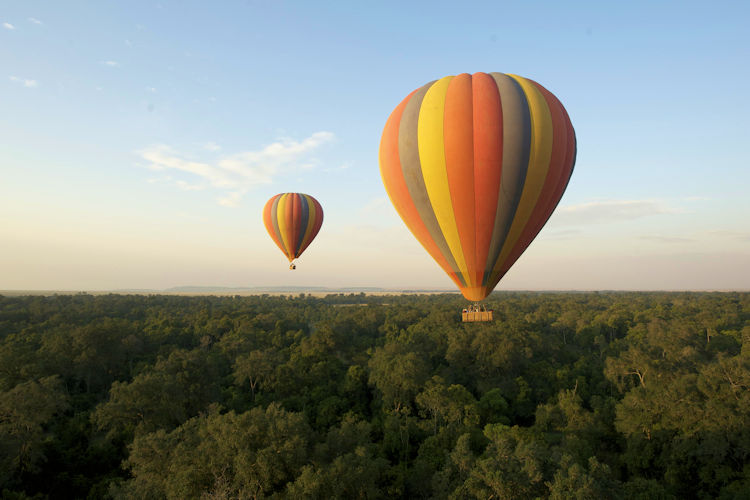
The experience concludes with a legendary champagne bush breakfast. Picture a white-linen table set beneath a lone acacia tree, laden with sparkling wine, freshly cooked eggs, pastries, and tropical fruits—all served in the middle of the wilderness while elephants or giraffes wander past.
Best times for balloon flights:
- July-October: Migration herds create spectacular aerial views
- January-March: Clear skies and excellent visibility; newborn animals on the plains
- Year-round: Flights operate daily, weather permitting
Space on balloon flights is limited (typically 14-16 passengers per basket), and high-season slots sell out months in advance. Uyaphi.com pre-books balloon experiences with trusted operators as part of your itinerary, ensuring you don't miss this bucket list highlight.
4. Guided Walking Safaris and Nature Walks
Stepping out of the vehicle and onto the African soil transforms your safari entirely. Walking safaris engage all your senses—the crunch of dry grass underfoot, the alarm call of a francolin, the scent of wild sage, the sudden stillness when your guide spots fresh leopard tracks.
Full walking safaris with armed guides are typically offered in private conservancies rather than inside the main national reserve, where park regulations restrict on-foot activities. These bush walks focus on what vehicles often miss: the intricate world of tracks and spoor, the architecture of termite mounds, medicinal plants used by local people for generations, and the smaller creatures that make up the "Little Five."
Typical walking safari discoveries include:
- Identifying predator tracks (a leopard's paw print measures 7-10cm)
- Learning about medicinal plants like the fever tree's anti-malarial bark
- Spotting smaller species: dik-dik, bat-eared fox, elephant shrew
- Understanding ecosystem connections between insects, plants, and large mammals
Nature walks suit all fitness levels and can be tailored for families. The ideal times are cool early mornings or late afternoons, typically lasting 2-3 hours under the guidance of an experienced Maasai tracker or armed ranger.
Uyaphi.com often designs itineraries that pair a stay in the central reserve with nights at a walking-friendly conservancy camp. This combination delivers both the spectacle of major sightings and the intimate, grounded experience that only walking provides.
5. Meet the Maasai: Cultural Encounters
The Maasai people have lived alongside the wildlife of this region for centuries, developing a way of life that balances cattle herding with conservation. A cultural visit to a Maasai community offers insight into traditions that have endured despite the pressures of modernisation.
A typical village visit includes:
- The adumu (jumping dance) is performed by Maasai warriors as a traditional rite of passage.
- Beadwork demonstrations, where colour-coded necklaces signify marital status and social position
- A tour of the manyatta (homestead) with its circular mud-and-dung huts surrounded by thorny acacia bomas for protection against lions
- Conversations with elders about daily life, cattle culture, and wildlife coexistence
The most meaningful cultural encounters happen through conservancy-linked communities, where tourism revenue directly supports local schools, clinics, and grazing projects. Since 2007, community-led initiatives have reduced human-wildlife conflict by approximately 40% through lion-protection programmes that compensate families for livestock losses.
Approach these visits with genuine curiosity. Ask questions, listen to stories, and consider purchasing beadwork directly from Maasai women's cooperatives—your money supports livelihoods rather than middlemen.
Uyaphi.com works exclusively with lodges and camps that maintain long-standing, ethical partnerships with Maasai communities. These are genuine exchanges, not staged performances.
6. Night Game Drives in Private Conservancies
The Masai Mara transforms after dark. Predators that dozed through the afternoon heat become active hunters, nocturnal creatures emerge from burrows, and the bush comes alive with sounds and movement invisible during daylight hours.
Night game drives are not permitted inside the main Masai Mara National Reserve but are allowed in certain private conservancies—one of the key advantages of including conservancy stays in your itinerary. Armed with powerful spotlights, your guide scans the darkness, revealing eyes reflecting back from the grass.
Nocturnal species commonly spotted:
- Lions on patrol (often more active than during the day)
- Leopards stalking through trees—sighting success rates reportedly 70-80% higher at night
- Spotted hyenas scavenging and hunting
- Smaller predators: civet, genet, honey badger (if you're lucky)
- Unusual species: porcupine, springhare, aardvark
Night drives typically depart after dinner or begin as sunset drives that continue into darkness. Guides use red filters on spotlights to minimise disturbance to animals while maintaining excellent visibility for guests.
For clients specifically requesting night drives and flexible activity schedules, Uyaphi.com includes at least one conservancy stay as standard. The experience of watching a leopard hunting under the stars—impossible in the main reserve—makes this worthwhile.
7. Horseback Safaris for Experienced Riders
For experienced riders, few experiences match the exhilaration of riding across the open Mara plains alongside zebra and giraffe. Horseback safaris offer a unique perspective—horses are perceived as non-threatening by herbivores, allowing you to approach within 50 metres of wildlife that would otherwise flee a vehicle.
This is not a gentle trail ride. Horseback safaris suit confident, experienced riders who are comfortable cantering in open country and capable of controlling their mount if wildlife appears unexpectedly. During migration season, riders may find themselves surrounded by thousands of wildebeest—an almost surreal experience.
What to expect:
- Rides typically last 2-4 hours
- Multi-day mobile riding safaris are available for keen equestrians
- English Thoroughbreds and other suitable breeds matched to rider experience
- Helmets mandatory; long trousers and closed shoes required
Specialised riding operators base themselves in Mara conservancies where horse and rider safety can be properly managed away from dense predator populations. Guides match the pace to both wildlife behaviour and rider ability.
Before booking, discuss your riding level honestly with Uyaphi.com. We'll connect you with the right operator, ensure appropriate insurance coverage, and match the experience to your abilities. This isn't about ticking a box—it's about creating a safe, memorable adventure.
8. Big Cat Tracking and Wildlife Photography
The Masai Mara is one of Africa's most reliable destinations for big cat sightings. High prey densities, open grassland for unobstructed views, and excellent guide knowledge combine to create exceptional opportunities for observing lions, cheetahs, and the more elusive leopard.
Expert guides use multiple techniques to locate big game:
- Reading fresh tracks in the dust
- Listening for alarm calls from prey species
- Watching vulture movements that indicate kills
- Maintaining radio contact with other guides
The "golden hours" immediately after sunrise and before sunset offer the most dramatic photography conditions. Low, warm light rakes across the savannah, backlighting manes and creating stunning views that define African wildlife photography.
Photography-specific options include:
| Feature | Benefit |
|---|---|
| Photography-adapted vehicles | Lower sides, removable roofs, more space |
| Window mounts and beanbags | Stable platforms for telephoto lenses |
| Private vehicle hire | Position where you want, stay as long as needed |
| Extended game drives | Skip the schedule to wait for action |
Uyaphi.com designs photography-focused itineraries that include extra private vehicle time, longer stays in key wildlife areas, and seasonal timing matched to specific goals—whether that's lion cubs, cheetah hunts, or wildebeest migration drama.
9. Birdwatching in a 450+ Species Paradise
The Masai Mara is not only about charismatic mammals. Over 450 bird species—residents and migrants—make this a superb destination for birders and casual nature lovers alike. Many camps and guides focus almost exclusively on local wildlife with four legs, but dedicated birding experiences reveal an entirely different dimension of the ecosystem.
Iconic Mara bird species include:
- Lilac-breasted roller (Kenya's unofficial national bird)
- Secretarybird stalking through the grass
- Grey crowned crane
- Kori bustard (Africa's heaviest flying bird)
- Martial eagle and tawny eagle
- Seven species of kingfisher along the Mara River
- Vultures circling above kill
Migratory species swell the bird numbers from roughly November to April, making the green season particularly rich for birdwatching. European migrants join resident species, creating exceptional diversity.
Typical birding experiences involve scanning riverine forest along the Mara River, watching weaver colonies constructing intricate nests, and photographing rollers in flight against blue skies. For serious ornithologists, the quieter Musiara Marsh area offers rarities like the rufous-bellied heron.
Uyaphi.com can prioritise bird-focused guides and recommend river-front camps for travellers with strong birding interests. Let us know if feathers matter as much as fur.
10. Sundowners, Bush Breakfasts and Romantic Dinners
African safari traditions extend beyond game drives into memorable dining experiences that connect you with the landscape in unexpected ways.
Sundowners are quintessentially African: stopping on a hilltop or the Oloololo Escarpment with a gin and tonic or a glass of South African wine as the sun paints the sky in oranges and reds. Below, animals settle for the night while you raise a glass to another extraordinary day.
Bush breakfasts take place after morning game drives, set beneath a lone acacia tree or beside a hippo-filled river. White-linen tables appear seemingly from nowhere, laden with hot coffee, fresh pastries, cooked eggs, and tropical fruit—all with an uninterrupted view across the plains.
Private dinners transform evenings into romantic occasions. Imagine a candle-lit table on your tent deck or a surprise bush dinner discovered after a sunset drive—starlit skies overhead, the sounds of the African night surrounding you. These moments define honeymoons, anniversaries, and proposals.
Plan ahead for special celebrations. Share dietary requirements, allergies, and any milestone occasions with your Camp in advance. Uyaphi.com routinely arranges these touches for anniversaries, proposals, and family celebrations in the Mara—just let us know what you're marking.
11. Where to Stay: Our Recommended Masai Mara Camps
Your choice of Camp shapes your entire Mara experience. Location determines access to migration crossings and specific wildlife areas. Masai Mara Lodges style affects whether you enjoy night drives, walking safaris, or must remain in vehicles. And atmosphere—intimate versus bustling—defines whether your safari feels exclusive or shared with strangers.
Uyaphi.com focuses on intimate, well-located camps that balance wildlife access, comfort, and positive community impact. Here are our top recommendations:
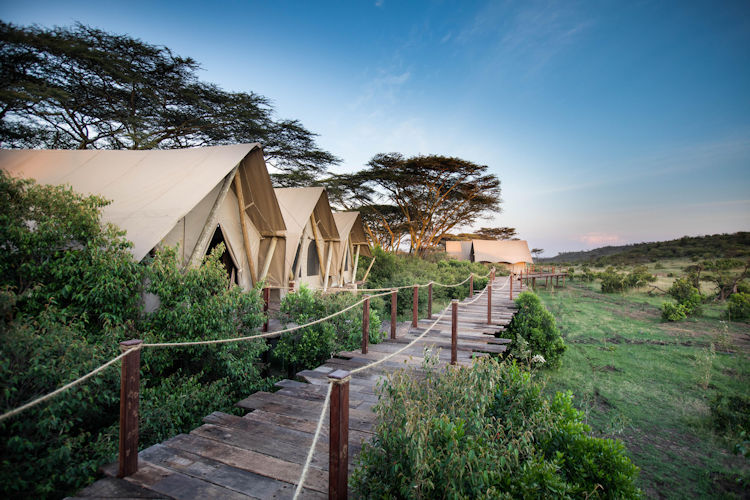
Sala's Camp is secluded in the southern Masai Mara, where the sand rivers and the Keekorok River meet. Sala's sits directly on a prime migration route. This location delivers excellent predator sightings year-round, with the drama of wildebeest crossings during peak season. Ideal for those wanting a classic tented experience with reliable big game.
Mara Plains Camp is set in the Olare Motorogi Conservancy. Mara Plains represents ultra-luxury in the Mara ecosystem. The conservancy's exceptional big cat densities—particularly leopard—combine with flexible activities including night drives and guided walks. This is excellent accommodation for discerning travellers who want superb wildlife with all the extras.
Mara Nyika Camp, located in the Naboisho Conservancy, offers elevated views across 50,000 acres of pristine wilderness. The conservancy model means fewer vehicles, strong community benefits, and fantastic game viewing without crowds. Well-suited for travellers seeking a balance of quality and value with genuine conservation credentials.
Mara Toto Camp. This intimate Camp along the Ntiakitiak River delivers a vintage tented feel near rich game areas. Popular with photographers and couples seeking a smaller, more personal camp experience. The location provides excellent access to resident wildlife populations.
Ngare Serian Camp Accessed by a swing bridge crossing the Mara River, Ngare Serian offers an exclusive, almost secretive atmosphere. Renowned for exceptional guided walks, fly-camping adventures, and remarkably personalised hosting from owner guides. Perfect for second-time Mara visitors seeking something different, or honeymooners wanting romance and exclusivity.
Which camp suits which traveller?
| Traveller Type | Recommended Camp(s) |
|---|---|
| First-time safari visitors | Sala’s Camp, Mara Nyika Camp |
| Honeymooners | Ngare Serian Camp, Mara Plains Camp |
| Families | Mara Toto Camp, Mara Nyika Camp |
| Photographers | Mara Toto Camp, Mara Plains Camp |
| Luxury seekers | Mara Plains Camp, Ngare Serian Camp |
Other quality options worth mentioning include Elephant Pepper Camp for an authentic bush atmosphere, Little Governors Camp for classic Mara heritage, Kichwa Tembo Tented Camp for accessibility, Governors Camp for legendary location, Saruni Wild Tented Camp for conservation-focused stays, and Sanctuary Olonana for spa treatments and river views.
Share your travel dates, group size, and budget with Uyaphi.com. Our experts will match you with the optimal camp combination—often a split stay that maximises both spectacle and exclusivity.
12. The Mara Triangle and Private Conservancies Explained
Understanding how the Masai Mara ecosystem is organised helps you choose where to stay and what experiences you can access.
The Masai Mara National Reserve is the core protected area, managed by local authorities. Within this, the Mara Triangle occupies the western section, separated from the rest of the reserve by the Mara River. The Triangle is known for excellent management, beautiful topography, and prime positioning for migration river crossings—often with fewer vehicles than the main reserve areas.
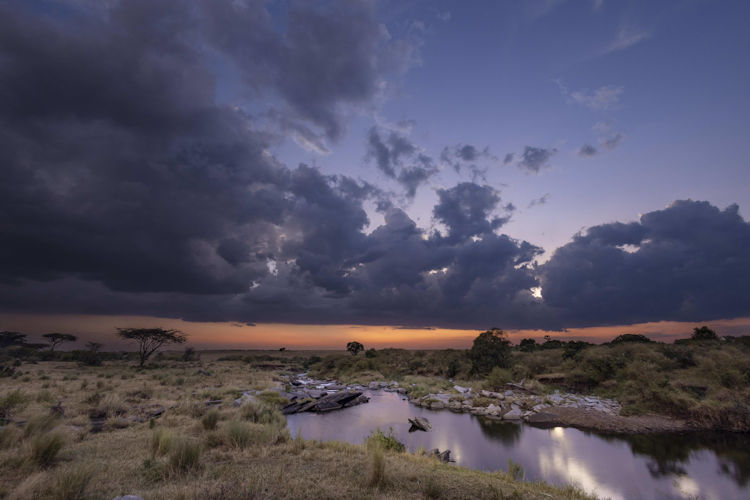
Private conservancies surround the national reserve on community-owned Maasai land. Key conservancies include:
- Mara North Conservancy – Large area bordering the reserve
- Olare Motorogi Conservancy – Exceptional predator densities
- Naboisho Conservancy – Strong community model, excellent wildlife
Advantages of staying in a conservancy:
| Benefit | Explanation |
|---|---|
| Off-road driving | Get closer to wildlife; not restricted to tracks |
| Night game drives | Access nocturnal wildlife impossible to see in the reserve |
| Walking safaris | Explore on foot with armed guides |
| Fewer vehicles | Strict limits (often 4 maximum) at each sighting |
| Community benefits | Tourism revenue goes directly to Maasai landowners |
| Bush meals | Breakfast and dinner in the wilderness |
The trade-off? Conservancies are generally further from the Mara River, so accessing the most famous crossing points during migration requires longer drives.
Uyaphi.com typically recommends a split stay: a few nights inside or adjacent to the reserve for migration access and river frontage, plus nights in a conservancy for exclusive activities and relaxed game viewing. This combination maximises both spectacle and intimacy.
13. Best Time to Visit the Masai Mara
The Mara offers excellent wildlife year-round—you will not have a bad safari here regardless of when you travel. However, different months suit different bucket list priorities.
Seasonal Overview:
| Season | Months | Highlights | Considerations |
|---|---|---|---|
| Migration Peak | July–October | Great Wildebeest Migration, river crossings, maximum drama | Highest demand, highest rates, more vehicles |
| Dry/Warm | January–March | Clear skies, many young animals, excellent predator action | Popular for photography, good value compared to migration |
| Green Season | November, April–May | Lush landscapes, fewer visitors, migratory birds, best value | Some roads challenging, some camps close in April-May |
| Shoulder | June, October-November | Transition periods offering good wildlife with moderate crowds | June sees migration approaching; November sees departures |
Migration timing specifics:
- Late June–July: Herds begin arriving from the Serengeti
- August–September: Peak crossing activity at Mara and Talek rivers
- October: Herds begin returning south to Tanzania
- November–June: Migration is in the Serengeti (though resident wildlife in the Mara remains excellent)
Climate change appears to be shifting migration timing by 2-4 weeks in some years, making flexibility valuable.
For travellers focused on specific goals—photographing cubs, witnessing crossings, enjoying solitude, or managing budget—Uyaphi.com helps select travel dates that align with your priorities rather than simply booking you into "peak season."
14. Practical Planning: How Many Nights, Getting There, What It Costs
How long to stay:
A minimum of 3-4 nights in the Mara itself allows for proper immersion: multiple game drives, at least one special activity (balloon, walk, or cultural visit), and time to simply absorb the natural habitat. For travellers combining the Mara with other Kenyan or East African highlights—such as Amboseli, Laikipia, the coast, or even gorilla trekking—plan 6-8 nights total for your Kenya portion.
Getting there:
- By air (recommended): Scheduled light-aircraft flights from Nairobi's Wilson Airport to various Mara airstrips take 45-60 minutes. Many camps include airstrip transfers.
- By road: The drive from Nairobi takes 4-6 hours, depending on conditions and which part of the Mara you're accessing. Road transfers suit travellers combining the Mara with the Rift Valley lakes.
What affects cost:
Safari pricing varies significantly based on:
- Time of year: Migration peak (July-October) commands premium rates; green season (April-May, November) offers best value
- Camp choice: Classic tented camps versus ultra-luxury options
- Extras: Balloon flights, private vehicles, conservancy fees
- Duration: Longer stays often reduce per-night costs
Many camps quote all-inclusive rates covering accommodation, meals, drinks, game drives, and conservancy fees. Budget separately for balloon flights, spa treatments, and gratuities.
Rather than quoting specific prices that change seasonally, Uyaphi.com encourages you to share your preferred budget bracket. Our experts then design a tailor-made itinerary that delivers maximum value within your parameters—not a fixed package that may over- or under-shoot your expectations.
15. Build Your Masai Mara Bucket List with Uyaphi.com
You've now explored 15 experiences that make the Masai Mara one of Africa's—and the world's—greatest safari destinations:
- Witnessing the great migration and its dramatic river crossings
- Twice-daily game drives tracking lions, cheetahs, leopards, elephants, and more
- Floating above the plains on a sunrise hot air balloon flight
- Walking in the bush on foot during guided walking safaris
- Experiencing authentic Maasai culture in community villages
- Exploring the nocturnal world on night game drives
- Riding alongside a zebra on horseback safaris for experienced riders
- Photographing big cats in golden light
- Discovering 450+ bird species along the Mara River and beyond
- Celebrating with sundowners, bush breakfasts, and romantic dinners
- Staying at exceptional camps like Sala's Camp, Mara Plains Camp, Mara Nyika Camp, Mara Toto Camp, and Ngare Serian Camp
- Exploring both the Mara Triangle and private conservancies
- Timing your visit for migration drama or peaceful green season
Treat this article as your checklist. Which experiences are non-negotiable for you? Perhaps it's the balloon safari plus a guaranteed migration crossing. Maybe it's a conservancy walking safari combined with Maasai cultural encounters. Or perhaps you're a photographer seeking maximum big cat time with a private vehicle.
For over 25 years, Uyaphi.com has designed bespoke African safari holidays for travellers who want more than a brochure itinerary. We know the camps, we know the guides, we know which seasons deliver which experiences. With no booking fees and 24-hour on-trip support, we're with you from the first email to your final sundowner.
Your next step is simple:
Send your preferred travel dates, group size, and wish-list activities to Uyaphi.com. One of our expert consultants will respond with a tailored Masai Mara itinerary designed around your priorities—not a generic package, but your safari.
The Mara's wildebeest herds are already planning their next crossing. Secure your 2026 / 2027 Migration front-row seat now, and transform your Masai Mara bucket list from a dream into an unforgettable experience.