
The Ultimate Guide to a Serengeti Safari
Your Ultimate Guide to Planning the Perfect Serengeti Safari Experience
Introduction: Why the Serengeti Should Be Your Next Safari
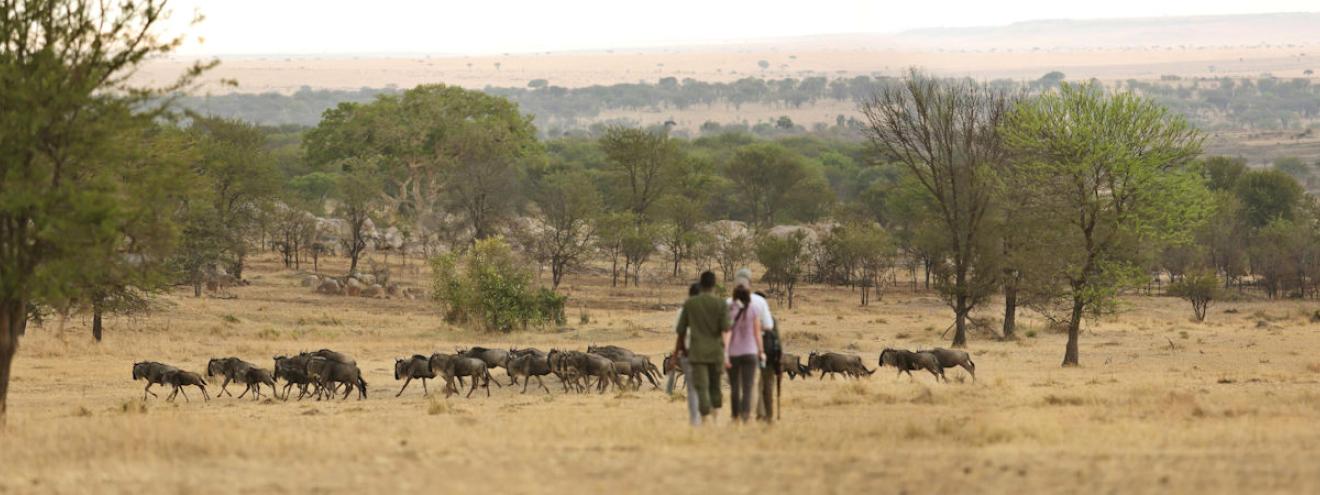
The first light breaks over the Serengeti plains, painting endless golden grasslands in hues of amber and rose. In the distance, a lion's roar reverberates across the savannah—a primal sound that has echoed here for millennia. Acacia trees stand silhouetted against the brightening sky as tens of thousands of wildebeest begin their daily movement across vast plains that stretch to every horizon. This is the Serengeti, and there is simply nowhere else on Earth quite like it.
At Uyaphi.com, we've been crafting tailor-made African safaris since 1999 from our base in Cape Town, South Africa. Over more than two decades, we've developed deep expertise in the Serengeti ecosystem and built relationships with the finest Serengeti lodges across this remarkable landscape. When you travel with us, you benefit from our on-the-ground knowledge, 24-hour emergency support, and the assurance that every detail has been considered.
The Serengeti ecosystem extends beyond Tanzania's Serengeti National Park to include Kenya's Masai Mara National Reserve, creating one of the world's most significant protected ecosystems. Designated a UNESCO World Heritage Site, this landscape serves as the stage for the Great Migration—the largest overland wildlife movement on the planet, involving approximately two million wildebeest alongside hundreds of thousands of zebras and gazelles.
This ultimate guide covers everything you need to plan an exceptional Serengeti safari: when to go to match your interests with the Migration's movements, which regions to prioritise, where to stay among carefully selected camps and lodges, what activities to experience, realistic budgets, and how Uyaphi.com builds bespoke Serengeti itineraries tailored precisely to your travel style. Whether you're a first-time safari-goer or returning to Africa for deeper wildlife encounters, we'll help you navigate every decision.
Ready to transform your Serengeti dreams into reality? Contact a Uyaphi safari specialist today, and we'll design a custom journey that goes far beyond generic package tours.
Where Is the Serengeti and How Do You Get There?
The Serengeti lies in northern Tanzania, stretching approximately 14,750 square kilometres—roughly the size of Northern Ireland. It borders Kenya to the north, where the ecosystem continues seamlessly into the Maasai Mara, forming the combined Serengeti-Mara ecosystem that enables the wildebeest migration to complete its annual circuit through East Africa.
Most international travellers arrive via Kilimanjaro International Airport (JRO), located near the gateway town of Arusha. This airport receives direct flights from major hubs including Amsterdam, Doha, and various African cities. Alternatively, Julius Nyerere International Airport (DAR) in Dar es Salaam offers connections, though it requires an additional domestic flight. Travellers combining both the Serengeti and Masai Mara often route through Nairobi (NBO), taking advantage of Kenya's strong international connections.
A typical journey unfolds as follows: you'll arrive on an overnight international flight into Kilimanjaro International Airport, spend one night in Arusha to recover and prepare, then take a 45–90 minute bush flight the following morning directly to one of the Serengeti's key airstrips—Seronera in the central Serengeti, Kogatende or Lamai in the northern Serengeti, Grumeti in Serengeti's western corridor, or Ndutu and Kusini in the southern Serengeti.
Driving is possible—the journey from Arusha to Naabi Hill Gate or the Ndutu area takes approximately 6–8 hours by road. However, Uyaphi.com generally recommends flying for comfort and time efficiency, particularly when visiting multiple regions or when your safari experience is the priority over the journey itself.
Practical logistics matter: Tanzania requires a visa, obtainable online via the e-visa system before departure. If combining with Kenya, the East Africa Tourist Visa offers convenient multi-country access. Bush flights enforce strict luggage limits—typically 15–20 kg in soft-sided bags without rigid frames. Uyaphi.com coordinates all connections and transfers and ensures you have clear guidance on packing and documentation well before departure.
Serengeti Regions: Which Area Should You Stay In?
The Serengeti divides informally into five distinct regions: north, south (including the Ndutu area), central, east, and west. Each offers different seasonal advantages, wildlife concentrations, and safari experiences. Understanding these differences is essential for designing an itinerary that matches your priorities.
Uyaphi.com often recommends combining two regions for trips of 5–7 nights. This approach balances the chance of witnessing dramatic river crossings or calving action with the reliable year-round big game viewing found in certain areas. A central-plus-north combination works beautifully from June to October, while southern-plus-central itineraries shine during the calving season from December to March.
The following sections provide high-level guidance on each region, helping you understand when to be where and which type of traveller each area best suits.
Northern Serengeti (Mara River & Lamai)
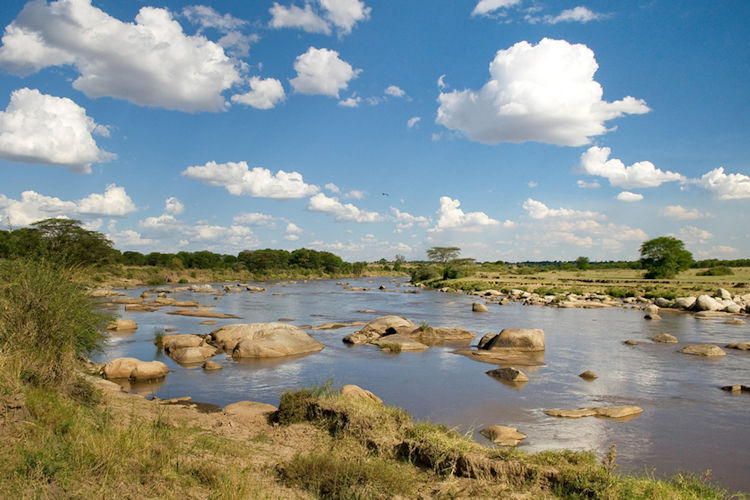
The northern Serengeti unfolds as a landscape of rolling hills, scattered acacia trees, and the life-giving Mara River cutting through lush gallery forests. This region hosts the iconic Mara River crossings—scenes so dramatic they've become synonymous with African wildlife documentaries. Between roughly late July and October, depending on rainfall patterns, the wildebeest herds congregate on the riverbanks before plunging into crocodile-infested waters in chaotic, heart-stopping crossings.
Wildlife viewing here remains excellent year-round. Lions, elephants, giraffes, and resident plains game thrive in this region regardless of whether the Migration is present. However, the peak Great Migration season pushes prices up significantly and demands booking 9–12 months in advance to secure preferred camps.
The northern Serengeti offers fewer tourists than the central areas, making it ideal for travellers seeking fewer vehicles at sightings and who can commit to longer stays of 4–5 nights in one camp. The quieter atmosphere allows for more intimate wildlife sightings and less rushed game drives.
Uyaphi.com often combines the northern Serengeti with the Masai Mara for guests wanting to follow the herds across the border into Kenya. We arrange direct bush flights between Kogatende, Lamai, and various Mara airstrips, creating seamless cross-border itineraries.
Southern Serengeti & Ndutu (Calving Season)
From roughly late December to March, the great herds congregate on the short-grass plains around Ndutu and the southern Serengeti for one of nature's most remarkable events: the wildebeest calving season. These vast plains, technically part of the Ngorongoro Conservation Area, provide the nutrient-rich grasses that pregnant wildebeest seek for giving birth.
The numbers are staggering. In February alone, up to 8,000 wildebeest calves are born each day, flooding the landscape with vulnerable newborns. This abundance attracts intense predator activity—lions, cheetahs, leopards, and hyenas hunt constantly among the herds, creating unparalleled predator-prey drama. For wildlife enthusiasts and photographers, this period delivers action that rivals any river crossing.
Roads can become muddy during January–March, but photographers embrace the challenging conditions for the rewards they bring: dramatic skies, vivid green landscapes, and dense wildlife concentrations. Uyaphi.com tailors vehicle types and routing to seasonal conditions, ensuring you reach the action regardless of weather.
This region pairs perfectly with a stay in the Ngorongoro Crater, creating a compact yet wildlife-rich circuit ideal for 6–8 day trips. The crater's enclosed ecosystem offers excellent chances for black rhino sightings—a species rarely seen in the main Serengeti.
Central Serengeti (Seronera Valley)
The Seronera area functions as the heartbeat of Serengeti National Park. Year-round game viewing thrives here thanks to the Seronera River, granite kopjes that provide predator lookout points, and open plains that attract lions, leopards, cheetahs, and large herds of plains game, including zebras, wildebeest, and gazelles.
For first-time visitors, the central Serengeti often represents the best introduction to this landscape. Reliable wildlife sightings occur at any time of year, logistics prove easier than in more remote regions, and more accommodation options exist across comfort levels and price points. You'll encounter the iconic animals of Africa without gambling on seasonal movements.
Peak season from June to October brings increased visitor numbers, and some Migration phases concentrate vehicles in popular areas. Uyaphi.com selects smaller, well-positioned camps to minimise congestion and arranges game drive timings that avoid the busiest periods at key locations.
Position the central Serengeti as an ideal 3–4 night base that can be paired with a more remote region—north, south, or east—for variety and depth in your safari experience.
Eastern Serengeti (Namiri Plains and Big Cat Country)
Wide, open grasslands and iconic rocky kopjes define the eastern Serengeti—an area historically closed to the public for years to protect vulnerable cheetah populations. This conservation effort succeeded, and the region now stands renowned for exceptional big cat viewing.
From roughly December to March, parts of the Migration pass through this area, but the eastern Serengeti's primary draw lies in its predators rather than the herds. Cheetahs thrive on the open terrain that suits their hunting style, while lions patrol the kopjes and leopards hunt in scattered woodland patches. For photographers and wildlife enthusiasts prioritising predator action, this region delivers.
Compared to central areas, tourist crowds remain minimal here. The sense of wilderness feels stronger, game drives encounter fewer vehicles, and sightings unfold at their own pace without competition for positioning.
Uyaphi.com often builds itineraries that include at least 3 nights in the Namiri Plains area for travellers with a particular interest in cheetahs and photographic safaris. The eastern Serengeti adds a predator-focused chapter that complements Migration-focused regions beautifully.
Western Serengeti (Grumeti River & Corridor)
Serengeti's western corridor stretches as a ribbon of savannah toward Lake Victoria, dominated by the Grumeti River with its large Nile crocodiles and hippo pods. This region offers a different character than the endless plains elsewhere—gallery forests line the riverbanks, and diverse habitats support an incredible range of wildlife.
Between roughly late May and early July, segments of the Migration push through this corridor, attempting Grumeti River crossings that are less crowded and less predictable than the more famous Mara River events. The crocodiles here haven't eaten for months, and the resulting encounters between predator and prey create genuinely dramatic scenes.
Even outside peak Migration months, the western corridor offers excellent resident game: lions, hyenas, leopards, giraffes, and large herds of zebra and wildebeest. The Grumeti River supports permanent water sources that attract wildlife year-round.
Uyaphi.com frequently recommends the western Serengeti for travellers who want a quieter take on the Migration experience and who appreciate remote, river-focused camps. This region suits those seeking fewer tourists and a more exclusive-feeling safari.
When to Go: Best Time of Year for a Serengeti Safari
The Serengeti qualifies as a genuine year-round safari destination, but the experience and scenery change dramatically between seasons. Understanding these patterns helps you choose timing that aligns with your priorities—whether that's witnessing specific Migration events, enjoying optimal photography conditions, or securing better value during shoulder seasons.
Two main patterns shape the Serengeti year. The dry season from June to October brings easier game viewing as animals concentrate around water sources and vegetation thins, plus the famous river crossings in the north. The green season from November to May transforms the landscape with lush growth, dramatic skies, superb birding, and the calving spectacle in the south.
Even if you don't perfectly "hit" the Migration, predators and resident wildlife ensure outstanding Tanzania safaris at any time. Uyaphi.com designs itineraries to maximise probabilities using up-to-date herd reports and decades of seasonal knowledge.
January–March: Calving Season in the South
During these months, wildebeest herds typically concentrate in the Ndutu and southern Serengeti plains, with peak calving occurring in February. The sheer volume of births—up to 8,000 calves daily—creates intense predator-prey interactions as lions, cheetahs, and hyenas hunt among so many animals.
The landscape transforms: lush green grasslands stretch to every horizon, warm daytime temperatures make game viewing comfortable, and afternoon showers bring dramatic cloudscapes. Superb birding accompanies this period, with migratory species present alongside residents.
This period suits photographers seeking action and dramatic light, families who appreciate concentrated wildlife sightings in a relatively compact area, and travellers who are less focused on river crossings and prefer behaviour and young animals.
Uyaphi.com typically pairs 3–4 nights in Ndutu or the southern plains with 2–3 nights in the Ngorongoro Crater or central Serengeti, creating rounded itineraries that showcase diverse habitats and wildlife.
April–May: Green Season and Quieter Safaris
The long rains arrive, and the herds begin moving northwest toward the western corridor. Fewer vehicles traverse the landscape, and many camps offer significantly lower rates—sometimes 30–40% below peak season pricing.
For those willing to accept occasional showers and muddy roads, rewards abound: rich colours, dramatic cloudscapes, excellent photographic light, and genuine solitude. Repeat visitors and serious photographers often prefer this period precisely because fewer tourists compete for prime sightings.
Some camps close during these months, but those that remain open offer exceptional value. Uyaphi.com carefully selects properties with good access and arranges bush flights to minimise long, wet transfers. This rainy season suits travellers who prioritise solitude and savings over guaranteed Migration concentrations.
June–July: Western Corridor & Grumeti Crossings
Herds typically move through central areas into the western corridor during this period, with possible Grumeti River crossings in June and early July. Vegetation thins noticeably, making game viewing easier as animals become more visible against the drying landscape.
Temperatures remain pleasant with cooler mornings and evenings—ideal conditions for extended game drives without uncomfortable heat. This window works well for combining the central plus western Serengeti regions.
Uyaphi.com books favoured camps up to 12 months in advance during busy mid-year school holidays. Exact dates for crossings cannot be guaranteed—the herds follow their own schedule—so we advise spending at least 3–4 nights in crossing-prone regions to improve your chances.
August–October: Mara River Crossings in the North
Peak season arrives with the dramatic Mara River crossings in the northern Serengeti and Maasai Mara. Spectacular scenes unfold as wildebeest and zebra battle currents and crocodiles in chaotic, heart-stopping crossings that define the Great Migration's most iconic imagery.
This is the busiest and most expensive time of year, requiring planning well in advance. Uyaphi.com helps secure river-facing camps and optimal airstrip access, ensuring you're positioned for the best possible experience.
Despite the crowds, the northern landscape is spacious. Careful camp selection combined with flexible game drive timings—early departures and late returns—can still deliver an exclusive-feeling experience. This window suits travellers whose top priority is classic "Migration documentary" scenes, and we encourage a minimum of 4 nights in the north to maximise crossing opportunities.
November–December: Short Rains and Southward Return
With the onset of the short rains, herds begin drifting back south via central and eastern Serengeti, often spreading into smaller, more scattered groups. The massive concentrations disperse, but wildlife remains abundant, and the landscape freshens with new growth.
This excellent shoulder season offers fewer visitors than mid-year, lower pricing, and genuine flexibility in camp choice. Thunderstorms are typically brief and dramatic—not all-day events—and temperatures remain warm but not extreme.
Position this period for guests wanting value, flexibility, and a good balance of scenery, predators, and scattered Migration herds. The stunning landscapes of the green season begin emerging while dry season wildlife viewing patterns still apply.
Top Things to Do on a Serengeti Safari
While game drives form the core of any Serengeti safari, Uyaphi.com builds itineraries that layer in immersive, low-impact experiences to deepen your connection with this African wilderness. The best trips combine multiple activities, creating variety and perspective across your stay.
Key activities include game drives (the foundation of every safari), walking safaris for intimate bush experiences, hot air balloon safaris for aerial perspectives, photographic safaris with dedicated vehicles and expert guidance, and cultural extensions beyond the park, such as Maasai experiences near Ngorongoro or Arusha. Guided bush walks reveal the smaller details that vehicle-based game viewing can miss.
Specific activities depend on park regulations and camp locations. Some experiences—night drives, off-road driving, walking—are only permitted in private concessions rather than within Serengeti National Park itself. Uyaphi.com matches guests to properties that can legally and safely offer their preferred experiences.
For optimal wildlife sightings and photography, early-morning and late-afternoon activities yield the best results. Mid-day, when animals rest in the heat, is typically reserved for relaxation at your lodge—perhaps enjoying spa treatments, a gourmet meal, or simply absorbing the landscape from your private deck.
Game Drives (Day & Night Where Permitted)
Shared or private 4x4 game drives in open-sided or pop-top safari vehicles form the backbone of any Serengeti experience. Most camps offer morning and afternoon sessions of 3–4 hours each, departing before dawn and returning after dark when regulations permit.
Important distinctions exist between park-based lodges and private concessions. Within Serengeti National Park, day drives follow designated roads and must exit before dark. Private concessions on the park periphery often permit limited night drives (revealing nocturnal species like bushbabies, aardvarks, and hunting lions) and off-road driving for closer wildlife approaches.
Uyaphi.com can arrange private vehicles for families, photographers, or guests wanting full flexibility in timing and pace. Your safari vehicle becomes your mobile base, and sharing it only with your travel companions transforms the experience.
Guides trained in tracking, birding, and interpreting animal behaviour turn sightings into rich narratives. A skilled guide explains why lions are positioned where they are, reads the subtle signs that a hunt is imminent, and helps you understand behaviour rather than simply checking animals off a list.
Walking Safaris & On-Foot Experiences
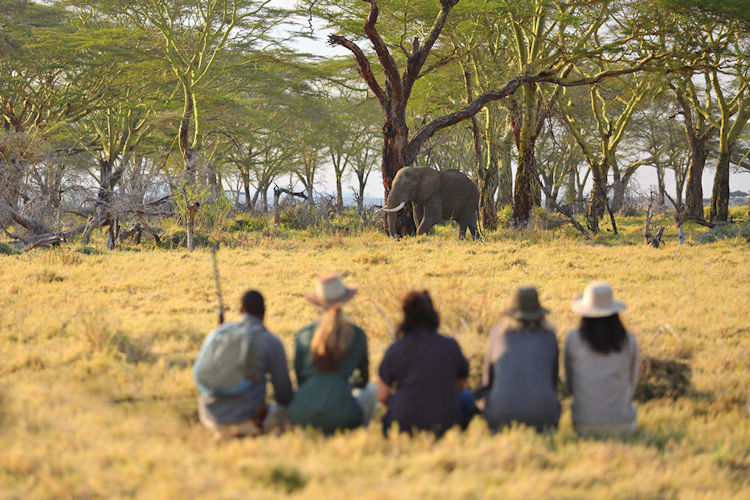
Walking with an armed guide and ranger transforms your perspective entirely. Instead of watching wildlife from a vehicle, you become part of the landscape—reading tracks, examining insects and plants, understanding the intricate connections that sustain this ecosystem.
Walking safaris aren't permitted everywhere within the national park, but specific camps and nearby conservation areas offer this experience. The Lamai Wedge in the northern Serengeti and various private concessions enable guided bush walks that reveal details invisible from a vehicle.
This activity suits active travellers and repeat safari-goers seeking a deeper, more tactile connection with the bush. The focus shifts from iconic animals to the complete ecosystem—dung beetles, medicinal plants, animal tracks, and the sensory experience of moving quietly through wild country.
Minimum age restrictions typically apply (usually 12–16 years depending on the operator), and guests receive thorough safety briefings before setting out. These walks aren't about approaching dangerous animals closely but about experiencing the bush on its own terms.
Hot-Air Balloon Safaris
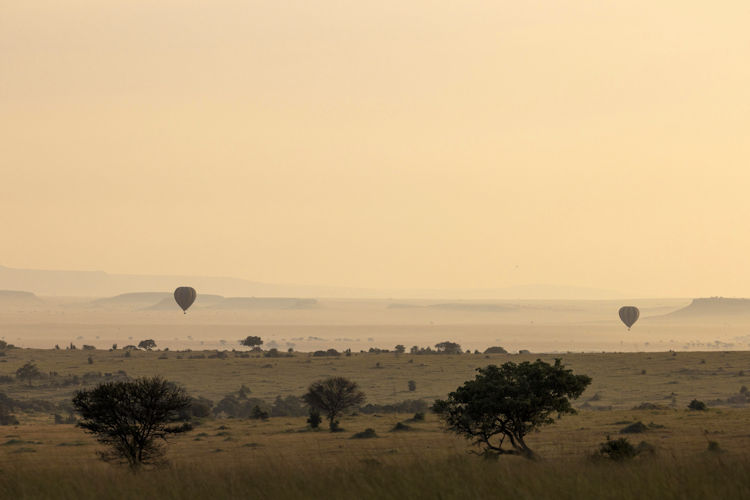
A hot air balloon safari begins in darkness. You'll transfer from your camp before dawn, arriving at the launch site as the balloon inflates against the lightening sky. Then, as the sun rises, you lift gently over the Serengeti plains for a 45–60 minute flight that reveals the landscape's scale in ways no ground-based experience can match.
This activity proves especially magical during the Great Migration. From altitude, you might see tens of thousands of wildebeest spreading across the plains—a living river of animals visible in its entirety only from the air. The flight typically concludes with a champagne bush breakfast in a scenic location, celebrating the experience.
Age limits and weight restrictions apply, and hot air balloon safaris carry a premium cost (typically $500–600 per person). Uyaphi.com pre-books slots well in advance, as balloon safaris sell out months ahead during peak season in popular areas like central and northern Serengeti.
This experience suits honeymooners, special celebrations, or anyone wanting a unique perspective on the African wilderness. Many guests describe it as a trip highlight.
Where to Stay: Best Camps and Lodges in the Serengeti
Uyaphi.com works with a handpicked portfolio of accommodation options across comfort levels—from luxury tented camps to high-end lodges—carefully selected for their positioning, guiding quality, and service standards. Location relative to the Migration and key habitats matters more than star ratings alone.
Three main accommodation types exist in the Serengeti. Permanent lodges feature solid structures with year-round facilities including restaurants, pools, and often spas. Luxury tented camps offer canvas-walled accommodations that blend safari authenticity with high comfort. Mobile Migration camps move seasonally, repositioning to follow the herds and placing you closest to the action.
Among our recommended options: Sayari Camp and Olakira Migration Camp in the northern Serengeti, Serengeti Pioneer Camp in the central region, Namiri Plains Camp in the east, and Singita Faru Faru Lodge plus Singita Explorer Tented Camp in the western Grumeti Reserve. Each offers distinct advantages depending on your priorities.
Most high-end properties operate on a fully inclusive basis covering meals, local drinks, and game activities. Uyaphi.com negotiates best-available rates with no booking surcharges, often securing better pricing than direct or DIY bookings due to our long-standing relationships with these properties since 1999.
Northern Serengeti: Sayari Camp & Olakira Migration Camp
Sayari Camp stands as a sophisticated, permanent tented camp positioned near the Mara River—ideal for guests seeking comfort, a pool, and easy access to river crossings from July to October. The camp occupies a quieter corner of the northern Serengeti, making it excellent for longer stays where you want depth rather than constant movement.
Frequent wildlife sightings include lions patrolling the riverine corridors, elephants moving through acacia woodlands, and resident plains game that ensures excellent game drives even outside Migration season. The camp’s elevated position offers views across the surrounding landscape.
Olakira Migration Camp takes a different approach as a mobile tented camp that shifts between the southern plains (December–March) and the north (June–October), always repositioning close to the herds. This mobile camp strategy means you’re never far from the Migration’s main concentrations.
Uyaphi.com often pairs Sayari Camp with Olakira Migration Camp for travellers whose top priority is staying as close as possible to Great Migration action while still enjoying high comfort. The combination delivers both permanent camp amenities and mobile camp flexibility.
Central Serengeti: Serengeti Pioneer Camp
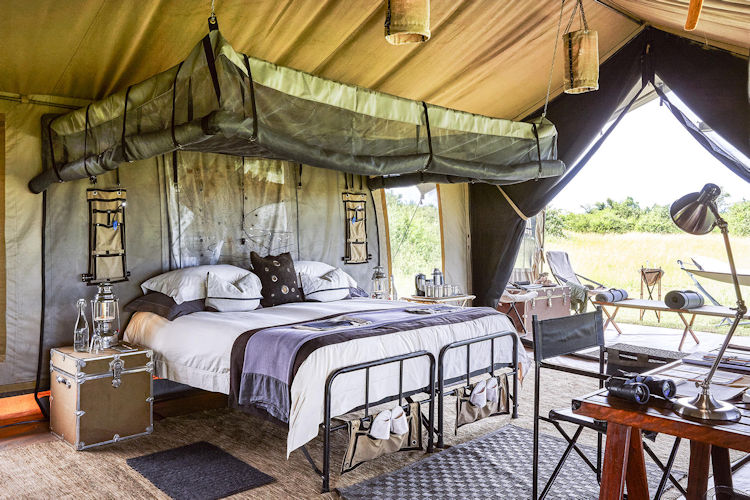
Serengeti Pioneer Camp occupies a ridge in central Serengeti, offering sweeping views over the vast plains and easy access to the wildlife-rich Seronera Valley. The camp’s classic safari atmosphere—canvas tents, campaign furniture, vintage aesthetic—evokes the era of early explorers while providing thoroughly modern comforts.
This tented camp appeals to guests who want character and authenticity without sacrificing convenience. The central location allows for flexible game drives north, south, or east depending on seasonal wildlife movements and daily guide reports.
For first-time visitors, Serengeti Pioneer Camp provides a reliable base where excellent sightings occur throughout the year. The camp also works well as a central “anchor” in multi-region itineraries designed by Uyaphi.com, providing consistent quality while you explore further afield.
Eastern Serengeti: Namiri Plains Camp
Namiri Plains Camp occupies a prime location in a former cheetah research zone in the eastern Serengeti, surrounded by open grasslands that create ideal big cat viewing conditions. The stylish tented camp has built a reputation for exceptional predator sightings—particularly cheetah hunts across the open terrain and lion activity on nearby kopjes.
For serious wildlife photographers and big cat enthusiasts, Namiri Plains delivers consistently. The remote location means fewer vehicles appear at sightings, creating a stronger sense of wilderness and exclusivity. Your guide can position and reposition without jockeying for space.
Uyaphi.com recommends Namiri Plains for stays of 3–4 nights, combined with central or southern regions to add this predator-focused chapter to your overall Serengeti experience. The contrast between dense Migration areas and intimate big cat encounters creates a satisfying rhythm across your trip.
Western Serengeti: Singita Faru Faru Lodge & Singita Explorer Tented Camp
Singita Faru Faru Lodge represents ultra-luxury safari at its finest—a riverside lodge in the private Grumeti Reserve featuring contemporary suites, private plunge pools, and views over a busy waterhole that attracts wildlife throughout the day. The lodge’s design seamlessly integrates with the landscape while providing every comfort imaginable.
Access to this private, well-protected concession means limited vehicle numbers, exceptional guiding, and strong chances of seeing Migration herds between May and July. The Grumeti River runs through the reserve, creating opportunities for river crossing sightings without the crowds of public areas.
Singita Explorer Tented Camp offers something different—a private-use, mobile-style camp set up exclusively for one group at a time within the Singita Grumeti Reserve. Families and friends seeking complete privacy book this option for dedicated guides, fully personalised daily schedules, and a safari experience entirely on their own terms.
Uyaphi.com recommends Singita Explorer for travellers who want the ultimate in flexibility and exclusivity, with gourmet meals served wherever suits your mood and activities shaped entirely around your interests.
Understanding Mobile vs Permanent Camps
The choice between mobile and permanent camps significantly shapes your Serengeti experience. Understanding the trade-offs helps you—and your Uyaphi specialist—select the right mix for your trip.
Permanent lodges and camps feature fixed year-round structures, typically built from a combination of canvas, wood, and stone. They offer robust facilities: swimming pools, fully equipped spas, extensive dining areas, and sometimes multiple restaurant options. Logistics are simpler, and consistency is guaranteed.
Mobile camps move seasonally, following the Migration to position you closest to the action. They typically feature 6–10 tents with en-suite bathrooms, comfortable beds, and high-quality furnishings—but without the infrastructure of permanent properties. The atmosphere feels more intimate, more connected to the landscape.
| Feature | Permanent Camps | Mobile Camps |
|---|---|---|
| Migration proximity | Variable by season | Follows the herds |
| Facilities | Pools, spas, multiple dining | Essential comforts |
| Atmosphere | Resort-like stability | Authentic bush immersion |
| Number of guests | 20-40+ guests | 12-20 guests |
| Ideal for | Families, those prioritising amenities | Adventure-seekers, Migration-focused |
Uyaphi.com often mixes one mobile camp (such as Olakira Migration Camp) with one permanent lodge (such as Serengeti Pioneer Camp) within a single itinerary. This approach gives guests both comfort and close-to-the-action experiences across their trip.
How Long to Spend in the Serengeti (and How It Fits into a Tanzania Itinerary)
For first-time visitors, we recommend a minimum of 4 full nights in the Serengeti. This duration accounts for travel delays, weather variability, and the value of relaxed days on safari, where you're not constantly packing and moving. The Serengeti's scale demands time—rushing through misses the point.
For travellers focused on the Great Migration or in-depth photography, 6–8 nights split between two regions (such as southern plus central, central plus north, or east plus west) provides optimal coverage. This longer duration allows you to experience different landscapes, follow guide recommendations to wildlife concentrations, and genuinely absorb the experience.
The Serengeti fits into a wider 9–14-day northern Tanzania circuit that might also include:
- Arusha (1 night, arrival and orientation)
- Tarangire National Park (2 nights, elephant herds and baobabs)
- Lake Manyara (1 night, tree-climbing lions and flamingos)
- Ngorongoro Crater (2 nights, enclosed ecosystem with black rhino)
- Zanzibar (3–4 nights, post-safari beach extension)
Uyaphi.com tailors pacing to match your travel style. Slower itineraries suit families with children and honeymooners who want relaxation time. More intensive, game-focused trips suit wildlife enthusiasts with limited time who want maximum sightings.
Suggested Sample Itineraries
7-Night Classic Serengeti & Ngorongoro
| Day | Location | Accommodation |
|---|---|---|
| 1 | Arrive Kilimanjaro, transfer Arusha | Arusha Coffee Lodge |
| 2-3 | Ngorongoro Crater | Ngorongoro Crater Lodge |
| 4-5 | Central Serengeti | Serengeti Pioneer Camp |
| 6-7 | Southern Serengeti/Ndutu | Olakira Migration Camp |
This itinerary offers the Ngorongoro Conservation Area's crater wildlife, the central Serengeti's year-round game, and seasonal positioning near the Migration. Expect full-day game drives, picnic lunch in the bush, and sundowner drinks overlooking the Serengeti plains.
10-Night Great Migration & Big Cats
| Day | Location | Accommodation |
|---|---|---|
| 1 | Arrive Kilimanjaro, transfer Arusha | Arusha Coffee Lodge |
| 2-5 | Northern Serengeti | Sayari Camp or Olakira Migration Camp |
| 6-8 | Eastern Serengeti | Namiri Plains Camp |
| 9-10 | Zanzibar | Beach lodge |
This itinerary prioritises Migration river crossings (August–October timing) combined with exceptional big cat viewing in the east, finished with Indian Ocean relaxation.
8-Night Grumeti Luxury Migration
| Day | Location | Accommodation |
|---|---|---|
| 1 | Arrive Kilimanjaro, transfer Arusha | Arusha Coffee Lodge |
| 2-4 | Western Serengeti | Singita Faru Faru Lodge |
| 5-8 | Western Serengeti (private) | Singita Explorer Tented Camp |
This ultra-luxury itinerary focuses entirely on the Grumeti Reserve, combining river crossings, walking safaris, and photographic drives with complete exclusivity and privacy.
These sample itineraries serve as starting points only. Uyaphi.com customises every detail—dates, lodge mix, flight routing—around each traveller's interests, budget, and travel dates.
Budget: What a Serengeti Safari Really Costs
Serengeti safaris range widely in price depending on season, lodge level, and whether you opt for shared or private services. Uyaphi.com focuses on creating the best-value trip within each client's budget rather than selling fixed packages—we believe great safaris exist at multiple price points.
Indicative Per-Person-Per-Night Ranges (USD, excluding international flights):
| Camp Category | Green Season | Shoulder Season | Peak Season |
|---|---|---|---|
| Mid-range | $400–600 | $500–800 | $700–1,000 |
| Luxury | $800–1,200 | $1,000–1,500 | $1,400–2,000 |
| Ultra-luxury | $1,500–2,500 | $2,000–3,000 | $2,500–4,000+ |
Major cost drivers include time of year (peak July–October and January–February versus shoulder and green seasons), camp category and exclusivity, use of private vehicles versus shared, inclusion of balloon safaris, park fees, and domestic flight routings.
Booking through Uyaphi.com carries no booking or credit card surcharges. Our long-standing relationships with lodges since 1999 often secure better rates than DIY booking, particularly during high-demand periods when allocation goes first to trusted partners.
How Uyaphi.com Tailors Serengeti Safaris to Your Budget
Your Uyaphi specialist begins with a conversation about priorities rather than a set menu. Do you prioritise Migration timing, lodge comfort, photography opportunities, or family-friendly facilities? Which aspects are essential, and where are you flexible?
We often balance high-end nights (perhaps Singita Faru Faru Lodge for a special occasion) with more moderately priced but still high-quality camps (such as Serengeti Pioneer Camp) to keep overall costs manageable while delivering memorable experiences throughout.
Uyaphi.com advises on optimal travel windows where rates drop sharply, but wildlife remains excellent. Early June, before European and American school holidays drive demand, often represents exceptional value. November offers another sweet spot after peak season ends but before short rains intensify.
Transparent, line-by-line quotations and 24-hour emergency support are standard. You'll see exactly what you're paying for, with no hidden costs or surprises. This approach gives guests confidence from initial planning through to returning home.
Practical Planning Tips: Health, Packing & Travel Logistics
Packing for a Serengeti safari requires balance: you need appropriate clothing for varying conditions while respecting strict luggage limits on bush flights.
Essential packing includes:
- Neutral-coloured clothing (khaki, olive, tan—avoid white and bright colours)
- Layering pieces for cool mornings and warm afternoons
- A wide-brimmed hat and quality sunglasses
- High-SPF sunscreen and insect repellent
- Binoculars (8x42 or 10x42 recommended)
- Camera with telephoto lens (200-400mm ideal)
- Comfortable walking shoes or boots
Health considerations matter. Consult a travel clinic 6–8 weeks before departure for recommended vaccinations (typically yellow fever, hepatitis A/B, typhoid) and malaria prophylaxis appropriate for Tanzania. Uyaphi.com works exclusively with lodges maintaining high hygiene standards, but basic precautions around drinking water and sun exposure apply.
Bush flights enforce strict rules: soft-sided bags only (no hard suitcases), weight limits typically 15–20 kg including camera gear. Keep medication, camera equipment, valuables, and printed copies of your itinerary and insurance in your carry-on bag.
Practical details include tipping (typically $10–20 per guest per day for guides and similar for camp staff, though this varies), payment methods (major camps accept cards, but bring USD cash for tips and small purchases), and Tanzania's plastic bag ban (bring reusable packing cubes rather than plastic bags).
Family, Honeymoon & Specialist Safaris
Families: Many camps welcome children, though minimum age policies vary from 4 to 12 years, depending on the property. Uyaphi.com recommends interconnecting tents or family suites, camps with pools for mid-day breaks, and slightly slower daily schedules that don't exhaust young travellers. Most safaris for families include private vehicles, allowing flexibility around attention spans and interests.
Honeymooners: Private dining options, romantic tented camps with outdoor showers and views, and personalised touches transform a safari into a celebration. Uyaphi.com arranges surprises—bush breakfasts, sundowner setups in scenic locations, flowers and champagne—creating memorable moments throughout your trip.
Specialist trips: Photography-focused safaris feature private vehicles with extended game drive durations and guides experienced in predicting behaviour for optimal positioning. Big cat enthusiasts base at Namiri Plains Camp for dedicated predator viewing. Migration-obsessed travellers follow Olakira Migration Camp between the south and the north, staying closest to the herds. Luxury-focused guests experience Singita Faru Faru Lodge and Singita Explorer Tented Camp for uncompromising service.
All these trip types are bespoke. Early communication with Uyaphi.com ensures the right camp selection and season matches your specific profile and priorities.
Responsible Travel and Conservation in the Serengeti
Serengeti National Park stands as a flagship conservation area, balancing tourism revenue with habitat and wildlife protection. Park fees contribute directly to anti-poaching efforts, ranger salaries, and community engagement programmes that give local populations a stake in wildlife conservation.
Low-impact behaviour matters. Stay on designated roads where required, maintain appropriate distances from animals (your guide will advise), keep noise to a minimum, dispose of litter properly, and follow park rules and guide instructions at all times. These practices ensure that both the Serengeti and wildlife encounters remain available for future generations.
Many partner camps—including Namiri Plains Camp, Sayari Camp, and the Singita properties—actively support local communities, fund research projects, and contribute to rewilding efforts in protected ecosystems. Singita's work in the Grumeti Reserve, for instance, has significantly reduced poaching and supported wildlife population recovery.
Uyaphi.com deliberately works with lodges that prioritise sustainable practices. If responsible travel matters to you—and we believe it should—ask your specialist to emphasise conservation-positive choices when selecting camps. Tourism done well supports both wildlife conservation and local communities.
Ready to Plan Your Serengeti Safari with Uyaphi.com?
The Serengeti offers what no other landscape on Earth can match: the Great Migration's drama, exceptional big cat populations, vast plains that humble and inspire, and year-round wildlife encounters that define what safari means. This is the African wilderness at its most magnificent.
The "best" Serengeti safari depends entirely on your timing, budget, and personal interests—not on a one-size-fits-all package. Some travellers prioritise river crossings, others seek calving season predator action, and still others want mobile camp intimacy following the herds. This is where Uyaphi.com's expertise since 1999 makes the difference: we design itineraries around you.
Share your ideal travel dates, preferred comfort level, and key priorities with a Uyaphi Africa safari specialist. We'll craft a tailor-made itinerary featuring carefully matched camps such as Sayari Camp, Singita Faru Faru Lodge, Singita Explorer Tented Camp, Olakira Migration Camp, Namiri Plains Camp, and Serengeti Pioneer Camp—each selected for how it serves your specific journey.
Contact Uyaphi.com today to start designing your ultimate Serengeti safari. Reach us via our enquiry form, email, or phone—we respond within 24 hours with personalised recommendations. No booking fees, no credit card surcharges, and full support before, during, and after your trip. Your Serengeti adventure awaits.
Travel To Tanzania Now
Map of Lodges in and around Tanzania
Lodges And Camps In Tanzania
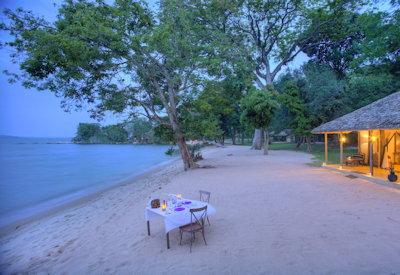
Rubondo Island Camp
Rubondo Island Camp is the only Lake Victoria accommodation establishment found in the Rubondo Island National Park, an island and forest that is a haven for wild chimpanzee, sitatunga antelope, elephant and giraffe. Rubondo Island Camp offers guests in exclusivity and privacy when on safari here at the edge of Lake Victoria.
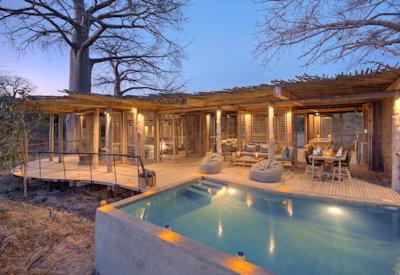
Jabali Private House
Jabali Private House is set overlooking dense forest that fringes the bordering Ikuka escarpment in the wildlife and birdlife-rich Ruaha National Park. This Ruaha Private House is the perfect accommodation option in Ruaha for a small group of family or friends that are seeking out a more private safari option.
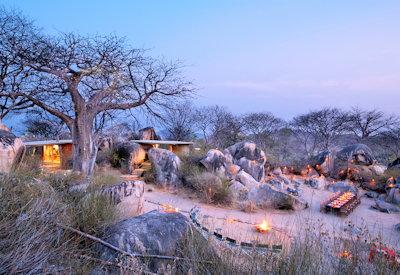
Jabali Ridge
Jabali Ridge in the Ruaha, with the most stunning of views is positioned on top of a rocky outcrop overlooking the Mwagusi River and Ikuka escarpment in the Ruaha. Jabali Ridge, a Ruaha luxury safari camp that offers guests a luxury stay combined with magnificent wildlife sightings and experiences all with this great Ruaha National Park.
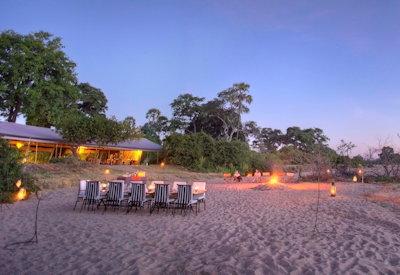
Kwihala Camp
Kwihala Camp is set deep in the untouched and wild heart of Tanzania's amazing Ruaha National Park; the camp offers guests an intimate and exclusive Ruaha safari experience with only six tented suites available. A Ruaha safari camp, Kwihala Camp, is set amongst towering baobabs and dense forests with wildlife surrounding on all sides, is truly spectacular.
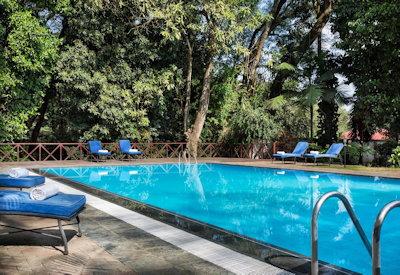
Four Points By Sheraton Arusha
The Arusha Hotel is set in beautifully landscaped gardens with all the amenities and luxury for the discerning traveler. The tropical gardens are home to many birds and exotic plants, an ideal setting for wedding receptions and outdoor functions. Located in the heart of downtown Arusha, close to bars and restaurants.
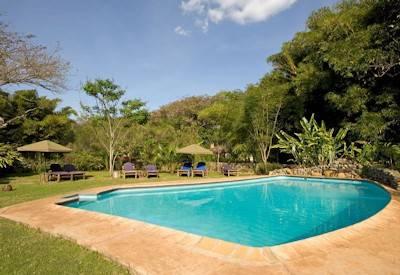
Moivaro Coffee Plantation Lodge
At Moivaro Coffee Plantation lodge, you are looked after in a unique, friendly and peaceful environment, helping you to prepare for your safaris and cosseting you on your return in the evening; a fantastic and classic Arusha boutique hotel. Located not far from the town of Arusha and the Kilimanjaro International Airport, an ideal base from which to explore the highlights of the region.
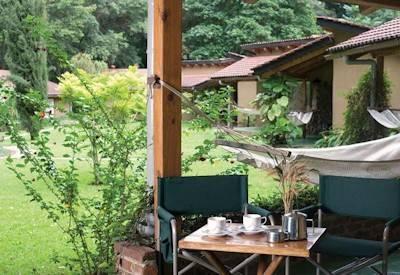
Dik Dik Hotel
Dik Dik Hotel in the small Tanzania town of Arusha is the ideal starting point for visitors eager to explore the splendours of the Tanzanian landscape with its rich flora and fauna, eight hectares of lush tropical gardens compliment the forested environment and attract prolific birds. A popular hotel and for good reason, with excellent accommodation, amenities, facilities and service levels one would be hard-pressed to find better in Arusha.
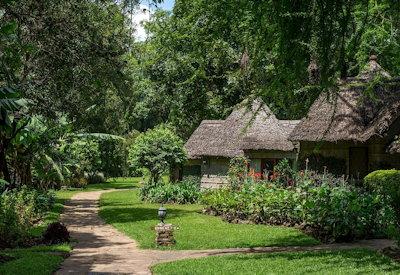
Arusha Serena Hotel
Nestled on the tranquil shores of Lake Duluti, surrounded by verdant coffee plantations and rolling hills, the Arusha Serena Hotel offers a spectacular setting. It is, without a doubt, the perfect haven to relax and unwind before or after an unforgettable Tanzanian or East African safari. Its prime location near Arusha, the gateway to Tanzania's magnificent national parks, makes it an exceptional choice for any discerning traveller.