
10 Reasons to Visit Zanzibar
10 Reasons Why Zanzibar Should Be Your Next Travel Destination
Introduction: Why Zanzibar Should Be Your Next Island Escape
Picture yourself stepping onto soft white sand still warm from the afternoon sun, the turquoise waters of the Indian Ocean stretching endlessly before you, while the scent of cloves and cinnamon drifts on a cool breeze from nearby spice farms. Behind you, the narrow alleyways of Stone Town echo with centuries of Swahili, Arab, and Persian history—carved wooden doors standing guard over secrets from the sultanate era. This is Zanzibar, an archipelago off the coast of Tanzania that has enchanted many travellers seeking the perfect ending to an East Africa adventure.
Zanzibar lies just a short flight from the legendary safari circuits of the Serengeti and Ngorongoro Crater, making it remarkably simple to combine wild bush experiences with barefoot luxury on pristine beaches. Since 1999, Uyaphi.com has been crafting tailor-made safari holidays that pair unforgettable wildlife encounters with restorative time on this island paradise—a bush-and-beach combination that transforms a good trip into an extraordinary one.
What makes Zanzibar Island worth the journey? From powder-soft beaches and world-class diving spots to the rich culture of Stone Town and encounters with rare red colobus monkey populations, the reasons are as varied as they are compelling. Here are 10 reasons to visit Zanzibar: its legendary beaches, living history, vibrant marine life, spice island flavours, romantic escapes, unique wildlife, adventure activities, diverse accommodation, easy access from the mainland, and year-round appeal that welcomes travellers in every season.
1. Powder-Soft Beaches and Turquoise Lagoons
The beaches of Zanzibar have graced countless travel magazine covers, and experiencing them firsthand reveals exactly why. This coast offers everything from lively social scenes to secluded stretches where your only company is the occasional hermit crab scuttling across the sand.
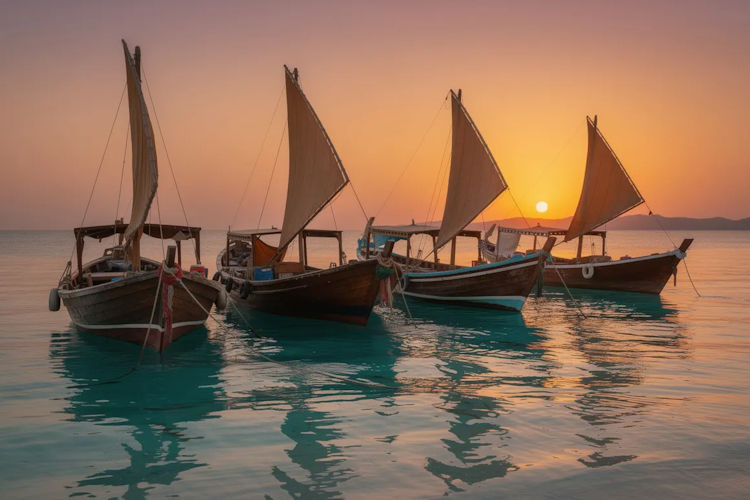
Nungwi beach and nearby Kendwa anchor the northern tip of the island, where wide tidal flats create calm waters ideal for swimming throughout the day. These beaches face west, which means legendary sunsets paint the sky in shades of amber and crimson as fishing dhows return with the day's catch. The atmosphere here tends toward the social—beach bars, water sports operators, and fellow travellers create an easy energy perfect for those who enjoy company alongside their relaxation.
Travel to the eastern shore, and the character shifts entirely. Pongwe Beach, Matemwe, and Michamvi offer intimate stretches of sand where boutique lodges maintain careful distance from one another, creating privacy that honeymooners and families seeking space particularly appreciate. The ocean here reveals a different personality—strong tides on the east coast expose shimmering lagoons at low water, transforming the landscape into an almost lunar seascape perfect for long, contemplative walks.
Further south, Paje Beach and Jambiani have earned devoted followings among active travellers. The shallow lagoons created by retreating tides become natural playgrounds, while consistent winds have transformed this stretch into one of Africa's premier kite surfing destinations. Watch the colourful kites dance against blue skies, or simply sink your feet into the soft white sand and let the hours dissolve.
Uyaphi.com matches each beach area to individual traveller preferences—whether that means the sociable energy of Kendwa, the honeymoon seclusion of Pongwe, or the active vibe of Paje. The right beach choice sets the tone for your entire Zanzibar experience.
2. Stone Town's Living History and Swahili Soul
Step through the weathered gates of Stone Town, and you enter a UNESCO World Heritage Site unlike any other in Africa. Here, Omani and Persian slave traders, Indian merchants, Europeans, and African Swahili culture have layered their influences over centuries, creating a living museum where history unfolds around every corner. The narrow streets—barely wide enough for two people to pass—wind between ancient coral-stone buildings in patterns that seem deliberately designed to encourage wandering.
The Old Fort, built by Omani Arabs in the 17th century to defend against Portuguese incursions, now hosts cultural events and craft vendors within its imposing walls. Nearby stands the House of Wonders (Beit el-Ajaib), a former palace that represented the yesteryear's sultan's statehood presence with its grand ceremonial halls and the distinction of being the first building in East Africa with electricity. The Old Dispensary, with its ornate Indian-influenced facade, and the sobering former slave market site at the Anglican Cathedral speak to different chapters of the island's story—some triumphant, others deeply troubling. These historical events have shaped the Zanzibari culture visitors encounter today.
Beyond the landmarks, Stone Town rewards aimless exploration. The narrow alleys reveal carved Zanzibari doors—each with unique designs that once indicated the owner's origin, religion, and social status. Climb to a rooftop café as the sun drops toward the ocean, sip spiced coffee, and watch the town transform in the golden light. At street level, Darajani Market buzzes with vendors selling fresh spices, tropical fruits, and the ingredients that fuel local kitchens. The spice markets here offer an aromatic preview of what awaits on a proper spice tour into the countryside.
Many Uyaphi.com itineraries include a guided half-day or full-day Stone Town experience before guests transfer to their beach accommodation. This sequencing works beautifully—absorbing the rich history and cultural experiences of the old town creates meaningful context for the relaxed beach days that follow.
3. World-Class Snorkelling and Diving
The waters surrounding Zanzibar hold some of the Indian Ocean's most spectacular underwater environments, from beginner-friendly shallows to advanced sites that challenge experienced divers. Whether you're dipping your mask beneath the surface for the first time or logging your hundredth dive, these coral reefs deliver.
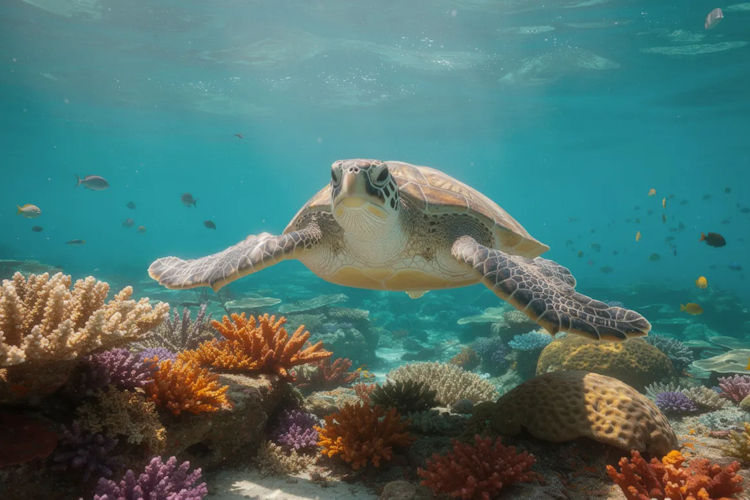
Mnemba Atoll rises from the seafloor off the northeast coast, a marine reserve that consistently ranks among East Africa's finest snorkelling and diving destinations. The atoll's protected waters host vibrant coral gardens in exceptional condition, schools of reef fish in every imaginable colour, and regular appearances by green turtles gliding through the blue. Visibility often exceeds 20 metres, allowing snorkellers floating at the surface to observe the underwater theatre playing out below. For divers, gentle currents and diverse marine life make Mnemba an accessible yet rewarding destination regardless of certification level.
Conservation-minded travellers gravitate toward Chumbe Island Coral Park, a protected private reserve where some of the healthiest shallow reefs in the region thrive under careful management. The marine reserves here support an extraordinary concentration of coral species and the diverse marine life they shelter. Snorkelling at Chumbe feels like swimming through a documentary—the reef's protected status shows in every pristine coral formation.
For experienced divers seeking more challenging encounters, sites around Tumbatu Island and Leven Bank deliver. Drift dives along underwater walls, potential pelagic encounters, and the sheer scale of these sites reward those with advanced certifications and a taste for adventure. The diving spots around Zanzibar offer progression—start gently at Mnemba, then work toward the more demanding sites as your confidence grows.
Uyaphi.com arranges PADI dive packages, private boat charters, and snorkelling excursions as seamless additions to beach stays. Whether you want a single morning exploring sea turtles and coral or a week of dedicated underwater exploration, the logistics can be handled before you arrive.
4. Spice Island Flavours and Coastal Cuisine
Long before tourism arrived, Zanzibar earned global recognition as the spice island—a reputation built on clove plantations that have scented these shores since the 19th century. Today, visitors can trace this aromatic heritage through hands-on spice farm experiences that engage every sense.
A proper spice tour ventures into the island's interior, where organic farms near Kizimbani and Kidichi cultivate the crops that defined Zanzibar's place in world trade. Walk among clove trees, their dried flower buds destined for kitchens worldwide. Handle nutmeg still wrapped in its lacy mace covering. Crush cinnamon bark between your fingers, releasing the familiar scent in concentrated form. Fresh spices appear throughout the tour—cardamom, vanilla, black pepper, turmeric, lemongrass—each with stories about traditional uses in cooking, medicine, and ceremony. Guides often demonstrate how local farmers climb towering coconut palms and prepare tropical fruits for tasting on the spot.
The spice plantations established centuries ago continue to influence Zanzibari cooking, where fragrant curries and aromatic rice dishes reflect the island's position at the crossroads of African, Arab, Indian, and Persian culinary traditions. Seek out coconut fish curry simmered slowly with turmeric and coriander, octopus in tamarind sauce with its perfect balance of sweet and sour, or pilau rice fragrant with cardamom and cinnamon. Urojo, the beloved Zanzibari mix, layers bhajias, mango, and chutney in a messy, delicious pile that defies neat eating.
No exploration of island cuisine is complete without an evening at Forodhani Gardens Night Market in Stone Town. As darkness falls, vendors fire up their grills along the waterfront, and the air fills with smoke and spice. Order zanzibar pizza—a thin dough stuffed with egg, minced meat, vegetables, and cheese, folded and griddled until crisp. Add grilled seafood skewers, fresh sugarcane juice, and spiced tea, and you have the makings of a memorable dinner under the stars. The market represents Zanzibar's culinary soul in concentrated form—fresh seafood, bold spices, and the communal joy of eating together outdoors.
Uyaphi.com includes guided spice tours as part of many Zanzibar itineraries, often combined with Stone Town exploration for a full day of cultural immersion before beach time begins.
5. Romantic Escapes and Honeymoon Hideaways
Few destinations combine post-safari recovery with romantic atmosphere quite like Zanzibar. After days of early morning game drives and dusty bush roads, the island offers couples a chance to reconnect at a pace measured by tides rather than schedules—a transition from adventure to intimacy that many travellers find perfectly balanced.
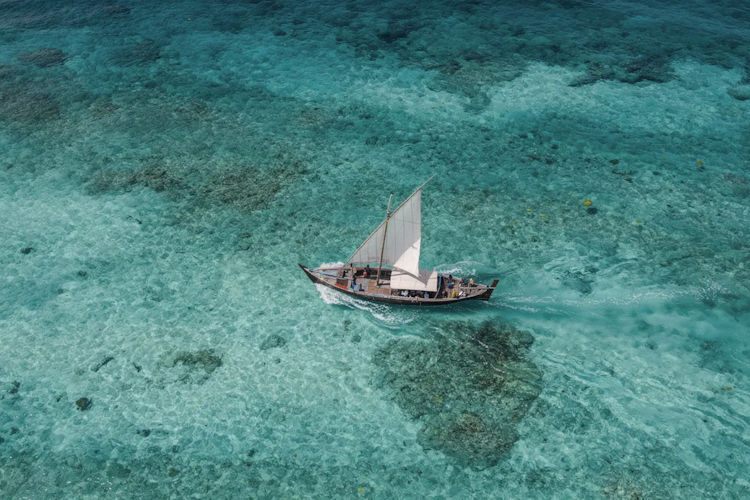
The Safari Blue excursion epitomises Zanzibar romance. A traditional dhow carries you to shifting sandbanks that appear only at low tide, where crews set up private picnic lunches surrounded by nothing but ocean and sky. Champagne is optional, but highly recommended. As the afternoon arrives, sunset dhow cruises from Nungwi or Michamvi offer front-row seats for the daily spectacle—the sky igniting in layers of gold and crimson as the wooden vessel rocks gently on calm waters. Back on shore, many lodges arrange candlelit dinners directly on the beach, tables dressed in white linen positioned where the waves whisper just metres away.
Accommodation choices amplify the romance. Ocean-view villas with private plunge pools allow couples to transition from bed to water without encountering another soul. Open-air showers beneath palm fronds, four-poster beds draped in billowing mosquito netting, and private decks facing the sunrise create spaces designed for togetherness. Several properties along the East Coast cater specifically to couples, maintaining adults-only policies that guarantee tranquillity.
Uyaphi.com specialises in crafting bespoke honeymoon itineraries that weave together Serengeti game drives with four to seven nights in Zanzibar. The team understands that honeymoon travel requires attention to detail beyond standard trip planning—room categories, special occasion arrangements, and the balance between activity and relaxation all factor into the design. For couples marking anniversaries or simply seeking reconnection, the same expertise applies.
6. Unique Wildlife, Forests, and Island Excursions
Beyond the beaches and historic streets, Zanzibar harbours natural encounters found nowhere else on earth. The island's wildlife experiences complement rather than compete with mainland safari adventures, offering intimate forest walks and marine encounters in accessible settings.
At the heart of the island lies Jozani Chwaka Bay National Park, the only remaining habitat of the endemic Kirk's red colobus monkey. These striking primates—with their distinctive white whiskers and reddish coats—have adapted to forest life with unusual characteristics that distinguish them from mainland relatives. Walk the park's well-maintained trails as troops move through the canopy overhead, their calls echoing through the ancient trees. The forest boardwalk extends into mangrove ecosystems where the transition between freshwater and marine environments creates unique ecological conditions. Explore the Jozani forest with a knowledgeable guide who can point out bush babies, Sykes' monkeys, and the diverse birdlife inhabiting this protected zone. The Jozani Forest Reserve represents Zanzibar's commitment to preserving its natural heritage alongside its cultural legacy.
Prison Island (Changuu) offers a completely different wildlife experience just a short boat ride from Stone Town. The island's resident Aldabra giant tortoises, originally brought from the Seychelles in the early 20th century, now number among the world's largest and longest-living—some individuals weigh up to 200 kilograms and have exceeded 196 years of age. Walking among these gentle giants provides perspective on time scales that dwarf human lifespans. Families particularly enjoy this day trip, as children can safely approach and feed the tortoises under supervision.
The waters off Kizimkazi on the south coast host resident dolphin populations that can sometimes be observed on morning boat excursions. Responsible operators prioritise observation over interaction, maintaining distance from pods and avoiding the chasing behaviours that stress marine mammals. For those seeking a full-day adventure, the Safari Blue trip combines sandbank visits, snorkelling stops, and a seafood lunch prepared fresh on the beach—a highlight that appears on many visitors' lists of favourite Zanzibar memories.
Village visits in Jambiani or Nungwi add cultural dimensions to nature excursions, revealing traditional fishing practices, seaweed farming, and daily rhythms that have changed little over generations. These experiences suit both families seeking educational content and couples interested in authentic connections beyond resort boundaries.
7. Activities for Adventure-Seekers and Active Travellers
Zanzibar rewards those who bring energy to their beach holiday. While relaxation comes easily here, the island's natural conditions create opportunities for active pursuits that range from world-class to genuinely unique.
Paje Beach and Jambiani have earned international reputations as premier kite surfing destinations. The combination of consistent trade winds, shallow warm-water lagoons, and minimal obstacles creates ideal learning conditions for beginners while offering enough variety to challenge experts. Peak seasons run from June to September and December to February, when winds blow most reliably. Schools operating along this stretch offer equipment hire, certified instruction, and progression programs that can take complete beginners to independent riding within a week. Even for non-participants, watching dozens of colourful kites arc across the sky makes for compelling beach entertainment.
Beyond kite surfing, the island's waterways invite exploration by paddle. Stand-up paddleboarding through mangrove channels reveals ecosystems invisible from shore—the quiet approach allows close encounters with wading birds and the chance to observe the intricate root systems that protect coastlines from erosion. Kayaking along the quieter lagoons of the east coast suits those seeking gentle exercise with scenic reward. For land-based activity, cycling through coastal villages connects beach areas while passing through landscapes where daily life continues largely unchanged by tourism.
Serious anglers should note that deep-sea fishing operations run out of Nungwi, with seasonal highlights that attract dedicated sportfishing enthusiasts. Between November and March, billfish—including marlin and sailfish—move through these waters alongside yellowfin tuna and other pelagic species. Full-day charters venture into the ocean channels where the continental shelf drops away, and big fish congregate.
Most activities can be organised as half-day or full-day experiences, allowing flexibility within broader itineraries. Uyaphi.com pre-books lessons, equipment hire, and guided excursions as part of personalised trip planning, ensuring that active elements integrate smoothly with beach relaxation and cultural exploration.
8. Stays for Every Style: From Boutique Lodges to Private Islands
Zanzibar's accommodation landscape spans an impressive range, from atmospheric Stone Town properties steeped in history to ultra-private island hideaways where guest numbers rarely exceed a dozen. Understanding these options allows travellers to select stays that genuinely match their preferences rather than defaulting to generic beach resorts.
Within Stone Town, restored merchants' houses and former palaces have become intimate boutique hotels with character no new-build can replicate. These 10–20 room properties feature rooftop terraces where guests take breakfast overlooking the narrow streets below, interior courtyards that provide cool retreats from midday heat, and architectural details that connect directly to the town's trading heritage. Staying in Stone Town means stepping outside to explore on foot—morning walks to market, afternoon wandering through narrow alleyways, and evening meals in restaurants that were once sultanate-era mansions.
The island's beach areas offer different accommodation philosophies. Larger resorts along the north and east coasts provide full-service experiences with multiple restaurants, swimming pools, kids' clubs, and organised activity programs—formats that suit families and those who prefer comprehensive amenities within easy reach. These properties often occupy generous beachfront positions with manicured grounds that buffer guests from the world beyond.
At the other extreme, intimate island hideaways off the main coast operate on different principles entirely. Small islets reached only by boat limit guest numbers and prioritise marine conservation alongside hospitality. Accommodation on these private islands feels genuinely remote—no road traffic, no competing properties, just ocean in every direction and staff dedicated to creating extraordinary experiences within minimal environmental footprints. These ultra-exclusive options command premium rates but deliver privacy and natural beauty impossible to replicate in busier settings.
Uyaphi.com works with a curated portfolio of Zanzibar properties carefully matched to traveller types. Honeymooners might find their ideal stay in an intimate East Coast lodge with private villa categories. Multi-generational families often gravitate toward larger resorts with dedicated children's programming. Solo travellers and those seeking cultural immersion might prefer Stone Town bases that put exploration on the doorstep. The team's familiarity with each property's character allows recommendations that go beyond star ratings to address the qualities that actually matter during a stay.

9. Easy Bush-and-Beach Combinations and Simple Access
The logistics of reaching Zanzibar prove far simpler than many travellers expect, particularly for those already planning Tanzania safari experiences. The archipelago connects seamlessly to mainland game reserves through efficient domestic flight networks.
Short daily flights link Zanzibar's Abeid Amani Karume International Airport to key safari hubs. Travellers finishing game drives in the Serengeti can board morning flights through Arusha and reach Zanzibar's coast by early afternoon—a single travel day that transitions from bush to beach with minimal hassle. Direct connections also operate from Dar es Salaam, Tanzania's commercial capital, for those arriving internationally through that gateway.
Typical itineraries that Uyaphi.com arranges follow well-tested patterns: six to eight nights on safari exploring the Serengeti ecosystem and Ngorongoro Crater, followed by four to six nights recovering on Zanzibar's coast. This rhythm allows proper immersion in both environments without rushing either. Safari days begin before dawn and involve significant physical and sensory engagement; beach days that follow provide genuine restoration rather than mere transition.
Many nationalities can obtain Tanzanian visas on arrival at Kilimanjaro or Dar es Salaam airports, then connect domestically to Zanzibar without additional immigration procedures—the entire country operates under a single visa system. This simplifies what might otherwise require separate entry permissions.
Uyaphi.com handles all internal flights, ground transfers, and meet-and-greet services as integrated elements of comprehensive trip planning. Guests receive detailed documentation specifying pickup times, flight details, and contact information, eliminating the need to manage logistics independently during travel. The company's 24-hour emergency support adds additional security for those navigating unfamiliar territory.
A concrete example illustrates the ease: leaving Seronera in the central Serengeti after breakfast, flying to Arusha for a connection, and touching down in Zanzibar in time for a late lunch at your beach lodge. By sunset, the dust of the savanna has been replaced by salt air and the sound of waves.
10. Year-Round Sunshine, Soulful Sunsets, and Genuine Hospitality
Zanzibar offers more than just a destination—it delivers an atmosphere that many travellers find transformative after intensive safari experiences. The island operates on different rhythms, and surrendering to them becomes part of the experience.
Climate conditions favour beach activities throughout most of the year. The best periods for consistent sunshine and calm seas run from June through October and December through February, when rainfall is minimal, and ocean conditions are ideal for swimming and diving. Short rains in November and longer rains in April and May bring dramatic afternoon showers that typically clear within hours, leaving the air fresh and the landscape vividly green. Even during wetter periods, many travellers find the reduced crowds and lower rates worthwhile trade-offs.
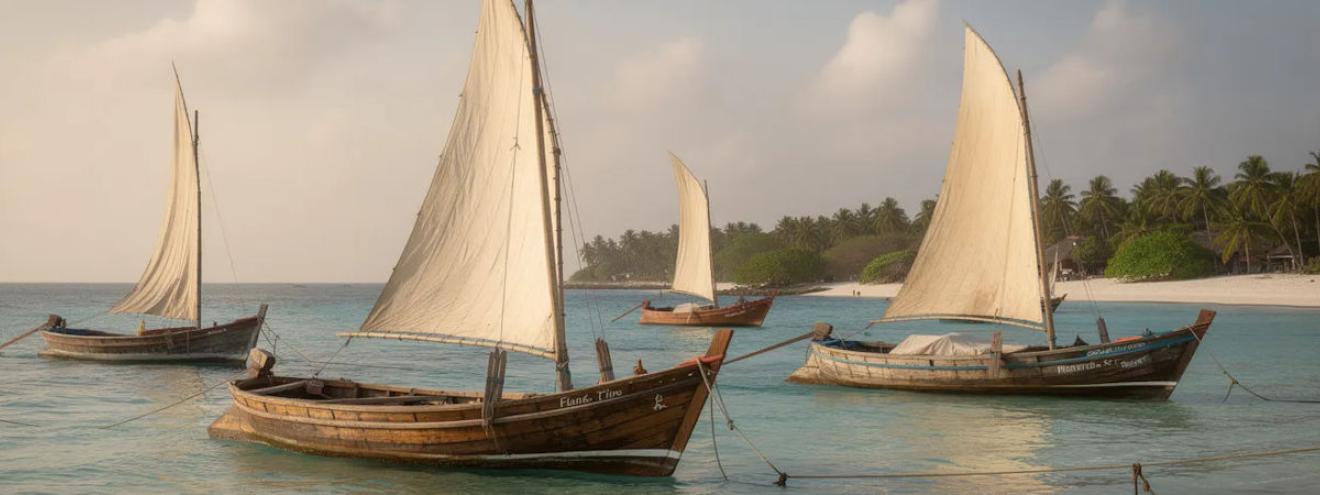
As each day closes, the western beaches stage performances that feel almost theatrical. Traditional wooden dhows sail off Nungwi and Kendwa, their triangular sails silhouetted against skies that cycle through gold, coral, and deepening purple. The Indian Ocean catches and reflects these colours in ways that no photograph quite captures—you simply have to be present, feet in the sand, perhaps holding something cold and refreshing, as the world slows down around you. Low light pollution across much of the island means that after the sunset fades, stargazing takes over for those willing to look up.
Beyond the natural beauty lies a human warmth that defines the Zanzibar experience. The Swahili concept of "pole pole"—slowly, slowly—permeates island life, encouraging visitors to release urgency and match local tempo. Family-run guesthouses and beach bars embody this hospitality, with staff who remember your name and preferences without consulting computer systems. Conversations stretch longer than efficiency demands. Meals arrive when ready rather than rushed. This genuine welcome, distinct from the professional service that luxury properties train their staff in, represents something increasingly rare in global tourism.
For travellers arriving from intensive Tanzanian safari schedules—early wake-up calls, long game drives, the heightened alertness that wildlife viewing demands—Zanzibar's gentle pace offers a profound contrast. The island becomes not just an addition to the trip but a necessary counterweight, allowing experiences to settle and integrate before the journey home.
Uyaphi.com has been helping travellers experience this perfect mix of wild bush and peaceful beach since 1999, understanding that the combination creates something greater than either element alone.
Planning Your Zanzibar Holiday with Uyaphi.com
These 10 reasons to visit Zanzibar only hint at what awaits—the real discovery happens when you step onto the island yourself, when abstract descriptions become personal experience. The perfect beaches, the rich history of Stone Town, the vibrant marine life beneath the surface, the natural beauty of forest and coast, the fresh seafood and fresh spices, the romance and adventure and the simple pleasure of doing very little at all—these elements combine into journeys that travellers remember for decades.
Uyaphi.com transforms this inspiration into reality through tailor-made bush-and-beach itineraries designed around individual preferences. A typical 10–14 day journey might combine the Serengeti's great migrations and Ngorongoro Crater's wildlife concentrations with five nights on Zanzibar's coast—but the specific rhythm, accommodation choices, and included experiences adapt to each traveller's style and priorities.
The company's approach emphasises expertise without hidden costs: no booking or credit card surcharges, unbeatable prices on a portfolio of over 1,000 African travel options, and 24-hour emergency support that provides peace of mind throughout your journey. Since 1999, the team has been refining the art of African travel, learning which combinations work best and which properties genuinely deliver on their promises.
Your Zanzibar chapter begins with a conversation. Contact the African travel experts at Uyaphi.com via the enquiry form, email, or phone to discuss your travel dates, budget, and preferences. Whether you're envisioning honeymoon sunsets, family adventures among giant tortoises, or simply a restorative week on the world's most beautiful beaches, the team will craft a proposal that turns possibility into plan.
Travel To Tanzania Now
Map of Lodges in and around Tanzania
Lodges And Camps In Tanzania
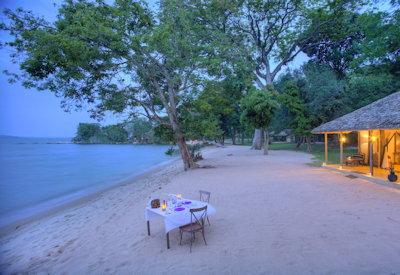
Rubondo Island Camp
Rubondo Island Camp is the only Lake Victoria accommodation establishment found in the Rubondo Island National Park, an island and forest that is a haven for wild chimpanzee, sitatunga antelope, elephant and giraffe. Rubondo Island Camp offers guests in exclusivity and privacy when on safari here at the edge of Lake Victoria.

Jabali Private House
Jabali Private House is set overlooking dense forest that fringes the bordering Ikuka escarpment in the wildlife and birdlife-rich Ruaha National Park. This Ruaha Private House is the perfect accommodation option in Ruaha for a small group of family or friends that are seeking out a more private safari option.
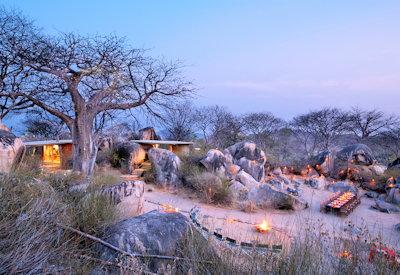
Jabali Ridge
Jabali Ridge in the Ruaha, with the most stunning of views is positioned on top of a rocky outcrop overlooking the Mwagusi River and Ikuka escarpment in the Ruaha. Jabali Ridge, a Ruaha luxury safari camp that offers guests a luxury stay combined with magnificent wildlife sightings and experiences all with this great Ruaha National Park.
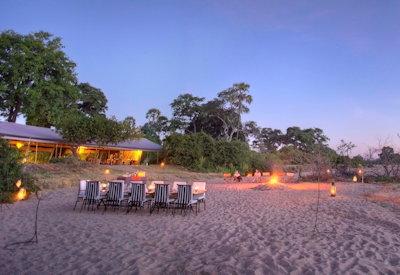
Kwihala Camp
Kwihala Camp is set deep in the untouched and wild heart of Tanzania's amazing Ruaha National Park; the camp offers guests an intimate and exclusive Ruaha safari experience with only six tented suites available. A Ruaha safari camp, Kwihala Camp, is set amongst towering baobabs and dense forests with wildlife surrounding on all sides, is truly spectacular.
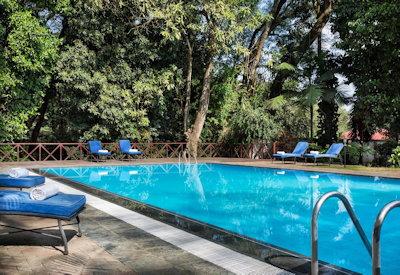
Four Points By Sheraton Arusha
The Arusha Hotel is set in beautifully landscaped gardens with all the amenities and luxury for the discerning traveler. The tropical gardens are home to many birds and exotic plants, an ideal setting for wedding receptions and outdoor functions. Located in the heart of downtown Arusha, close to bars and restaurants.
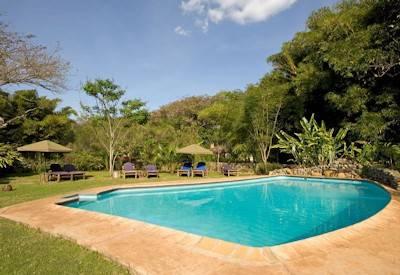
Moivaro Coffee Plantation Lodge
At Moivaro Coffee Plantation lodge, you are looked after in a unique, friendly and peaceful environment, helping you to prepare for your safaris and cosseting you on your return in the evening; a fantastic and classic Arusha boutique hotel. Located not far from the town of Arusha and the Kilimanjaro International Airport, an ideal base from which to explore the highlights of the region.
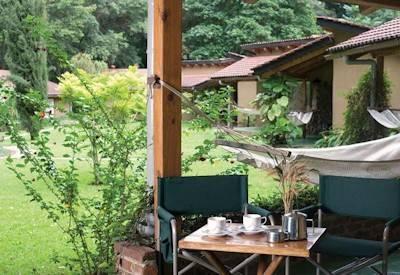
Dik Dik Hotel
Dik Dik Hotel in the small Tanzania town of Arusha is the ideal starting point for visitors eager to explore the splendours of the Tanzanian landscape with its rich flora and fauna, eight hectares of lush tropical gardens compliment the forested environment and attract prolific birds. A popular hotel and for good reason, with excellent accommodation, amenities, facilities and service levels one would be hard-pressed to find better in Arusha.
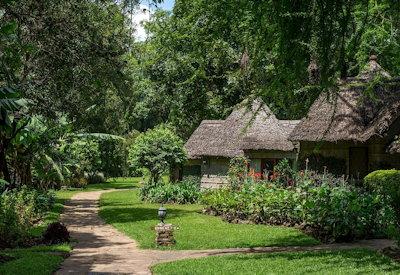
Arusha Serena Hotel
Nestled on the tranquil shores of Lake Duluti, surrounded by verdant coffee plantations and rolling hills, the Arusha Serena Hotel offers a spectacular setting. It is, without a doubt, the perfect haven to relax and unwind before or after an unforgettable Tanzanian or East African safari. Its prime location near Arusha, the gateway to Tanzania's magnificent national parks, makes it an exceptional choice for any discerning traveller.