
Best Kruger National Park Safari Itinerary
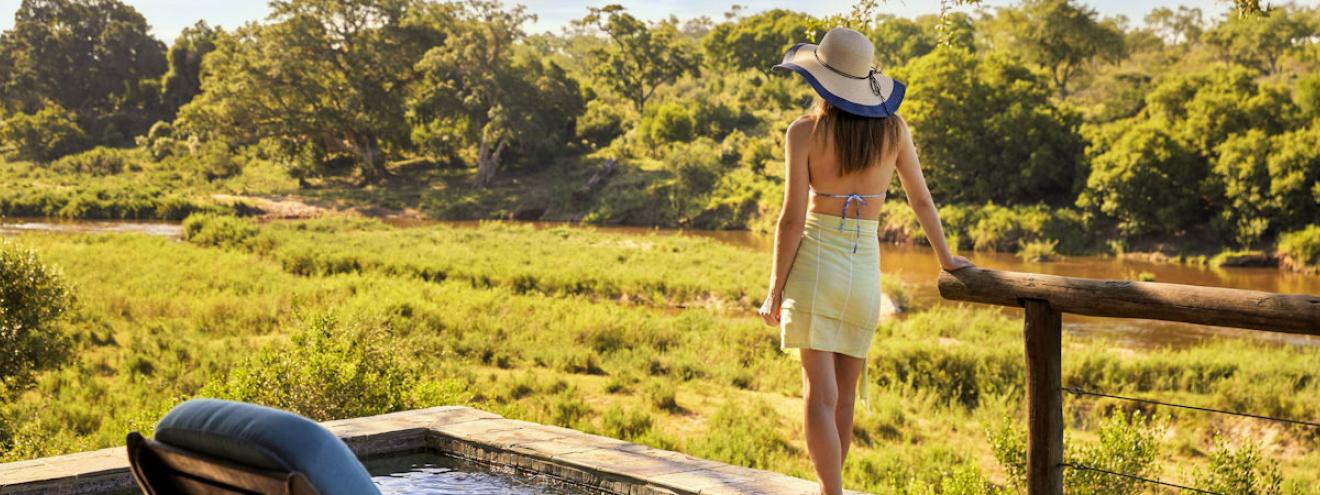
Best Kruger National Park Safari Itinerary (5, 7 & 9 Days)
Planning your first safari in Kruger National Park can feel overwhelming. With nearly 20,000 square kilometres of wild African bush, 147 mammal species, and endless route combinations, where do you even start?
I've broken down three proven itineraries that balance private reserve luxury with Kruger's legendary self-drive safari freedom and professional transfer options (road or air). Whether you're squeezing in a quick 5-day adventure or embarking on the ultimate 9-day exploration, these day-by-day plans will help you spot lions, leopards, elephants, buffalo, and rhinos without the guesswork.
Let's get into it.
Quick Answer: Best Kruger Itinerary At a Glance
If you're short on time and just need the essentials, here's exactly how to structure your trip to South Africa's premier wildlife destination.
- 5-Day Essential: 2 nights in a private game reserve near Kruger (such as Sabi Sands) + 2 nights inside Kruger National Park (Lion Sands Narina Lodge or Rhino Post Safari Lodge). This gives you guided game drives with expert trackers, plus self-drive freedom.
- 7-Day Explorer: 3 nights in a private reserve + 3 nights inside Kruger + 1 night in Johannesburg for buffer time. Add a Panorama Route stop between the reserve and the park for dramatic canyon views.
- 9-Day Ultimate: 3 nights in a private reserve + 4 nights across multiple Kruger rest camps + 2 nights in Johannesburg/Panorama Route. This allows you to experience different ecosystems and maximise "Big Five" encounters.
- Daily rhythm to expect: Early game drives depart around 5:30–6:00 AM when animals are most active. Afternoon drives depart around 16:00–16:30, returning after sunset for a night drive.
- Keep scrolling for the complete day-by-day breakdown, booking tips, and practical advice for first-time safari goers.
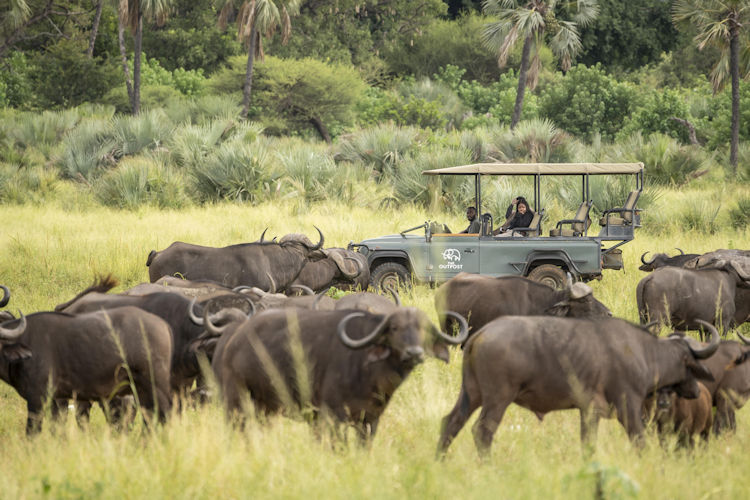
How Many Days Do You Really Need in Kruger?
Kruger National Park spans 19,485 square kilometres—roughly the size of Wales or New Jersey. Driving from the southern gates to the northern camps takes an entire day, and that's without stopping for wildlife. Your trip length directly impacts how much of this incredible park you can actually experience.
- 3 days: Ultra-short and best suited for travellers adding a quick safari to a broader South Africa safari. Focus entirely on a private reserve like Sabi Sands for concentrated "Big Five" action with expert guides. You'll miss the self-drive adventure, but maximise your limited hours.
- 5 days: The ideal minimum for first-time safari goers wanting the complete safari experience. This gives you enough time for 2-3 nights in a private lodge plus 2 nights inside Kruger, experiencing guided expertise and incredible wildlife.
- 7-9 days: Best for combining Kruger with the Panorama Route, Victoria Falls extensions, or even Cape Town. This length lets you stay at 2-3 different camps, covering varied habitats from riverine bush to open savanna plains.
- If staying 7+ days, plan for at least 2-3 different bases. Moving from Sabi Sands to Timbavati lodges within the Park exposes you to different terrain and different animal concentrations.
- Changing camps adds travel time (typically 1-3 hours, depending on mode of transfer), but dramatically increases habitat variety.
When to Visit: Choosing the Best Month for Your Safari
The biggest trade-off when planning your trip comes down to timing: dry season offers superior wildlife sightings while green season brings dramatic landscapes, baby animals, and significantly lower prices.
- Dry season (May–September): Cooler mornings make early drives comfortable, vegetation thins out, making spotting wildlife easier, and wild animals congregate around shrinking waterholes. Late August through early September is particularly excellent for first-time safari goers—you'll see so many animals without the thick bush blocking views. Expect morning temperatures around 5°C, warming to 20-25°C midday.
- Shoulder months (April & October): A solid compromise offering fewer crowds, reasonable prices, and decent sighting conditions. April still has some greenery from the rainy season, while October heats up but retains good visibility before the rains return.
- Rainy season (November–March): Dramatic afternoon thunderstorms, lush green vegetation, and incredible bird diversity, including migrant species. However, thick bush makes big cats harder to spot, and some gravel roads become challenging. This is low season for a reason, but photographers love the moody skies and newborn animals.
- Best specific months for first-timers: May, June, late August, and early September. These combine comfortable weather, thin vegetation, and concentrated wildlife at water sources without extreme cold or overcrowding.
Where to Stay: Inside Kruger vs Private Reserves
The fundamental choice for your Kruger trip comes down to camps and lodges inside the national park versus private reserves on the western boundary like Sabi Sand, Timbavati, Thornybush and Klaserie. Most successful itineraries combine both for the complete safari experience.
Private concessions within The Park (Inside Kruger)
- Exclusive Game Viewing: Private concessions such as Singita Lebombo, Jock Safari Lodge, and The Outpost Lodge offer exclusive game viewing experiences. Guests have access to private game drives with fewer vehicles, allowing for more intimate wildlife encounters and the ability to go off-road for closer views.
- Luxury Accommodation and Amenities: These lodges are known for their luxury accommodations, providing guests with opulent rooms or tents, often with private plunge pools and breathtaking views. High-end amenities include spa services, gourmet dining experiences featuring African cuisine, and exceptional service.
- Tailored Safari Experiences: Each lodge offers tailored safari experiences that cater to individual preferences. Activities can range from guided bush walks, night drives to see nocturnal animals, photographic safaris led by professional photographers, to cultural visits to nearby communities. This personalised approach ensures a unique and unforgettable safari adventure.
Private Reserves (Adjacent to Kruger):
- Fully inclusive lodges like Elephant Plains and Umkumbe Safari Lodge in the Sabi Sands, or properties in Timbavati, offer a completely different experience. Expect twice-daily guided game drives, gourmet bush meals, and expert ranger-tracker teams.
- Private reserves boast 95% leopard sighting rates versus Kruger's 30-50% because vehicles can go off-road and rangers share intelligence via radio. Unfenced boundaries along rivers allow seamless animal migration, concentrating wildlife in these areas.
- Prices range from $800-1,500 per person per night, all-inclusive, but this covers drives, meals, drinks, and often bush walks—no hidden costs.
- The sweet spot: Combining 2-3 nights in a private reserve with 2-4 nights in Kruger itself creates the "best of both worlds" itinerary. You get expert-guided "Big Five" encounters plus the freedom of a self-drive safari through the main park.
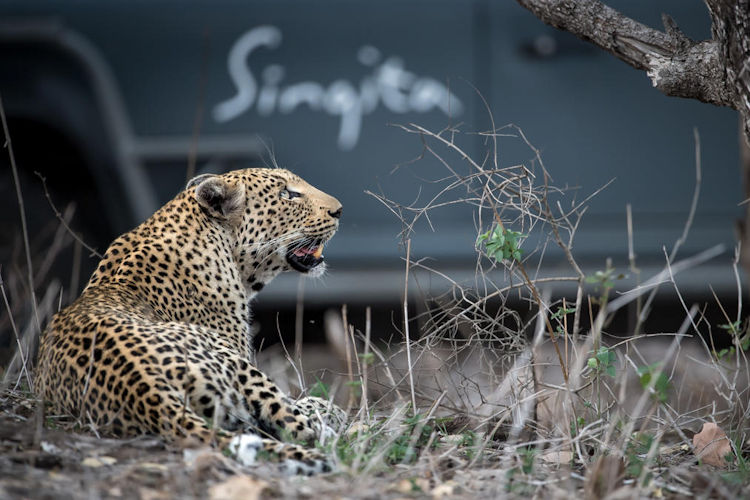
How to Get to Kruger and Move Between Bases
Most international visitors arrive at OR Tambo International Airport in Johannesburg (JNB), South Africa's main hub. From there, you have two realistic strategies: fly closer to Kruger or drive the full distance in your own car or rental car.
Flying Options:
- Three airports serve the Kruger region: Kruger Mpumalanga International Airport (MQP/Nelspruit Airport) for the southern part of the park, Hoedspruit (HDS) for central and northern areas, and Skukuza Airport (SZK) inside the park itself.
- Typical routing: JNB to MQP works best for southern Kruger and Sabi Sands lodges. JNB to HDS suits central Kruger or Timbavati / Thornybush reserves. Direct flights to Skukuza Airport are pricier but incredibly convenient if starting in the Sabi Sand Reserve.
- Several airlines, including SA Airlink, operate these routes with direct flights most days.
Self-Driving:
- Johannesburg to the southern gates, like Paul Kruger Gate, Phabeni Gate, or Malelane, takes approximately 4-5 hours covering around 400 km. The route via Nelspruit is straightforward on good highways.
- South Africa uses left-hand driving. Speed limits are 120 km/h on highways, dropping to 50 km/h on tar roads inside Kruger and 40 km/h on gravel. Police do enforce these, and speed traps exist. Gates close at set times (varying by season), so plan your arrival accordingly.
- Car rental is available at Johannesburg Airport and at smaller airports like Nelspruit Airport. Google Maps, Waze, Tom Tom and Garmin all work well for navigation, though download offline maps before entering the park where the signal drops.
Transfers and Lodge Pick-ups:
- Many Sabi Sands and Timbavati lodges offer road transfers from MQP or Hoedspruit at extra cost, eliminating the need for a rental car during your private reserve stay.
- A realistic arrival flow: Day 1 evening arrival at Tambo International Airport, overnight near the airport, Day 2 morning flight to Kruger Mpumalanga International Airport, afternoon transfer to your lodge in time for your first game drive.
5-Day Kruger Safari Itinerary (First-Timer Essential)
This compact itinerary delivers maximum impact for travellers with limited time. You'll experience expert-guided drives in a private reserve, then transition to self-drive exploration inside Kruger Park itself.
Day 1 – Johannesburg to Private Reserve (Sabi Sands)
- Catch an early flight from Johannesburg Airport to MQP or SZK, arriving mid-morning. Your lodge arranges road transfer (typically 1-2 hours, depending on location).
- Arrive at a lodge like Elephant Plains or Umkumbe Safari Lodge by early afternoon. Check-in includes lunch, a safety briefing, and orientation to lodge life.
- Your first afternoon game drive departs around 16:00, introducing you to the bush as the sun drops. Expect sundowner drinks as golden light floods the savanna, followed by dinner under the stars.
Day 2 – Full Day of Guided Safari
- Wake-up call comes early—around 5:00 AM for coffee and rusks before your 5:30 drive. Morning hours offer the best chance for predator sightings as different animals move before the heat.
- Return by 9:00 for a full breakfast. Midday options include an optional bush walk (conditions permitting), pool time, or simply resting in your room.
- Second game drive departs around 16:00, targeting evening game drives when animals become active again. Let your guides lead rather than requesting specific species—their expertise will reveal far more than chasing a checklist.
Day 3 – Last Private Reserve Drive + Transfer into Kruger National Park
- Enjoy a final sunrise drive, returning for breakfast at the lodge. Check out by late morning after settling any extras.
- Drive via the nearest entrance gate (Phabeni Gate or Paul Kruger Gate works well from Sabi Sands) to enter Kruger National Park. Treat this transfer as a slow game-drive style journey—you're already on safari.
- Arrive at Hoyo Hoyo Tsonga Lodge or Imbali Safari Lodge or even Singita Lebombo Lodge by early afternoon.
Day 4 – Game Drive Adventure
- Spend the full day on a morning safari from your camp along classic routes all within concessions that private and devoid of the general public. A private experience allows you to witness and learn about the wildlife without any distractions.
- Enjoy a picnic lunch in one of the rest areas within the park, followed by an afternoon game drive. Keep your eyes peeled for Africa's famous "Big Five" - lions, leopards, elephants, rhinos, and buffaloes.
- End the day with a sundowner at a scenic spot before returning to your lodge for dinner and overnight stay.
Day 5 – Final Morning Drive + Exit
- Drive or transfer back to Johannesburg for your evening or next-day flight.
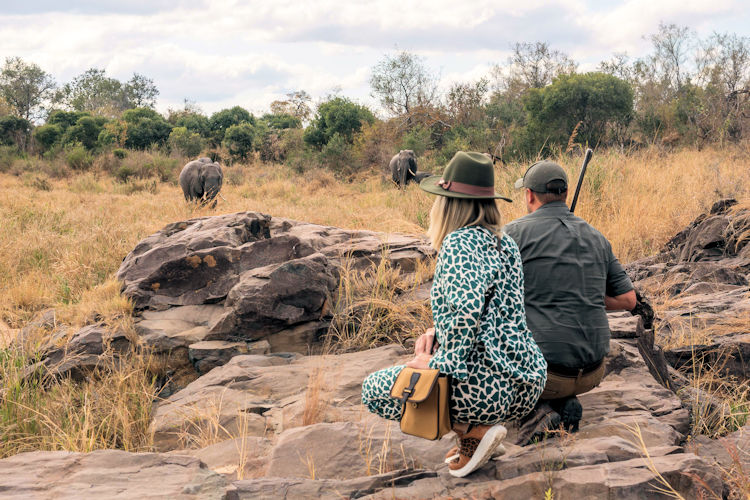
7-Day Kruger Safari Itinerary (Deeper Exploration)
This extended itinerary adds meaningful time inside Kruger plus the spectacular Panorama Route—a perfect balance for those wanting more than a quick safari taste.
Day 1 – Arrival in Johannesburg
- International flights typically arrive late afternoon or evening at OR Tambo. Don't rush to Kruger, exhausted from long-haul travel.
- Overnight near the airport at properties like The Safari Club or the The Residence. Rest, adjust to South African time, and prepare for early departure tomorrow.
Day 2 – Fly to MQP/HDS and Transfer to Private Lodge
- Morning domestic flight to your selected airport. Transfers deliver you to lodges like Cheetah Plains Lodge in Sabi Sands or Motswari Game Lodge in Timbavati by early afternoon.
- Settle in, enjoy lunch, and head out for your first afternoon game drive. Dinner at the lodge introduces you to the rhythm that will define your next two days.
Day 3 & Day 4 – Full Private Reserve Safari Days
- Follow the established pattern: morning drive departing around 5:30, returning for breakfast by 9:00. Midday rest, afternoon tea, then evening game drives from 16:00.
- An optional bush walk with armed rangers teaches you to read tracks, identify scat, and appreciate the smaller details—dung beetles, bird calls, and fresh territorial markings.
- Sabi Sands is famous for leopards, while Timbavati delivers excellent wild dog and lion sightings. Your guides know where current prides are denning and which male leopards are active in the territory.
Day 5 – Panorama Route Detour + Enter Kruger
- Check out after breakfast, driving toward the Panorama Route highlights. God's Window offers 360-degree views over the lowveld. Continue to Lisbon Falls, and the dramatic Blyde River Canyon—Three Rondavels viewpoint is unmissable.
- This can be done a full day tour, either returning to the Kruger for the evening or spending the night somewhere special along the Panorama Route.
Day 6 – Explore Central/Southern Kruger
- Day 6 is dedicated to exploring the vast landscapes of Central/Southern Kruger National Park, a region renowned for its high density of wildlife including elephants, rhinos, lions, and countless bird species.
- Your experienced guide navigates the terrain, sharing insights about the park's complex ecosystems and pointing out camouflaged animals you might miss on your own.
- As the day heats up, visit one of the many waterholes where animals congregate for a drink—it's an excellent opportunity for photography and observing natural behaviours.
- After a thrilling day of exploration, retreat to the luxurious embrace of either Hoyo Hoyo Tsonga Lodge or Lion Sands Tinga Lodge. Whichever you choose, spend your evening relishing fine dining under an African sky ablaze with stars, reflecting on the unforgettable adventures in Kruger National Park.
Day 7 – Final Morning in Kruger + Travel Back to Johannesburg
- Enjoy a short game drive near the camp as the sun rises, offering one last chance to spot any wildlife you might have missed.
- Afternoon or evening flight back to Johannesburg or Cape Town, or even a road transfer that will take anything between 4-7 hour drive.
9-Day Kruger & Private Reserve Itinerary (Ultimate Combo)
This comprehensive itinerary models the classic Kruger/Sabi Sands combination, perfect for honeymoons, milestone birthdays, or once-in-a-lifetime trips to Africa. It allows proper immersion in both guided luxury and independent exploration.
Day 1 – Johannesburg
- Arrive from overseas at Tambo International Airport. Stay at an airport hotel like The Safari Club or the The Residence.
- Use the evening productively: get a local SIM card, withdraw South African rand from ATMs, and adjust to local time. An early night sets you up for tomorrow's travel.
Day 2 – Drive or Fly to Private Reserve
- Option A: 6-7 hour drive from Johannesburg to Sabi Sands, stopping at Alzu N4 Petroport near Middleburg for fuel, food, and your first wildlife views (they have a small game area with rhinos and other species).
- Option B: Fly to Kruger Mpumalanga or Hoedspruit, then transfer to your lodge. Arrive by 13:00-14:00 for lunch, settling in before your 16:00 game drive.
Days 3 & 4 – Immersive Private Reserve Experience
- Two full days of lodge life: twice-daily drives, sundowners in the bush, and possibly a walking safari for those wanting to track wildlife on foot.
- These days often deliver standout moments—a lion pride on a buffalo kill, a leopard descending from a marula tree at sunset, or wild dogs mobbing a waterhole. Trust your guides and stay inside the vehicle when instructed.
Day 5 – Final Lodge Drive + Panorama Route Overnight
- Morning game drive, leisurely brunch, then checkout by late morning.
- Drive the Panorama Route highlights: God's Window for the views, Bourke's Luck Potholes for the geology, and Three Rondavels overlooking Blyde River Canyon.
- Overnight at a scenic spot in Graskop or Sabie—a welcome change of pace after intense safari days.
Day 6 – Entering the Kruger National Park
- Begin your journey into the heart of the Kruger National Park with a seamless road transfer from Sabi Sand, immersing yourself in the vast landscapes and diverse ecosystems that make this area a wildlife haven.
- The transition offers a unique opportunity to observe the subtle changes in vegetation and animal behaviour as you move from one prestigious reserve to another.
- Rhino Post Safari Lodge for an authentic wilderness experience, where luxury meets conservation.
- Hamiltons Tented Camp, offering colonial-style tented suites that transport you back in time, coupled with modern comforts.
- Stay at Jock Safari Lodge for an intimate encounter with the African bushveld. Positioned where the Mitomeni and Biyamiti rivers merge, Jock offers exclusive traversing rights over one of the most game-rich areas of the Kruger National Park.
Day 7 – Wildlife and Kruger game drives
- Embarking on a game drive in Kruger Park presents an unparalleled opportunity to immerse yourself in the heart of African wildlife.
- Early morning drives are particularly magical, offering a chance to witness the park come alive as nocturnal creatures seek refuge and diurnal animals begin their day. The crisp air and soft lighting provide perfect conditions for photography and sightings of predators returning from their nightly hunts.
- Evening drives introduce a different cast of characters, as the landscape buzzes with night-time activity. Guided by experienced rangers equipped with spotlights, visitors have the unique chance to spot elusive nocturnal species, making it an unforgettable experience.
- For those seeking an educational twist, specialised bird-watching tours highlight Kruger's diverse avian population, while walking safaris offer an up-close and personal encounter with the African bushveld, under the watchful eye of seasoned trackers and guides.
Day 8 – Continue Exploring The Kruger
- Early Morning Bush Walk: Start your second day in Kruger with an invigorating early morning bush walk. Accompanied by expert guides, this is a chance to experience the African wilderness as it wakes up.
- Breakfast in the Bush: Enjoy a unique dining experience with breakfast served in the middle of the bush.
- Interactive Cultural Village Tour: In the afternoon, take a break from wildlife viewing for an educational visit to one of the cultural villages near Kruger.
- Here, you can learn about the traditions, languages, and crafts of local South African tribes. It’s a great way to gain insight into the human history and cultural diversity that enriches the region.
- Embark on another safari drive in the late afternoon leading into sunset. This time of day is perfect for spotting predators as they start becoming more active.
Day 9 – Finale & Departure
- The last morning in the Kruger National Park, wake up to the serene beauty of the African sunrise for one final time.
- This morning's safari is bittersweet as you soak in the majestic landscapes and wildlife that have been your home away from home.
- After the safari, enjoy a hearty breakfast at your lodge, reflecting on the unforgettable experiences and connections made during your stay.
- As you pack your bags and say your goodbyes, take a moment to absorb the tranquillity of the bushveld one last time.
- The transfer back to Johannesburg or Cape Town marks not just the end of your adventure but also the beginning of carrying these memories with you, inspiring future explorations.
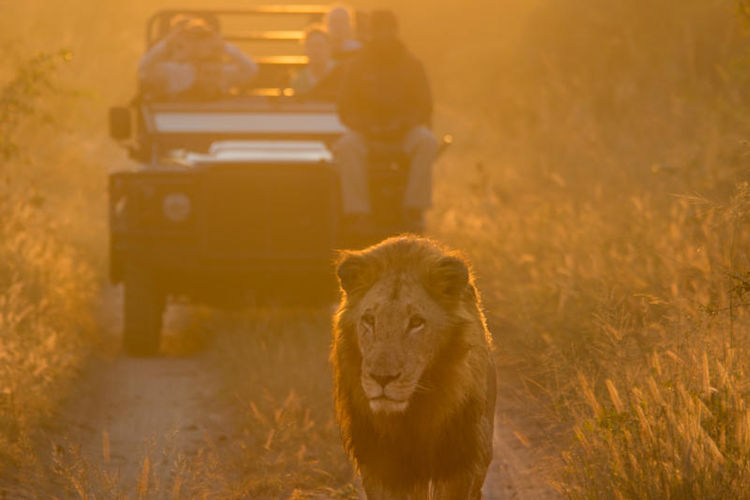
Self-Drive vs road or air transfer options on your Kruger safari
Choosing between a self-drive and opting for road or air transfers to explore the Kruger region can significantly impact your safari experience. A self-drive safari offers the ultimate freedom and flexibility, allowing you to move at your own pace, make spontaneous stops to admire wildlife, and perhaps enjoy quieter moments away from the crowds. It's an adventure that appeals to those who love driving and have a keen sense of navigation, offering a more personal connection with the landscape.
On the other hand, road or air transfers provide a stress-free journey where logistics are handled by professionals. Air transfers cut down on travel time significantly, offering more time to enjoy the wilderness and less on transit. Road transfers can offer scenic routes that are often missed when flying or driving oneself, with knowledgeable guides sharing insights about the region’s history, flora, and fauna along the way. This option is ideal for those who prefer to relax and immerse themselves in the beauty of their surroundings without worrying about directions or schedules.
Ultimately, your choice depends on what kind of experience you're seeking in the Kruger region. Self-driving may suit those looking for adventure and independence on their safari, while road or air transfers cater to visitors prioritising comfort, efficiency, and educational opportunities during their journey.
What to Pack and Wear for a Kruger Itinerary
Packing correctly transforms early mornings from miserable to magical, and ensures long game drives remain comfortable rather than exhausting.
Clothing Essentials:
- Neutral colours work best: sand, olive, khaki, and brown. Avoid bright colours and excessive white, especially on bush walks where you don't want to spook wildlife.
- For dry season (May–September): Layers are essential. Early drives see temperatures around 5°C, warming to 25°C by midday. Pack fleece or a light down jacket, a beanie, gloves, and a warm scarf for open vehicles. Bring shorts and t-shirts for warmer afternoons.
- For hot months (October–March): Breathable, lightweight fabrics and a wide-brim hat are essential. The country gets genuinely hot, and you'll be in the sun for hours.
Gear Checklist:
- Binoculars (8x42 is the standard recommendation) make distant sightings come alive.
- Camera with 200-400mm zoom lens, extra batteries, and plenty of memory cards
- Small daypack for carrying essentials on drives and walks
- Headlamp or torch for navigating camps after dark (rest camps have limited lighting)
- Reusable water bottle—you'll drink more than you expect
- Note on luggage: If flying on small planes to MQP, Hoedspruit, or Skukuza Airport, expect strict luggage limits of approximately 20 kg in soft-sided bags. Leave hard suitcases behind.
Booking Your Kruger Itinerary: Practical Tips
Availability at all private lodges fills faster than most travellers expect, especially during the dry season when everyone wants to visit Kruger National Park.
When to Book:
- Private reserves and private concessions: Aim for 6-12 months in advance for June-September travel. The green season (November-March) offers shorter booking windows and often last-minute availability.
Frequently Asked Questions About Kruger Itineraries
These common questions come up repeatedly from first-time safari goers designing their initial trip. Quick answers to help you move forward.
- Is it better to start within Kruger or with a private reserve? Both orders work well. Starting in a private reserve means expert guides teach you to spot wildlife before you self-drive. Starting in Kruger means you end on a high note with guaranteed sightings. Honestly, there's no single "right" choice—your trip will be incredible either way.
- Can families with children follow these itineraries? Absolutely, with some modifications. Most private lodges have age restrictions on game drives (typically 6+) and bush walks (12+). Self-drive Kruger is completely family-friendly, and kids love the independence of spotting animals themselves. Stay inside the vehicle and pack entertainment for long, slow drives.
- Is malaria a concern in Kruger? Yes, Kruger is a low malaria risk area, particularly during the rainy season (November-March). Consult a travel doctor 4-6 weeks before travel. Many visitors take prophylaxis; all should use repellent and wear long sleeves at dusk and dawn when mosquitoes are active.
- Do you need a 4x4? No. Most tar roads and many gravel roads are perfectly fine in a regular sedan during the dry season. Some remote northern loops are designated 4x4-only, but the southern circuits in these itineraries work fine in a standard rental car. During the rainy season, higher clearance becomes more valuable.
- What if I don't spot all the "Big Five"? It happens, and it's okay. Southern Kruger delivers "Big Five" sighting rates up to 90% over 3-4 days, but wildlife doesn't follow scripts. Enjoy what you see—a hyena den, a journey of giraffes at sunrise, or a lilac-breasted roller catching the light—and save the checklist anxiety for another trip.
Whether you're planning a focused 5-day safari or the ultimate 9-day adventure, the key is balancing guided expertise in private reserves with the freedom of your own self-drive exploration. Both experiences reveal different dimensions of this extraordinary park.
Your next trip to Africa awaits—and Kruger is the perfect place to begin.
Travel To The Kruger Park Now
Map of Lodges in and around the Greater Kruger National Park
Lodges And Camps In The Kruger National Park
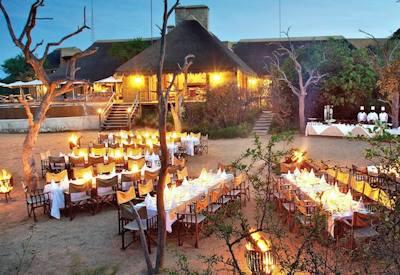
Kapama River Lodge
Kapama River Lodge is the perfect destination for an unforgettable African wildlife experience. Located in the Limpopo province of southern Africa, this incredible game reserve offers stunning landscapes and abundant wildlife, including a wide variety of species, from rhinos to lions to giraffes. Enjoy morning and evening game drives with experienced guides, plus a range of activities such as swimming, spa treatments or a visit to the Rhino Boma. Kapama River Lodge is great value for money with 64 suites and offers an unforgettable experience for couples, families or groups.
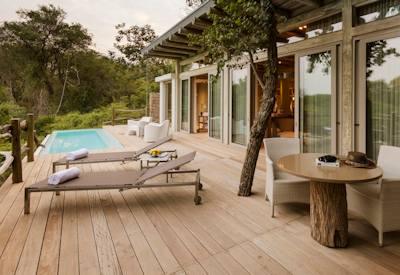
Kapama Karula
Kapama Karula is an incredibly luxurious and serene safari lodge situated in the Kapama Game Reserve, South Africa. Boasting stunning views over the bushveld and surrounding river bed, this five-star property offers guests a range of activities to enjoy, such as open 4x4 safaris to get up close with the "Big 5" wildlife species, as well as heated plunge pools, wine and cuisine tasting experiences, family suites and spa & wellness options. Enjoy an unforgettable African Safari in the tranquil Kapama Karula Lodge.
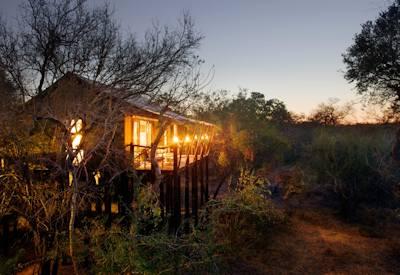
Kapama Buffalo Camp
Kapama Buffalo Camp is an exclusive and luxurious safari located in the heart of South Africa's Kapama Game Reserve, one of the most sought-after Big 5 reserves. Buffalo Camp offers up to 20 guests a unique and intimate stay with 10 tented suites that bring together luxury and authenticity. Guests can partake in guided game drives through the stunning reserve and learn about the local flora, fauna, and wildlife. After a day of exploring, relax by the camp's swimming pool or enjoy dinner in the Boma.
Kapama Southern Camp
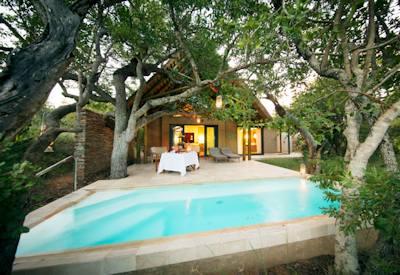
Kapama Southern Camp is the perfect destination for a luxurious yet affordable South Africa safari. Located in the tranquil bushveld of the Kapama Private Game Reserve, this beautifully appointed tented camp features 25 luxurious suites, each with its own private plunge pool. Guests can take advantage of game drives and nature walks led by experienced guides, where they can observe the abundant wildlife in their natural habitat. The camp also offers a main swimming pool, outdoor showers and an incredible array of meals and wines.
Ezulwini River Lodge
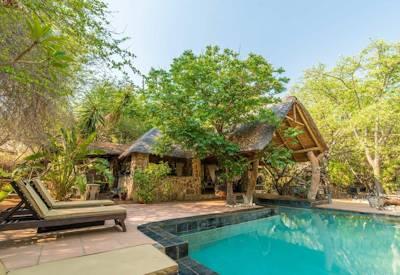
Ezulwini River Lodge is one of the absolute best lodges for an truly unforgettable African experience. It's perfectly nestled right in the very heart of the "Big Five" Balule Game Reserve, making its location nothing short of spectacular. Nestled along the Olifants River, the lodge offers panoramic 180-degree views of the surrounding bushveld, teeming with magnificent wildlife and vibrant birdlife. This luxurious game lodge delivers an experience of unparalleled quality, ensuring every moment spent here is deeply immersed in the authentic magic of Africa.
Ezulwini Billy's Lodge
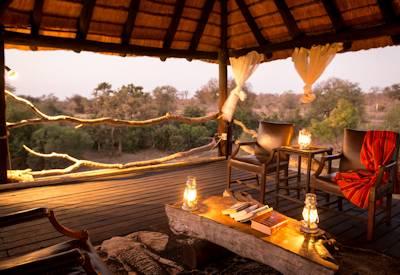
Ezulwini Billy's Lodge, spectacularly located within the Greater Kruger National Park and the Balule Nature Reserve, offers guests an unrivaled experience of the African bushveld. Guests are treated to an array of extraordinary activities designed to connect them deeply with the natural world. Thoughtfully designed to blend luxury with authenticity, Ezulwini Billy's Lodge combines the thrill of the wild with world-class hospitality, making it an exceptional destination for anyone seeking adventure, comfort, and a true connection to Africa’s heart.
Becks Safari Lodge
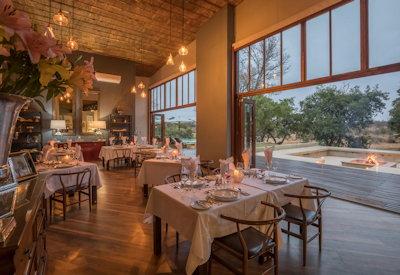
The amazing Becks Safari Lodge combines innovative design and luxury living, providing an upmarket and exclusive offering for those who demand only the best. Each detail is thoughtfully curated to ensure an unparalleled experience in the heart of the wild. Located in the renowned 'Big 5' Karongwe Private Game Reserve in Limpopo, Becks Safari Lodge offers sophisticated, contemporary safari living with an absolute appreciation for the untamed beauty of the surrounding South African bushveld.
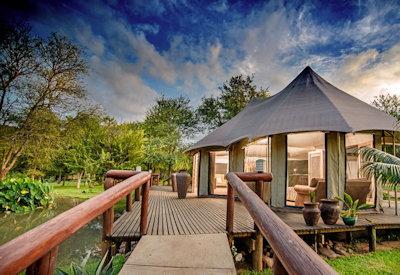
Chisomo Safari Camp
Chisomo Safari Camp is nestled deep within the wildlife-rich Karongwe Game Reserve, a haven for nature lovers seeking an unforgettable safari experience. The camp combines the beauty of the African wilderness with luxurious comfort, providing guests with a unique blend of adventure and relaxation. Friendly and attentive staff ensure warm hospitality, while the camp's fine cuisine, featuring a mix of local and international flavors, makes every meal memorable. Guests can enjoy exceptional "Big 5" game viewing opportunities, with expert guides leading thrilling safaris through the reserve's diverse landscapes.