
Matobo National Park
Discover the Timeless Beauty, Rich Culture and Unique Wildlife of Matobo National Park
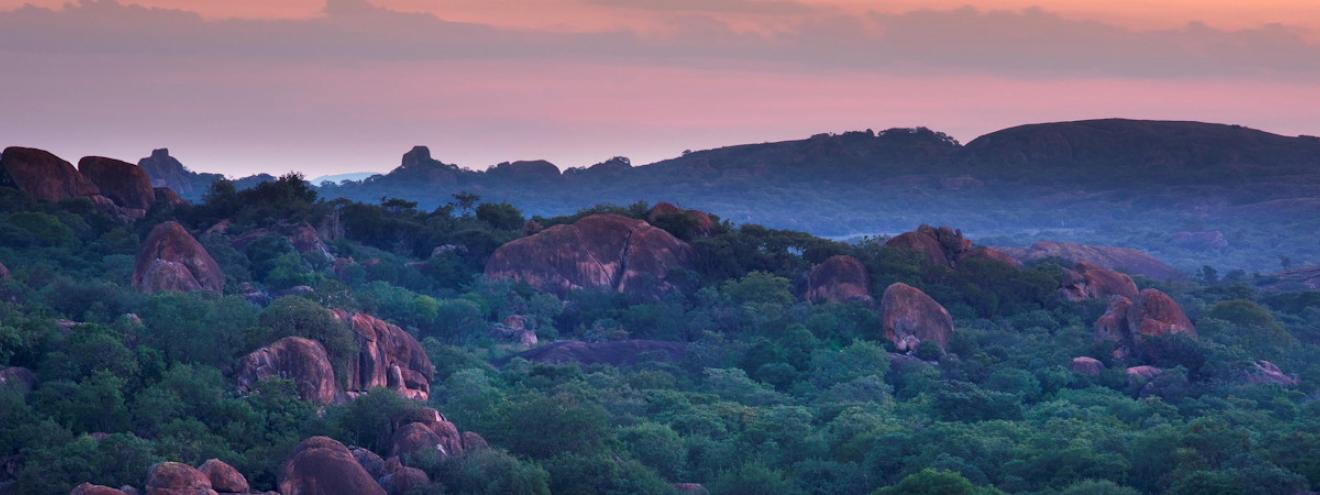
Just 35 kilometres south of Bulawayo, Matobo National Park is one of the most spectacular landscapes in Zimbabwe. Granite domes, spires and impossibly balanced boulders rise out of wooded valleys, sculpted by weathering from rock more than two billion years old. The park sits at the core of the Matobo Hills, a UNESCO World Heritage Site, and its caves and overhangs shelter some of the finest San rock art in southern Africa.
Matobo is also one of the best places in Zimbabwe to see rhino. Both black and white rhino are protected here, most of them in the Whovi Wild Area, the park's game section. Birders come for the raptors, above all the magnificent Verreaux's eagles that nest on the granite kopjes and ride the thermals above them.
History runs deep in these hills. Cecil John Rhodes is buried on the summit of World's View, a bald granite dome with a sweeping outlook across the whole range. For photographers, walkers and anyone with an eye for landscape, Matobo is a remarkable place to linger.
Matobo National Park Facts
- Size: 424 km²
- Location: 35 km south of Bulawayo
- When to visit the park: Year-round
- Highest point: Gulati, 1,549 metres, just outside the park's north-eastern corner
- Accommodation: Lodges In The Matobo National Park
Where is Matobo National Park located?
The Matobo Hills lie in south-western Zimbabwe, 35 kilometres south of Bulawayo along the Matopos Road.
Click on this map link to get a better idea of where the Matobo National Park and Hills are located: Google Maps - Matobo National Park
When is the best time to visit Matobo National Park?
Matobo is open year-round. Summer brings warm days and occasional thunderstorms; winter is cool and dry. There is no bad time to come — the granite and the rock art are magnificent in any season. For month-by-month conditions across the country, see our guide on when to visit Zimbabwe.
Main Attractions Of Matobo National Park
- Granite domes, spires and balancing rock formations
- San rock art in the caves and overhangs of the hills
- Black and white rhino in the Whovi Wild Area
- Verreaux's eagles and other raptors
- Cecil John Rhodes' grave at World's View
Matobo National Park FAQs
Where is Matobo National Park?
Matobo National Park is 35 kilometres south of Bulawayo in south-western Zimbabwe, reached along the Matopos Road. It forms the core of the Matobo Hills. Bulawayo is 439 kilometres by road from Victoria Falls, so Matobo slots neatly into a wider Zimbabwe itinerary alongside the falls and Hwange National Park.
How big is Matobo National Park?
Matobo National Park covers 424 square kilometres, which makes it small by Zimbabwean standards. It protects the heart of a much wider granite landscape, the Matobo Hills, most of which lies outside the park on communal land and farmland. The Whovi Wild Area, the park's game section, holds most of the rhino.
Is it Matobo or Matopos?
Matobo and Matopos are the same place; Matobo is the correct name and the one we use. It comes from the Ndebele for the smooth, weathered granite domes, often translated as "bald heads". Matopos is the colonial-era form and survives in tourism and road names, including the Matopos Road from Bulawayo.
Why are the Matobo Hills a UNESCO World Heritage Site?
The Matobo Hills are a UNESCO World Heritage Site for their cultural landscape rather than their wildlife. The caves and overhangs hold an exceptional concentration of San rock art, and the hills remain spiritually important to local communities today. The granite itself, weathered from rock more than two billion years old, is the dramatic setting.
Can you see rhino in Matobo National Park?
Yes, Matobo is one of the best places in Zimbabwe to see both black and white rhino. Most live in the Whovi Wild Area, the park's game section. Sightings are never guaranteed, and rhino tracking on foot is arranged through the lodges; our Matobo lodges page covers which properties offer it.
Where is Cecil Rhodes buried?
Cecil John Rhodes is buried on the summit of World's View, a bald granite dome inside Matobo National Park known locally as Malindidzimu. The short walk up the rock is one of the park's most popular outings, rewarded with a sweeping view across the Matobo Hills in every direction, best of all in the late afternoon light.
How does Matobo compare with Hwange National Park?
Matobo and Hwange offer very different experiences, which is why they pair so well. Hwange is Zimbabwe's largest national park, famous for its elephant herds and classic game drives. Matobo is small and scenic, prized for rhino, raptors, rock art and granite. Hwange is 4–5 hours from Bulawayo by road.
Travel To Zimbabwe Now
Map of Lodges in and around Zimbabwe
Zimbabwe Travel Topics
The Perfect Zimbabwe Honeymoon
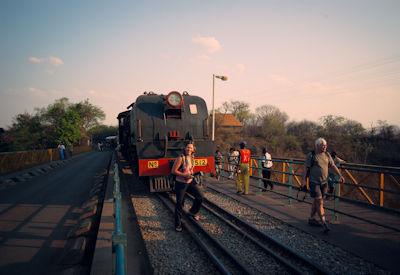
Most honeymoons are an exercise in doing very little at considerable expense, and there is a great deal to be said for that. Zimbabwe simply arranges better company for it. Elephants come down to drink below the deck while you are still on your first coffee; the guide turns out to know which lion crossed the airstrip in the night; dinner happens on a Zambezi deck while the light goes orange and then goes altogether. Nobody puts Zimbabwe at the top of the shortlist — Kenya and the Cape get there first — which is precisely why the lodges are quieter and the guiding is better than it needs to be.
Top 10 Must See Attractions In Victoria Falls
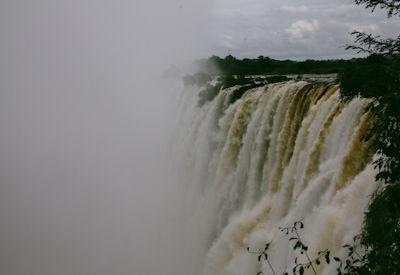
Livingstone named it after a queen who never saw it, and the Tonga had been calling it Mosi-oa-Tunya, the smoke that thunders, for a very long time before he turned up. Theirs is the better name. Five hundred million litres a minute go over the edge in full flood, which is enough to soak you through a hired raincoat before you are halfway along the Zimbabwe footpath, and enough to hide the falls entirely if you have come in the wrong month. There is also a rock pool at the very lip of the drop that people swim in. We will come to that.
5 Best Lodges In Victoria Falls
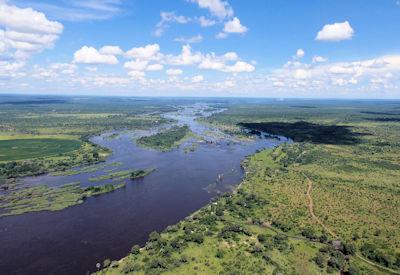
You can see the falls properly in ninety minutes. The rest of the week happens wherever you are sleeping, which makes the choice of lodge matter more here than almost anywhere else in Zimbabwe. Some of them are town hotels with a shuttle and a buffet. Others sit far enough upriver that the loudest thing at breakfast is one hippo disagreeing with another. The gap in price between those two experiences is usually smaller than you would expect, and the gap in the holiday is not. Here are five I would put my own money on.
10 Reasons To Visit The Zambezi River
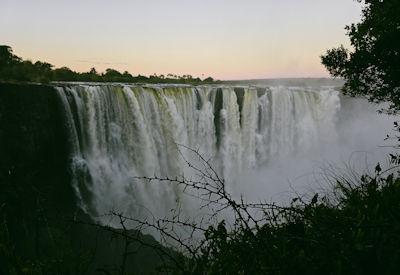
The Zambezi begins as a spring in a patch of Zambian woodland you could step across, and ends two and a half thousand kilometres later in the Indian Ocean, having spent much of the journey acting as the border of half of southern Africa. Six countries. One waterfall that needs no introduction, a dam that made an inland sea, and a stretch below that dam at Mana Pools where you are permitted to walk. It is also, at six in the evening with the light going, the single best place in this part of the continent to be sitting still.
Luxury Tented Safari Camps in Zimbabwe
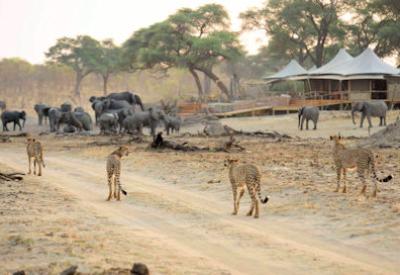
"Tent" is a word working extremely hard in this part of the brochure. It covers canvas on a hardwood deck with a four-poster and plumbing that would pass in Kensington, and it also covers a bucket shower and a zip. What the two share is the actual reason to choose either: canvas does not keep sound out. You hear the elephants arrive at the Hwange waterhole at two in the morning. You hear the hippos settling their differences on the Zambezi. You lie there listening rather than sleeping, which is rather the point of the whole arrangement.
10 Reasons To Visit The Hwange National Park
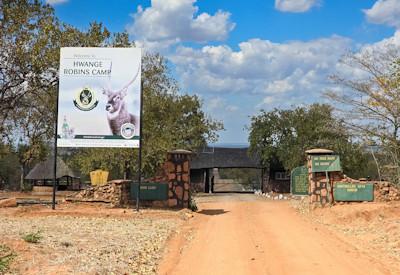
Hwange should not really work. Most of it sits on Kalahari sand with no permanent river anywhere near it, and the reason elephants stand shoulder to shoulder at Nyamandhlovu Pan in October is that somebody is running a diesel pump. That decision was taken in the 1920s by a warden named Ted Davison, and it has been kept up, more or less, ever since. Fourteen thousand square kilometres of managed thirst. The Big Five are all present on paper, though I would not build a holiday around seeing the rhino. The elephants are an entirely different proposition.
Zimbabwe Travel Bucket List
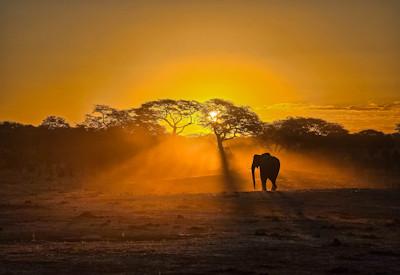
For most of the last century the Rhodesian authorities preferred to believe that Zimbabweans had not built Great Zimbabwe. Phoenicians were proposed. So were the Queen of Sheba's architects. The stonework is Shona, laid without mortar, eleven metres high in places, and it is the only ruin I can think of that gave its name to the country containing it. That is the sort of country this is. The obvious things — the falls, the Hwange elephants, the rapids below the gorge — are worth every hour of the flight, and underneath them sits a second Zimbabwe that most itineraries never touch.
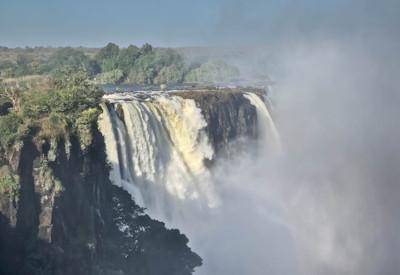
10 Reasons to Visit Victoria Falls for an Unforgettable Experience
The bridge was cast in Darlington, shipped out in pieces and bolted together over the gorge in 1905, and people now jump off it on an elastic rope. Victoria Falls has been like this ever since: a serious piece of natural history with an adrenaline economy bolted to the side of it. You can run the grade five rapids in the Batoka Gorge in the morning and be on a boat with a gin and tonic by six, watching the same water arrive flat and innocent above the lip. Both are honest ways to spend a day here. So is doing neither.