
Tembo Plains Camp
Highlights
- Seasonal Menus: Tembo Plains Camp cooks from an evolving seasonal menu of Zimbabwean and international dishes, served from an interactive open kitchen.
- Curated Wine Selection: A proper wine cellar of South African and international labels, with premium spirits and champagne included in the rate.
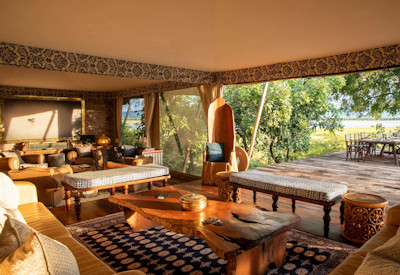
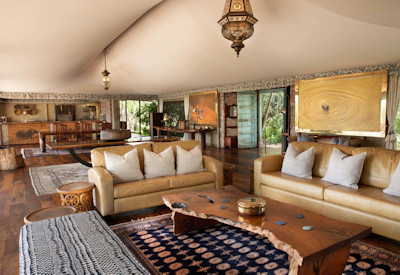
- Exquisite Guest Areas: A spacious main lounge, dining area and small reference library facing the Zambezi floodplain, with complimentary Wi-Fi and working space.
- Interactive Dining Experience: Guests watch — and join in — meal preparation at the open kitchen.
- Enchanting Fire Pit: Evenings end around the fire under a Zambezi Valley sky, with the hippos providing the soundtrack.
- Exciting Safari Activities: Day and night game drives, guided walks, canoeing, boating and catch-and-release tiger fishing on the Zambezi, plus one Mana Pools National Park excursion on stays of 3 nights or more.
- Family-Friendly Adventures: The Great Plains Young Explorers programme and the two-bedroom Zanji family suite, with children aged 6 and over welcome.
- Spa and Wellness: Massages and treatments, yoga and meditation, with exercise bikes and yoga mats in every suite.
Information
- Lodge type: Luxury tented safari camp (Relais & Châteaux member)
- Location: Sapi Private Reserve, bordering Mana Pools National Park, Zimbabwe
- Lodge size: 4 tented suites plus the two-bedroom Zanji family suite
- Recommended stay: 3–7 nights
- Malaria risk: Yes — the Zambezi Valley is a malaria area and prophylaxis is recommended
- Getting there: About 1.5 hours by light aircraft from Harare or 2 hours from Victoria Falls to the Sapi airstrip, then a 45-minute game-drive transfer to camp
Discover The Wilds Of The Mana Pool National Park At Tembo Plains Camp
Tembo Plains Camp is a four-suite luxury tented camp run by Great Plains Conservation in the 128,000-hectare Sapi Private Reserve, on the Zambezi River immediately east of Mana Pools National Park in northern Zimbabwe. Together, Sapi and Mana Pools form more than 337,000 hectares of protected Zambezi Valley wilderness, part of the Mana Pools UNESCO World Heritage Site — and one of the finest places in Africa to watch elephants, painted wolves and lions on foot and by canoe.
Tembo Plains Camp opened in 2021, the flagship of Dereck and Beverly Joubert's rewilding of the Sapi, a former hunting concession that Great Plains took on in 2016. The camp is a member of Relais & Châteaux, and it shows: canvas suites with private plunge pools, an interactive kitchen, a wine cellar and professional Canon cameras and binoculars for guests to borrow. Because Sapi is private, game drives run by day and by night, and guides are free to go off-road where the park rules would not allow.
Tembo Plains Camp is open from roughly April to November. The late dry season, from August to October, pulls elephants, buffalo and predators onto the Zambezi floodplain in their greatest numbers. We recommend 3 to 7 nights; stays of 3 nights or more include one wildlife excursion into Mana Pools National Park itself.
Rooms And Suites
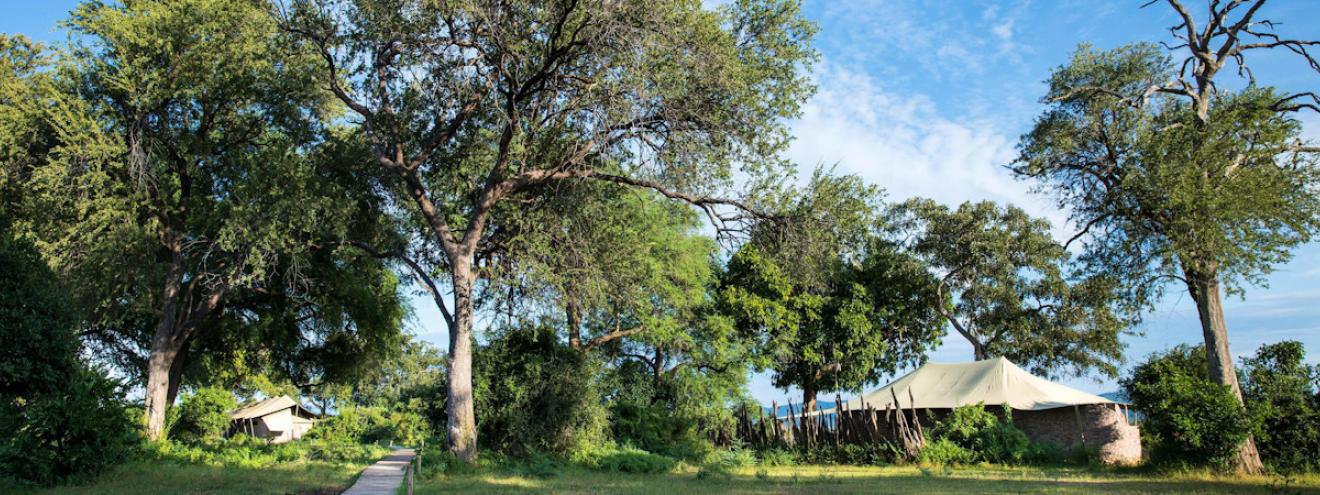
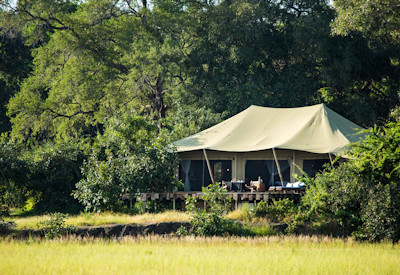
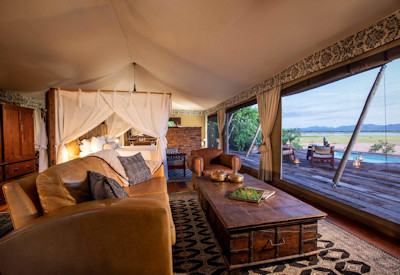
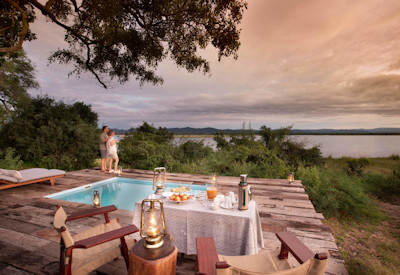
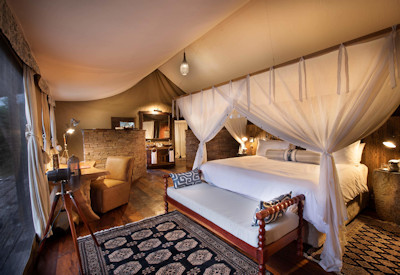
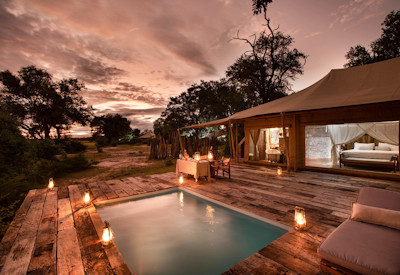
Tembo Plains Camp has four tented suites, each with a double or twin configuration, plus the two-bedroom Zanji family suite. Every suite pairs light sand-coloured canvas and netted windows with a wrap-around deck, a private plunge pool and an outdoor dining area facing the floodplain.
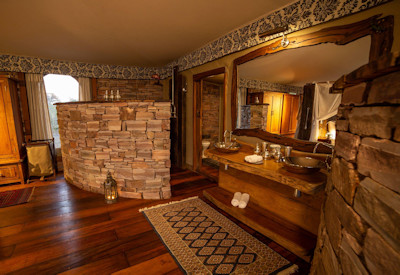
Inside, each suite has a private indoor lounge and an expansive en-suite bathroom with a handmade bathtub and both indoor and outdoor showers.
The Zanji Suite combines two bedrooms around a shared lounge, dining area and pool — ideal for families or two couples travelling together who want privacy and their own space.
Comforts include solar-powered air conditioning, standing fans, a bar fridge stocked to your preferences, a tea and coffee station, charging points, and mosquito nets over every bed. Exercise bikes, light weights and yoga mats are in each suite for guests who like to stay active between drives.
Cuisine And Wine
Tembo Plains Camp serves a seasonal menu that blends Zimbabwean flavours with international cooking, made from fresh ingredients sourced locally wherever possible. The menu changes through the season, moving between traditional recipes and contemporary fusion dishes.
The kitchen is open and interactive, so guests can watch the chefs at work and take part if they wish.
A well-stocked wine cellar holds South African and international labels, and all drinks — including premium spirits and champagne — are included in the rate.
Meals move around the camp: breakfast on the deck, a sandbank lunch on a canoe day, and candlelit dinners under the Zambezi Valley stars.
Facilities
Tembo Plains Camp centres on a main guest area with a spacious lounge, a dining area with an interactive kitchen, a small reference library and a fire pit, all facing the Zambezi floodplain.
Complimentary Wi-Fi and dedicated working areas are available for guests who need to stay connected.
The library is stocked with field guides and natural history reading, and it is a useful place to plan the next day's activities with your guide.
After dinner, guests gather around the fire pit under a clear Zambezi Valley sky. Great Plains built the camp to a low-impact brief, with solar power and tents placed to minimise disturbance to wildlife and vegetation.
Activities
Tembo Plains Camp offers day and night game drives, guided walks and tracking, canoeing and boating on the Zambezi, and catch-and-release tiger fishing, all within the private Sapi Reserve.
The Sapi's high predator densities include lions, leopards, spotted hyenas and painted wolves (wild dogs), alongside large herds of elephants and buffalo, plus zebra and eland. Walking with a professional guide is the signature Zambezi Valley experience, and the Sapi's open floodplain and winterthorn woodland are ideal for it.
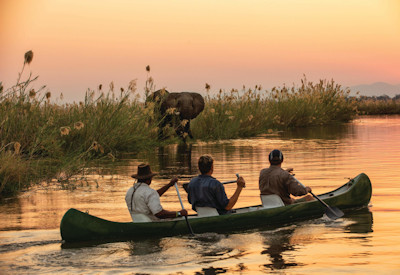
On the water, canoe trips glide past hippo pods and drinking elephants and often end with lunch on a Zambezi sandbank. Stays of 3 nights or more include one wildlife excursion into Mana Pools National Park.
Guests can also borrow professional Canon cameras and lenses and premium binoculars at no charge — a real advantage for photographers who have not flown in with a long lens.
Child Friendly
Tembo Plains Camp welcomes families, with children aged 6 and over recommended and the two-bedroom Zanji Suite designed for family stays.
The Great Plains Young Explorers programme gives children hands-on activities with their own guide, including tracking, birdwatching, cooking and nature art.
Walking safaris may be available to children from 8 years at the guide's and manager's discretion. Because the Sapi is unfenced and home to predators, hippos and crocodiles, children must be supervised by an adult around camp and the river at all times.
Spa And Wellness
Tembo Plains Camp has a small spa offering massages and other therapeutic treatments, which are charged as extras.
Yoga and meditation sessions can be arranged outdoors, with the Zambezi floodplain as the backdrop.
For guests who like to keep up a routine on safari, every suite has an exercise bike, light weights and a yoga mat for the quiet midday hours between morning and afternoon activities.
Tembo Plains Camp Frequently Asked Questions
Where is Tembo Plains Camp?
Tembo Plains Camp is in the 128,000-hectare Sapi Private Reserve in northern Zimbabwe. The reserve sits on the Zambezi River immediately east of Mana Pools National Park, and together the two protect more than 337,000 hectares of Zambezi Valley wilderness within the Mana Pools UNESCO World Heritage Site. The camp is owned and run by Great Plains Conservation, the company founded by Dereck and Beverly Joubert.
How do you get to Tembo Plains Camp?
Tembo Plains Camp is reached by light aircraft to the Sapi Private Reserve airstrip. The flight takes about 1.5 hours from Harare or about 2 hours from Victoria Falls. From the airstrip, a 45-minute road transfer to camp doubles as a first game drive, and this transfer is included in the rate. Most guests connect through Harare International Airport or Victoria Falls International Airport.
Is Tembo Plains Camp in a malaria area?
Yes. Tembo Plains Camp is in the Zambezi Valley, which is a malaria area, and anti-malaria prophylaxis is recommended for every guest. Speak to a travel doctor before departure about the right medication. Every suite at Tembo Plains Camp has mosquito nets over the beds, and long sleeves plus repellent in the evenings reduce the risk further.
When is the best time to visit Tembo Plains Camp?
Tembo Plains Camp is typically open from April to November. The best wildlife viewing is in the late dry season, from August to October, when water dries up inland and elephants, buffalo, lions and painted wolves concentrate on the Zambezi floodplain. April to July is greener, quieter and cooler, with good birding and pleasant walking temperatures.
Is Tembo Plains Camp suitable for children?
Tembo Plains Camp welcomes families, with children aged 6 and over recommended. The two-bedroom Zanji Suite has a shared lounge, dining area and pool for families. The Great Plains Young Explorers programme offers children tracking, birdwatching, cooking and nature art, and walking may be possible from age 8 at the guide's discretion.
What is included in the rate at Tembo Plains Camp?
Tembo Plains Camp rates include accommodation, all meals and drinks including premium spirits and champagne, scheduled activities, laundry, and return airstrip road transfers. Stays of 3 nights or more also include one wildlife excursion into Mana Pools National Park. Flights, park fees, the nightly Great Plains Foundation conservation levy, spa treatments, gratuities and travel insurance are extra.
In Conclusion
Tembo Plains Camp is the best choice in the Zambezi Valley for travellers who want Mana Pools' wildlife with genuine luxury and complete privacy. It is a Relais & Châteaux tented camp with just four suites and a family suite, set on 128,000 hectares of private reserve where the guides can drive at night, go off-road, walk and canoe without the crowds or the park rules.
Tembo Plains Camp is also a conservation story you become part of. Every night you stay helps fund Great Plains' rewilding of the Sapi, a former hunting concession now full of elephants, lions and painted wolves again. With 3 nights or more, you also get a day inside Mana Pools National Park itself.
The best time to go is August to October, when the floodplain is at its most dramatic. The quieter green months of April to July suit photographers and walkers. Tembo Plains Camp pairs brilliantly with Victoria Falls, Hwange National Park or Lake Kariba for a complete Zimbabwe safari.
Uyaphi.com has been planning African safaris since 1999 — 27 years of matching travellers to the right camps, flights and seasons. With so few suites, the peak months fill early. Contact us to check availability and build Tembo Plains Camp into a tailor-made Zimbabwe safari, with no booking fees and no credit card surcharges.
Rates from US$ 1,340.00 Per person per night
Tembo Plains Camp Rates
Per person per night sharing
Rates are in US Dollar
*Rates may vary according to season
- Accommodation
- Scheduled wildlife viewing activities
- One wildlife experience in the Mana Pools National Park on 3 night stays or longer
- All meals
- Return airstrip road transfers
- Laundry services
- Non-alcoholic and alcoholic beverages including premium brand spirits and champagne
- All flights
- All transfers
- Mandatory nightly Great Plains Foundation conservation levy
- Park fees
- Spa treatments
- Items of a personal nature
- Gratuities
- Travel insurance
Book This Zimbabwe Lodge Now
Zimbabwe Travel Topics
The Perfect Zimbabwe Honeymoon
Most honeymoons are an exercise in doing very little at considerable expense, and there is a great deal to be said for that. Zimbabwe simply arranges better company for it. Elephants come down to drink below the deck while you are still on your first coffee; the guide turns out to know which lion crossed the airstrip in the night; dinner happens on a Zambezi deck while the light goes orange and then goes altogether. Nobody puts Zimbabwe at the top of the shortlist — Kenya and the Cape get there first — which is precisely why the lodges are quieter and the guiding is better than it needs to be.
Top 10 Must See Attractions In Victoria Falls
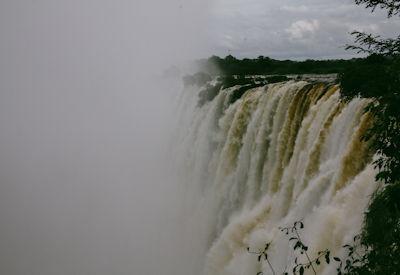
Livingstone named it after a queen who never saw it, and the Tonga had been calling it Mosi-oa-Tunya, the smoke that thunders, for a very long time before he turned up. Theirs is the better name. Five hundred million litres a minute go over the edge in full flood, which is enough to soak you through a hired raincoat before you are halfway along the Zimbabwe footpath, and enough to hide the falls entirely if you have come in the wrong month. There is also a rock pool at the very lip of the drop that people swim in. We will come to that.
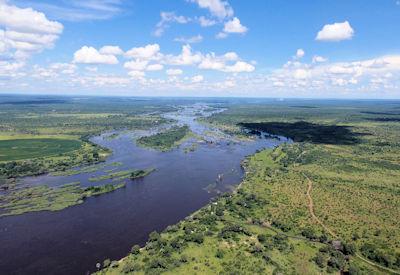
5 Best Lodges In Victoria Falls
You can see the falls properly in ninety minutes. The rest of the week happens wherever you are sleeping, which makes the choice of lodge matter more here than almost anywhere else in Zimbabwe. Some of them are town hotels with a shuttle and a buffet. Others sit far enough upriver that the loudest thing at breakfast is one hippo disagreeing with another. The gap in price between those two experiences is usually smaller than you would expect, and the gap in the holiday is not. Here are five I would put my own money on.
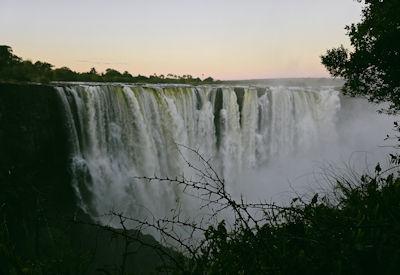
10 Reasons To Visit The Zambezi River
The Zambezi begins as a spring in a patch of Zambian woodland you could step across, and ends two and a half thousand kilometres later in the Indian Ocean, having spent much of the journey acting as the border of half of southern Africa. Six countries. One waterfall that needs no introduction, a dam that made an inland sea, and a stretch below that dam at Mana Pools where you are permitted to walk. It is also, at six in the evening with the light going, the single best place in this part of the continent to be sitting still.
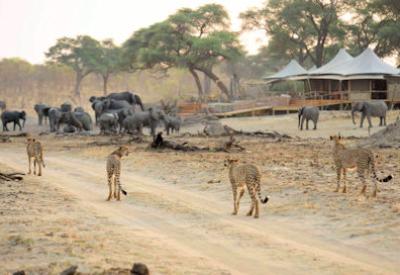
Luxury Tented Safari Camps in Zimbabwe
"Tent" is a word working extremely hard in this part of the brochure. It covers canvas on a hardwood deck with a four-poster and plumbing that would pass in Kensington, and it also covers a bucket shower and a zip. What the two share is the actual reason to choose either: canvas does not keep sound out. You hear the elephants arrive at the Hwange waterhole at two in the morning. You hear the hippos settling their differences on the Zambezi. You lie there listening rather than sleeping, which is rather the point of the whole arrangement.
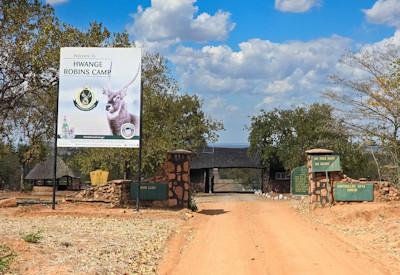
10 Reasons To Visit The Hwange National Park
Hwange should not really work. Most of it sits on Kalahari sand with no permanent river anywhere near it, and the reason elephants stand shoulder to shoulder at Nyamandhlovu Pan in October is that somebody is running a diesel pump. That decision was taken in the 1920s by a warden named Ted Davison, and it has been kept up, more or less, ever since. Fourteen thousand square kilometres of managed thirst. The Big Five are all present on paper, though I would not build a holiday around seeing the rhino. The elephants are an entirely different proposition.
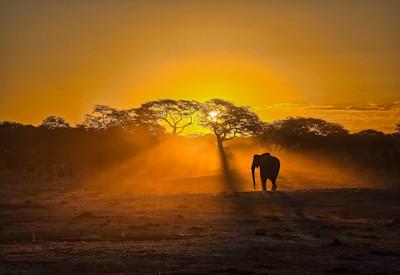
Zimbabwe Travel Bucket List
For most of the last century the Rhodesian authorities preferred to believe that Zimbabweans had not built Great Zimbabwe. Phoenicians were proposed. So were the Queen of Sheba's architects. The stonework is Shona, laid without mortar, eleven metres high in places, and it is the only ruin I can think of that gave its name to the country containing it. That is the sort of country this is. The obvious things — the falls, the Hwange elephants, the rapids below the gorge — are worth every hour of the flight, and underneath them sits a second Zimbabwe that most itineraries never touch.
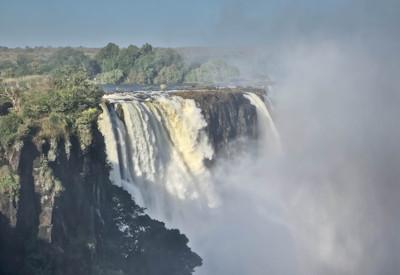
10 Reasons to Visit Victoria Falls for an Unforgettable Experience
The bridge was cast in Darlington, shipped out in pieces and bolted together over the gorge in 1905, and people now jump off it on an elastic rope. Victoria Falls has been like this ever since: a serious piece of natural history with an adrenaline economy bolted to the side of it. You can run the grade five rapids in the Batoka Gorge in the morning and be on a boat with a gin and tonic by six, watching the same water arrive flat and innocent above the lip. Both are honest ways to spend a day here. So is doing neither.