
Botswana Chobe National Park

Your Guide To Chobe National Park: Botswana Safari Tips & Wildlife Hotspots
Botswana's Chobe National Park is, without a doubt, a quintessential African safari destination, absolutely teeming with an awe-inspiring abundance of wildlife. Renowned for its spectacularly vast elephant herds, it offers an unparalleled spectacle of nature's grandeur that truly must be seen to be believed. This comprehensive guide will illuminate precisely why Chobe is an absolute must-visit, detailing the most seamless routes to reach its wild heart, pinpointing the optimal times for an unforgettable visit, and sharing our top, insider tips for crafting your most magnificent safari adventure yet!
Key Takeaways
- Chobe National Park is a top wildlife destination, home to around 120,000 elephants and four of the Big Five game animals, making it perfect for wildlife lovers!
- The best time to visit Chobe is during the dry season (May to November) for optimal wildlife viewing, while river safaris offer intimate encounters with animals in stunning settings.
- When planning your trip, consider logistical ease from Kasane, diverse accommodation options, and the chance to combine your visit with nearby attractions like Victoria Falls!
Why Visit Chobe National Park?

Chobe National Park is a wildlife wonderland, renowned for its significant elephant population, often estimated around 120,000, which represents the largest concentration of elephants in Africa. Four of the Big Five game animals call this park home, making it a dream destination for wildlife enthusiasts. The park's diverse ecosystems, from savannahs and marshes to woodlands, provide stunning backdrops for your safari adventures.
One of the unique features of Chobe is the Chobe River, which allows for water-based game viewing opportunities. Imagine floating down the river and witnessing elephants and buffalo grazing at the water's edge. The park's low-density tourism model ensures that your wildlife encounters are intimate and personal. Whether you're on a captivating game drive or a tranquil boat cruise, every moment in Chobe is designed to offer an unforgettable safari experience.
The variety of wildlife in Chobe is staggering. The park is a sanctuary for many species, including water-dependent animals:
- Wildebeest
- Water buffalo
- Kudu
- Giraffes
Lions, wild dogs, hyenas, cheetahs, and leopards all roam this vast landscape, each predator claiming its place in the intricate web of the ecosystem.
From sweeping desert plains to shimmering wetlands, Botswana's landscapes are as diverse as they are breathtaking — and when the sun dips below the horizon, the skies transform into a photographer's dream. A visit to Botswana and Chobe National Park is far more than a trip; it's a journey into one of the country's most treasured natural wonders.
Getting to Chobe National Park
Reaching Chobe National Park is easier than you might think. The most common gateway is Kasane International Airport, which is serviced by airlines like Airlink and CemAir, offering flights from major cities like Johannesburg and Maun. If you're coming from Victoria Falls, a road transfer can get you to Kasane in about an hour, making it a convenient option for travellers.
Once you arrive in Kasane, the park's entrance is just a short distance away. Depending on the location of your lodge, road transfers from Kasane can vary, but the journey is usually quick and scenic.
Kasane is not only the gateway to Chobe but also a hub for various accommodations, ensuring you're never far from the action and can start your Chobe safari experience almost immediately upon arrival.
The Best Time to Visit Chobe National Park
Timing your visit to Chobe National Park can significantly enhance your safari experience. Consider the following:
- The dry season, from May to November, is often considered the best time to visit
- During this period, many animals congregate around the Chobe River, making wildlife viewing particularly rewarding
- A river safari from April to October is ideal, as wildlife concentrations are at their peak along the riverbanks
The rainy season, from December to April, has its own charm:
- Despite short, intense rain showers, the park remains accessible
- The landscape transforms into a lush, green paradise
- January and February experience the heaviest rainfall
- These showers rarely disrupt activities during the wet season
If you're flexible with your travel dates, consider visiting during the off-peak season for better rates and fewer crowds. However, peak season from June to October offers the most spectacular wildlife viewing opportunities, albeit at higher prices. No matter when you visit, Chobe's diverse ecosystems and abundant wildlife ensure an unforgettable safari experience.
Top Wildlife Experiences in Chobe

The Chobe Riverfront is a magnet for wildlife during the dry season. Large herds of elephants and buffalo gather near the river, providing breathtaking sights for visitors. Families of elephants, in particular, can often be seen bathing in the river during the afternoon, a heartwarming spectacle.
Chobe National Park is a haven for predators, including:
- Lions
- Leopards
- Cheetahs
- Wild dogs
- Hyenas
Lions in Chobe are known for their bold hunting techniques, sometimes taking down large game like buffalo and giraffes. The presence of these majestic animals makes every game drive an adventure.
Apart from the Big Five, Chobe boasts a plethora of other wildlife, including:
- Giraffes
- Zebras
- Warthogs
- Various antelope species
During afternoon game drives, you might spot young male impalas and giraffes gracefully moving through the landscape. Each wildlife encounter in Chobe is an amazing experience that leaves a lasting impression.
River Safaris on the Chobe River

A river safari on the Chobe River offers a unique perspective on the park's wildlife. As you glide along the tranquil waters, you'll encounter herds of elephants, groups of hippos, and crocodiles basking on the riverbanks. The variety of bird species, including fish eagles and African snakebirds, adds to the charm of the experience.
One of the advantages of a river safari is the opportunity for close wildlife encounters without the crowding often seen on land safaris. Fewer boats mean you can enjoy intimate moments with the animals, enhancing the overall boat safari experience.
Timing your boat cruise around sunset can elevate the experience even further. The golden hour casts a magical glow over the landscape, offering stunning views and perfect photographic opportunities at the water's edge. River safaris on the Chobe River are a serene and unforgettable way to connect with nature, especially during spectacular sunsets.
Game Drives in Chobe National Park

Game drives in Chobe National Park are a staple of the best game safari experience in the game reserve. Morning drives, with their cooler temperatures, often make wildlife more active and easier to spot. An afternoon game drive, while warmer, provides excellent opportunities to see animals gathering near water sources.
The knowledge and expertise of your guide can significantly enhance your wildlife sightings. Many lodges in Chobe offer guided safari experiences, ensuring you get the most out of your game drives. Guides know where to find the best wildlife and can provide fascinating insights into animal behaviour and the park's ecosystems.
Practical tips for game drives include bringing binoculars for better wildlife viewing and wearing comfortable, breathable clothing. Whether it's your first safari or one of many, the thrill of a Chobe game drive never fades, offering new and exciting wildlife encounters with each journey.
Lodges and Accommodations in Chobe
Chobe National Park offers a range of accommodations to suit every traveller's needs, including:
- Chobe Elephant Camp
- Chobe Game Lodge
- Ngoma Safari Lodge
- Chobe Chilwero Lodge
- Muchenje Safari Lodge
- &Beyond Chobe Under Canvas
These lodges are strategically situated to provide easy access to the park's main attractions.
The pricing for accommodations in Chobe varies, with options ranging from approximately US$525 to US$1 360 per person per night. Whether you're looking for a lavish retreat or a more budget-friendly option, Chobe has it all.
Getting to these Chobe Lodges is convenient, with charter flights available from:
- Kasane
- Livingstone
- Victoria Falls
- Maun
Known as 'lodge hops,' these flights make it easy to reach your accommodation and start your safari adventure without delay. Staying at one of Chobe's lodges ensures you're right in the heart of the action, ready to explore the park at any time.
Combining Chobe with Other Destinations
Chobe National Park is ideally located to combine with other iconic African destinations. Just 70 kilometres (43 miles) from Victoria Falls, it's easy to explore one of the world's most famous waterfalls before or after your Chobe safari. Kasane serves as an excellent base for these adventures, offering easy access to both Chobe and Victoria Falls.
Other nearby attractions include the Okavango Delta, known for its unique mokoro excursions and rich wildlife. The Kruger National Park is also a popular pairing with Victoria Falls, thanks to direct flights and its diverse safari experiences.
Combining Chobe with these destinations provides a well-rounded Africa safari adventure, showcasing the best of southern Africa's natural wonders.
Safari Packing List
Packing for a Chobe safari requires a balance of practicality and comfort. Key considerations include:
- Quick-drying clothing to manage moisture and stay comfortable throughout the day
- Layering to adapt to temperature changes
- Lightweight, breathable fabrics in shades like khaki or olive green to keep cool and dry
Other important items include a wide-brimmed hat to protect against sun exposure, a sturdy torch for safety after dark, and comfortable closed shoes for walking safaris. Don't forget insect repellent, as Chobe is a high-risk malaria area.
Proper packing ensures you're well-prepared for an unforgettable safari experience in Chobe National Park.
Planning Your Chobe Safari Adventure

Planning a Chobe safari involves several key steps to ensure a memorable experience:
- Check the reviews of tour operators to confirm the quality of service before booking
- Consider local tour operators, as they often provide insider knowledge and personalised experiences
- Opt for private tours to enjoy tailored itineraries and greater flexibility, enhancing your safari adventure
Fly-in safaris provide convenience but come with higher costs due to accommodation and activity fees. Alternatively, self-drive safaris offer independence but may result in missed wildlife sightings without a guide. Whatever your preference, careful planning ensures you make the most of your Chobe safari experience.
Summary
In summary, Chobe National Park is a must-visit destination for any safari enthusiast. From its incredible wildlife and stunning landscapes to its variety of activities and accommodations, Chobe offers something for everyone. Whether you're exploring the park on a game drive, cruising down the Chobe River, or staying at one of the exclusive lodges, every moment in Chobe is designed to provide an unforgettable safari experience.
As you plan your adventure, remember to consider the best times to visit, how to get there, and what to pack. Understanding visa requirements and carefully selecting your tour operators can further enhance your trip. Embark on this journey, and let Chobe National Park captivate your heart and soul. Happy safari!
Frequently Asked Questions
What is the best time to visit Chobe National Park?
The best time to visit Chobe National Park is definitely during the dry season from May to November, as this is when you'll see the most wildlife gathering around the river!
How do I get to Chobe National Park?
You can easily get to Chobe National Park by flying into Kasane International Airport or by taking a scenic drive from Victoria Falls!
What kind of wildlife can I expect to see in Chobe National Park?
You can expect to see an amazing range of wildlife in Chobe National Park, including majestic elephants, powerful lions, graceful giraffes, and elusive leopards! It's a thrilling experience for any nature lover.
What should I pack for a Chobe safari?
For an unforgettable Chobe safari, pack quick-drying clothing, a wide-brimmed hat, sturdy shoes, a torch, and insect repellent! You're going to have an amazing adventure.
Do I need a visa to visit Botswana?
Most nationalities (UK, US, EU, South African) do NOT need a visa for Botswana, some countries do require a Visa, really depends on where you are arriving from -> see our Botswana Visa page. It's an exciting journey ahead, so make sure to gather your valid passport, recent photos, and proof of accommodation for a seamless application process!
Travel To Botswana Now
Map of Lodges in and around Botswana
Lodges And Camps In Botswana
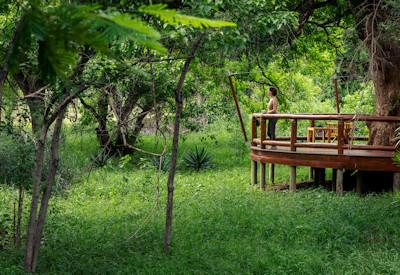
Tuli Safari Lodge Mashatu
Tuli Safari Lodge Mashatu sits in shady gardens on the Limpopo in the Northern Tuli Game Reserve. Tented suites stand on timber decks, the pool is set into a sandstone outcrop, and the grounds hold a waterhole, hide and walking trail.
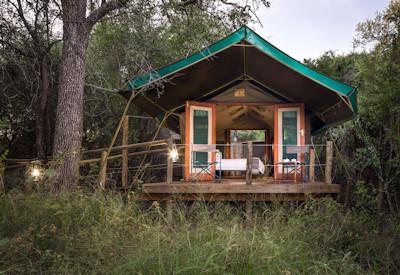
Mashatu Tent Camp
Choose Mashatu Tent Camp if you want canvas rather than walls: Meru-style tents under big trees, open-air bathrooms and no air-conditioning. Dinner in the boma looks out over a floodlit waterhole, and a plunge pool takes the edge off hot afternoons.
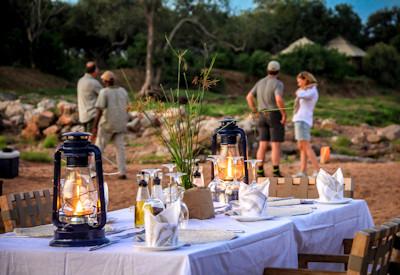
Koro River Camp
Koro River Camp stands on a wooden deck on the Limpopo's bank, upstream of its island sister in the Kwa Tuli Private Game Reserve. Canvas suites, a pool above the river and a riverside massage area, with game drives and walks from camp.
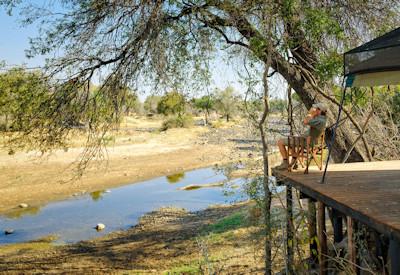
Koro Island Camp
Reached only by a suspension bridge, Koro Island Camp occupies a small island in the Limpopo, in the Kwa Tuli Private Game Reserve. A few tents under riverine trees, a thatched lounge and a riverside boma make it a good fit for small groups and families.
Mashatu Euphorbia Villas
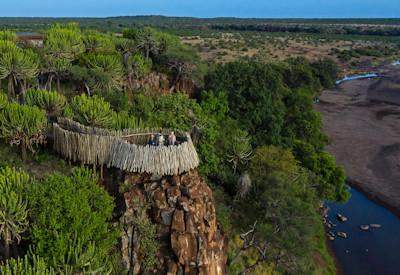
For privacy, Mashatu Euphorbia Villas hides its villas, each shaped like a mopane pod, in a euphorbia forest on a cliff above the Majale River. Each has its own plunge pool, game drives carry no more than four guests, and the camp runs on solar power.
Mashatu Lodge
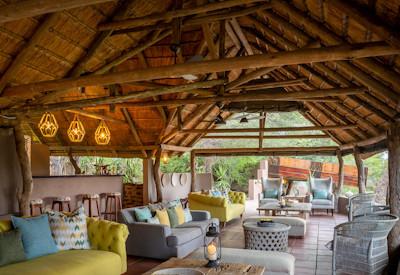
Mashatu Lodge faces a floodlit waterhole where elephants come to drink. Air-conditioned suites ring the lodge, some interconnecting for families, and the Discovery Room shows finds from the reserve. Walks, cycling and horse riding add to the drives.
Planet Baobab
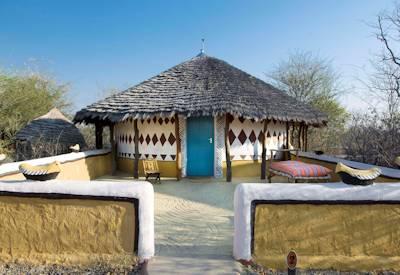
Planet Baobab stands among giant baobabs near Gweta, its thatched huts and shady campsite gathered round a pool and bar. Habituated meerkats, baobab walks, village visits and game drives to Ntwetwe Pan run from camp, with quad biking on the pans in the dry season.
Meno a Kwena
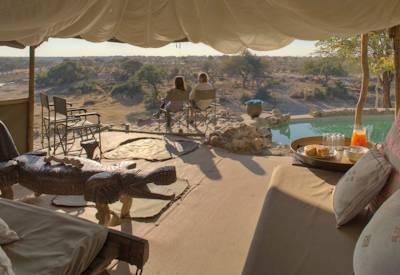
Meno a Kwena perches on a clifftop above the Boteti River, looking across to the protected Makgadikgadi Pans. Expect a floating hide at water level, boating, San-guided walks and a rock pool, plus a sleep-out on the pans for stays of three nights or more.