
10 Reasons To Visit Botswana
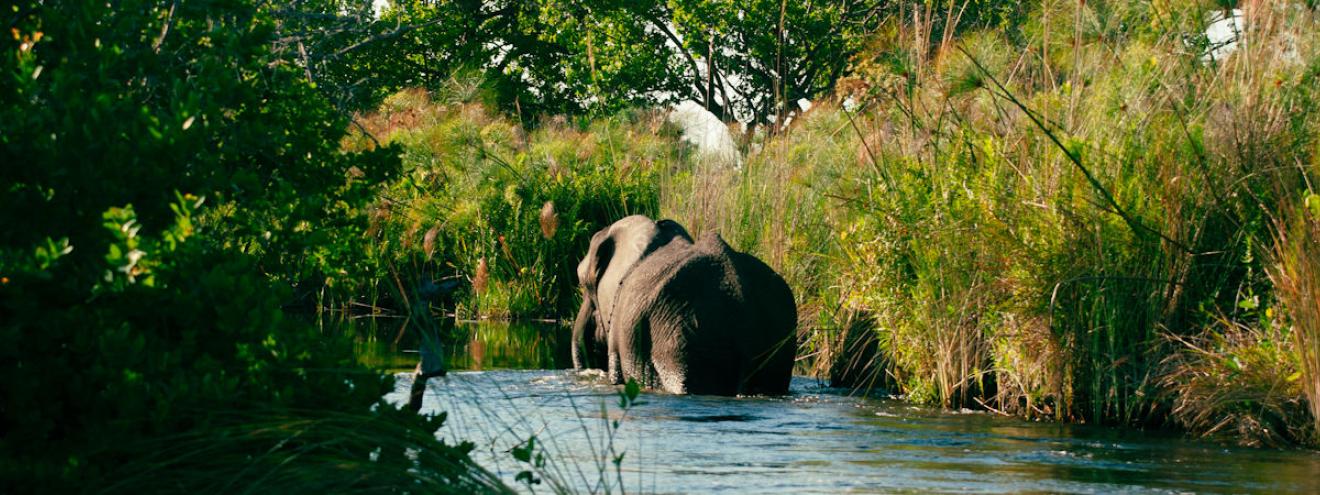
10 Reasons Why Botswana Should Be Your Next Travel Destination
Botswana stands as one of Africa’s most pristine safari destinations, offering spectacular wildlife encounters across vast wilderness areas that remain refreshingly uncrowded. Known for its diverse ecosystems, Botswana is home to iconic landscapes such as the Okavango Delta, a UNESCO World Heritage Site teeming with life, and the sprawling Kalahari Desert, where unique species like meerkats and black-maned lions roam. For travellers seeking an authentic African adventure, few destinations deliver the combination of exclusive access, incredible wildlife, and conservation-focused experiences quite like this southern African gem. With a commitment to low-impact, high-quality tourism, Botswana ensures its natural beauty and wildlife are preserved for generations to come, making it an ideal destination for eco-conscious travellers.
Key Takeaways
Since 1999, Uyaphi.com has been crafting tailor-made Botswana safaris for discerning travellers seeking unforgettable wildlife encounters. Here’s what makes Botswana an exceptional choice:
- World-class wildlife destinations, including the Okavango Delta, Chobe National Park, and the Kalahari Desert, offer unparalleled safari experiences with the world’s largest elephant herds, big cats, and rare African wild dogs.
- Over a third of Botswana’s land falls under conservation protection, making it one of Africa’s most ecologically significant safari destinations with superb Big Five sightings.
- Low-impact, high-quality tourism means fewer visitors, larger private concessions, and more intimate wildlife encounters compared to other African countries.
- Versatile experiences suit luxury honeymoons, family safaris, wildlife photographers, and adventure-seekers alike, from traditional mokoro canoe trips to luxury camps with private plunge pools.
- Uyaphi.com builds bespoke itineraries around each traveller’s interests, handling everything from light aircraft transfers to 24-hour emergency support.
Ready to start planning your Botswana safari? Contact a Uyaphi.com safari expert to begin designing your perfect itinerary.
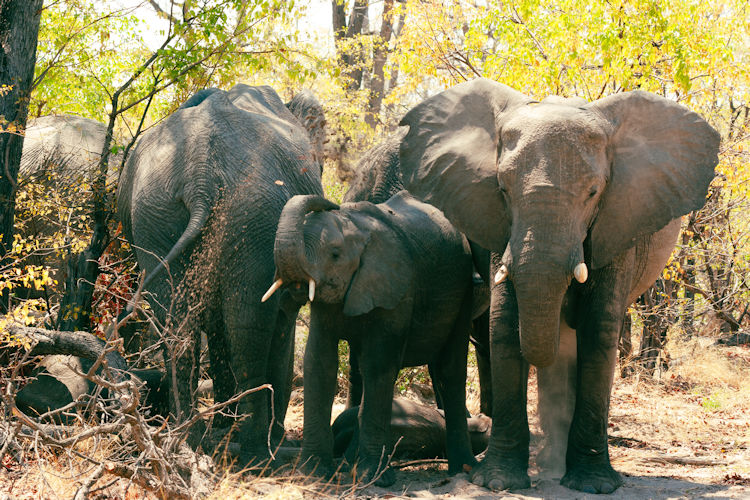
1. The Miracle of the Okavango Delta
The Okavango Delta represents one of Earth’s most extraordinary natural phenomena—a UNESCO World Heritage Site where an annual flood transforms the Kalahari Desert into a thriving oasis spanning up to 15,000 square kilometres at peak flood. Unlike most river systems that end at the ocean, the Okavango River flows inland from Angola, spreading across northern Botswana’s ancient sands roughly between May and August each year.
This seasonal flooding creates an ever-changing mosaic of channels, lagoons, and palm-dotted islands that draws wildlife from across the region. Elephants wade through crystal-clear waters, lions stalk prey across open flood plains, leopards patrol riverine woodlands, and vast herds of buffalo gather on seasonal grasslands. The Delta’s intricate waterways support remarkable wildlife diversity, making it one of the Seven Natural Wonders of Africa.
What sets the Okavango apart is the vast range of safari activities available:
- Game drives on larger islands like Chief’s Island, where dry ground allows vehicles to track predators
- Walking safaris with experienced guides through mopane woodlands
- Boat cruises through deeper channels, observing hippos and crocodiles
- Traditional mokoro canoe excursions gliding silently through lily-covered lagoons
Uyaphi.com commonly features exceptional properties throughout the Delta, including luxury lodges like Xigera Safari Lodge and intimate Botswana camps such as Camp Okavango. Most guests arrive via small bush planes from Maun or Kasane, adding an unforgettable aerial perspective over the intricate waterways below.
The Delta’s different zones—permanent water areas versus seasonal floodplains—offer varied photographic and wildlife opportunities. Uyaphi.com tailors itineraries to include multiple Delta sections, ensuring guests experience this natural beauty from every angle.
2. Chobe and the Largest Elephant Herds in Africa
Chobe National Park has earned its reputation as the “Land of the Giants” for good reason. Home to approximately 120,000–130,000 elephants, it boasts the world’s largest concentration of these majestic creatures anywhere on the African continent. Watching hundreds of elephants gather at the Chobe River during golden sunset hours remains one of Africa’s most iconic wildlife encounters.
Classic Chobe experiences revolve around the river and its surrounding floodplains:
| Activity | Best Time | Highlights |
|---|---|---|
| Boat cruises | Late afternoon | Elephants swimming, hippo pods, crocodiles basking |
| Game drives | Sunrise/sunset | Buffalo herds, lion prides, large antelope species |
| Photography sessions | May–October | Dramatic dry season congregations at water sources |
The dry months between May and October deliver the most dramatic game viewing, as the largest land animals in Africa—elephants, buffalo, and hippos—concentrate along the riverfront. Large flocks of waterbirds, including the striking African fish eagle, create spectacular backdrops for photographers.
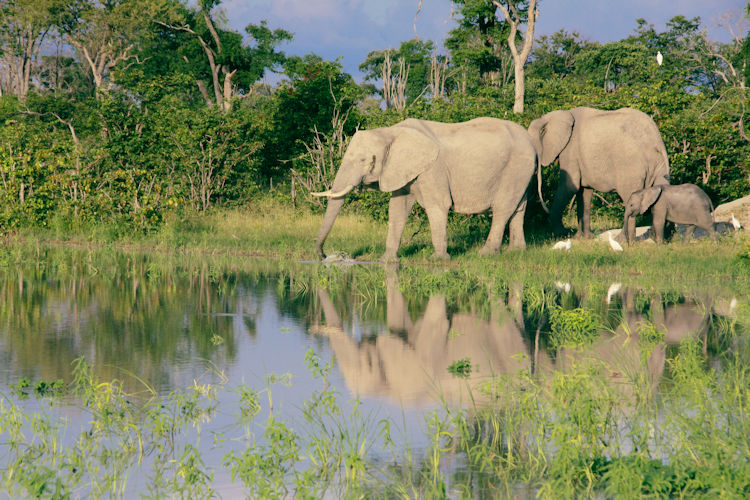
A breathtaking scene captures elephants drinking at a river during sunset, with the golden light reflecting beautifully on the water, showcasing the natural beauty of Botswana. This moment highlights the incredible wildlife and stunning scenery found in places like Chobe National Park and the Okavango Delta, making it a compelling reason to visit Botswana for an unforgettable safari experience.
The town of Kasane serves as the gateway to Chobe, offering easy access to both the national park and luxury Botswana lodges along the riverfront. For guests seeking more exclusive experiences, Uyaphi.com can arrange stays at boutique properties or Chobe houseboats, providing intimate wildlife encounters away from day-visitor crowds.
Chobe also combines seamlessly with Victoria Falls via the Kazungula border crossing—just a short drive or boat transfer away. Uyaphi.com frequently links these iconic destinations within custom itineraries, allowing guests to experience both spectacular wildlife and one of the world’s most impressive waterfalls.
3. Makgadikgadi & Nxai Pans: Salt Flats, Stars and Zebra Migration
The Makgadikgadi and Nxai Pans present an utterly different face of Botswana—vast, otherworldly salt pans stretching toward the horizon in every direction. These ancient lake beds, covering over 16,000 km², create lunar-like landscapes where glittering white crusts meet endless skies. Iconic baobab trees, including the famous Baines’ Baobabs painted by the explorer Thomas Baines in 1862, add dramatic focal points to this minimalist terrain.
The seasonal transformation here ranks among Africa’s most remarkable wildlife spectacles. Following the seasonal rains (typically December through March), thousands of zebras—Botswana’s national animal—migrate from the Chobe region to the Makgadikgadi salt pans in search of sweet grasses. Wildebeest join this movement, and where prey gathers, predators follow.
Signature experiences in this region include:
- Quad biking across the endless pan surfaces during the dry season (June–October)
- Sleep-outs on the open pans beneath the Milky Way, far from any light pollution
- Meerkat encounters at habituated colonies near the iconic Jack’s Camp or San Camp
- Cultural interactions with local communities whose ancestors have inhabited these lands for millennia
The flat horizons and absence of artificial light make Makgadikgadi exceptional for stargazing, with some of the darkest skies in southern Africa. Uyaphi.com arranges romantic sleep-outs and dedicated astronomy sessions for guests seeking unforgettable celestial experiences.
This region pairs beautifully with the Okavango Delta or Chobe, creating dramatic contrasts between lush wetlands and stark desert landscapes. Uyaphi.com builds Makgadikgadi or Nxai Pan stays into longer itineraries, ensuring guests experience Botswana’s remarkable habitat diversity.
4. The Wild Kalahari and Ancient San Culture
The Central Kalahari Game Reserve sprawls across some 52,000 square kilometres, making it one of Africa’s largest and most remote protected areas. Big skies stretch endlessly above fossil river valleys like Deception Valley and Sunday Pan, where dramatic summer thunderstorms paint the landscape in shifting light and shadow.
This ancient desert supports remarkable desert-adapted animals that have evolved to thrive with minimal water:
- Black-maned Kalahari lions, often larger and more impressive than their Delta counterparts
- Cheetah hunting across open grasslands
- Brown hyena, one of Africa’s most elusive carnivores
- Springbok and oryx in large herds
- Nocturnal specialists, including aardwolf and bat-eared fox
The green season (roughly November through April) rewards patient visitors with exceptional predator sightings as wildlife disperses across rejuvenated grasslands.
Beyond wildlife, the Kalahari holds profound cultural significance as the ancestral homeland of the San people—one of southern Africa’s oldest hunter-gatherer cultures. Guided nature walks with San trackers offer extraordinary insights into traditional knowledge: reading animal tracks, identifying medicinal plants, and understanding survival techniques perfected over thousands of years.
Uyaphi.com selects Kalahari partners carefully, choosing camps that offer authentic, community-benefitting San cultural experiences rather than contrived village shows. Staying at least three nights allows guests to fully appreciate the Kalahari’s unique pace and extraordinary night skies—among the most star-filled anywhere on Earth.
5. Big Cats, Wild Dogs and Exceptional Game Viewing
Botswana’s low-impact tourism model—limiting visitor numbers while charging higher conservation fees—creates safari conditions that serious wildlife enthusiasts dream about. Fewer vehicles, larger concessions, and uncrowded sightings define the Botswana safari experience.
Key big-game areas each offer distinct predator specialities:
| Area | Primary Predators | Landscape |
|---|---|---|
| Moremi Game Reserve | Lions, leopards, wild dogs | Varied: water, woodland, savannah |
| Savuti | Lions (buffalo specialists), cheetah | Open grasslands, marsh |
| Linyanti | Wild dogs, leopards, lions | Riverine woodland, wetlands |
| Khwai | Lions, leopards, spotted hyenas | Floodplains, mopane woodland |
African wild dogs—also called painted wolves—represent a particular highlight. These endangered predators live in tight-knit packs, and Botswana’s Linyanti region and parts of the Okavango Delta support some of Africa’s most stable populations. Watching a pack coordinate a hunt across the African savannah remains one of the continent’s most thrilling wildlife encounters.
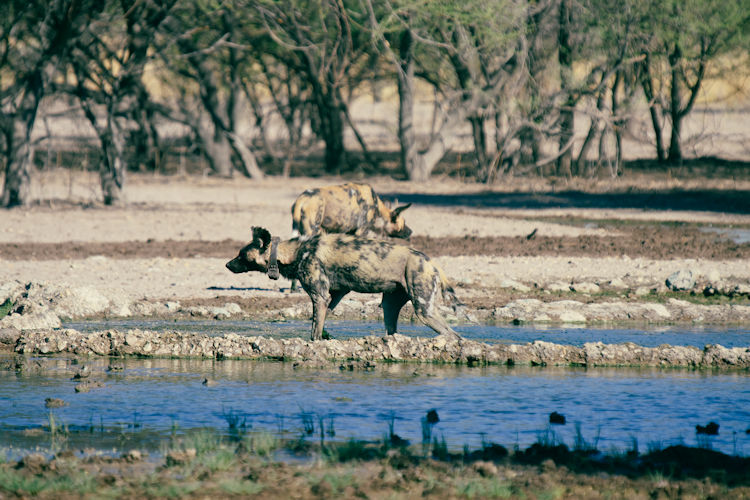
A pack of African wild dogs rests in golden grass, their alert expressions showcasing their keen awareness of the surroundings. This scene captures the incredible wildlife of Botswana, a key reason to visit the country for an unforgettable Botswana safari experience in national parks like Chobe and Moremi Game Reserve.
The dry season (June through October) typically offers the most reliable big cat sightings as vegetation thins and animals congregate around shrinking water sources. However, Uyaphi.com can time trips around specific interests—wild dog denning season, zebra migrations, or peak predator activity in particular reserves.
For guests prioritising predator encounters, Uyaphi.com recommends including at least two different ecosystems within a 7–10 night itinerary. Combining Moremi Game Reserve with Linyanti, for example, maximises chances of observing varied hunting behaviours across different terrains.
6. Birding Paradise and Green-Season Safaris
Botswana qualifies as a premier birding destination across the African continent, with roughly 500–600 recorded bird species across its varied habitats. The green season (approximately November through April) proves particularly rewarding, transforming dusty landscapes into lush environments alive with breeding activity.
Key birding hotspots include:
- Okavango Delta: Pel’s fishing owl, African fish eagle, malachite kingfisher, and countless herons
- Chobe floodplains: African skimmers, carmine bee-eaters, and massive stork colonies
- Makgadikgadi and Sowa Pan: Greater and lesser flamingos (in good flood years, numbering in the tens of thousands)
The wet season brings more than exceptional birding. Afternoon thunderstorms and fresh grazing attract plains game and young animals, creating dramatic predator-prey interactions. Photographers willing to work with thicker vegetation often capture their most evocative images during these months.
Many lodges offer specialist birding guides or can arrange private vehicles for dedicated enthusiasts. Uyaphi.com pre-books these options for serious birders, ensuring appropriate expertise and flexibility.
Green-season itineraries offer another significant advantage: rates at many lodges drop by 30–50% compared to peak dry season pricing. This makes Botswana’s top exclusive lodges considerably more accessible without sacrificing comfort, guiding quality, or wildlife encounters.
7. Water-Based Safaris: Mokoros, Boats and Canoe Adventures
Water defines the Botswana safari experience in ways that set it apart from most African destinations. The Okavango Delta, Chobe Riverfront, Selinda Spillway, and Linyanti wetlands all offer opportunities to explore from the water—providing entirely different perspectives on wildlife and landscape.
The traditional mokoro—a traditional dugout canoe poled through shallow channels—delivers one of Africa’s most serene safari activities. Gliding silently through reed-lined waterways and lily-covered lagoons, guests observe:
- Frogs and dragonflies at eye level
- Quietly grazing antelope like red lechwe and sitatunga
- Diverse waterbirds undisturbed by engine noise
- The intricate ecosystem of Africa’s greatest wetland
Local polers, many from communities that have navigated these waterways for generations, guide these excursions with intimate knowledge of currents, wildlife behaviour, and seasonal changes.
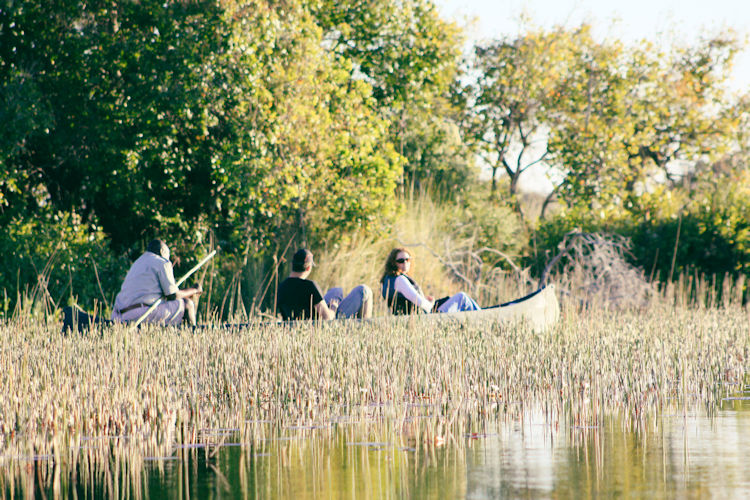
Boat-based safaris on the Chobe River and in deeper Okavango channels offer different advantages—stable platforms for photography, access to hippo-filled waters, and dramatic encounters with elephants drinking and bathing at water’s edge.
For adventurous travellers, multi-day canoeing expeditions on the Selinda Spillway or similar waterways provide expedition-style immersion. These options suit active guests comfortable with rustic camps and genuine wilderness conditions.
Uyaphi.com designs itineraries incorporating both land and water-based safari activities, ensuring guests experience Botswana’s spectacular wildlife from multiple perspectives within a single trip.
8. Unrivalled Exclusivity, Remote Luxury and Mobile Safaris
Botswana’s “high quality, low volume” tourism policy creates an exclusivity that distinguishes it from busier safari destinations. Limited lodges, vast private concessions, and strict environmental controls keep visitor numbers remarkably low across the country’s prime wildlife areas.
The result? Remote luxury camps where guests genuinely feel they have the wilderness to themselves:
- Few guests (often just 12–16 per camp)
- Vast private reserves (tens of thousands of hectares per property)
- Activities unavailable in public parks: night drives, off-road tracking, walking safaris
- Exceptional guiding standards
Many luxury safari lodges feature amenities that seem almost surreal in such remote settings—private plunge pools overlooking waterholes, gourmet cuisine prepared by talented chefs, and en-suite bathrooms with outdoor showers beneath the stars.
For those seeking deeper immersion, mobile camping safaris offer an expedition-style alternative. Unlike basic camping, high-end mobile safaris provide:
| Feature | Basic Camping | Luxury Mobile Safari |
|---|---|---|
| Sleeping | Dome tents, sleeping bags | Proper beds, fine linen |
| Bathing | Bucket shower (self-service) | Hot bucket showers (attended) |
| Meals | Simple, self-prepared | Chef-prepared multi-course dinners |
| Guiding | Variable | Dedicated guide team throughout |
| Movement | Fixed routes | Flexible, following wildlife |
Luxury tented camps move through different areas, following seasonal wildlife movements or accessing multiple ecosystems within a single journey. This style works exceptionally well for photographers, adventurous couples, and families with older children.
Uyaphi.com combines permanent lodges with mobile segments, giving guests both exceptional comfort and a genuine sense of expedition. Private departures for small groups ensure complete flexibility and personalisation.
9. Conservation Leadership and Responsible Tourism
Botswana’s commitment to conservation stands among the strongest in Africa. More than a third of the country’s land falls under protection as national parks, game reserves, and wildlife management areas—a remarkable achievement that underpins every safari experience.
The low-density tourism model directly supports conservation efforts:
- Higher fees fund anti-poaching operations across vast wilderness areas
- Habitat protection prevents fragmentation of critical wildlife corridors
- Community projects ensure local communities benefit directly from tourism revenues
- Wildlife populations remain healthy due to limited human pressure
Conservation success stories abound. Rhino reintroduction programmes have returned these magnificent animals to parts of the Okavango Delta. Critical elephant corridors connecting northern Botswana to neighbouring countries remain protected, supporting the seasonal movements of the world’s largest elephant herds.
Sustainable tourism here means travellers’ spending directly supports both wildlife protection and local livelihoods. Many lodges employ staff exclusively from local communities, operate on solar power, use low-impact building materials, and share revenues with community trusts.
Uyaphi.com selects lodge partners with strong eco-credentials, ensuring guests’ travel contributes meaningfully to conservation and community development. For travellers who care about travelling responsibly, Botswana offers a way to enjoy extraordinary luxury while supporting genuine environmental stewardship.
10. Tailor-Made Safaris for Every Traveller with Uyaphi.com
Botswana’s versatility surprises many first-time visitors. The same destination works brilliantly for ultra-luxury honeymoons, multi-generational family trips, solo travellers seeking adventure, and serious photographers chasing that perfect shot.
Uyaphi.com tailors every itinerary around specific traveller needs:
| Traveller Type | Uyaphi.com Customisation |
|---|---|
| Photographers | Private vehicles, optimal positioning times, camps with hides |
| Families | Family-friendly lodges with interleading tents, kids’ programmes, flexible game drive times |
| Couples | Romantic sleep-outs, star-beds, private dinners, honeymoon amenities |
| Adventurous guests | Self-drive extensions, mobile camping segments, walking safari focus |
| First-timers | Balanced itineraries covering iconic highlights with expert guiding |
Logistics receive equal attention. Uyaphi.com handles:
- Flights into Maun or Kasane (often connecting from Cape Town or Johannesburg)
- Light aircraft transfers between remote camps
- Optional Victoria Falls extensions
- 24-hour emergency support throughout your trip
Ideal trip lengths depend on your priorities. A first-time visitor typically needs 7–10 nights to experience Botswana’s highlights properly, while 10–14 nights allows in-depth exploration of multiple regions. Popular routing combinations include:
- Okavango Delta + Chobe (classic first visit)
- Okavango + Chobe + Makgadikgadi (comprehensive)
- Okavango + Kalahari (contrasting ecosystems)
- Multiple Delta camps + Linyanti (predator-focused)
Ready to plan your Botswana safari? Contact Uyaphi.com’s Botswana experts to discuss your dates, budget, and interests. Whether you’re dreaming of elephants along the Chobe River, wild dogs in the Linyanti, or stargazing over the Makgadikgadi salt pans, our team will create a fully bespoke itinerary and quotation tailored precisely to your vision.
Frequently Asked Questions about Visiting Botswana
When is the best time of year to visit Botswana for a safari?
Botswana offers excellent safari experiences year-round, though each season delivers different highlights:
Dry season (May–October):
- Cooler temperatures, minimal rainfall
- Best for classic big-game viewing as animals concentrate at water sources
- Peak Okavango floods typically occur in June–August
- June–August: Prime predator viewing in Moremi and Chobe
- September–October: Intense heat but dramatic sightings around shrinking waterholes
Green season (November–April):
- Warmer temperatures with afternoon thunderstorms
- Excellent for birding, including migratory species
- Baby animals and breeding activity
- December–March: Zebra migrations in Makgadikgadi and Nxai Pan
- Lower rates at many luxury camps
Uyaphi.com recommends specific dates based on each guest’s priorities—whether that’s big cats, migratory birds, quieter camps, or family holiday timing.
Is Botswana suitable for families with children?
Botswana welcomes families when itineraries are planned thoughtfully. Many lodges offer family tents or interleading rooms, dedicated child-minding, and special activities designed for younger guests.
Important considerations include:
- Age limits for certain activities: walking safaris and mokoro trips typically require children to be 12–16 years minimum, depending on camp policy.
- Private concessions often prove more flexible, allowing families exclusive vehicle use.
- Some camps specialise in family experiences with swimming pools, shorter game drives, and educational programmes.
Parents should discuss children’s ages and interests with Uyaphi.com early in the planning process. This ensures the selection of appropriate camps, realistic travel days, and activities that keep all ages engaged and safe.
Do I need malaria tablets and special vaccinations for Botswana?
Northern Botswana—including the Okavango Delta, Chobe, Linyanti, and Makgadikgadi—is considered a malaria risk area, particularly during and immediately after the rainy season. Most travellers consider prophylactic medication as a precaution.
Health requirements vary based on:
- Your country of origin
- Recent travel history
- Personal health conditions
Always consult your doctor or a travel clinic for personalised medical advice before travelling. Uyaphi.com can share practical health and packing guidance once your itinerary is confirmed, including recommendations for insect repellent, appropriate clothing for evenings, and using bed nets where provided.
How expensive is a Botswana safari compared to other countries?
Botswana generally sits at the higher end of African safari pricing. This reflects the low-volume, high-quality tourism model and the high costs of operating remote fly-in camps in pristine wilderness areas.
Contextual guidance:
- Fully inclusive lodge rates (meals, local drinks, activities) typically exceed comparable options in South Africa or Kenya.
- Green-season specials and longer-stay deals offer significant value.
- The exclusivity—fewer vehicles, uncrowded sightings, vast private concessions—justifies premium positioning for many travellers.
Share a realistic budget range with Uyaphi.com early in discussions. This allows the team to recommend the right combination of regions, camps, and duration to maximise value without compromising your safari experience.
How far in advance should I book a Botswana safari?
Booking timelines depend on your preferred travel dates:
- Peak dry season (June–October): Book 9–12 months in advance, especially for small, high-end camps in the Okavango and Linyanti, where availability is limited
- Green season and shoulder periods (November, April, early May): Shorter lead times sometimes possible, though choice remains limited at very small lodges
- Special occasions (honeymoons, milestone birthdays): Book early to secure specific camps and room categories
Contact Uyaphi.com as early as possible with your preferred dates. This ensures flights, key camps, and connecting transfers can be secured before availability tightens—particularly for Botswana’s most sought-after properties during peak season.
Travel To Botswana Now
Map of Lodges in and around Botswana
Lodges And Camps In Botswana
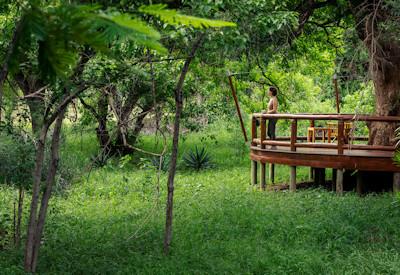
Tuli Safari Lodge Mashatu
Tuli Safari Lodge Mashatu is a luxury safari lodge situated along the banks of the Limpopo River in the Mashatu Game Reserve and Tuli Block area of Botswana. It offers guests an exclusive African experience with its luxurious appointed interiors and only eight tented suites - each featuring a private wooden deck and breathtaking views of the surrounding wilderness. Guests can relax in the tranquil setting of the lodge and take advantage of its swimming pool, star-gazing deck, hide and walking trails, or explore the nearby wildlife.
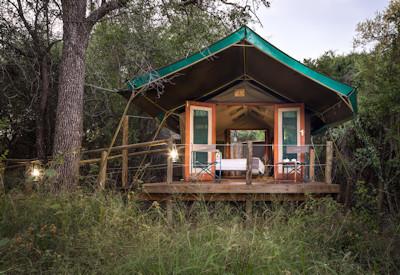
Mashatu Tent Camp
Mashatu Tent Camp is a luxurious safari destination situated in the heart of Botswana's Mashatu Game Reserve. This picturesque tented camp offers an African experience, combining home comforts and nature's sounds. Tent Camp consists of 8 Meru-style tented suites, each fully furnished with modern amenities and creature comforts, while the surrounding wilderness offers a range of activities, including night game drives, guided nature walks and bird watching. A stay of 3-5 nights is recommended for a truly unique African bushveld experience.
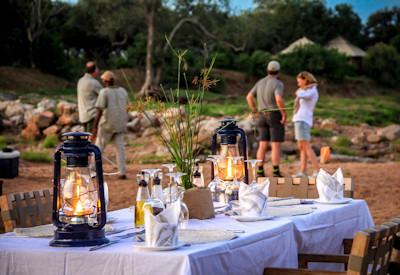
Koro River Camp
Koro River Camp is a luxurious safari lodge located in Botswana's Tuli concession area on the Limpopo River's banks. River Camp offers seven tented suites with private decks that provide captivating views of the surrounding wilderness and wildlife. Guests can take advantage of various safari activities, including game drives, bush walks and safaris and night drives and mountain biking with experienced guides to provide a unique safari experience. Koro River is the perfect escape for families, solo travellers or groups looking to explore Botswana'sBotswana's wild beauty in comfort and safety.
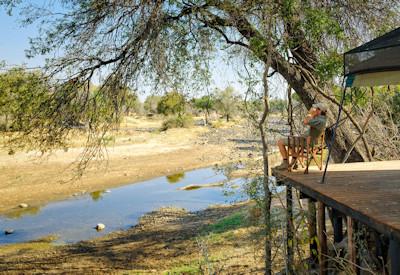
Koro Island Camp
Koro Island Camp is situated on the Central Tuli Block of Botswana and is only accessible by an intricate suspension bridge over the Limpopo River. It is a classic safari camp, offering only four en-suite Meru safari tents for guests to experience the true African wilderness in comfort. Guests can partake in various activities such as game drives, bird watching and walking trails, perfect for small groups of explorers. Experience the wonders of nature in an unforgettable escape at Koro Island Camp!
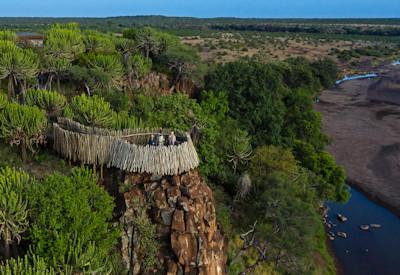
Mashatu Euphorbia Villas
Mashatu Euphorbia Villas is a luxurious oasis in Botswana's world-renowned Mashatu Game Reserve. This luxurious safari lodge consists of just eight secluded villas crafted from local raw materials, offering guests an unforgettable experience amidst the stunning beauty of the Botswana bushveld. The lodge has implemented state-of-the-art solar energy and water treatment systems in keeping with its commitment to sustainability. Enjoy captivating safari activities or relax in the tranquillity of this remote hideaway for a truly unique experience.
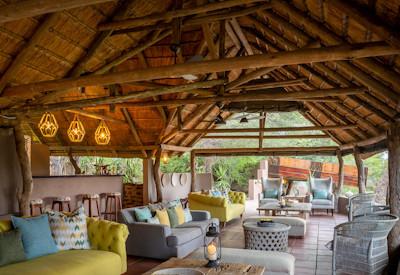
Mashatu Lodge
The luxurious Mashatu Lodge is located in the heart of Botswana's Mashatu Game Reserve. The Lodge features just 14 luxury suites, each with modern amenities and creature comforts to ensure an unforgettable safari experience. Guests can enjoy a variety of activities while staying at Mashatu, from game walks to cultural tours and night drives. With its lush landscape and diverse wildlife, Mashatu Lodge is the perfect destination for a truly unique African safari experience.
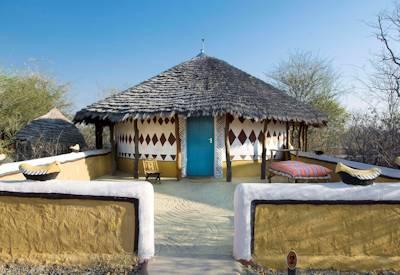
Planet Baobab
Welcome to the quirky Planet Baobab Lodge in Botswana, close to the famed Makgadikgadi National Park, where you'll find yourself amongst ancient baobab trees and some of the best desert wildlife viewing opportunities in Africa. Here you can enjoy game drives, safari walks, quad biking, and much more! The accommodation options, excellent service, and numerous amazing safari activities make Planet Baobab a top destination for safaris. Simply put, if you are on more of a budget, look no further than Planet Baobab.
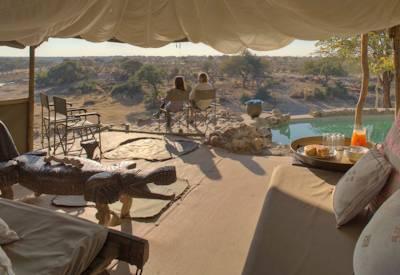
Meno a Kwena
A hidden gem of a camp perched on a rocky clifftop above the Boteti River and overlooking the Makgadikgadi Pans National Park. If you're looking for an amazing safari experience that is off the beaten path, Meno a Kwena should be at the top of your list. Whether you're a fan of wildlife viewing or just want to relax and take in the amazing night stars, Meno a Kwena Camp is definitely worth considering for your next safari in Botswana.