
100 Years Anniversary of WW1 in Africa
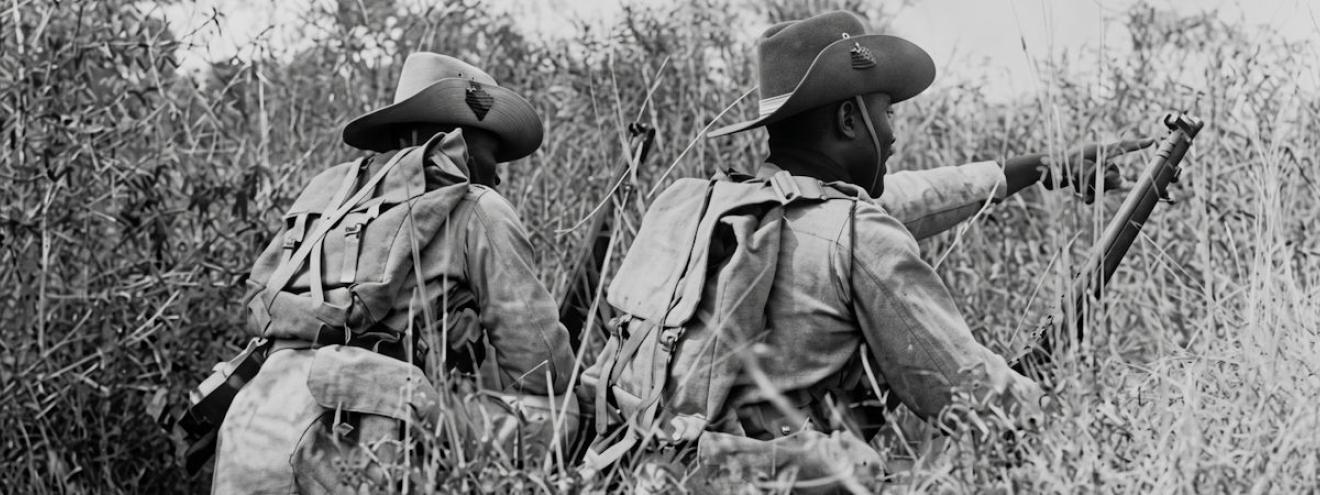
In 2014, most of Europe, the UK, North America and the majority of the former British colonies and territories will be commemorating the 100th anniversary of the start of the First World War. These commemorations will be times of reflection, of memory and certainly not of celebration. Much has happened in Africa since 1914 but not many people realise that there was an active and very real war fought during that period. If the Burma campaign of World War 2 was fought by the forgotten army, the African campaign of World War 1 was the forgotten war.
Whereas the carnage in Europe dominated and obliterated all other news coverage, the African campaign (campaigns) was notable for many reasons:
- The campaign in East Africa was the longest campaign of the war (5 August 1914 – 25 November 1918)
- The first shot fired in anger by a British combatant in WW1 was by RSM Grunshi (Gold Coast Regiment) in Cameroon
- The only naval vessel from WW1 still in active service today is the MV Liema (formerly the Graf von Goetzen) plying her trade as a peaceful passenger/cargo steamer on Lake Tanganyika
- The German general von Lettow-Vorbeck was the only undefeated German general of the war
- The same general was the only German commander to occupy British territory during the war; Taveta in British East Africa
- It was the first war in which organised native troops (African) on either side fought with white men and against them
- The highest casualty rate of the whole conflict due to illness and starvation rather than wounds in battle: 75%
- The longest naval battle of the war was against the German light cruiser Königsberg in the Rufiji Delta
Due to its scope and range, the majority of interest in the African campaign is focused on East Africa. Sensing an interesting and alternative tourist experience, the Sarova Taita Hills Lodge and its dynamic manager Willy Mwadilo have recently started offering battlefield tours; similar to the tours undertaken in northern France and in Zululand. In the Taita Taveta area, a significant amount of shell casings and other battlefield remnants have been found in the trenches and along the encampments.
One of the most curious stories of the war has its origin in this area: that of a German lady sniper (out to avenge her dead husband) hidden in a hollowed-out Baobab tree, which then became a target for the British and survived as the most shot at tree during the whole war and still has the bullet holes to show 100 years later.
The Kenyans and Tanzanians are the keenest to promote this battlefield tourism. Not only for the interest it will generate and money which it will earn but also as a chance to tell the story from an African perspective; of the tens of thousands of indigenous tribesmen who fought on both sides but who have no known grave and are not commemorated in well-kept cemeteries.
This is part of our universal duty of memory and it is fitting that it occurs on this great anniversary.
100 Years Anniversary of WW1 in Africa
Travel To Africa Now
Map of Lodges in and around Africa
Lodges And Camps In Africa
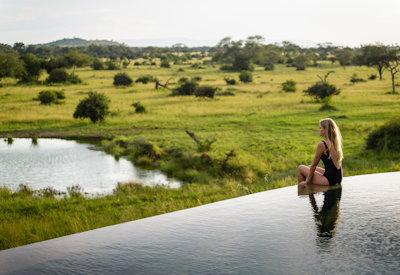
Singita Faru Faru Lodge
Singita Faru Faru Lodge, with 9 air-conditioned luxurious suites, offers barefoot elegance in a laid-back rustic setting; the elevated viewing decks over the watering hole allow guests to view game without even leaving the lodge in the Serengeti and Grumeti. Faru Faru Lodge offers the most amazing infinity pool, perfect for those lazy summer afternoons as well as the most perfect location for a Serengeti safari.
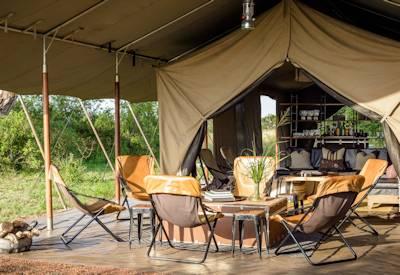
Singita Explorer Tented Camp
Singita Explorer Tented Mobile Camp offers that "roughing-it in great style" for those who are after that up close and personal wildlife Serengeti safari yet still require abounding luxuries. The mobile camp is set up in various remote locations within the private 350 000 private acres of Grumeti Reserve.
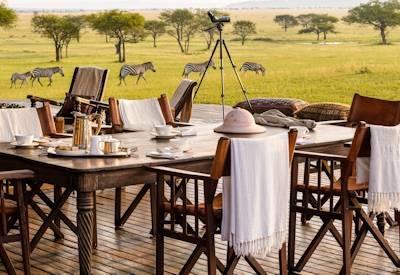
Singita Sabora Tented Camp
Radiating simplistic elegance in the middle of the Serengeti plains, Singita Sabora Tented Camp, with her nine tented suites, evokes a romantic "Out of Africa" adventure with vintage safari tents dressed in classic Edwardian safari accommodation style. located in the heart of the Grumeti Reserve, a private concession bordering the famed Serengeti.
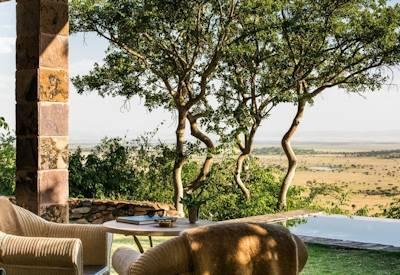
Singita Sasakwa Lodge
Singita Sasakwa Lodge is situated on top of Sasakwa Hill with panoramic views of the vast Plains below; this Serengeti National Park lodge is built in the style of an East African ranch house. If it's solitude you seek, then Grumeti Reserves is the place to be, game drive safaris near the Grumeti River are fantastic year round.
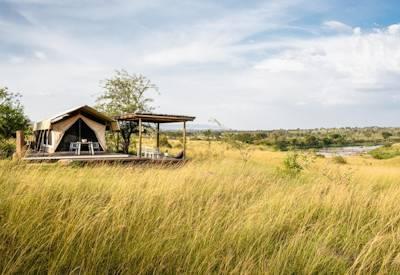
Singita Mara River Tented Camp
Without a doubt, Mara River Tented Camp is one of the most perfectly positioned small luxury safari lodges. Found on the picturesque banks of the Mara River, it's set within the vast 98,000-acre Lamai concession, offering a truly remote escape from all forms of human life. What's truly exceptional is that this specific area boasts some of the highest concentrations of wildlife in the Serengeti, making for spectacular viewing year-round.
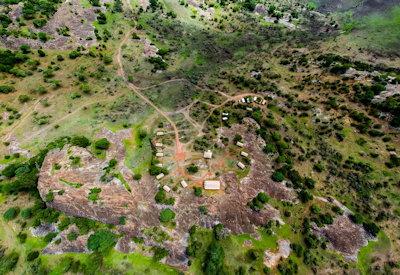
Sanctuary Kichakani Serengeti Camp
Sanctuary Kichakani Serengeti Camp offers an exceptional classic tented safari experience, with a truly unique feature that sets it apart. What is particularly spectacular about this camp is its mobility; it relocates twice a year to ensure it is perfectly positioned for the Great Migration. This incredible attention to detail means that if you stay at Kichakani, you are guaranteed a front-row seat to one of nature's most magnificent spectacles. Without a doubt, this is one of the best ways to ensure you do not miss the drama of the migration.
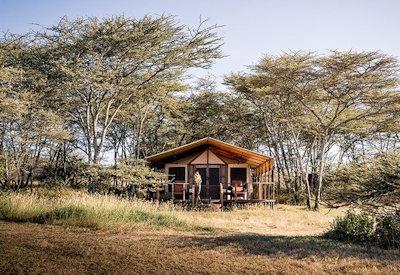
Sanctuary Kusini Camp
Sanctuary Kusini Camp is perfectly sited in a cluster of kopjes, Kusini's 12 luxury safari tents blend seamlessly into the surrounding game-rich plains, part of the charm here is its remote location offering exceptional and essentially private game viewing. One of the better options for a Serengeti safari in the southern regions of the Serengeti National Park.
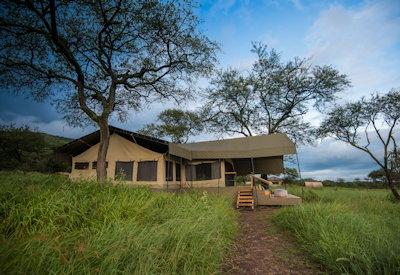
Dunia Camp
Dunia Camp with 8 spacious tented suites, each with expansive views of the pristine wilderness and game-filled plains from a large private veranda. An exceptional safari experience awaits all that visit. Exceptional game-viewing surrounds the camp in the central Serengeti with the chance to explore the Seronera, the Moru Kopjes and the plains teeming with wildlife.