
10 Best Places to Go on Safari in 2026
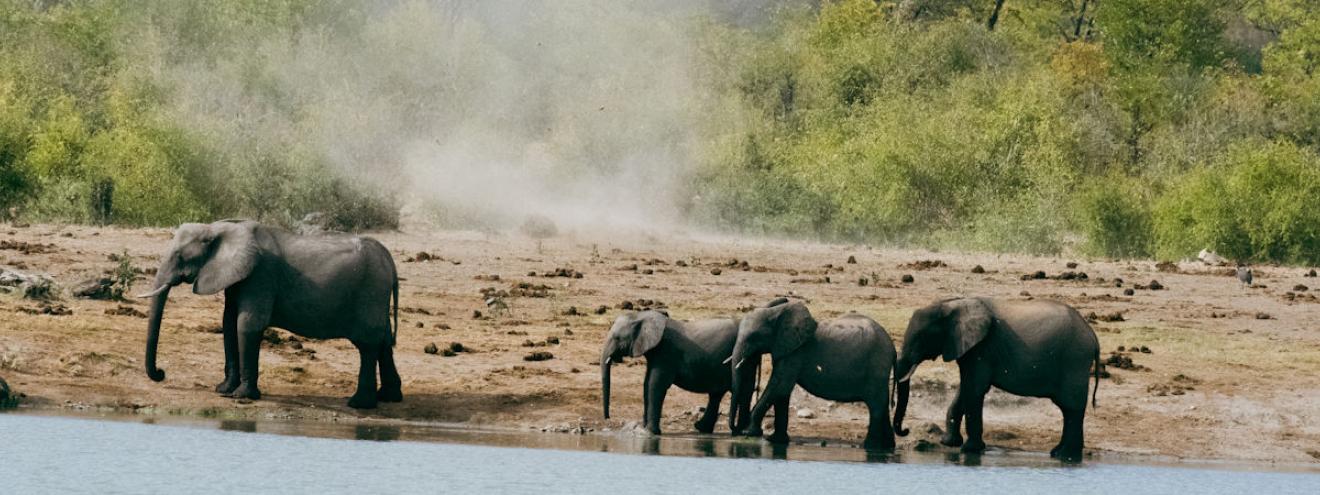
Top 10 Safari Destinations to Explore in 2026
Planning an African safari for 2026? You're making one of the smartest travel decisions possible. With improved infrastructure, expanding eco-lodge networks, and better flight connections into key hubs like Johannesburg, Nairobi, Windhoek, and Maun, next year shapes up as an exceptional time to experience Africa’s wildlife spectacles firsthand.
This guide breaks down the best safari destinations across southern Africa and East Africa—covering Namibia, South Africa, Botswana, Zimbabwe, Zambia, Kenya and Tanzania. Whether you're chasing the great migration, seeking Big Five encounters, or dreaming of walking safaris through untouched wilderness, these ten destinations deliver extraordinary experiences that define what a safari experience should be.
Let's get into where you should be pointing your binoculars in 2026.
Quick Answer: The 10 Best Safari Destinations for 2026
If you're short on time and need the essentials, here are the top safari destinations to consider for your 2026 Africa safari planning:
- Serengeti National Park, Tanzania – The epicentre of the Great Migration and year-round big cat action
- Masai Mara National Reserve, Kenya – Dramatic river crossings and exceptional predator density
- Kruger National Park & Private Reserves, South Africa – The most accessible Big Five destination with superb leopard viewing
- Okavango Delta, Botswana – A UNESCO World Heritage Site offering water-based safaris unlike anywhere else
- South Luangwa National Park, Zambia – The birthplace of walking safaris with Africa's highest leopard density
- Lower Zambezi National Park, Zambia – River-based adventures with elephants, canoeing, and tiger fishing
- Hwange National Park, Zimbabwe – Massive elephant herds and uncrowded game drives
- Etosha National Park, Namibia – Dramatic salt-pan landscapes and waterhole-based viewing
- Damaraland, Namibia – Desert-adapted elephants and cinematic landscapes
- Ngorongoro Crater, Tanzania – Compact yet incredibly game-rich caldera experience
This list focuses exclusively on the prime safari countries of Namibia, South Africa, Botswana, Zimbabwe, Zambia, Kenya and Tanzania. Each destination offers something distinct—and many pair beautifully for longer 2026 itineraries.
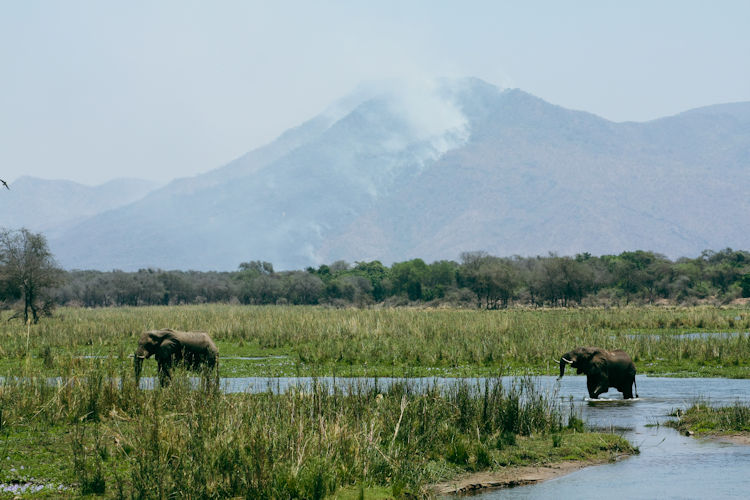
How to Choose the Best Safari in 2026
A safari in 2026 comes with genuine advantages. Post-pandemic recovery has stabilised operations across the continent, new solar-powered luxury lodges are opening, and improved flight routes make reaching remote corners easier than ever. Johannesburg, Nairobi, Windhoek, Lusaka, and Maun now serve as efficient gateways with multiple daily connections.
But choosing the right destination requires matching your priorities to what each region offers:
- Match destination to experience: Are you after a classic Big Five tick-list, intense predator action, breathtaking landscapes for wildlife photography, or immersive walking safaris? Kenya's Masai Mara and Tanzania's Serengeti excel for migration drama, while South Luangwa in Zambia leads for on-foot encounters.
- Understand timing: Dry season (June–October) suits first-timers across most destinations because animals concentrate at water sources and vegetation thins for better visibility. In southern Africa (Namibia, South Africa, Botswana, Zimbabwe, Zambia), this means cooler temperatures and prime game viewing. In East Africa (Kenya, Tanzania), June–October captures the migration's most dramatic chapters.
- Consider budget and style: Options range from simple bush camps to luxury African safari lodges charging $2,000+ per night. Private conservancies offer exclusivity with off-road driving and night drives, while national parks provide a classic safari experience at a lower cost.
- Plan logistics early: For peak months (July–October 2026), book 9–12 months ahead—especially for migration-focused camps in the Mara and Serengeti, or high-demand Okavango Delta properties. Consider combining two neighbouring countries: Botswana pairs naturally with Zimbabwe via Victoria Falls, while Kenya and Tanzania share the migration corridor.
Serengeti National Park, Tanzania
The Serengeti remains the continent’s most iconic Tanzania safari destination, and 2026 is shaping up as an essential year to witness the Great Migration's full cycle. Spanning 14,763 square kilometres of classic East African savannah, this is where roughly 2 million wildebeest, zebras, and gazelles create one of nature's greatest spectacles.
- Wildlife highlights: Expect vast herds of wildebeest and zebra, exceptional lion and cheetah sightings (the park supports some of Africa's healthiest predator populations), large hyena clans, and regular Big Five encounters. The predator density here means almost every game drive delivers drama.
- Best time in 2026: Late January through March brings the calving season to the southern Serengeti and Ndutu plains, where 500,000+ calves are born over a few weeks—drawing predators in extraordinary numbers. June through October focuses on the western and northern corridors, with river-crossing action at the Grumeti (June–early August) and Mara River crossings (July–September).
- Recommended areas: The southern Ndutu plains suit early 2026 visits during calving. Central Seronera offers reliable year-round big cat sightings. For mid–late 2026 river crossing drama, target the northern Kogatende and Lamai areas.
- Experience type: Classic game drives dominate, but mobile tented camps that follow the migration offer an immersive experience. Hot-air balloon safaris at sunrise provide an unforgettable adventure and scenic landscapes from above.
- Practical 2026 tips: High-demand camps in the northern Serengeti for July–September 2026 require booking 12+ months ahead. Consider combining with Ngorongoro Crater for highland contrast, or add a beach experience in Zanzibar post-safari.
Masai Mara National Reserve, Kenya
Kenya's Masai Mara represents the northern extension of the Serengeti ecosystem—and for many travellers, the Kenya safari of choice for predator-prey encounters. At just 1,510 square kilometres, it packs an extraordinary wildlife density into a relatively compact area.
- Wildlife highlights: Large lion prides thrive here, along with over 200 cheetahs and healthy leopard populations. Plains game is plentiful year-round, but the real draw is the Kenyan leg of the Great Migration, when 1.5 million wildebeest and 250,000 zebras pour across the Mara River in mid–late 2026.
- Best time in 2026: July through early October 2026 delivers peak river-crossing action. Shoulder months (June and late October) offer excellent sightings with fewer vehicles—a smart choice for those wanting quality without crowds.
- Where to stay: The main reserve provides good general access, but private conservancies like Naboisho, Olare Motorogi, and Mara North offer significant advantages: fewer vehicles per sighting, permission for night drives, and walking excursions unavailable in the main reserve.
- Cultural elements: Ethical Maasai village visits and community-owned conservancy models let you engage with local culture. These community conservancies return tourism revenue directly to local populations—a meaningful form of sustainable travel.
- Combinations: Pair Masai Mara with Amboseli National Park for Mount Kilimanjaro views and large elephant herds, or add Laikipia's Ol Pejeta Conservancy for rhino-focused conservation in a 7–10 day 2026 itinerary.
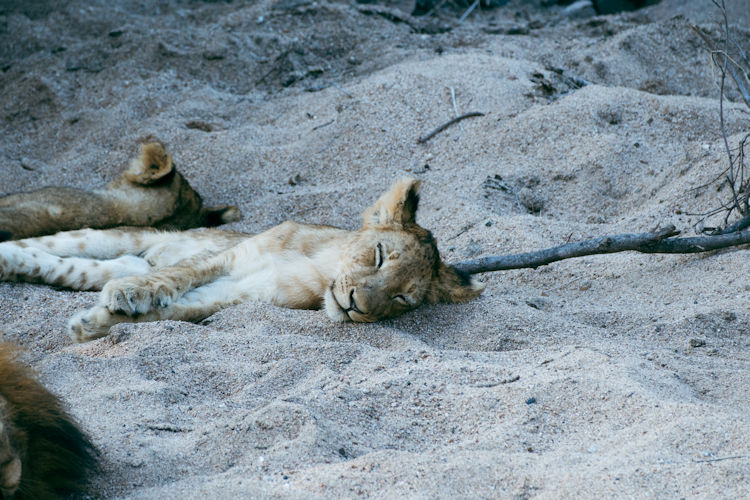
Kruger National Park & Private Reserves, South Africa
For a South Africa safari combining accessibility with exceptional wildlife, Kruger National Park and its adjoining private reserves remain unmatched. Spanning 19,485 square kilometres, Kruger hosts the highest lion population in Africa (over 1,600) and Big Five densities that make sightings almost guaranteed.
- Wildlife highlights: Near-certain Big Five encounters, superb leopard viewing in Sabi Sand (80% success rates per expert guides), strong rhino populations, and regular wild dog sightings in certain sectors. The private reserves like Sabi Sands, Timbavati, and Manyeleti deliver some of Africa's finest predator tracking.
- Best time in 2026: May through September 2026 offers prime game viewing with cool mornings, sparse vegetation, and excellent visibility at waterholes. Winter months (June–August) are particularly comfortable, though October's heat concentrates animals dramatically at the water.
- Experience differences: Self-driving inside Kruger's 400km of tarred roads works well for independent travellers. Private reserves provide guided drives with off-road tracking, limited vehicle numbers per sighting, and expert trackers who find animals that self-drivers miss.
- 2026 travel logistics: Direct flights to Skukuza, Hoedspruit, and Nelspruit from Johannesburg and Cape Town make short 4–6 night safaris easy to slot into 2026 plans. This accessibility makes Kruger ideal for family-friendly safari destinations or travellers short on time.
- Pairings: Combine Kruger with Cape Town and the Winelands, or extend through the Garden Route for a broader South Africa 2026 itinerary. The flight from Cape Town to Kruger takes under two hours—a logistical dream compared to more remote African parks.
Okavango Delta, Botswana
The Okavango Delta stands as one of Africa's most extraordinary ecosystems—a UNESCO World Heritage Site where seasonal floods transform the Kalahari into a lush wetland paradise. For a luxury African safari with water-based experiences, this is the 2026 destination.
- Wildlife highlights: The Delta supports around 150,000 elephants—the world's largest herds—along with buffalo, hippos, red lechwe, and sitatunga antelope. Lions here have adapted to wetland hunting, and the region offers excellent wild dog and leopard sightings. Over 480 bird species reward patient observers.
- Best time in 2026: The annual flood from Angola's highlands typically peaks from June through August 2026, making July–September ideal for mokoro (dugout canoe) activities and boat cruises through lily-covered channels.
- Activity mix: Unlike most safari destinations, the Delta combines land-based game drives with water-based excursions, walking safaris on palm-fringed islands, and photographic hides. This diversity suits wildlife photography enthusiasts and those seeking varied days.
- Areas to consider: Moremi Game Reserve offers excellent value within the Delta system. Khwai community areas balance quality and cost. Private concessions like Jao or the Kwando regions deliver exclusivity with only a handful of guests sharing vast wilderness areas.
- 2026 planning: Botswana operates a high-value, low-impact tourism model, with nationwide bed limits keeping visitor numbers down and rates elevated ($1,200–$2,500 per night at top luxury lodges). Book early for 2026, and consider shoulder months (April–May, October) for slightly lower rates while maintaining excellent wildlife access.
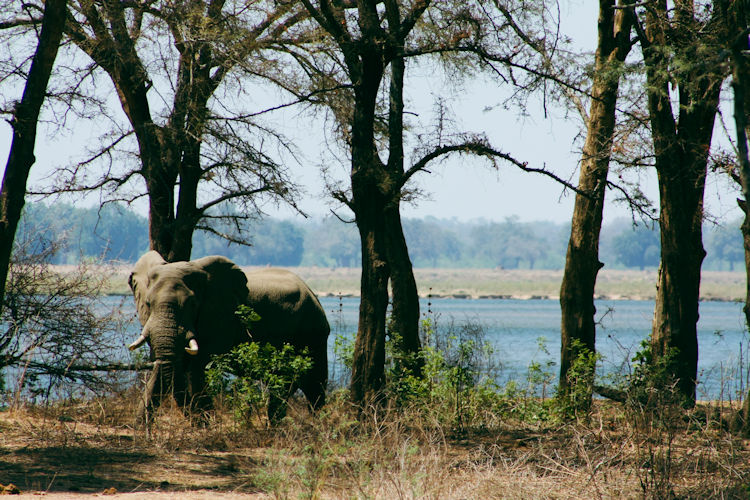
South Luangwa National Park, Zambia
South Luangwa earns its reputation as the birthplace of walking safaris—and for 2026 travellers seeking raw, uncrowded wilderness, this Zambian park delivers an immersive experience unlike anywhere else. The Luangwa River shapes the 9,050-square-kilometre landscape, drawing massive concentrations of wildlife to its banks.
- Wildlife highlights: South Luangwa claims Africa's highest leopard density (approximately 10 per 100 square kilometres), making evening game drives particularly rewarding. Large hippo and crocodile populations line the river, while elephant and buffalo herds number in the thousands. The park supports 400 bird species for dedicated birders.
- Best time in 2026: The dry season from late May through October 2026 brings animals to the river in predictable concentrations. August–September delivers peak conditions for walking safaris, when vegetation thins to its sparsest and wildlife viewing reaches its zenith.
- Walking safaris: This is the definitive destination for on-foot game viewing. Norman Carr pioneered the practice here in the 1950s, and 2026 sees continued growth in expert-guided multi-day walking experiences between bush camps. Few safari experiences match the intensity of approaching wildlife on foot with an armed guide.
- Style of camps: Small, owner-run bush camps with limited guest numbers define the South Luangwa experience. Properties here suit safari purists and adventurous travellers more than first-timers seeking ultra-luxury amenities—though several excellent luxury safari options exist.
- Combinations: Pair South Luangwa with Lower Zambezi for riverine contrast, or add Victoria Falls for one of Africa's most spectacular natural wonders. A 10–14-day Zambia circuit ranks among the continent's hidden gems.
Lower Zambezi National Park, Zambia
Lower Zambezi occupies a special position among African safari destinations—a park where the Zambezi River dominates every experience, and Zimbabwe's Mana Pools rises dramatically across the water. For travellers seeking river cruises, canoeing, and intimate wildlife encounters, 2026 offers exceptional opportunities here.
- Wildlife highlights: Elephants parade along the riverbanks in large numbers, while lion and leopard patrol the floodplains. Buffalo herds gather in impressive concentrations, hippos and crocodiles fill the river, and wild dog encounters occur with surprising frequency for such a compact park.
- Best time in 2026: June through October 2026 forms the core dry season, when animals concentrate along the Zambezi and daytime temperatures remain comfortable for extended activities.
- Activities: The Lower Zambezi excels at diversity—canoeing past elephants, boat safaris at sunset, catch-and-release tiger fishing, and traditional game drives all feature in typical itineraries. Few parks offer this breadth in such scenic landscapes.
- Style and access: Intimate, exclusive lodges accessible via flights from Lusaka characterise the accommodation options. The park pairs seamlessly with South Luangwa or Victoria Falls for a 9–12-day 2026 Zambia/Zimbabwe circuit.
- Who it suits: Couples and adventurous travellers seeking varied activities and fewer vehicles will find the Lower Zambezi ideal. It’s less suited to first-time safari-goers who prioritise Big Five tick-lists, but perfect for those who've already experienced Kruger or the Mara.
Hwange National Park, Zimbabwe
Hwange stands as Zimbabwe's flagship safari destination—14,650 square kilometres of varied terrain supporting Africa's third-largest elephant population. For 2026 travellers, it offers exceptional wildlife density with a fraction of the visitor numbers found in more famous parks.
- Wildlife highlights: Elephants gather at artificial pans in extraordinary numbers during the late dry season—up to 45,000 across the park. Healthy lion and wild dog populations roam the grasslands and woodlands, while broad plains game diversity includes sable antelope, roan, and other species harder to find elsewhere.
- Best time in 2026: June through October 2026 delivers classic dry-season sightings, with October being particularly productive despite the heat. Waterholes become theatrical stages where predators and prey interact continuously.
- Experience: Uncrowded game drives, photographic hides near pumped waterholes, and a mix of tented camps and safari lodges with strong local guiding characterise Hwange. The park sees far fewer vehicles than equivalent East African reserves.
- Access and combinations: Short flights or road transfers from Victoria Falls make it easy to link Hwange with a Zambezi cruise or cross into Botswana for Chobe and the Okavango Delta. This creates one of Africa's finest 2026 safari circuits.
- Conservation angle: Community conservancies surrounding Hwange support local populations and anti-poaching projects. Visitors in 2026 can actively contribute to conservation efforts through their lodge choices.
Etosha National Park, Namibia
Etosha National Park delivers one of Africa's most distinctive safari experiences—a vast salt pan covering 4,800 square kilometres creates a dramatic white backdrop against which wildlife appears in sharp relief. For a 2026 African adventure combining game viewing with cinematic landscapes, Etosha ranks among the best destinations.
- Wildlife highlights: Large elephant herds (around 22,000 in the northwestern region), giraffes, lions, cheetahs, and plains game adapted to arid conditions thrive here. The park is especially notable for desert-adapted elephants and promising black rhino sightings at certain floodlit waterholes after dark—a unique game viewing opportunity.
- Best time in 2026: June through October 2026 dry season concentrates wildlife at permanent waterholes along the pan's southern edge. These waterholes become all-day theatres where you can park and watch the drama unfold.
- Self-drive: Namibia's excellent road infrastructure makes Etosha a practical 2026 self-drive destination. Combine it with stops in Swakopmund, Damaraland, and Sossusvlei for diverse landscapes across northern Namibia and beyond.
- Park structure: Rest camps like Okaukuejo (famous for its floodlit waterhole), Halali, and Namutoni offer government-run accommodation inside the park. Private lodges on the park boundaries provide more comfort and guided activities for those preferring luxury African safari options.
- Pairing: Combine Etosha with Damaraland and the Skeleton Coast for a diverse 10–14-day Namibia 2026 road trip showcasing Africa's most varied landscapes.
Damaraland, Namibia
Damaraland represents a different kind of safari—one where desert-adapted wildlife roams through stark, photogenic terrain, and ancient rock art speaks to thousands of years of human presence. For 2026 travellers seeking scenic landscapes and tracking experiences beyond traditional parks, this northwestern Namibia region delivers.
- Wildlife highlights: Desert-adapted elephants (specialised populations surviving in near-waterless conditions), black rhinos, lions in very low densities, and unique antelope species characterise the wildlife. Oryx survive here without drinking for weeks—extraordinary adaptations to extreme environments.
- Other attractions: The ancient rock engravings at Twyfelfontein (a UNESCO World Heritage site), dramatic mountains, dry riverbeds, and wide-open star-filled skies reward visitors. This is a landscape as much as a wildlife safari.
- Best time in 2026: December through April 2026 brings greener scenery and better chances of seeing wildlife using ephemeral riverbeds. May through October suits those preferring reliably dry days and predictable conditions.
- Experience: Focus on guided tracking of desert elephants and rhinos with expert local trackers, scenic drives through remote corners, and photographic opportunities in extraordinary light. This isn't dense game viewing—it's quality over quantity.
- Trip planning: Combine Damaraland with Etosha and coastal regions (Swakopmund, Skeleton Coast) as part of a longer 2026 Namibia road trip. The diversity of experiences across a single country makes Namibia unique among top safari destinations.
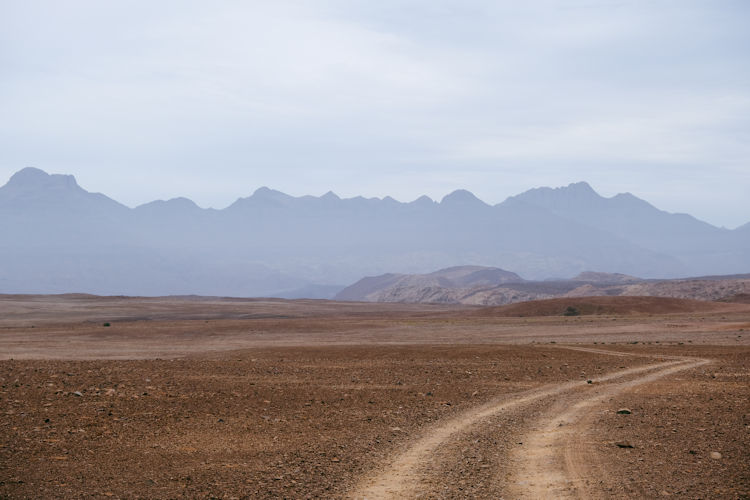
Ngorongoro Crater, Tanzania
Ngorongoro Crater may be Africa's most compact yet wildlife-dense destination—a 260-square-kilometre caldera floor holding approximately 25,000 large animals in permanent residence. Combined with Serengeti on most northern Tanzania circuits, it offers a concentrated, unforgettable adventure in just one or two nights.
- Wildlife highlights: Exceptionally high density of lions, buffalo, zebra, wildebeest, and elephants (including some impressive tuskers). The crater protects a small but important population of around 120 black rhinos—one of the best places to see this critically endangered species in East Africa.
- Best time in 2026: The crater offers year-round appeal, with June through October 2026 bringing drier conditions and clearer views of the rim. November through March delivers greener scenery, fewer vehicles, and dramatic afternoon thunderstorms.
- Experience: Crater floor game drives offer remarkably productive mornings, with rim viewpoints providing stunning vistas. Highland lodges perched along the crater edge offer cool evenings, misty mornings, and atmospheric settings unlike typical safari lodges.
- Logistics: The crater typically forms a 1–2 night stop on a northern Tanzania 2026 circuit. Many itineraries combine it with Tarangire National Park (famous for baobabs and elephants), Lake Manyara, and the Serengeti. Flights connect through the Arusha National Park area or Kilimanjaro International Airport, with Mount Meru visible on clear mornings.
- 2026 visitor tips: Early morning starts beat traffic into the crater—aim for gate entry at 6:00 AM. Pre-arrange crater descent permits well ahead of peak July–September 2026 months, as daily vehicle limits apply.
Best Time to Go on Safari in 2026 (Month-by-Month)
Choosing when to travel matters as much as choosing where. Here's a high-level guide linking specific 2026 months to the destinations covered above:
- January–March 2026: Serengeti calving season (late January–March) in southern Tanzania delivers some of Africa’s most dramatic wildlife spectacles, with 500,000+ calves born in a few weeks. Zambia and Zimbabwe operate “green season” safaris with lush landscapes and lower rates, though some remote camps close. Botswana and South Africa offer good-value periods with fewer crowds.
- April–June 2026: Rains taper off, landscapes remain fresh, and the Okavango Delta begins receiving flood waters (May–June). Game viewing strengthens steadily in Kruger, Etosha, and Hwange. This shoulder period offers excellent value before peak season premiums kick in.
- July–September 2026: Peak season across most regions. Masai Mara river crossings hit their stride. The Okavango Delta reaches full flood for prime water-based safaris. Kruger, Etosha, Hwange, South Luangwa, and Lower Zambezi all deliver outstanding conditions. Book well ahead—12+ months for high-demand camps.
- October–December 2026: October brings intense heat but highly productive game viewing as water sources shrink—particularly strong in Hwange, South Luangwa, Lower Zambezi, and Etosha. First rains arrive in November, bringing dramatic skies, newborn animals, and migrating birds across Botswana and the Serengeti. December sees green-season rates begin in southern Africa.
Planning Your 2026 Safari: Practical Tips
Turning safari dreams into reality requires practical planning. Here's what to keep in mind for 2026:
- Booking timeframes: For July–October 2026 in Masai Mara, Serengeti, Okavango Delta, and Kruger’'s private reserves, book 9–18 months ahead—premium camps fill quickly. Shoulder seasons require 6–9 months advance planning for good selection among safari lodges.
- Trip length: First-timers should plan a minimum of 6–8 days for a meaningful safari experience. Those combining multiple countries (Botswana & Zimbabwe, Kenya & Tanzania, Namibia & South Africa) benefit from 10–14 day itineraries that allow proper immersion without exhausting travel days.
- Health and paperwork: Check 2026 visa requirements for each country—some offer e-visas or arrival processing. Yellow fever vaccination certificates may be required when travelling between certain East African countries. Verify up-to-date vaccination recommendations and travel advisories before departure.
- Sustainability: Choose operators that support local communities and conservation. The 2026 safari industry continues expanding low-impact camps, community conservancies that return revenue to local populations, and carbon-offset options. Botswana's model—low volume, high value—serves as a template many destinations now follow.
- Using specialists: Work with an Africa-focused safari expert to fine-tune routing, internal flights, and lodge selection for your specific 2026 dates and budget. The logistics of multi-destination itineraries—particularly combinations crossing country borders—benefit from professional planning that independent booking can't match.
The best African safari destinations for 2026 span the spectrum from accessible Kruger to remote Zambian walking trails, from water-based Botswana adventures to Namibia’s desert-adapted wildlife. Each offers something irreplaceable.
Start planning now. The diverse wildlife, breathtaking landscapes, and cultural experiences waiting across these seven countries deliver exactly what draws travellers to Africa: a natural habitat where wild animals roam in their own right, where conservation efforts make real differences, and where every sunrise promises a new unforgettable adventure.
Your 2026 safari awaits.
Travel To Africa Now
Map of Lodges in and around Africa
Lodges And Camps In Africa
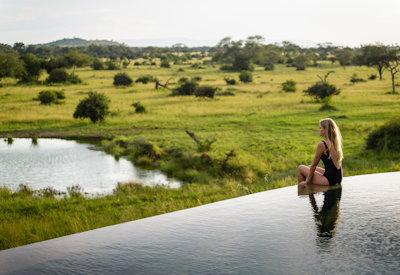
Singita Faru Faru Lodge
Singita Faru Faru Lodge, with 9 air-conditioned luxurious suites, offers barefoot elegance in a laid-back rustic setting; the elevated viewing decks over the watering hole allow guests to view game without even leaving the lodge in the Serengeti and Grumeti. Faru Faru Lodge offers the most amazing infinity pool, perfect for those lazy summer afternoons as well as the most perfect location for a Serengeti safari.
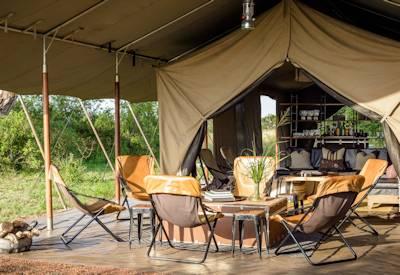
Singita Explorer Tented Camp
Singita Explorer Tented Mobile Camp offers that "roughing-it in great style" for those who are after that up close and personal wildlife Serengeti safari yet still require abounding luxuries. The mobile camp is set up in various remote locations within the private 350 000 private acres of Grumeti Reserve.
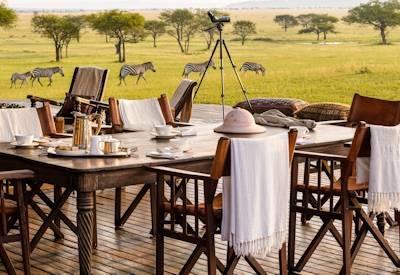
Singita Sabora Tented Camp
Radiating simplistic elegance in the middle of the Serengeti plains, Singita Sabora Tented Camp, with her nine tented suites, evokes a romantic "Out of Africa" adventure with vintage safari tents dressed in classic Edwardian safari accommodation style. located in the heart of the Grumeti Reserve, a private concession bordering the famed Serengeti.
Singita Sasakwa Lodge
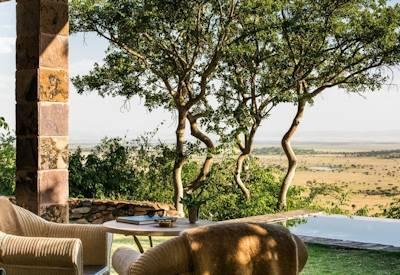
Singita Sasakwa Lodge is situated on top of Sasakwa Hill with panoramic views of the vast Plains below; this Serengeti National Park lodge is built in the style of an East African ranch house. If it's solitude you seek, then Grumeti Reserves is the place to be, game drive safaris near the Grumeti River are fantastic year round.
Singita Mara River Tented Camp
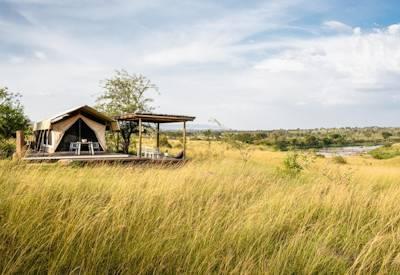
Without a doubt, Mara River Tented Camp is one of the most perfectly positioned small luxury safari lodges. Found on the picturesque banks of the Mara River, it's set within the vast 98,000-acre Lamai concession, offering a truly remote escape from all forms of human life. What's truly exceptional is that this specific area boasts some of the highest concentrations of wildlife in the Serengeti, making for spectacular viewing year-round.
Sanctuary Kichakani Serengeti Camp
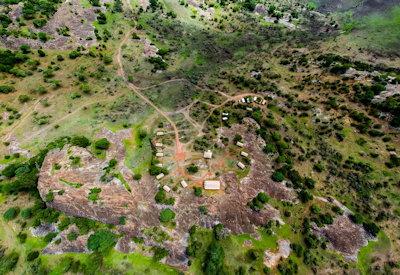
Sanctuary Kichakani Serengeti Camp offers an exceptional classic tented safari experience, with a truly unique feature that sets it apart. What is particularly spectacular about this camp is its mobility; it relocates twice a year to ensure it is perfectly positioned for the Great Migration. This incredible attention to detail means that if you stay at Kichakani, you are guaranteed a front-row seat to one of nature's most magnificent spectacles. Without a doubt, this is one of the best ways to ensure you do not miss the drama of the migration.
Sanctuary Kusini Camp
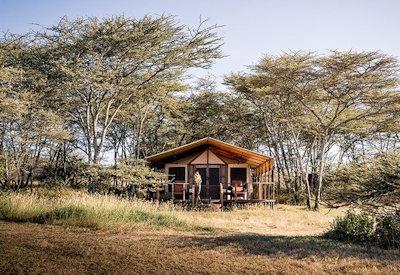
Sanctuary Kusini Camp is perfectly sited in a cluster of kopjes, Kusini's 12 luxury safari tents blend seamlessly into the surrounding game-rich plains, part of the charm here is its remote location offering exceptional and essentially private game viewing. One of the better options for a Serengeti safari in the southern regions of the Serengeti National Park.
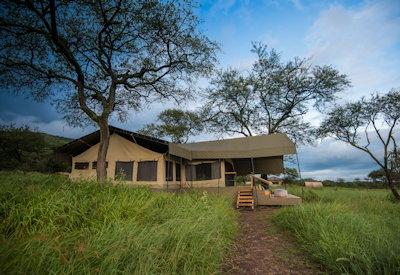
Dunia Camp
Dunia Camp with 8 spacious tented suites, each with expansive views of the pristine wilderness and game-filled plains from a large private veranda. An exceptional safari experience awaits all that visit. Exceptional game-viewing surrounds the camp in the central Serengeti with the chance to explore the Seronera, the Moru Kopjes and the plains teeming with wildlife.