
Luangwa Photographic Safari


Highlights
- The Luangwa Photographic Safari spends six nights in South Luangwa with wildlife photographer David Rogers on every game drive
- A maximum of five guests, so everyone gets a window seat and time with David
- Three nights at Nkwali Camp, on private land facing the national park, with walking safaris plus day and night drives
- Three nights at Nsefu Camp, Zambia's first photographic safari camp, in the park's remote Nsefu Sector
- A permanent viewing hide on the waterhole at Nsefu for eye-level wildlife photography
- An all-day picnic drive to the salt pans, covering several habitats in one outing
- Evening slideshows and critiques, plus hands-on Adobe Lightroom sessions to sharpen your editing
- Subjects well beyond leopard and lion: landscapes, macro, birds, insects and people
Safari Information
- Departure: Set departures in October
- Duration: 7 Days / 6 Nights
- Lodging: Nkwali Camp (3 nights) and Nsefu Camp (3 nights)
- Group Size: Minimum 3, maximum 5 guests
- Malaria risk: High. South Luangwa is a malaria area; prophylaxis is essential
- Note: Travel insurance is compulsory for all safaris
Capture The Wild: A Photographic Safari Adventure With David Rogers In Zambia
The Luangwa Photographic Safari is a six-night photography workshop in Zambia's Luangwa Valley, led by wildlife photographer David Rogers and hosted by Robin Pope Safaris. You split the week between two camps. Nkwali Camp is on private land across the river from South Luangwa National Park, and Nsefu Camp is inside the park's remote Nsefu Sector. Groups are capped at five guests.
David Rogers has spent around three decades photographing and writing about Southern and East Africa, first as a staffer at Getaway and later for Africa Geographic, and his books include Zambia Safari in Style. He rides on every game drive and talks you through light, composition and camera settings in the moment. In the evenings he reviews your results with you, including how to get the most out of Adobe Lightroom.
The brief goes beyond big cats to landscapes, macro work, birds, insects and people. The valley holds more than 450 bird species, plus Thornicroft's giraffe (found nowhere else) and Crawshay's zebra. October falls at the height of the dry season, when game concentrates along the shrinking river and carmine bee-eaters nest in the riverbanks.
Bring your own camera and a laptop for downloading and editing. Photographic equipment isn't supplied, and you'll want batteries charged and cards backed up before the dawn drives.
Day 1: Arrival and First Impressions
- Fly from Lusaka to Mfuwe Airport, where a Robin Pope Safaris guide meets you. The drive to Nkwali Camp passes through local villages, often with your first game sightings along the way.
- Nkwali sits on Robin Pope's private land on a meander of the Luangwa River, facing the national park. Leopards are often seen on the far bank from camp.
- Depending on your arrival time, head into the park for an afternoon game drive in an open-topped Land Cruiser, where every seat is a window seat.
- Dinner is followed by the first evening slideshow with David Rogers, setting the brief for the week ahead.
- Overnight: Nkwali Camp
Day 2: Immersive Safari Experience
- Rise before dawn to catch the first light in the park. Nkwali crosses the Luangwa River straight into the park, so you're photographing within minutes of leaving camp.
- Choose a morning game drive or a walking safari with a specialist guide and an armed National Park scout. On foot you photograph what vehicles miss: tracks, insects, flowers and birds at close range.
- After lunch, take a siesta or sort through your images and get to grips with Adobe Lightroom. Elephants often come down to drink at the lagoon beside the pool.
- Following afternoon tea and cake, return to the park for the afternoon and evening, getting back to camp for dinner at around 20h30.
- The evening slideshow illustrates the day's teaching points and gives you a chance to show off your best shots.
- Overnight: Nkwali Camp
Day 3: Transfer to the Nsefu Sector
- Head north to the Nsefu Sector on a game-drive transfer. David and the group decide how leisurely to make it, so there's time to stop and photograph along the way.
- Nsefu Camp is Zambia's first photographic safari camp, founded in the 1950s by pioneering conservationist Norman Carr and now protected as a national monument.
- Its six original brick-and-thatch rondavels take just 12 guests, and each has a clear river view from bed and veranda.
- Herds of elephants cross the Luangwa just upstream of camp, often within lens range of the lunch table.
- Sundowners, dinner and the day's stories round the campfire close the evening.
- Overnight: Nsefu Camp
Day 4: A Day in the Hide
- Start with a morning walk or drive in the Nsefu Sector, one of the quietest parts of the park.
- Later, settle into Nsefu's permanent reed hide on the waterhole beside camp. Bushbuck, warthog, waterbuck and elephant come down to drink at eye level.
- Lilian's lovebirds, waxbills and weavers keep the hide busy between the larger visitors, which makes it ideal for practising fast-action bird work.
- Along the river, carmine bee-eaters nest in the banks from about September, which puts them squarely in season for the October departure.
- The afternoon drive can run on into a night drive, with time to practise low-light technique.
- Overnight: Nsefu Camp
Day 5: Exploring Further Afield
- Spend the full day on a photographic drive to the salt pans, with a picnic lunch packed for the bush.
- The route crosses several habitats, and the pans draw birds and plains game, so you get a day's worth of variety without returning to camp.
- Your guide positions the vehicle for light and background, while David works through composition on the spot.
- Return to camp to freshen up and download the day's cards before dinner.
- Overnight: Nsefu Camp
Day 6: Return to Nkwali Camp
- An early wake-up and a game drive take you back south to Nkwali, photographing along the way.
- Your final afternoon drive is the chance to put the week's lessons into practice in familiar territory.
- As an optional extra at US$35 per person, you can visit Kawaza Village and its school, a community project Robin Pope Safaris helped establish. Photography there is by the community's consent.
- The last slideshow and farewell dinner round off the week.
- Overnight: Nkwali Camp
Day 7: Luangwa Photographic Safari Ends
- After an early breakfast, transfer to Mfuwe Airport for your flight to Lusaka and onward connections.
Note: Activities depend on weather, animal movements and the interests of the group, and may be adjusted on the ground.
Luangwa Photographic Safari FAQs
Who leads the Luangwa Photographic Safari?
David Rogers leads this South Luangwa photography workshop. He is a Cape Town-based wildlife photographer and author whose books include Zambia Safari in Style, and he has photographed Southern and East Africa for around three decades for Getaway and Africa Geographic. He joins every game drive, gives on-the-spot advice, critiques images in the evenings and teaches Adobe Lightroom editing. Robin Pope Safaris supplies the camps and field guides.
When does the Luangwa Photographic Safari depart?
This South Luangwa photo workshop runs as a set departure in October, at the peak of the dry season, when wildlife gathers along the Luangwa River and carmine bee-eaters nest in its banks. Robin Pope Safaris currently lists the next departure on 12 October 2027, with five places. Each departure needs at least three guests to run, so early booking is advisable.
How big is the group on the Luangwa Photographic Safari?
This photographic safari takes a minimum of three and a maximum of five guests, plus David Rogers and a Robin Pope Safaris field guide. Small numbers mean everyone gets a window seat in the open Land Cruiser, room to shoot from either side and genuine one-to-one tuition rather than group lectures. Walking safaris are led by the guide and escorted by an armed National Park scout.
Is there malaria on the Luangwa Photographic Safari?
Yes. This safari is based in Zambia's Luangwa Valley, at one camp facing South Luangwa National Park and one inside it, and the whole valley is a high-risk malaria area all year, including during the dry October departure. Antimalarial prophylaxis is essential, so see a travel doctor four to six weeks before you fly. In camp, use repellent from dusk and sleep under a mosquito net.
What camera equipment should I bring on the Luangwa Photographic Safari?
Bring your own digital camera and a laptop for downloading and editing, because photographic equipment is not supplied on this South Luangwa workshop. A telephoto lens for wildlife, a wide or standard zoom for landscapes and a macro lens for insects and flowers cover the main subjects. Pack spare batteries, memory cards and a backup drive, as WiFi is limited at both camps.
How do I get to the Luangwa Photographic Safari?
This South Luangwa photo safari starts and ends at Mfuwe Airport in eastern Zambia. Return scheduled flights between Lusaka and Mfuwe are included in the price, so you only need to reach Lusaka's Kenneth Kaunda International Airport. A Robin Pope Safaris guide meets you at Mfuwe and drives you to Nkwali Camp, across the river from the park. The transfers to and from Nsefu Camp are game drives.
In Conclusion
The Luangwa Photographic Safari suits photographers who want structured, hands-on tuition in the field rather than a standard safari with a camera along. David Rogers is on every game drive, the group never exceeds five, and evenings are spent reviewing and editing the day's images.
The route follows a clear arc:
- Nkwali gives you quick dawn access to the park and the leopard country along the river.
- Nsefu adds three nights in a quieter sector of the park, a waterhole hide and the all-day salt pan drive.
- The final night back at Nkwali lets you put the week's lessons to work.
October brings dry-season light, wildlife concentrated on the river and carmine bee-eaters nesting in the banks.
Uyaphi.com has been planning African safaris since 1999, and 27 years of arranging trips across the continent go into every booking. We can add nights before or after the workshop, from Victoria Falls to the Lower Zambezi, and arrange your flights into Lusaka, with no booking fees and no credit card surcharges. Robin Pope Safaris currently lists the next Luangwa Photographic Safari on 12 October 2027, with five places. Contact us to hold a seat.
This Safari is Tailor-made Rates On request
The Above Rates should be used as a guideline only.
- Luangwa Photographic Safari Rates
- All rates are subject to availability
- Rates may vary according to the season
- Lodging may change depending on your budget
- All rates may change without notice
- Single supplement may apply
- Accommodation at Nkwali Camp and Nsefu Camp
- All meals and activities as per itinerary
- Photographic tuition with David Rogers
- All game viewing
- Laundry
- Bar
- National Park fees
- Return Lusaka–Mfuwe flights and road transfers
- International flights
- Visas
- Airport taxes
- Gratuities
- Optional Kawaza Village visit (US$35 per person)
- All photographic equipment
- Premium wines and spirits
- Items of a personal nature
Book Your Zambia Safari Now
Zambia Travel Topics
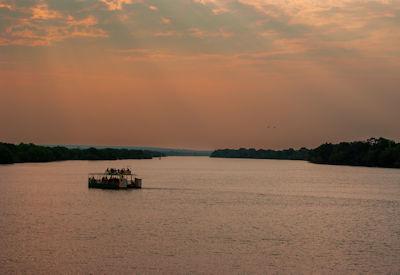
10 Must See Attractions in Livingstone
Located in the heart of Africa, Livingstone is a beacon of adventure and culture. Here, the mighty Zambezi River plunges into the awe-inspiring Victoria Falls, creating a world of wonder and excitement for travellers. Our latest blog post, "10 Must-See Attractions in Livingstone," guides you through this breathtaking region, showcasing the very best experiences it has to offer. This guide takes you to a place where nature's beauty meets vibrant cultures and thrilling adventures. Whether you're drawn to the wild or inspired by local traditions, Livingstone is the perfect backdrop for your African dreams. Join us as we explore the top 10 attractions that make Livingstone a destination full of discovery and wonder.
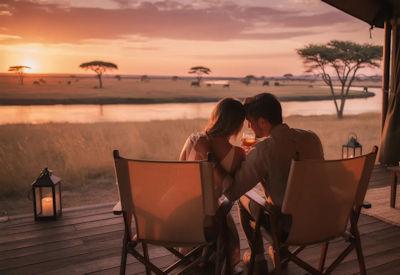
The Perfect Zambia Honeymoon Safari
Embark on a journey where the wild heart of Africa meets your newlywed bliss. Our latest blog, "The Perfect Zambia Honeymoon Safari," explores one of the world's most secluded and stunning safari destinations. With untouched landscapes and incredible wildlife, Zambia is the perfect place for couples to create unforgettable memories of adventure, romance, and natural beauty. In this post, we delve into the heart of Zambia's majestic wilderness to uncover why it's the perfect destination for couples seeking an unforgettable journey. From the gentle flow of the Zambezi River to the thunderous spray of Victoria Falls and the remote bush where stars light up the night sky, Zambia sets the stage for an epic romance.
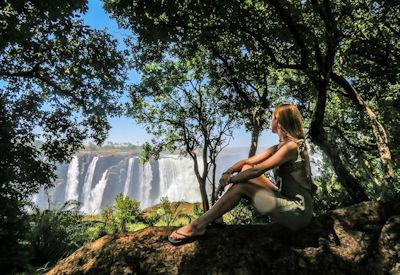
5 Best Lodges in Livingstone
Embarking on a journey to discover the heart of Zambia, our latest blog series dives into the enchanting city of Livingstone, a gateway to the majestic Victoria Falls and a hub for adventurers seeking the thrill of Africa's wilderness. In this series, we meticulously explore the "5 Best Lodges in Livingstone," offering you a guide to unparalleled comfort amidst nature's splendour. Each lodge in Livingstone has been selected based on its unique charm, exceptional service, and proximity to Livingstone's captivating attractions, ensuring your stay is nothing short of extraordinary. From family-friendly accommodations to romantic hideaways, our guide is your first step towards planning an unforgettable getaway in Livingstone.
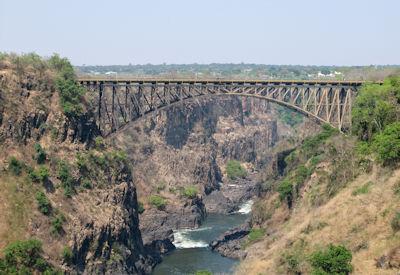
10 Reasons To Visit Livingstone
Nestled on the border of Zimbabwe and Zambia, Livingstone is a treasure trove of natural beauty, adrenaline-pumping adventures, and rich cultural experiences that beckon travellers from around the globe. It's not just a destination; it's the gateway to exploring the majestic Victoria Falls, known locally as Mosi-oa-Tunya or "The Smoke That Thunders." This awe-inspiring wonder of the world serves as the perfect backdrop for what promises to be an unforgettable journey. As you delve into our latest blog, "10 Reasons to Visit Livingstone," prepare to be captivated by a land where nature's power is matched only by its beauty, and every experience is steeped in wonder.
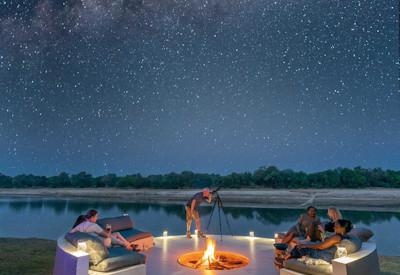
10 Best Lodges in Zambia
Embark on an unforgettable journey through the heart of Africa as we unveil the 10 best lodges in Zambia, each offering a perfect blend of opulence and adventure. Known for its breathtaking landscapes and rich wildlife, Zambia is home to some of the world's most exquisite safari lodges. From the majestic Victoria Falls to the serene Zambezi River, each lodge provides a unique gateway to Zambia's natural wonders. Picture yourself waking up to the sounds of the wild, enjoying world-class amenities, and engaging in thrilling activities like game drives, walking safaris and canoeing safaris.
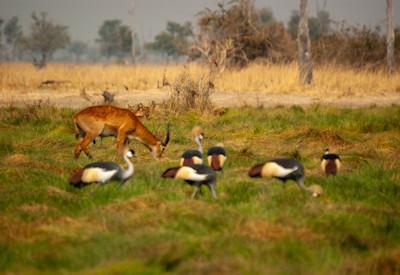
10 Reasons to Visit the Luangwa National Park
If you're dreaming of an unforgettable safari adventure, look no further than Zambia's stunning South Luangwa National Park. Known for its incredible wildlife, breathtaking landscapes, and unique safari experiences, this Zambian gem offers something for everyone. From walking safaris to birdwatching, here are 10 compelling reasons to visit Luangwa National Park and immerse yourself in the heart of Africa's wilderness. Whether you're an avid wildlife enthusiast, a photography buff, or simply looking for an unforgettable safari, Luangwa National Park has something to offer for everyone.
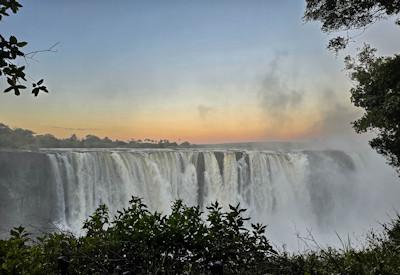
Zambia Travel Bucket List
Are you dreaming of an unforgettable adventure in Africa? Look no further than Zambia! This travel bucket list covers the top must-see destinations and experiences, from the majestic Victoria Falls to thrilling safaris and vibrant cultural festivals. Whether you're an adrenaline junkie, a wildlife enthusiast, or a culture lover, Zambia offers a diverse array of activities and sights that cater to every type of traveller. Get ready to explore vast landscapes, immerse yourself in local traditions, and enjoy unique wildlife encounters that will leave you with memories to last a lifetime.
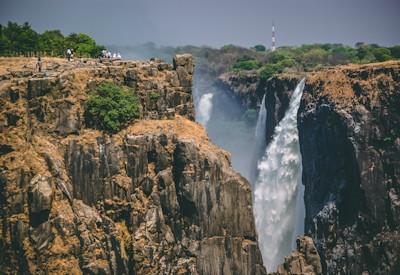
Devil's Pool Victoria Falls
Nestled precariously at the very lip of the awe-inspiring Victoria Falls, the Devil's Pool is an absolutely phenomenal natural wonder. Carved out over millennia by the mighty Zambezi River, this extraordinary geological formation is, without a doubt, one of nature's most thrilling creations. Imagine swimming to the edge of the world's largest waterfall! With only a natural rock lip between you and a 100-meter drop, the sensation is breathtaking. The roar of countless tons of water thundering over the falls just meters away is an unforgettable, almost dizzying experience. Witnessing such raw power up close is a privilege.