
Chikoko Tree Trails Camp
Highlights
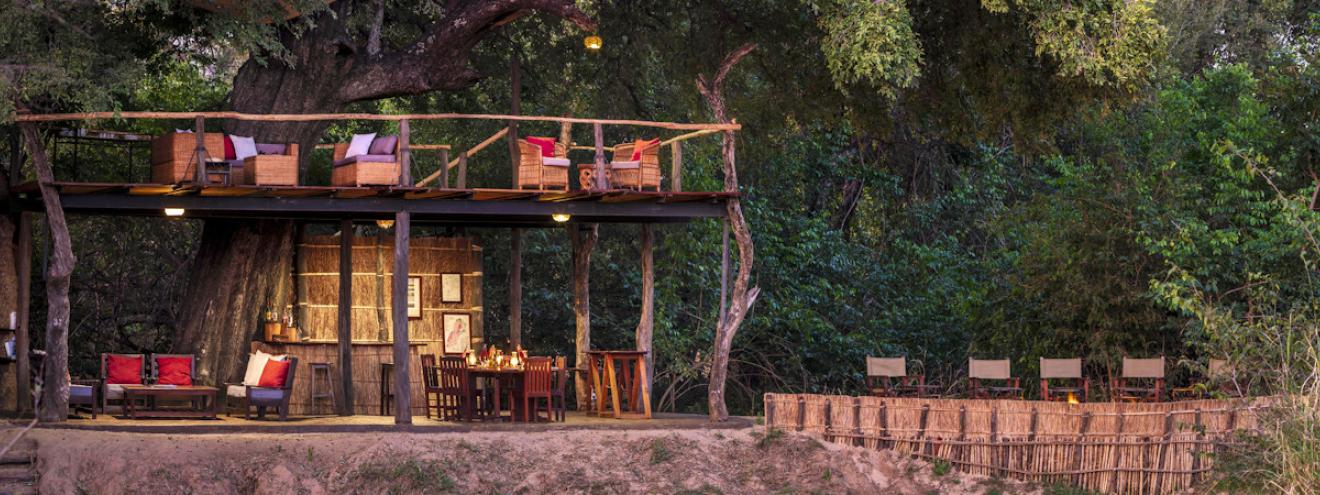
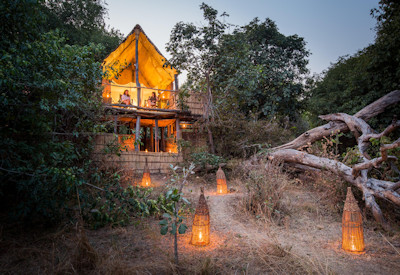
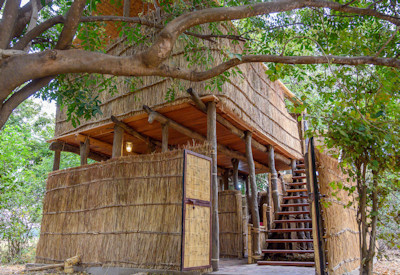
- Sleep in one of three two-storey treehouse chalets, raised into the acacia canopy
- Walk in and walk out: no roads, no vehicles, access only by canoe and on foot
- Track wildlife on four-hour morning walks with a Remote Africa guide, an armed national park scout and a tea bearer
- Stay on the site Norman Carr chose as his own walking camp in the 1960s
- Watch eland, roan, kudu, wild dog and lion from camp, with armchair viewing at its best from September
- Eat bread baked in coals in the ground and vegetables grown in the Tafika garden
- Shower in the open under the stars, with hot water for evening showers
- Leave the luggage to the porters and carry only water, binoculars and a camera
- Switch off completely: no Wi-Fi, just solar power, lanterns and the evening fire
Information
- Lodge type: Walking-only safari camp
- Location: West bank of the Luangwa River, South Luangwa National Park, Zambia, 8 km upstream of Tafika Camp
- Lodge size: 3 treehouse chalets (2 twin, 1 double), maximum 6 guests
- Recommended stay: 2-3 nights, ideally combined with Big Lagoon and Tafika
- Malaria risk: Yes, South Luangwa is a malaria area; take prophylaxis on your doctor's advice
- Getting there: From Mfuwe Airport, 2-2.5 hours by road, then a 5-minute canoe crossing of the Luangwa and a 10-minute walk. Alternatively, take a 15-minute RASair light-aircraft flight to Mwanya airstrip, then a 30-minute 4x4 drive, the canoe crossing and the short walk.
Discover The Wild Heart Of Africa: A Treehouse Adventure At Chikoko Tree Trails Camp
Chikoko Tree Trails Camp is a three-chalet, walking-only bushcamp run by Remote Africa Safaris on the west bank of the Luangwa River in Zambia's South Luangwa National Park, 8 km upstream of its parent camp, Tafika. There are no roads and no vehicles on this side of the river. You cross by canoe and walk the last ten minutes into camp. From then on everything moves on foot: the game viewing, the mid-morning coffee stop and even your bags, which porters carry in for you.
The site has serious pedigree. In the 1960s, Norman Carr, the man who pioneered the walking safari in the Luangwa Valley, picked this acacia grove above the seasonal Chikoko River as his own walking campsite. Six decades later it remains one of the finest walking areas in the entire valley. Elephant and hippo trails thread across open plains, lagoons and ebony thickets, and the only sounds are the ones the bush makes.
The camp opens for the dry season only, from late May or early June until 31 October, and welcomes walkers aged 12 and over. It is pared back, simple and utterly authentic. Local craftsmen build it from grass, reeds and timber, and the Remote Africa team runs it with a warmth that keeps guests coming back. For travellers who want a Zambian safari that feels the way safari felt before the vehicles arrived, there are few better places to stand in Africa.
Rooms And Suites
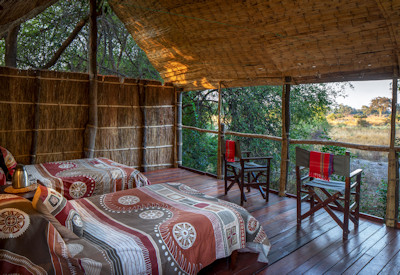
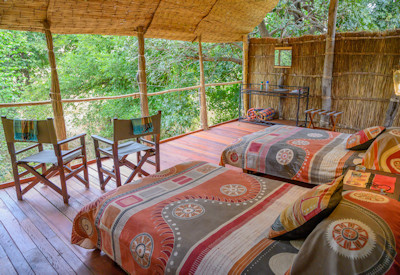
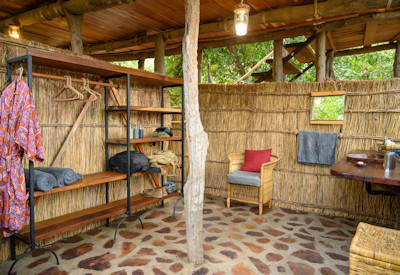
Chikoko has just three chalets, two twins and a double, so there are never more than six guests in camp. Each chalet is built on two levels. The bathroom sits on the ground floor, with a flush toilet, basin and a safari shower open to the stars, and hot water is brought for evening showers or on request. Stairs alongside lead up to the bedroom, a raised platform set within the canopy of the surrounding acacias.
Up there the walls are grass and the views are wide open: the acacia grove, the seasonal Chikoko River in front of camp and the procession of animals that comes down to it through the day. Beds are made up with cotton sheets beneath expansive mosquito nets, a solar fan moves the air in the October heat, and a USB port in each chalet keeps a phone or camera battery topped up. At night the Luangwa lullaby takes over, a soundtrack of lion roars and hyena whoops that you will hear long after you get home.
Cuisine And Wine
Meals at Chikoko are cooked over a wood fire, and the bread is baked the old way, with coals in the ground. Fresh greens and vegetables come across the river from the Tafika garden. Despite the remote location, the kitchen gives special attention to dietary needs, so tell us about any requirements when you book.
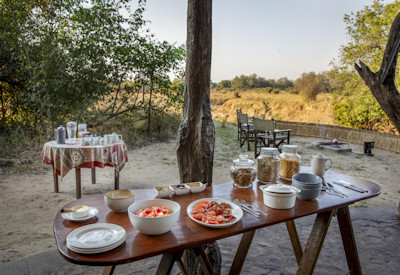
The day's eating follows the walking rhythm. Breakfast is relaxed and served around the fire before the morning walk. Lunch is a buffet back in camp, and afternoon tea brings freshly baked cakes before the evening walk. Sundowners and snacks are served at the campfire, and dinner is three courses by candlelight under the open sky. House wine and local drinks are included, and superior wines are available on request. Few meals in Zambia taste better than one eaten after a day on foot in the Luangwa.
Facilities
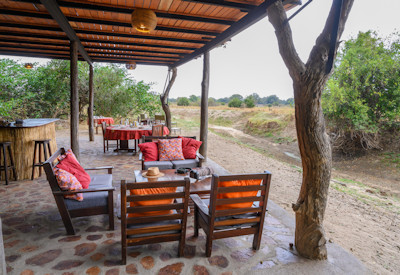
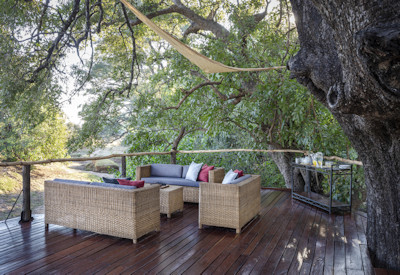
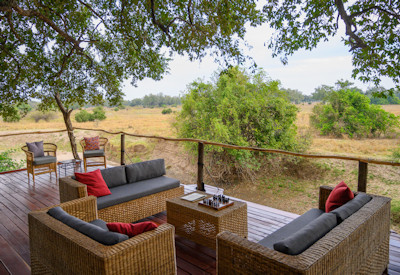
Camp life centres on a treehouse-style guest area with an open-plan design built for watching wildlife from your chair. Downstairs there is a lounge, bar and dining area. Upstairs, a raised viewing deck with a choice of seats catches sunrise and sunset over the bushveld. Hammocks invite a long midday siesta with a bird book or a novel. From September, as the outlying water dries up, the in-camp viewing is quite superb, with eland, kudu, giraffe and elephant regularly passing within sight of the deck.
Beside the guest area, a firepit draws everyone together for sundowners and stories after the evening walk. It is the heart of camp once darkness falls and the sounds of the night take over.
- Solar communal charging area (220V), so please leave the hairdryer at home
- USB charging port in each chalet
- Solar fans
- No Wi-Fi or internet connection
Activities
Walking is the only activity at Chikoko, and it is outstanding. Each walk takes a maximum of six guests and is led by an experienced Remote Africa guide, with an armed national park scout and a tea bearer alongside. There are no game drives on this side of the river, because there are no roads or vehicles here.
Morning walks last about four hours. They leave early to beat the heat, and the guide stops often to read tracks, dung and the behaviour of the birds. Halfway, the tea bearer conjures up fresh tea or coffee and something sweet beside a lagoon. Afternoon walks run two and a half to three hours, leaving after tea at 15:30 and returning before dusk.
The area is a hotspot for eland, roan, kudu, elephant, giraffe, wild dog, lion, warthog, hippo and crocodile. On foot the big animals feel bigger. You might follow last night's lion prints to where the pride is resting, or crouch in the grass as elephants pass downwind. The small things matter too: elephant shrews, dung beetles, and the trick of lighting a fire from sticks and elephant dung. South Luangwa has 469 recorded bird species, and every guide is a keen birder.
Remote Africa's Trails camps link on foot. A four-hour walking safari, or a 1 hour 45 minute direct walk, connects Chikoko with Big Lagoon, the second Trails camp. Pack neutral, natural-coloured clothing and comfortable lightweight walking shoes, because bright or white clothing is not allowed on walks.
Chikoko Tree Trails Camp FAQs
Where is Chikoko Tree Trails Camp and how do you get there?
Chikoko Tree Camp sits on the west bank of the Luangwa River in Zambia's South Luangwa National Park, 8 km upstream of Tafika Camp. Guests fly into Mfuwe Airport, then either drive 2-2.5 hours or take a 15-minute RASair flight to Mwanya airstrip followed by a 30-minute 4x4 transfer. A 5-minute canoe crossing and a 10-minute walk complete the journey, because no vehicles reach the camp.
Is Chikoko Tree Trails Camp a walking-only camp?
Yes. Chikoko Tree Camp in South Luangwa offers walking safaris only, with no roads or vehicles on its side of the Luangwa River. Morning walks last about four hours with a tea stop, and afternoon walks run two and a half to three hours. Every walk takes a maximum of six guests and is led by a Remote Africa guide, an armed national park scout and a tea bearer.
What are the rooms like at Chikoko Tree Trails Camp?
Chikoko Tree Camp in Zambia has three two-storey treehouse chalets, two twins and a double, sleeping a maximum of six guests. Each has a ground-floor bathroom with a flush toilet, basin and open-air safari shower, with hot water for evenings. Stairs lead up to a grass-walled bedroom platform in the acacia canopy, with cotton sheets, a large mosquito net, a solar fan and a USB charging port.
When is Chikoko Tree Trails Camp open, and what is the minimum age?
Chikoko Tree Camp in South Luangwa operates in the dry season only, from late May or early June until 31 October, and closes for the rains. Children must be 12 or older because the camp offers walking safaris only. The late dry season, from September to October, brings the best in-camp viewing as wildlife concentrates near the remaining water. It is also the hottest time of year, with temperatures reaching around 40°C.
Is there electricity or Wi-Fi at Chikoko Tree Trails Camp?
Chikoko Tree Camp in Zambia runs on solar power and has no Wi-Fi or internet connection. There is a 220V solar charging area in the communal space, and each chalet has a USB charging port and a solar fan. Hairdryers cannot be used. Lighting at night comes from lanterns and the campfire, which makes this a genuine digital detox in the South Luangwa wilderness.
Is Chikoko Tree Trails Camp in a malaria area?
Yes. Chikoko Tree Camp lies in South Luangwa National Park, Zambia, which is a malaria area. See your doctor before travelling about antimalarial prophylaxis, which most visitors take before, during and after their safari. Pack insect repellent and wear long sleeves in the evenings. The beds are fitted with large mosquito nets.
In Conclusion
Chikoko Tree Trails Camp is the place to walk the Luangwa the way Norman Carr intended: on foot, in a small group, with no engine noise for miles. Three treehouse chalets, six guests at most and a guiding team that reads the bush like a newspaper make it one of the purest walking safaris left in Africa.
The best way to experience it is as part of Remote Africa's Trails circuit. Spend two to three nights at Chikoko, walk across to Big Lagoon for two or three more, then finish at Tafika for game drives and a hot bath. Fly into Mfuwe and add the 15-minute RASair hop to Mwanya to save time on the road. For the finest in-camp viewing, travel between September and the end of October, when the game crowds towards the water. For cooler walking weather and greener landscapes, choose June or July.
Uyaphi.com has been planning African safaris since 1999. That is 27 years of matching travellers to the right camp, the right season and the right connections across the continent. We are owner-run from Cape Town, with no booking fees and no credit card surcharges, and we will build your Luangwa walking safari around flights, transfers and the camps that suit you best. Send us your dates and let's get you walking.
- Specialist reply within 24 hours
- No booking fees
- No credit card surcharges
Rates from US$ 610.00 Per person per night
Chikoko Tree Trails Camp Rates
Per person per night sharing
Rates are in US Dollars
*Rates may vary according to season
- Full board accommodation
- Shared local road transfers from/to Mfuwe airport
- Bar (inclusive of house wine)
- Limited laundry service
- Included game viewing activities
- All flights
- Optional activities
- Conservation, National Park and fixed fees
- Superior wines (available upon request)
- Any increases in National Park fees or statutory government deductions
- Travel Insurance
- Gratuities
- Items of a personal nature
Zambia Travel Topics
10 Must See Attractions in Livingstone
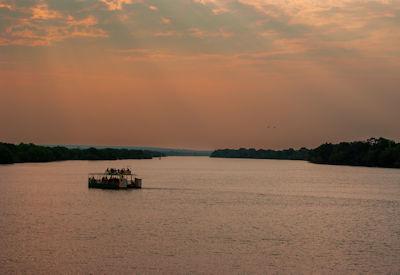
Located in the heart of Africa, Livingstone is a beacon of adventure and culture. Here, the mighty Zambezi River plunges into the awe-inspiring Victoria Falls, creating a world of wonder and excitement for travellers. Our latest blog post, "10 Must-See Attractions in Livingstone," guides you through this breathtaking region, showcasing the very best experiences it has to offer. This guide takes you to a place where nature's beauty meets vibrant cultures and thrilling adventures. Whether you're drawn to the wild or inspired by local traditions, Livingstone is the perfect backdrop for your African dreams. Join us as we explore the top 10 attractions that make Livingstone a destination full of discovery and wonder.

The Perfect Zambia Honeymoon Safari
Embark on a journey where the wild heart of Africa meets your newlywed bliss. Our latest blog, "The Perfect Zambia Honeymoon Safari," explores one of the world's most secluded and stunning safari destinations. With untouched landscapes and incredible wildlife, Zambia is the perfect place for couples to create unforgettable memories of adventure, romance, and natural beauty. In this post, we delve into the heart of Zambia's majestic wilderness to uncover why it's the perfect destination for couples seeking an unforgettable journey. From the gentle flow of the Zambezi River to the thunderous spray of Victoria Falls and the remote bush where stars light up the night sky, Zambia sets the stage for an epic romance.
5 Best Lodges in Livingstone
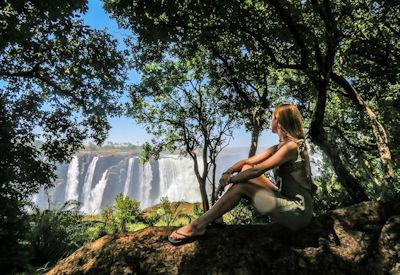
Embarking on a journey to discover the heart of Zambia, our latest blog series dives into the enchanting city of Livingstone, a gateway to the majestic Victoria Falls and a hub for adventurers seeking the thrill of Africa's wilderness. In this series, we meticulously explore the "5 Best Lodges in Livingstone," offering you a guide to unparalleled comfort amidst nature's splendour. Each lodge in Livingstone has been selected based on its unique charm, exceptional service, and proximity to Livingstone's captivating attractions, ensuring your stay is nothing short of extraordinary. From family-friendly accommodations to romantic hideaways, our guide is your first step towards planning an unforgettable getaway in Livingstone.
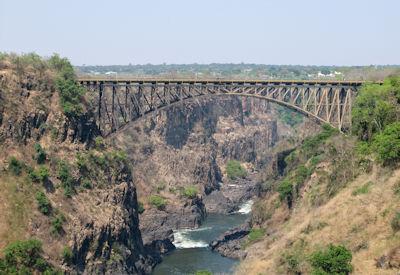
10 Reasons To Visit Livingstone
Nestled on the border of Zimbabwe and Zambia, Livingstone is a treasure trove of natural beauty, adrenaline-pumping adventures, and rich cultural experiences that beckon travellers from around the globe. It's not just a destination; it's the gateway to exploring the majestic Victoria Falls, known locally as Mosi-oa-Tunya or "The Smoke That Thunders." This awe-inspiring wonder of the world serves as the perfect backdrop for what promises to be an unforgettable journey. As you delve into our latest blog, "10 Reasons to Visit Livingstone," prepare to be captivated by a land where nature's power is matched only by its beauty, and every experience is steeped in wonder.
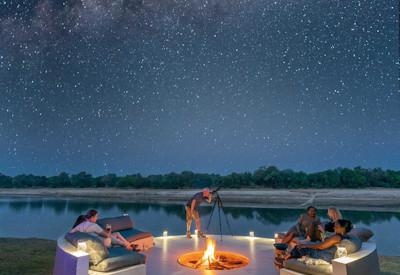
10 Best Lodges in Zambia
Embark on an unforgettable journey through the heart of Africa as we unveil the 10 best lodges in Zambia, each offering a perfect blend of opulence and adventure. Known for its breathtaking landscapes and rich wildlife, Zambia is home to some of the world's most exquisite safari lodges. From the majestic Victoria Falls to the serene Zambezi River, each lodge provides a unique gateway to Zambia's natural wonders. Picture yourself waking up to the sounds of the wild, enjoying world-class amenities, and engaging in thrilling activities like game drives, walking safaris and canoeing safaris.
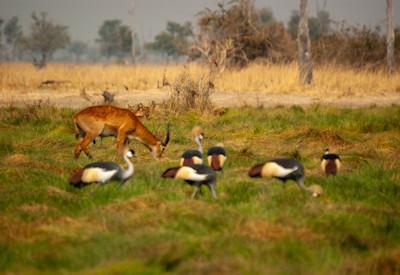
10 Reasons to Visit the Luangwa National Park
If you're dreaming of an unforgettable safari adventure, look no further than Zambia's stunning South Luangwa National Park. Known for its incredible wildlife, breathtaking landscapes, and unique safari experiences, this Zambian gem offers something for everyone. From walking safaris to birdwatching, here are 10 compelling reasons to visit Luangwa National Park and immerse yourself in the heart of Africa's wilderness. Whether you're an avid wildlife enthusiast, a photography buff, or simply looking for an unforgettable safari, Luangwa National Park has something to offer for everyone.
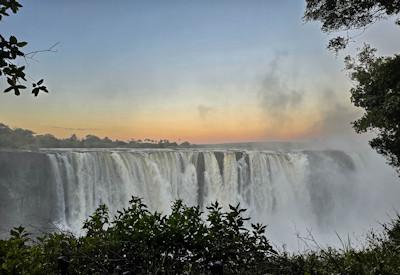
Zambia Travel Bucket List
Are you dreaming of an unforgettable adventure in Africa? Look no further than Zambia! This travel bucket list covers the top must-see destinations and experiences, from the majestic Victoria Falls to thrilling safaris and vibrant cultural festivals. Whether you're an adrenaline junkie, a wildlife enthusiast, or a culture lover, Zambia offers a diverse array of activities and sights that cater to every type of traveller. Get ready to explore vast landscapes, immerse yourself in local traditions, and enjoy unique wildlife encounters that will leave you with memories to last a lifetime.
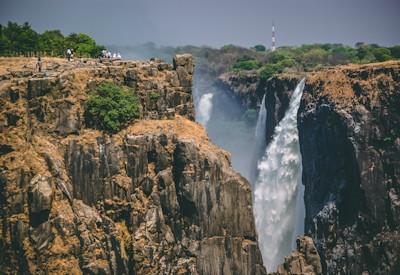
Devil's Pool Victoria Falls
Nestled precariously at the very lip of the awe-inspiring Victoria Falls, the Devil's Pool is an absolutely phenomenal natural wonder. Carved out over millennia by the mighty Zambezi River, this extraordinary geological formation is, without a doubt, one of nature's most thrilling creations. Imagine swimming to the edge of the world's largest waterfall! With only a natural rock lip between you and a 100-meter drop, the sensation is breathtaking. The roar of countless tons of water thundering over the falls just meters away is an unforgettable, almost dizzying experience. Witnessing such raw power up close is a privilege.