
10 Reasons To Visit Laikipia Plateau
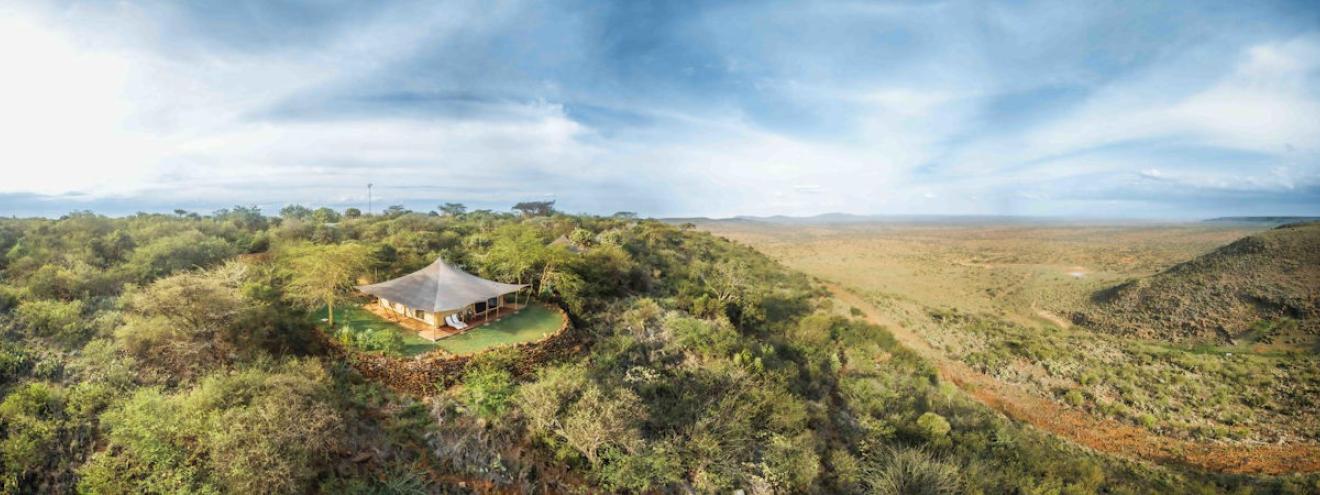
10 Reasons To Visit Laikipia Plateau — Kenya's Wildest Conservancy Escape
Key Takeaways
- Laikipia Plateau spans two million acres of private conservancies between Mount Kenya and the Great Rift Valley, offering one of Kenya’s most exclusive safari experiences
- Year-round Big Five viewing plus rare species like black rhino, Grevy’s zebra, and African wild dogs with far fewer vehicles than Masai Mara
- Signature lodges including Lewa Safari Camp, Ol Malo Lodge, Loisaba Tented Camp, Elewana Loisaba Lodo Springs, &Beyond Suyian Lodge, and Elewana Loisaba Star Beds deliver intimate, high-quality stays
- Activities unavailable in national parks—walking safaris, horseback rides, camel treks, and night drives—make Laikipia stand apart
- Uyaphi.com crafts bespoke Laikipia itineraries for couples, families, and photographers seeking authentic African bush experiences
Introduction to Laikipia Plateau
Stretching across two million acres of central Kenya, the Laikipia Plateau unfolds as a mosaic of private ranches, community conservancies, and wildlife corridors north of Mount Kenya’s snow-capped peaks. This high-altitude region—averaging 6,500 feet—sits between the dramatic escarpments of the Great Rift Valley and the semi-arid northern frontier, creating a landscape unlike anywhere else in East Africa.
Unlike Kenya’s busier national parks, Laikipia offers low-density wildlife viewing on private land. Fewer vehicles, flexible schedules, and activities banned elsewhere make visiting Laikipia feel genuinely off the beaten track. Uyaphi.com has built bespoke itineraries here since 1999, matching travellers with the perfect conservancies and lodges for their interests.
1. World-Class Wildlife & Big Five Sightings
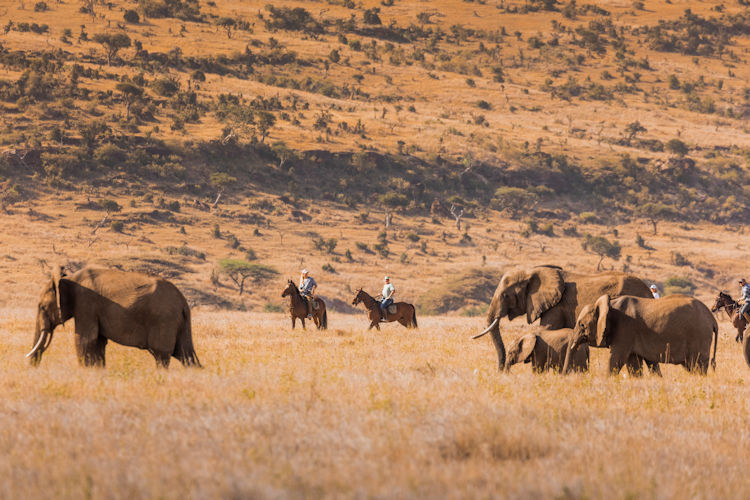
Laikipia qualifies as a genuine Big Five destination with resident populations of lion, leopard, elephant, rhino, and buffalo year-round. No migration timing required—these animals live here permanently across the plateau’s interconnected conservancies.
A typical game drive from Lewa Safari Camp might involve tracking fresh lion spoor across open plains, then lingering with an elephant herd for twenty minutes without another vehicle in sight. The region harbours well over 4,000 elephants, while Ol Pejeta Conservancy and Lewa Wildlife Conservancy protect some of East Africa's densest black and white rhino populations — Ol Pejeta alone is also home to the world's last two northern white rhinos, Najin and Fatu.
2. Rare & Endemic Northern Species
What makes Laikipia exceptional for keen naturalists is its concentration of conservation-priority animals rarely seen elsewhere. This region protects approximately 25% of the world’s remaining Grevy’s zebra—distinguished by their narrow stripes, white bellies, and larger size than plains zebras.
Lewa’s open plains and the wider Loisaba landscape regularly produce sightings of:
- Reticulated giraffe with geometric patterning unique to northern Kenya
- Beisa oryx adapted to arid conditions
- African wild dogs (wild dog sightings here are among Kenya’s most reliable)
- Somali ostrich and vulturine guineafowl
Photographers favour Laikipia for this blend of classic safari icons and “northern specials” unavailable in southern parks.
3. Innovative Conservation & Community Partnerships
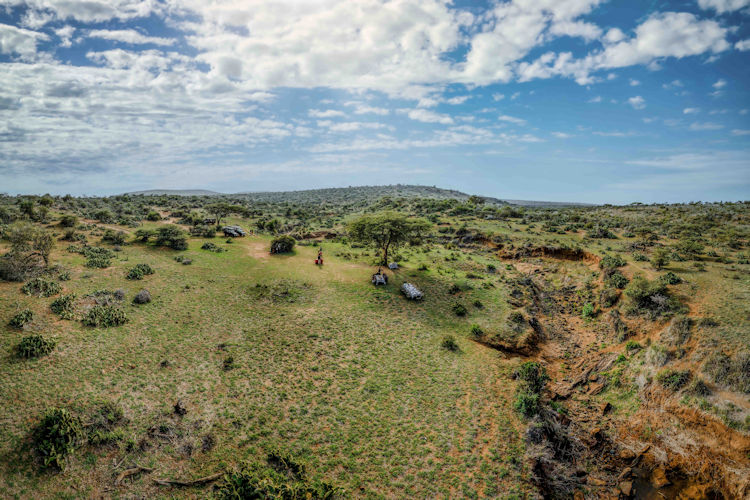
Laikipia functions as a living conservation laboratory where private ranches, local Maasai communities, Samburu communities, and tourism operators collaborate on wildlife protection. This model has increased wildlife densities while supporting human livelihoods.
Lewa Wildlife Conservancy earned UNESCO World Heritage Site status in 2013, protecting 12% of Kenya’s black rhino population while funding education bursaries and healthcare. Community-owned models like Il Ngwesi demonstrate how tourism revenue sustains both endangered species and local communities. Uyaphi.com prioritises properties with strong conservation and community credentials when crafting Laikipia safaris.
4. Spectacular Landscapes Between Mount Kenya & the North
Laikipia’s terrain delivers visual drama that feels wilder and more varied than the Masai Mara’s uniform grasslands. Rocky outcrops punctuate acacia scrub, winding rivers cut through valleys lined with fever trees, and on clear mornings, Mount Kenya’s glaciers shimmer in the distance.
Areas around Lewa and &Beyond Suyian Lodge combine rolling hills and rugged plains especially beautiful at sunrise. Minimal light pollution transforms the night sky into a canvas for the Milky Way—ideal for astrophotography and falling asleep beneath the stars at elevated wilderness camps.
5. Exclusive Lodges & Camps With Personality
Laikipia is defined by intimate lodges rather than large hotels, delivering high guide-to-guest ratios and personal service throughout your stay.
| Lodge | Style | Best For |
|---|---|---|
| Lewa Safari Camp | Classic tented elegance with pool | Rhino sightings, first-time safaris |
| Ol Malo Lodge | Rustic-chic escarpment perch | Cultural immersion, infinity pool views |
| Loisaba Tented Camp | Contemporary luxury, sweeping views | Families, excellent guiding |
| Elewana Loisaba Lodo Springs | Modern riverside sister property | Varied activities, family-friendly |
| &Beyond Suyian Lodge | Remote, eco-conscious seclusion | Privacy seekers, conservation focus |
Uyaphi.com matches specific properties to traveller profiles—families, honeymooners, or photographers—avoiding one-size-fits-all packages.
6. Sleep Under the Stars at Elewana Loisaba Star Beds
The Elewana Loisaba Star Beds experience deserves its own category. Hand-crafted four-poster beds roll out each night onto open decks, where guests fall asleep under the Milky Way listening to distant hyenas and lions. Maasai or Samburu askaris stand night watch for safety.
Practical details matter: private ensuite bathrooms, limited rooms for exclusivity, and a sense of wilderness immersion impossible at conventional lodges. This works brilliantly for couples and adventurous older families. Uyaphi.com often combines Star Beds with nearby Loisaba Tented Camp or Elewana Loisaba Lodo Springs for a varied Loisaba itinerary.
7. Activities You Can’t Do in Most National Parks
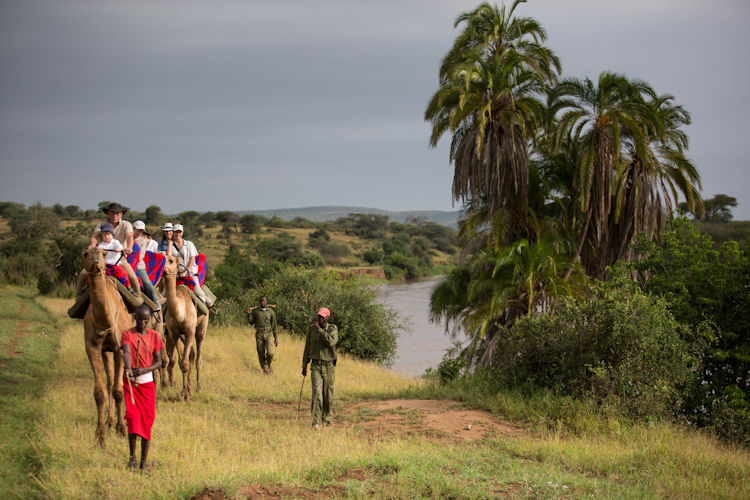
Private conservancies unlock activities banned in Kenya’s national parks. Walking safaris from Ol Malo Lodge or Loisaba Tented Camp put you on foot in the African bush at sunrise, reading tracks and observing flora that vehicles miss.
Additional options include:
- Horseback safaris offering wildlife-level perspectives
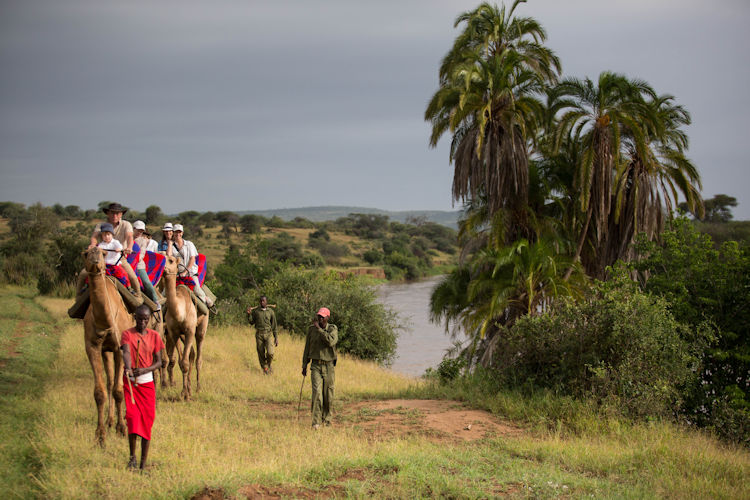
- Camel treks along seasonal riverbeds
- Night drives revealing nocturnal species
- Fly-camping in remote wilderness
- Forest hikes and canopy walks in Ngare Ndare Forest
Uyaphi.com ensures activities suit each travelling party’s fitness levels and interests.
8. Rich Samburu & Maasai Cultural Experiences
Laikipia is home to Samburu and Maasai pastoralists who still herd cattle, goats, and camels across the rangelands. Lodges like Ol Malo partner closely with neighboring communities, offering respectful encounters that go beyond performance.
Guests can visit a manyatta (homestead), learn beadwork techniques, walk with Samburu or Maasai warriors, and hear stories around campfires. These exchanges reveal how tourism directly supports livelihoods—genuine exchange rather than staged spectacle.
9. Ideal for Families, Honeymooners & Repeat Safari-Goers
Different travellers find different rewards on the Laikipia Plateau:
- Families: Loisaba Tented Camp and Elewana Loisaba Lodo Springs offer pools, flexible schedules, child-friendly meals, and varied activities
- Honeymooners: Ol Malo Lodge and Elewana Loisaba Star Beds deliver romantic privacy and scenic sundowners
- Repeat safari-goers: New species and landscapes beyond what Masai Mara offers
Uyaphi.com regularly combines Laikipia with Masai Mara or coastal extensions to Zanzibar, creating 8–14 day Kenya itineraries. Special-interest trips—photographic safaris, riding-focused journeys—are easily arranged.
10. Easy Access & Flexible Seasonality
Travellers reach Laikipia via short flights from Nairobi’s Wilson Airport to airstrips at Nanyuki, Lewa, or Loisaba (45–60 minutes), followed by game-drive transfers through the wilderness.
The semi-arid climate under 500mm annual rainfall ensures reliable wildlife viewing year-round:
- June–September: Dry season concentrations, excellent for lions and rhinos
- October–May: Lush landscapes, baby animals, fewer visitors
- November–April: Peak birding with over 350 species at Lewa
Uyaphi.com helps guests choose travel dates balancing weather, wildlife priorities, and crowd levels.
Planning a Bespoke Laikipia Safari With Uyaphi.com
Uyaphi.com has specialised in tailor-made Laikipia and wider Kenya safaris since 1999. The process starts with understanding your preferences—budget, style, must-see species, activity interests—then crafting an itinerary combining Laikipia conservancies with other East African highlights.
Advantages include access to preferred rates at Lewa Safari Camp, Ol Malo Lodge, Loisaba Tented Camp, Elewana Loisaba Lodo Springs, &Beyond Suyian Lodge, and Elewana Loisaba Star Beds. No booking or credit card surcharges, unbeatable prices, and 24-hour on-trip support come standard.
Ready to explore this wild country? Contact a Uyaphi.com safari expert to start designing your Laikipia Plateau journey.
FAQ: Visiting Laikipia Plateau
Is Laikipia safe for travellers right now?
While Laikipia has occasionally seen local tensions over grazing rights, conservancies and tourism zones maintain strict security protocols. Incidents affecting visitors are extremely rare. Reputable lodges coordinate closely with Kenya Wildlife Service and county authorities. Uyaphi.com monitors conditions continuously, recommending only areas meeting strict safety standards.
How many days should I spend on the Laikipia Plateau?
Plan a minimum of 3–4 nights at a single lodge to settle in and enjoy activities without rushing. For two contrasting properties—such as Lewa Safari Camp plus Elewana Loisaba Star Beds—allow 5–7 nights total. Uyaphi.com typically slots Laikipia into 8–14 day Kenya itineraries alongside Masai Mara and possibly a beach extension.
What should I pack for a Laikipia safari?
Pack neutral-coloured layers for cool mornings and warm afternoons, comfortable walking shoes, a wide-brimmed hat, sunscreen, and a light waterproof jacket during rainy months. Binoculars and a quality camera enhance the huge range of wildlife and landscape opportunities. Most lodges provide toiletries and laundry service—Uyaphi.com sends detailed packing lists before departure.
Can children go on safari in Laikipia?
Many Laikipia lodges welcome children with flexible schedules, child-friendly meals, and sometimes dedicated guides. Age limits may apply to walking safaris, horseback riding, or camel treks depending on the property. Uyaphi.com helps parents select family-suitable properties like Loisaba Tented Camp or Lewa Safari Camp with age-appropriate daily plans.
Do I need malaria tablets and special vaccinations?
Laikipia sits at higher altitude with generally lower malaria risk than coastal regions, though prophylaxis is often recommended depending on your complete itinerary. Consult your doctor or a travel clinic 6–8 weeks before departure regarding vaccines (hepatitis, typhoid, tetanus) and malaria advice. Uyaphi.com provides general guidance and up-to-date entry requirements but cannot replace professional medical advice.