
Little Makalolo Camp
Highlights
- Six tented suites on the Linkwasha-Makalolo Private Wilderness Area, south-eastern Hwange National Park
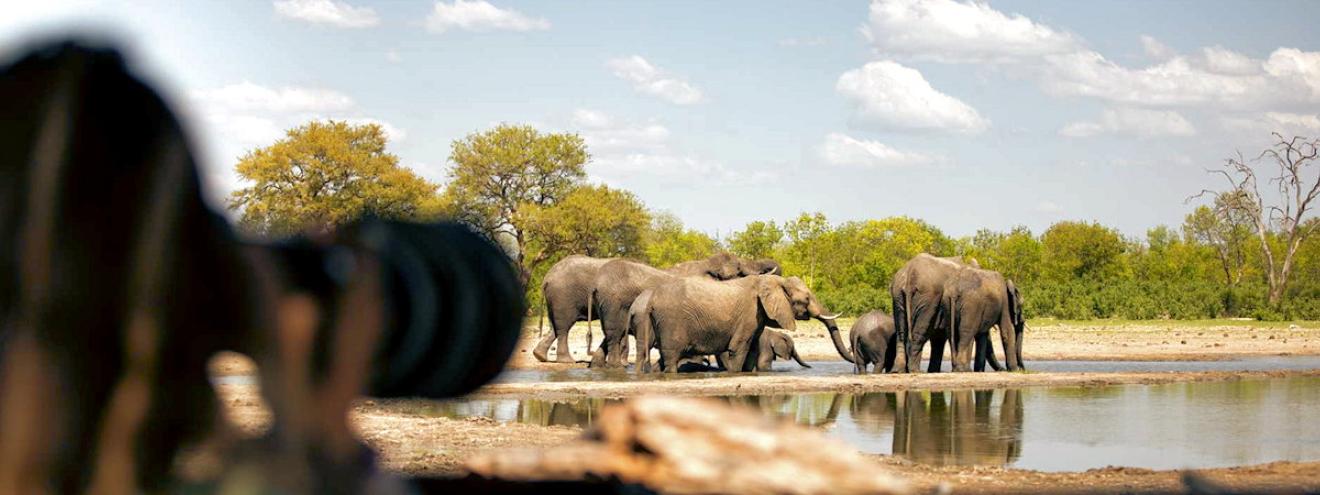
- A waterhole directly in front of camp, busy with elephant and buffalo in the dry season
- A log-pile hide at eye level with the waterhole, for close-up viewing and photography
- Night drives with a spotlight to look for nocturnal species
- The Madison Pan Star Bed, a sleep-out platform above a nearby waterhole (weather-dependent)
- Twice-daily game drives on a private concession, with no self-drive traffic
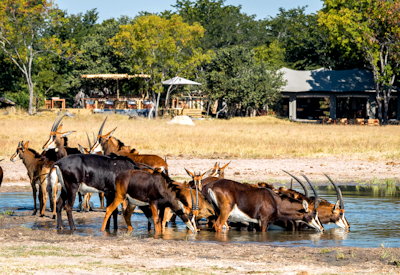
- Excellent mammal diversity, including sable, roan, wild dog, lion and cheetah
Information
- Lodge type: Tented safari camp (Wilderness)
- Location: Linkwasha-Makalolo Private Wilderness Area, south-eastern Hwange National Park, Zimbabwe
- Lodge size: 6 tented suites, including 1 family suite
- Recommended stay: 3–7 nights
- Malaria risk: Yes. Hwange National Park is a malaria area, and prophylaxis is recommended. The risk is highest in the November–April rains.
- Getting there: About 3–4 hours by road from Victoria Falls, or a light-aircraft flight to Makalolo airstrip followed by a short 4x4 drive to camp
An Intimate Safari Camp Experience...
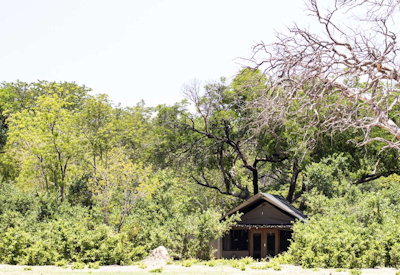
Little Makalolo Camp is a six-tent Wilderness safari camp in south-eastern Hwange National Park, Zimbabwe's largest park and one of the finest elephant destinations in Africa. The camp sits on the private Linkwasha-Makalolo Private Wilderness Area, a concession shared only with its sister camps Linkwasha and Davison's, so game drives run without the self-drive traffic of the public areas.
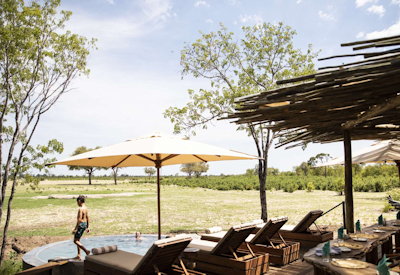
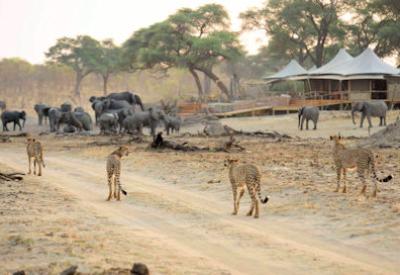
A waterhole lies directly in front of the main deck, and it does much of the work for you. In the dry winter months from June to October, when water elsewhere has disappeared, breeding herds of elephant and large herds of buffalo arrive throughout the day. You can watch them from a lunch table, or from the log-pile hide just metres from where they drink.
With only six tents, Little Makalolo Camp suits couples, families and small groups of friends who want a private, unhurried Hwange safari with first-class Wilderness guiding.
Part of our selection of the best Hwange Lodges portfolio.
Rooms and Suites
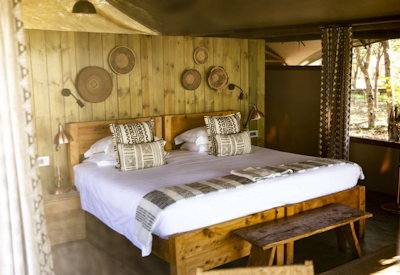
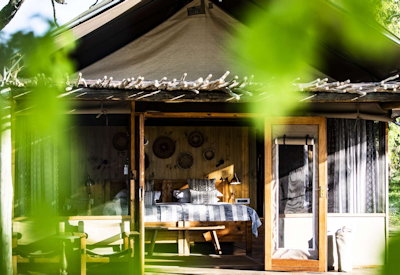
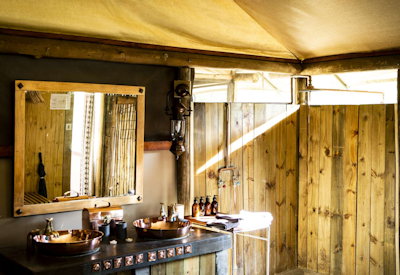
Little Makalolo Camp has six tented suites, one of them a family suite. Each has a timber frame, canvas walls, a spacious bedroom, a large en-suite bathroom with indoor and outdoor showers, and a private viewing deck facing the bush.
- 100% solar power throughout the camp
- Charging points and fans in every suite
- Tea and coffee station
- In-room safe
- Daily laundry service
Cuisine and Wine
Little Makalolo Camp serves Wilderness's all-inclusive safari cuisine: fresh, seasonal dishes made by the camp kitchen team, with local wines and drinks included. Meals move around the camp. You might have breakfast on the deck as elephants drink below, lunch in the shade, and dinner around the fire under a very dark Hwange sky. Special dietary requirements are catered for with advance notice.
Facilities
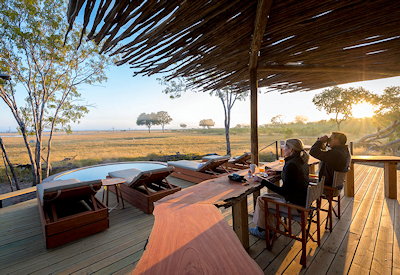
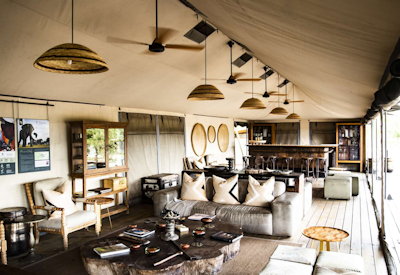
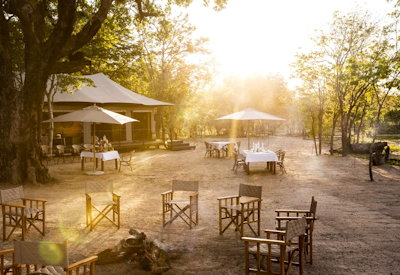
Little Makalolo Camp's main guest area is built under canvas on raised wooden decking that looks straight onto the camp waterhole. It includes:
- Indoor and outdoor dining areas
- A lounge with a small safari library
- A swimming pool overlooking the waterhole
- An outdoor fire pit for evening drinks and stories
- A log-pile hide at the waterhole's edge
- Wi-Fi in the main area
Activities
Little Makalolo Camp's activities are twice-daily game drives, evening drives with a spotlight, and time in the log-pile hide, all on a private concession in south-eastern Hwange National Park. The area mixes teak woodland, open grassland and Kalahari sand, and it supports an unusually wide range of mammals:
- Predators: lion, leopard, cheetah, African wild dog and spotted hyena
- Big game: elephant, often in breeding herds of several hundred in the dry season, and Cape buffalo
- Rare antelope: sable and roan, both specialities of this corner of Hwange
- Plains game: giraffe, zebra, wildebeest, waterbuck, reedbuck and impala
- Smaller species: honey badger, bat-eared fox and other nocturnal animals picked up on night drives
Hwange has recorded more than 400 bird species. The best birding is in the green season from November to March, when the migrants arrive.
Other experiences at Little Makalolo Camp include:
- A night on the Madison Pan Star Bed, a raised sleep-out platform over a waterhole (weather-dependent)
- Guided walks with a professional guide
- Sundowners at a pan on afternoon drives
- Conservation visits with the Scorpion Anti-Poaching Unit
A private safari vehicle can be booked for the length of your stay. We recommend it for families and keen photographers.
Child Friendly
Little Makalolo Camp welcomes families with children aged 8 and older. There is one dedicated family suite, and meal times and activities can be adapted for younger guests. Booking a private vehicle lets you set the pace of game drives around the children. Hwange National Park is a malaria area, so discuss prophylaxis for children with your doctor well before you travel.
Little Makalolo Camp: Frequently Asked Questions
Where is Little Makalolo Camp?
Little Makalolo Camp is in south-eastern Hwange National Park, Zimbabwe, on the Linkwasha-Makalolo Private Wilderness Area. This private concession is shared only with the Wilderness camps Linkwasha and Davison's, so game drives avoid the self-drive traffic of Hwange's public areas. The camp overlooks its own waterhole, which draws elephant and buffalo throughout the dry season.
Is Little Makalolo Camp in a malaria area?
Yes. Little Makalolo Camp is in Hwange National Park, which is a malaria area of Zimbabwe. Antimalarial prophylaxis is recommended for all guests, including children. The risk is highest during the November–April rainy season. Use insect repellent at dusk, wear long sleeves in the evenings, and speak to a travel clinic before departure.
How do you get to Little Makalolo Camp?
Little Makalolo Camp is reached from Victoria Falls, Zimbabwe's main safari gateway. The road transfer takes about three to four hours. The quicker option is a light-aircraft flight to Makalolo airstrip, followed by a short 4x4 transfer to camp. Uyaphi arranges all flights and transfers as part of a tailor-made Zimbabwe itinerary.
What is the best time to visit Little Makalolo Camp?
Little Makalolo Camp is best for big game in the dry season from June to October. With water scarce, elephant and buffalo gather in large numbers at the waterhole in front of camp. The green season from November to March brings migrant birds, newborn animals, lush scenery and quieter camps, and it is the best period for birding in Hwange National Park.
Can children stay at Little Makalolo Camp?
Little Makalolo Camp welcomes children aged 8 and older and has one dedicated family suite. Families are advised to book a private safari vehicle so drives can be paced around younger guests. Hwange National Park is a malaria area, so parents should consult a doctor about suitable prophylaxis for children before travelling.
What wildlife can you see at Little Makalolo Camp?
Little Makalolo Camp offers some of Zimbabwe's most varied game viewing. Regular sightings include elephant, Cape buffalo, lion, leopard, cheetah, African wild dog, spotted hyena, and the rare sable and roan antelope. Giraffe, zebra, wildebeest and waterbuck are common. Night drives look for nocturnal species, and Hwange National Park has recorded more than 400 bird species.
In Conclusion
Little Makalolo Camp is one of the best small camps in Hwange National Park. It combines six tents, a private concession and a waterhole that brings elephant to the front of camp in the dry season. It is the Hwange stay we recommend to guests who want intimacy, excellent Wilderness guiding and wildlife viewing that doesn't depend on a long drive.
Why choose it: Sable and roan, wild dog and big dry-season elephant herds on a concession closed to self-drive traffic, plus the log-pile hide, which puts you at eye level with the animals.
How to do it: Pair three or four nights at Little Makalolo Camp with Victoria Falls. Add Mana Pools or Botswana's Okavango Delta for a complete southern African circuit, connected by light-aircraft flights.
When to go: June to October for the waterhole spectacle, or November to March for birds, newborn animals and green-season value. With only six tents, peak dry-season dates fill early, so book 9–12 months ahead.
Uyaphi has been planning tailor-made African safaris from Cape Town since 1999. In 27 years we've learned which camps deliver on their promise and how to sequence them so every transfer and night is used well. Tell us when you'd like to travel and what you want to see, and we'll build your Hwange safari around you, with no booking fees and no card surcharges.
Rates form part of a safari itinerary
Little Makalolo Camp Rates
Per person per night sharing
Rates are in US Dollar
*Rates may vary according to season
- Accommodation
- All meals
- Twice daily scheduled camp activities
- Park fees
- Laundry
- All local drinks
- Premium imported brands and champagne
- All flights
- Visas
- Transfers, unless stated
- Optional activities
- Travel insurance
- Gratuities
- Items of a personal nature
Book This Zimbabwe Lodge Now
Zimbabwe Travel Topics
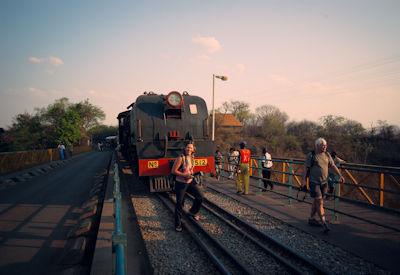
The Perfect Zimbabwe Honeymoon
Most honeymoons are an exercise in doing very little at considerable expense, and there is a great deal to be said for that. Zimbabwe simply arranges better company for it. Elephants come down to drink below the deck while you are still on your first coffee; the guide turns out to know which lion crossed the airstrip in the night; dinner happens on a Zambezi deck while the light goes orange and then goes altogether. Nobody puts Zimbabwe at the top of the shortlist — Kenya and the Cape get there first — which is precisely why the lodges are quieter and the guiding is better than it needs to be.
Top 10 Must See Attractions In Victoria Falls
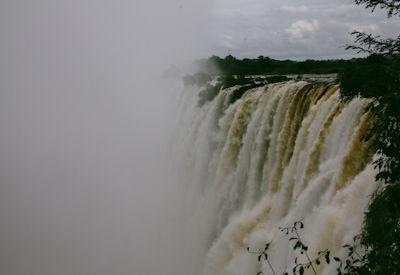
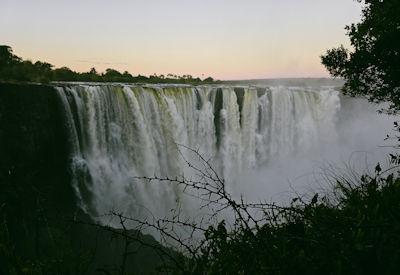
Livingstone named it after a queen who never saw it, and the Tonga had been calling it Mosi-oa-Tunya, the smoke that thunders, for a very long time before he turned up. Theirs is the better name. Five hundred million litres a minute go over the edge in full flood, which is enough to soak you through a hired raincoat before you are halfway along the Zimbabwe footpath, and enough to hide the falls entirely if you have come in the wrong month. There is also a rock pool at the very lip of the drop that people swim in. We will come to that.
5 Best Lodges In Victoria Falls
You can see the falls properly in ninety minutes. The rest of the week happens wherever you are sleeping, which makes the choice of lodge matter more here than almost anywhere else in Zimbabwe. Some of them are town hotels with a shuttle and a buffet. Others sit far enough upriver that the loudest thing at breakfast is one hippo disagreeing with another. The gap in price between those two experiences is usually smaller than you would expect, and the gap in the holiday is not. Here are five I would put my own money on.
10 Reasons To Visit The Zambezi River
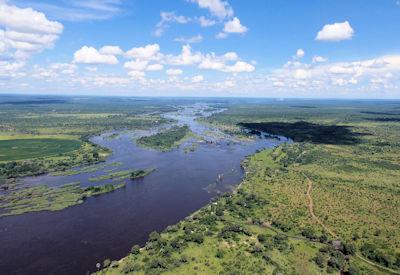
The Zambezi begins as a spring in a patch of Zambian woodland you could step across, and ends two and a half thousand kilometres later in the Indian Ocean, having spent much of the journey acting as the border of half of southern Africa. Six countries. One waterfall that needs no introduction, a dam that made an inland sea, and a stretch below that dam at Mana Pools where you are permitted to walk. It is also, at six in the evening with the light going, the single best place in this part of the continent to be sitting still.
Luxury Tented Safari Camps in Zimbabwe
"Tent" is a word working extremely hard in this part of the brochure. It covers canvas on a hardwood deck with a four-poster and plumbing that would pass in Kensington, and it also covers a bucket shower and a zip. What the two share is the actual reason to choose either: canvas does not keep sound out. You hear the elephants arrive at the Hwange waterhole at two in the morning. You hear the hippos settling their differences on the Zambezi. You lie there listening rather than sleeping, which is rather the point of the whole arrangement.
10 Reasons To Visit The Hwange National Park
Hwange should not really work. Most of it sits on Kalahari sand with no permanent river anywhere near it, and the reason elephants stand shoulder to shoulder at Nyamandhlovu Pan in October is that somebody is running a diesel pump. That decision was taken in the 1920s by a warden named Ted Davison, and it has been kept up, more or less, ever since. Fourteen thousand square kilometres of managed thirst. The Big Five are all present on paper, though I would not build a holiday around seeing the rhino. The elephants are an entirely different proposition.
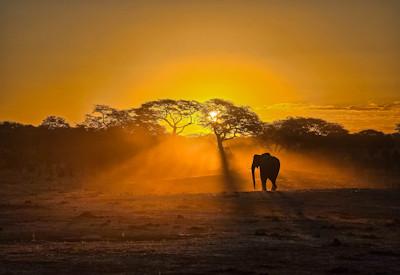
Zimbabwe Travel Bucket List
For most of the last century the Rhodesian authorities preferred to believe that Zimbabweans had not built Great Zimbabwe. Phoenicians were proposed. So were the Queen of Sheba's architects. The stonework is Shona, laid without mortar, eleven metres high in places, and it is the only ruin I can think of that gave its name to the country containing it. That is the sort of country this is. The obvious things — the falls, the Hwange elephants, the rapids below the gorge — are worth every hour of the flight, and underneath them sits a second Zimbabwe that most itineraries never touch.
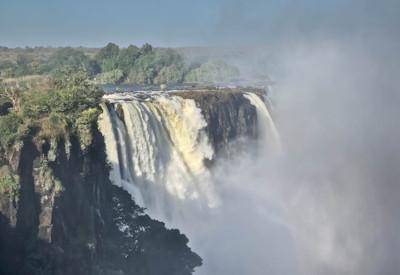
10 Reasons to Visit Victoria Falls for an Unforgettable Experience
The bridge was cast in Darlington, shipped out in pieces and bolted together over the gorge in 1905, and people now jump off it on an elastic rope. Victoria Falls has been like this ever since: a serious piece of natural history with an adrenaline economy bolted to the side of it. You can run the grade five rapids in the Batoka Gorge in the morning and be on a boat with a gin and tonic by six, watching the same water arrive flat and innocent above the lip. Both are honest ways to spend a day here. So is doing neither.