
Deteema Springs Camp
Highlights
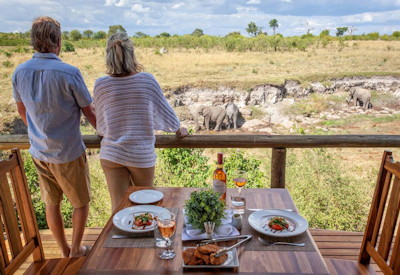
- Permanent springs and a waterhole directly in front of the main area, busiest with elephant in the dry season
- Guided walking safaris with professional guides
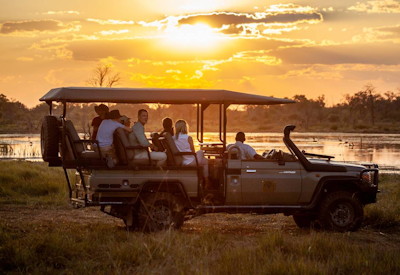
- Morning and afternoon game drives in open 4x4 vehicles
- A small private concession in northwest Hwange National Park, close to Deteema Dam
- Healthy populations of African wild dog, plus lion, buffalo and big elephant herds
- Wildlife and birdlife on view from your own private deck
- Only eight tents and a maximum of 18 guests
Information
- Lodge type: Tented safari camp, operated by Machaba Safaris
- Location: Northwest Hwange National Park, Zimbabwe (Deteema Dam area, near Robins)
- Lodge size: 8 luxury tented suites (7 double, 1 family), maximum 18 guests
- Recommended stay: 3–7 nights
- Malaria risk: Yes. Hwange National Park is a malaria area, so take antimalarial prophylaxis on medical advice.
- Getting there: Victoria Falls is the gateway. The Robins area of Hwange is about 110 km by road, the last 60 km on graded gravel. By light aircraft it is a 30-minute flight to Robins Airstrip, then a 40-minute game drive to camp.
Classic Safari Camp Offering An Unforgettable Wildlife Experience Close To The Deteema Springs In Hwange
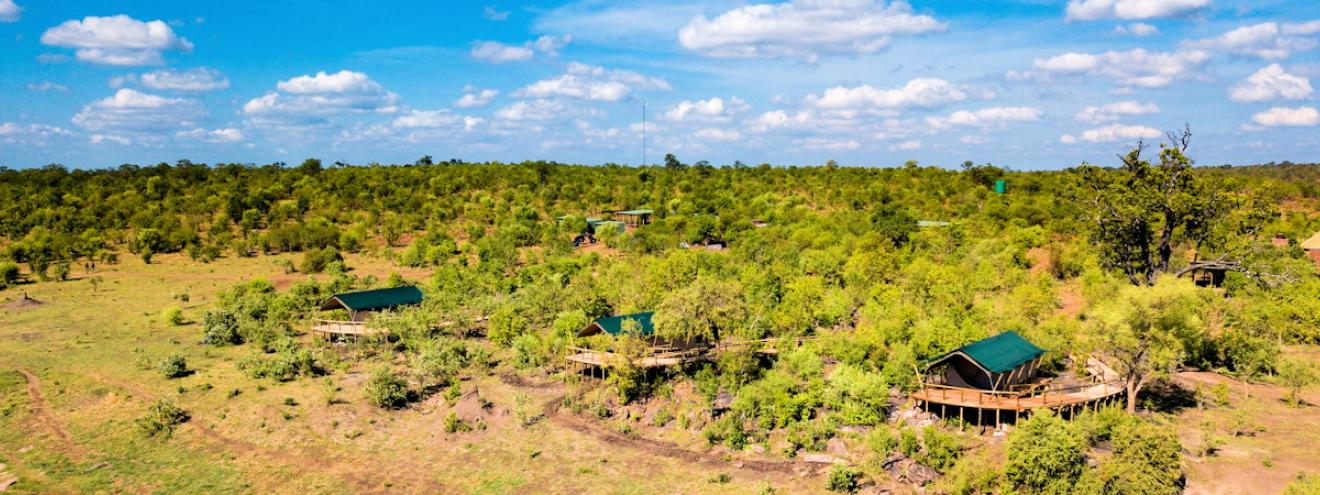
Deteema Springs Camp is an eight-tent luxury safari camp in a small private concession in northwest Hwange National Park, Zimbabwe. It sits on a rocky rise above a set of permanent water springs near Deteema Dam. Hwange covers roughly 14,600 square kilometres and is Zimbabwe's largest national park. It holds some of the highest concentrations of elephants in Africa, and in the dry months a remarkable number of them come to drink at the springs in front of camp.
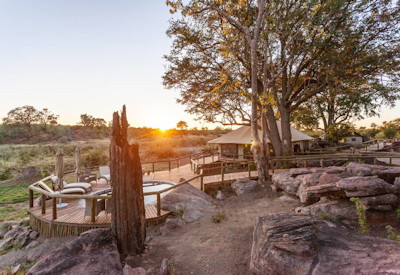
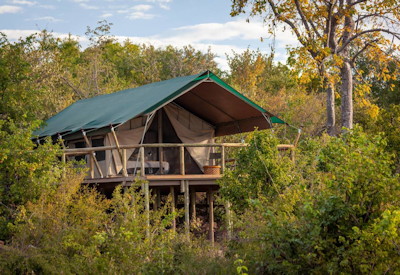
Each eco-luxury canvas tent at Deteema Springs Camp stands on wooden stilts with an elevated deck cut into the slope. The views sweep over open grassland, teak and mopane woodland, and the springs themselves. The camp is built to disappear into the bush, so elephant, buffalo and plains game wander past your deck and bedroom window as though you weren't there. It is one of the most rewarding places in the whole of Hwange National Park to simply sit still and watch Africa come to you, with guided walks and morning and afternoon game drives when you want to go looking.
Part of our selection of the best Hwange Lodges portfolio.
Rooms and Suites
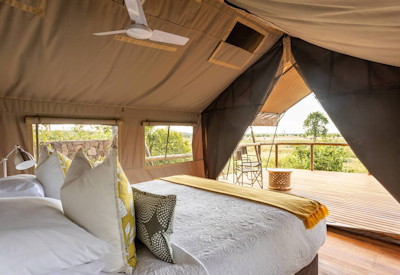
Deteema Springs Camp has eight eco-luxury canvas tents: seven double tents and one family tent that sleeps two adults and two children. Every tent is raised on wooden stilts along the slope, well spaced for privacy, with a private deck facing the permanent springs. The deck is the finest seat in the house, where you can watch elephants drink over morning coffee or listen to the bush settle after dark.
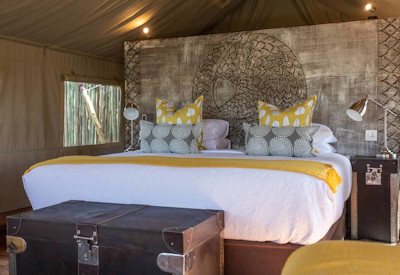
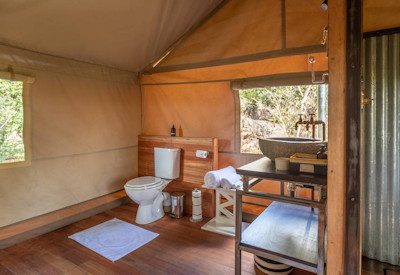
Inside, each tent has a queen-size bed and an en-suite bathroom with a flush toilet and hot and cold shower. The canvas walls let every sound of the Hwange night in, which is half the magic.
- 1x family tented suite
- 7x double tented suites
Cuisine and Wine
Deteema Springs Camp includes all meals in the rate, cooked fresh by an experienced camp kitchen team. The day runs from an early breakfast before the morning activity to brunch, high tea and dinner. Meals are served in the tented dining area, and dinner is often taken outdoors under the stars around the fire. Gourmet bush picnics and private dinners for two can be arranged for special occasions. Sundowners on game drives are part of the ritual, and local alcoholic and soft drinks are included, with imported premium brands charged extra.
Facilities
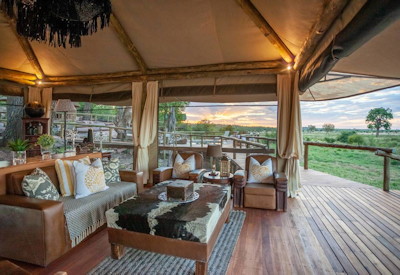
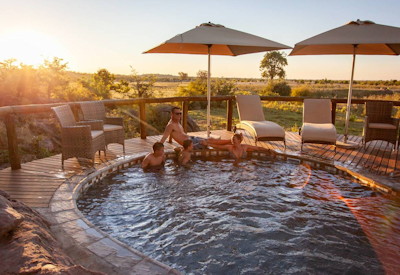
Deteema Springs Camp centres on a tented guest area with a bar, fire pits, a small library and a wooden viewing deck that looks straight over the permanent spring. It is superb for game viewing between activities, as Hwange's elephant, buffalo and birdlife come down to drink in front of you. A plunge pool is the perfect way to cool off after a morning drive or walk. WiFi is available but limited, which suits a camp where the bush is the entertainment. The camp runs on solar power with a backup generator, and guides escort guests to and from their tents after dark.
- Plunge pool
- Bar, lounge and library
- Viewing deck over the permanent spring
- Fire pits and outdoor dining
- Limited WiFi in the guest area
- Solar power with backup generator
Activities
Deteema Springs Camp offers morning and afternoon game drives in open 4x4 vehicles and guided walking safaris with professional guides. It also has some of the best in-camp game viewing in northwest Hwange. Night drives are not permitted, because the camp lies inside Hwange National Park, where park regulations prohibit them. The Deteema and Robins area is excellent wild dog country, and elephant, lion, leopard, buffalo, cheetah and plains game all occur here. Hwange's birdlife runs to more than 400 species, making this a wonderful camp for birders and photographers.
- Morning and afternoon game drives
- Guided walking safaris
- Birding and wildlife photography
- Game viewing from the camp decks
- Private activities on request
Child Friendly
Deteema Springs Camp welcomes children aged six and over, and we suggest children of ten and older are better suited. Wildlife walks freely through camp, and the tents sit on raised decks. The family tent sleeps two adults and two children. There are no dedicated children's facilities or activities, so family safaris work best with a private vehicle and guide, which we can arrange.
Deteema Springs Camp FAQs
Where is Deteema Springs Camp?
Deteema Springs Camp is a luxury tented safari camp in a small private concession in northwest Hwange National Park, Zimbabwe, close to Deteema Dam and the Robins area of the park. The camp sits on a rocky rise above permanent water springs, surrounded by open grassland and teak and mopane woodland. Machaba Safaris operates the camp, and most guests arrive via Robins Airstrip, about a 40-minute game drive away.
How do you get to Deteema Springs Camp from Victoria Falls?
Deteema Springs Camp is reached from Victoria Falls, the nearest gateway city, by light aircraft or by road. The flight from Victoria Falls to Robins Airstrip in northwest Hwange National Park takes about 30 minutes, followed by a 40-minute game drive to camp. By road, the Robins area lies about 110 km from Victoria Falls, and the final 60 km or so is on graded gravel.
Is Deteema Springs Camp in a malaria area?
Yes. Deteema Springs Camp is in Hwange National Park, which is a malaria area, so travellers should see a doctor or travel clinic about antimalarial prophylaxis before leaving home. The risk is highest during the wet months from November to April and lower in the dry winter from May to October. Precautions still apply all year: long sleeves at dusk and a good insect repellent.
Can children stay at Deteema Springs Camp?
Deteema Springs Camp welcomes children aged six and older, though children of ten and over are better suited because elephant and other wildlife move freely through camp and the tents stand on raised decks. One family tent sleeps two adults and two children. There is no dedicated children's programme, so families usually book a private vehicle and guide to set their own pace.
What activities are offered at Deteema Springs Camp?
Deteema Springs Camp offers morning and afternoon game drives in open 4x4 vehicles, guided walking safaris, birding, photography and game viewing from decks overlooking permanent springs. Night drives are not permitted because the camp is inside Hwange National Park, where park regulations prohibit them. The area is known for big elephant herds, lion, leopard, buffalo and healthy populations of endangered African wild dog.
When is the best time to visit Deteema Springs Camp?
Deteema Springs Camp is open all year, but the dry season from June to October is the best time for game viewing. As surface water disappears across Hwange National Park, elephant, buffalo and predators gather at the camp's permanent springs and nearby Deteema Dam. The green season from November to April brings lush scenery, newborn animals, migrant birds, fewer visitors and afternoon thunderstorms.
In Conclusion
Deteema Springs Camp is one of the finest small camps in Hwange National Park for travellers who want wildlife on their doorstep without the crowds. There are only eight tents and never more than 18 guests. The camp sits in a quiet concession in northwest Hwange, and a permanent spring in front of camp brings the elephants to you.
Why go: the best of Hwange from a private deck, with walking safaris, excellent wild dog country and the sound of elephants drinking in the dark.
How to get there: fly 30 minutes from Victoria Falls to Robins Airstrip, then take a 40-minute game drive to camp. It pairs beautifully with a few nights at the Falls or on the Zambezi.
When to go: June to October for the most concentrated game, and November to April for green landscapes, newborns and superb birding.
Uyaphi.com has been planning tailor-made safaris across Africa since 1999. That is 27 years of matching the right camp to the right traveller, with no booking fees and no credit card surcharges. Tell us your dates and what you'd love to see, and we'll build a Zimbabwe safari around Deteema Springs Camp, from the light-aircraft seats to the sundowner spot.
Rates from US$ 634.00 Per person per night
Deteema Springs Camp Rates
Per person per night sharing
Rates are in US Dollar
*Rates may vary according to season
- Road transfers between camps nearest airstrip
- Accommodation
- All meals
- Lodge activities
- Alcoholic and non-alcoholic beverages (excluding imported and premium drinks).
- Laundry
- International flights
- Transfers not mentioned in inclusions
- Premium imported drinks
- Travel Insurance
- Visas
- Gratuities
- Conservation and Community Levy (CCL)
- Items of a personal nature
Book This Zimbabwe Lodge Now
Zimbabwe Travel Topics
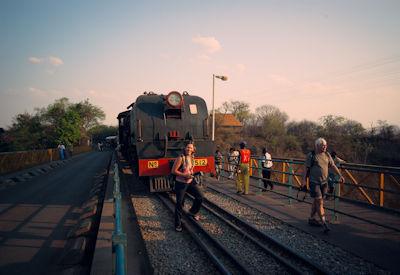
The Perfect Zimbabwe Honeymoon
Most honeymoons are an exercise in doing very little at considerable expense, and there is a great deal to be said for that. Zimbabwe simply arranges better company for it. Elephants come down to drink below the deck while you are still on your first coffee; the guide turns out to know which lion crossed the airstrip in the night; dinner happens on a Zambezi deck while the light goes orange and then goes altogether. Nobody puts Zimbabwe at the top of the shortlist — Kenya and the Cape get there first — which is precisely why the lodges are quieter and the guiding is better than it needs to be.
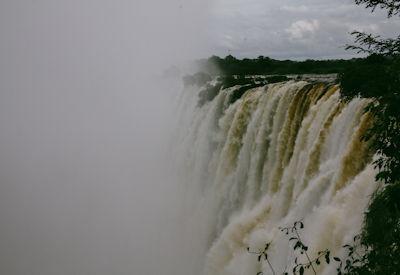
Top 10 Must See Attractions In Victoria Falls
Livingstone named it after a queen who never saw it, and the Tonga had been calling it Mosi-oa-Tunya, the smoke that thunders, for a very long time before he turned up. Theirs is the better name. Five hundred million litres a minute go over the edge in full flood, which is enough to soak you through a hired raincoat before you are halfway along the Zimbabwe footpath, and enough to hide the falls entirely if you have come in the wrong month. There is also a rock pool at the very lip of the drop that people swim in. We will come to that.
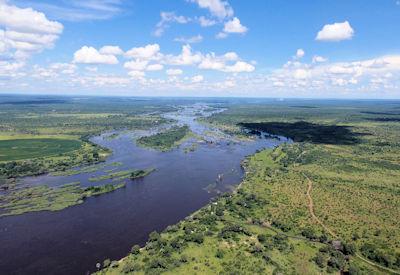
5 Best Lodges In Victoria Falls
You can see the falls properly in ninety minutes. The rest of the week happens wherever you are sleeping, which makes the choice of lodge matter more here than almost anywhere else in Zimbabwe. Some of them are town hotels with a shuttle and a buffet. Others sit far enough upriver that the loudest thing at breakfast is one hippo disagreeing with another. The gap in price between those two experiences is usually smaller than you would expect, and the gap in the holiday is not. Here are five I would put my own money on.
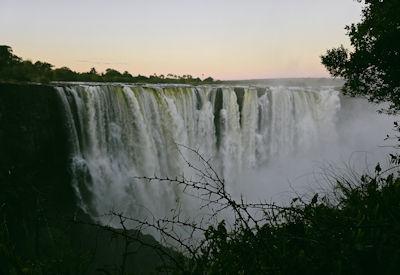
10 Reasons To Visit The Zambezi River
The Zambezi begins as a spring in a patch of Zambian woodland you could step across, and ends two and a half thousand kilometres later in the Indian Ocean, having spent much of the journey acting as the border of half of southern Africa. Six countries. One waterfall that needs no introduction, a dam that made an inland sea, and a stretch below that dam at Mana Pools where you are permitted to walk. It is also, at six in the evening with the light going, the single best place in this part of the continent to be sitting still.
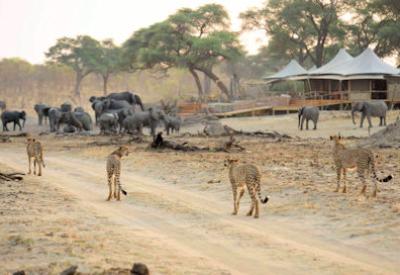
Luxury Tented Safari Camps in Zimbabwe
"Tent" is a word working extremely hard in this part of the brochure. It covers canvas on a hardwood deck with a four-poster and plumbing that would pass in Kensington, and it also covers a bucket shower and a zip. What the two share is the actual reason to choose either: canvas does not keep sound out. You hear the elephants arrive at the Hwange waterhole at two in the morning. You hear the hippos settling their differences on the Zambezi. You lie there listening rather than sleeping, which is rather the point of the whole arrangement.
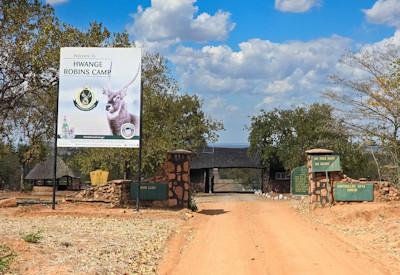
10 Reasons To Visit The Hwange National Park
Hwange should not really work. Most of it sits on Kalahari sand with no permanent river anywhere near it, and the reason elephants stand shoulder to shoulder at Nyamandhlovu Pan in October is that somebody is running a diesel pump. That decision was taken in the 1920s by a warden named Ted Davison, and it has been kept up, more or less, ever since. Fourteen thousand square kilometres of managed thirst. The Big Five are all present on paper, though I would not build a holiday around seeing the rhino. The elephants are an entirely different proposition.
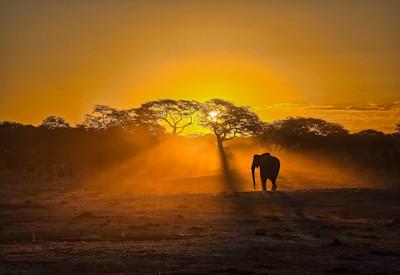
Zimbabwe Travel Bucket List
For most of the last century the Rhodesian authorities preferred to believe that Zimbabweans had not built Great Zimbabwe. Phoenicians were proposed. So were the Queen of Sheba's architects. The stonework is Shona, laid without mortar, eleven metres high in places, and it is the only ruin I can think of that gave its name to the country containing it. That is the sort of country this is. The obvious things — the falls, the Hwange elephants, the rapids below the gorge — are worth every hour of the flight, and underneath them sits a second Zimbabwe that most itineraries never touch.
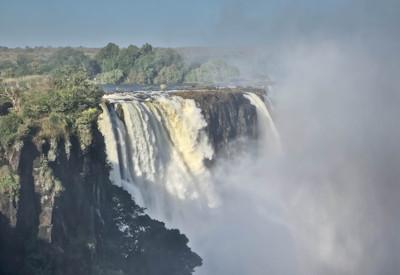
10 Reasons to Visit Victoria Falls for an Unforgettable Experience
The bridge was cast in Darlington, shipped out in pieces and bolted together over the gorge in 1905, and people now jump off it on an elastic rope. Victoria Falls has been like this ever since: a serious piece of natural history with an adrenaline economy bolted to the side of it. You can run the grade five rapids in the Batoka Gorge in the morning and be on a boat with a gin and tonic by six, watching the same water arrive flat and innocent above the lip. Both are honest ways to spend a day here. So is doing neither.