Uyaphi.com
African Safaris and Tours

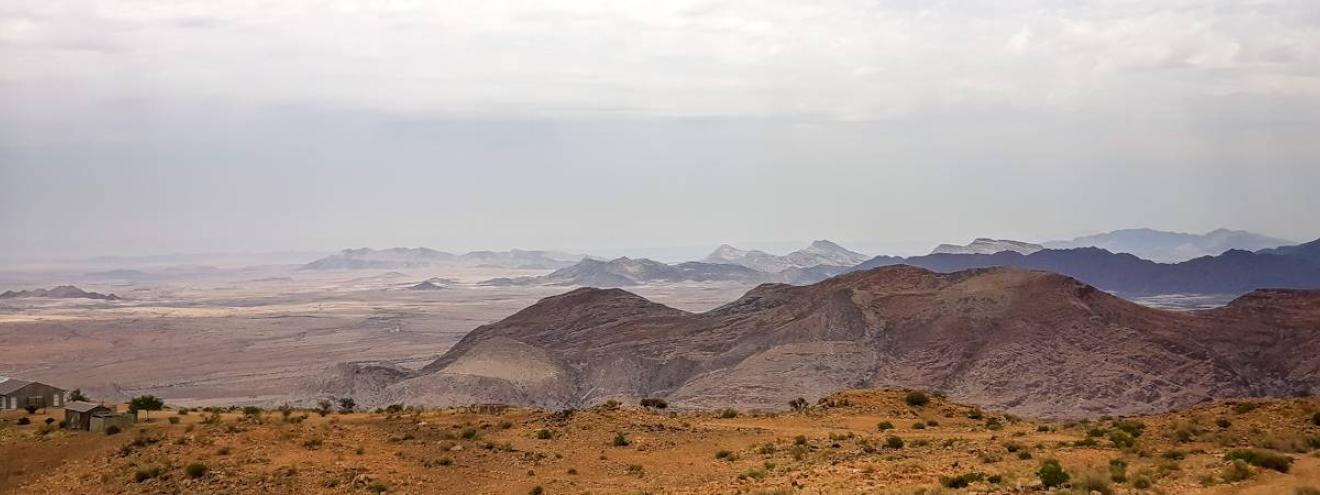
Namibia is a year-round destination, with more than 300 days of sunshine a year. What changes with the seasons is the heat, the rain, the wildlife and the number of visitors. The best time to visit depends on what you want from the trip: Etosha's waterholes at their busiest, the desert green after the rains, or quiet lodges and empty roads.
Safari demand follows the dry season:
| Month | Weather | Wildlife and birding |
|---|---|---|
| January | Hot; main rains, mostly afternoon storms | Wildlife spread out; prime birding season |
| February | Hot; main rains; gravel roads at their most challenging | Wildlife spread out; prime birding season |
| March | Hot; main rains; gravel roads challenging | Wildlife spread out; prime birding season |
| April | Rains easing; roads still affected | Long grass makes game harder to spot; migrant birds leaving |
| May | Dry; warm days, cooler nights | Grass still long early in the month; game viewing improving |
| June | Dry; mid-winter, frost inland, freezing desert nights | Wildlife gathering at waterholes |
| July | Dry; mid-winter, frost inland, freezing desert nights | Waterholes busy |
| August | Dry; cold nights, warming days | Waterholes busy |
| September | Dry and warming | Waterholes busy; migrant birds start arriving |
| October | Hot; summer begins, first showers possible | Wildlife concentrated at waterholes |
| November | Hot; first thunderstorms | Wildlife disperses after rain; birding season begins |
| December | Hot; main rains begin | Wildlife spread out; good birding |
Namibia's summer runs from October to April and brings the rain, though "rainy" is relative in a country this dry. A short, light rainy spell between September and November is followed by the main rains from December to April, mostly as brief afternoon thunderstorms. Rain is heaviest in the north-east, which averages around 600 mm a year, and almost absent on the coast. Average summer temperatures run from about 20 °C on the coast to 35 °C in the central region, and the south, especially the Namib, can top 40 °C. A heavy downpour can turn gravel roads slow and slippery, so allow extra driving time.
The reward is space. Attractions are quiet and the desert greens up after good rains. We've travelled Namibia in midsummer and had lodges and viewpoints almost to ourselves. Most of us at Uyaphi.com don't mind the heat, and an air-conditioned vehicle and lodge room take care of the worst of it.
The dry season runs from May to October and is Namibia's busiest time for safaris. Winter proper, from June to August, brings mild, sunny days and cold nights. Temperatures drop below zero in mid-winter, desert nights can freeze, and frost is common on the central plateau. Afternoon and pre-dawn temperatures can be as much as 30 °C apart, so pack warm layers for early game drives. By September and October the heat is building again ahead of the first rains.
The dry season also brings the visitors, and every major attraction is busier. Even so, Sossusvlei is the only place that has ever felt crowded to us.
Swakopmund and the coast have weather of their own. The cold Benguela Current keeps rainfall to 50 mm a year or less, brings frequent dense fog, and holds temperatures well below those inland all year round. The fog usually lifts by mid-morning and rolls back in late in the afternoon. In winter, an occasional hot, dry east wind (the berg wind, or oosweer) blows from the desert to the sea and can whip up sandstorms.
The dry months from May to October are best for Etosha National Park. With the plains dried out, animals gather at the waterholes ringing the Etosha Pan, and a few hours parked at one can bring elephant, giraffe, plains zebra and springbok down to drink. After good summer rains the wildlife spreads out and becomes harder to find. On our own summer visit, Etosha was a disappointment.
The rainy season from November to April is the season for birders. Food is plentiful, migrant birds arrive, and many species breed and show their breeding plumage. The wetter north and north-east come into their own, and after a good rainy season the Etosha Pan can fill as a shallow lake and draw birds in large numbers.
If wildlife tops your list, plan your safari in Namibia for the dry months, when days are mild and Etosha's waterholes are at their busiest. If you don't mind the heat, summer has plenty going for it: quieter roads, a greener desert and the best birding of the year. Malaria risk in the north also changes with the seasons, so read our Namibia malaria guide before you book. Tell us when you can travel, and our Namibia specialists will shape your itinerary around it.


For a wildlife-focused trip, the best time is the dry season from May to October, when animals gather at Etosha's waterholes and days are mild. Namibia works year-round, though, with more than 300 days of sunshine a year. Summer suits travellers who want quieter roads, green landscapes and the best birding.
Namibia's main rainy season runs from December to April, after a short, lighter rainy spell between September and November. Most rain falls as brief afternoon thunderstorms. The north-east is the wettest region, averaging around 600 mm a year, while the coast gets 50 mm or less. Rainfall varies widely from year to year.
October is a good time for wildlife, but it is hot. It is the last month of the dry season, when animals are concentrated at Etosha's waterholes, and the first month of summer, with Windhoek averaging daytime highs near 29 °C. The first showers can arrive, and migrant birds are starting to return.
Winter nights inland are cold. Temperatures drop below zero in mid-winter, desert nights can freeze, and frost is common on the central plateau. Temperatures can swing by up to 30 °C between afternoon and pre-dawn, so a mild day can end near freezing. Pack warm layers, a beanie and gloves for early-morning game drives.
The coast is foggy because the cold, north-flowing Benguela Current cools the air above it, producing frequent dense fog and very little rain. The fog usually lifts by mid-morning and returns late in the afternoon. Walvis Bay averages daytime highs of roughly 16–20 °C all year, and an occasional winter berg wind brings sudden heat and sandstorms.
The dry months from May to October are the best time for wildlife in Etosha National Park. As surface water disappears, animals gather at the waterholes around the Etosha Pan, where they are easier to find. After good summer rains there is water everywhere, the grass grows long, and wildlife spreads out across the park.
The best time for birding in Namibia is the rainy season, from November to April. Food is plentiful, migrant birds arrive, and many species breed and show their breeding plumage. After a good rainy season, the Etosha Pan can fill as a shallow lake, making the park better for birding than for game viewing.
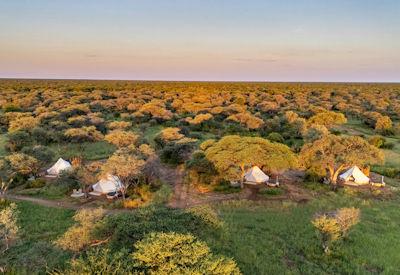
Etosha's finest lodges sit just outside the park, on the private reserves fringing its eastern and southern boundaries. This guide covers our six favourites — from ultra-luxurious Onguma Camp Kala and exclusive Little Ongava to the value-led Etosha Oberland Lodge — with accommodation, activities and who each suits, plus sample combinations, how many nights to plan and a practical FAQ. Every property is one we use personally, and our Namibia specialists can build any into a tailor-made safari.
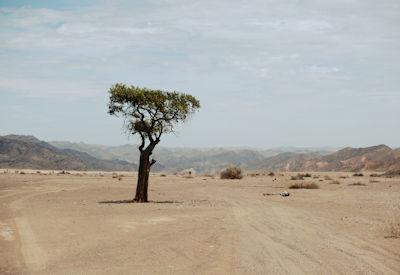
Located in Southern Africa, the Namib Desert is one of the oldest and most majestic deserts on Earth, perfect for travelers seeking adventure, peace, and a connection with nature. With vast sand dunes stretching endlessly, its surreal landscapes must be seen to be believed. The Namib Desert is not just a destination; it's a journey into an ancient world that has remained largely unchanged for millions of years. From the awe-inspiring beauty of its endless dunes to the unique ecosystems that have adapted to thrive in this harsh environment, there are countless reasons why this stunning desert should be at the top of your travel bucket list.
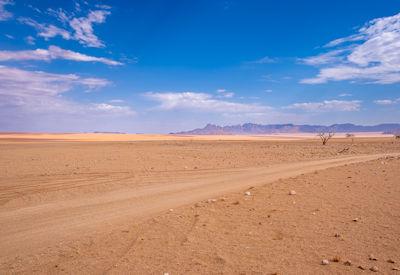
Namibia, a country of stark beauty and contrasting landscapes, is home to some of the most breathtaking national parks in the world. Each park offers a unique window into the heart of Africa's wilderness, where the drama of survival plays out against backdrops ranging from towering sand dunes to dense woodlands. This blog explores Namibia's top national parks, offering adventure, wildlife, and endless exploration. Whether you're a birdwatcher, wildlife lover, or nature enthusiast, these parks have something for everyone.
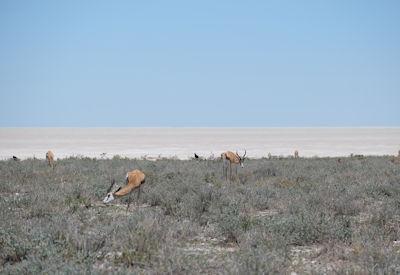
This blog highlights "10 Reasons to Visit Etosha National Park" and why it deserves a spot on every traveller's bucket list. Located in Namibia, Etosha is a stunning haven for wildlife, home to elephants, rhinos, lions, leopards, and cheetahs. Beyond its famed inhabitants, Etosha captivates visitors with its unique landscapes that stretch across 22,270 square kilometres. From the shimmering expanse of the Etosha Pan to the dense mopane woodlands and savannah grasslands teeming with life after the rains, this park offers a mosaic of ecosystems waiting to be explored.
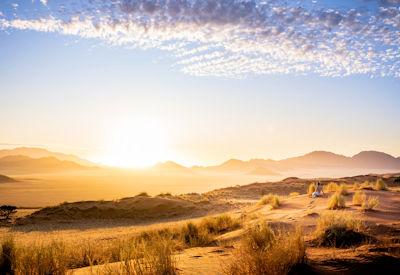
Nestled in the heart of Southern Africa, the Namib Desert is a mesmerising landscape of endless dunes, stark beauty, and unparalleled tranquillity. It's a place where time seems to stand still, offering travellers a chance to disconnect from the hustle and bustle of modern life and reconnect with nature in its most primal form. Our latest blog takes you through the five best lodges in this ancient desert, offering more than just accommodation. Each lodge is chosen to complement the natural beauty and serenity of the area, blending comfort with a wild Namib Desert adventure.
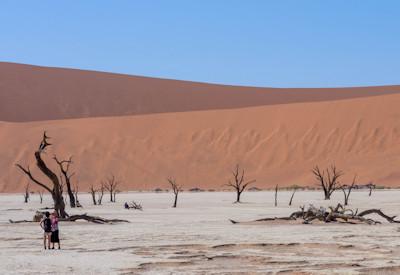
Namibia, with its vast and mesmerizing landscapes, is the perfect destination for a romantic honeymoon. From the sweeping sand dunes of the Namib Desert to the wildlife-rich plains of Etosha National Park, this African gem offers an unparalleled blend of adventure and luxury. Whether you're soaring above the desert in a hot air balloon or relaxing in a luxurious lodge under a starry night sky, Namibia promises an unforgettable experience. Discover the best Namibia honeymoon destinations and embark on a journey filled with stunning landscapes, magnificent wildlife, and cherished memories.
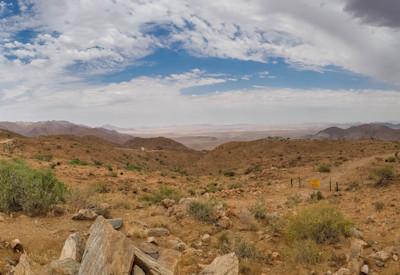
The Namib Desert, one of the world's oldest deserts in southern Africa, is a stunning expanse of sand dunes and stark landscapes. Known for its beauty and unique natural wonders, it invites travellers to discover its wildlife, ancient geology, and cultural heritage. From the towering red dunes of Sossusvlei to the ghost towns of Kolmanskop, the Namib Desert offers a one-of-a-kind adventure. From the rugged Skeleton Coast to the wildlife of Etosha National Park, this desert guarantees unforgettable experiences for every explorer.
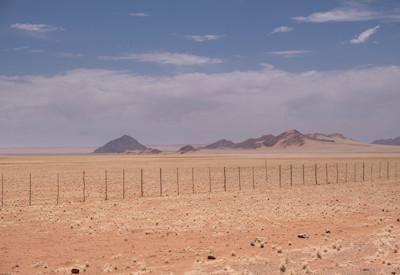
Embark on an unforgettable journey through Namibia, a land of striking contrasts and breathtaking beauty. Our suggested Namibia safari itinerary takes you on a 10-day adventure across this diverse country, showcasing its iconic landscapes, rich wildlife, and vibrant cultures. From the towering sand dunes of Sossusvlei to the wildlife of Etosha and the charm of Swakopmund, this itinerary offers an immersive experience of Namibia's natural wonders. Whether planning a self-drive road trip or a luxurious fly-in safari, this blog helps you capture the essence of Namibia and make your safari dream a reality.