Uyaphi.com
African Safaris and Tours

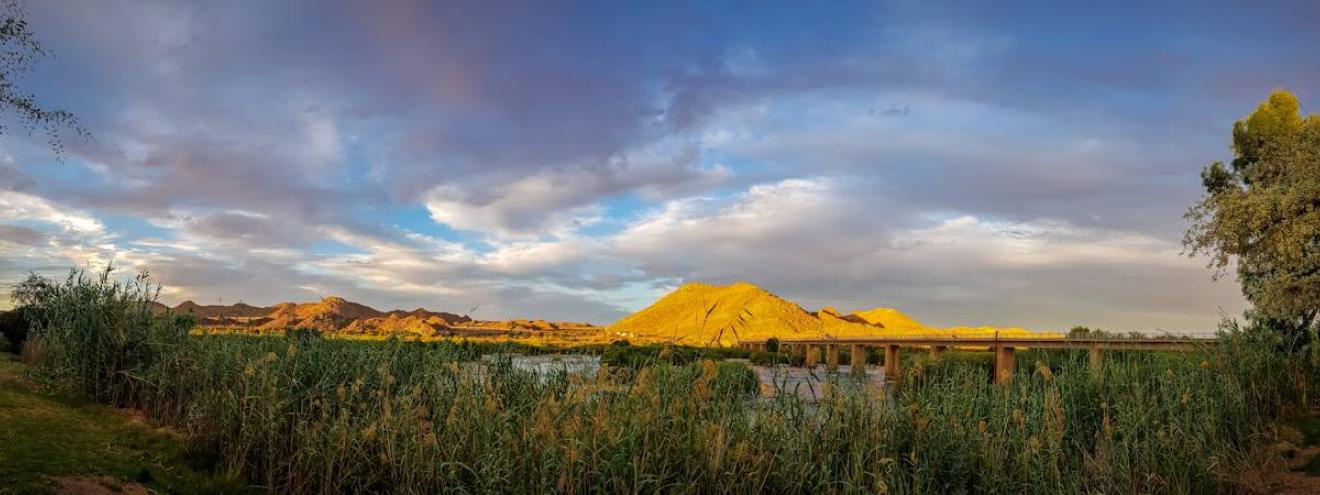
Malaria in Namibia depends on where you go and when. Much of the classic safari route – the red dunes of Sossusvlei, the coast at Swakopmund and the capital, Windhoek – sits in very low-risk country, while the lush river regions of the north-east carry a high risk all year. UK guidance from NaTHNaC divides the country into three zones, set out in the table below.
| Area (NaTHNaC classification) | Risk | When | NaTHNaC advice |
|---|---|---|---|
| Kavango East, Kavango West, Zambezi | High | All year | Antimalarials and bite avoidance |
| Kunene, Omusati, Oshana, Ohangwena, Oshikoto, Omaheke, Otjozondjupa | High | December to April | Antimalarials and bite avoidance |
| Kunene, Omusati, Oshana, Ohangwena, Oshikoto, Omaheke, Otjozondjupa | Low | May to November | Awareness and bite avoidance |
| Rest of Namibia, including Windhoek, Sossusvlei, Swakopmund and the south | Very low | All year | Awareness and bite avoidance; antimalarials not advised |
Etosha National Park lies in Kunene Region and borders Oshana, Oshikoto and Otjozondjupa, so it falls in the seasonal zone – high risk from December to April, low risk from May to November.
The antimalarials UK guidance lists for Namibia's risk areas are atovaquone/proguanil, doxycycline and mefloquine. Whether you need one, and which suits you, is a decision for your doctor or a travel clinic – book an appointment ideally four to six weeks before you fly. No antimalarial is 100% effective, so cover up and use repellent from dusk to dawn, when malaria mosquitoes mainly feed.
Malaria levels can rise after unusually heavy rains. Namibia saw a sharp increase in cases in 2026, concentrated in the northern and north-eastern risk regions, and the WHO reported some spread into areas that previously had little or no transmission. Risk can change from season to season, so check the TravelHealthPro (NaTHNaC) advice for Namibia shortly before you travel. This page was last checked against it in October 2026.
This page is a guide only. For more on the disease itself, see our Malaria in Africa page.
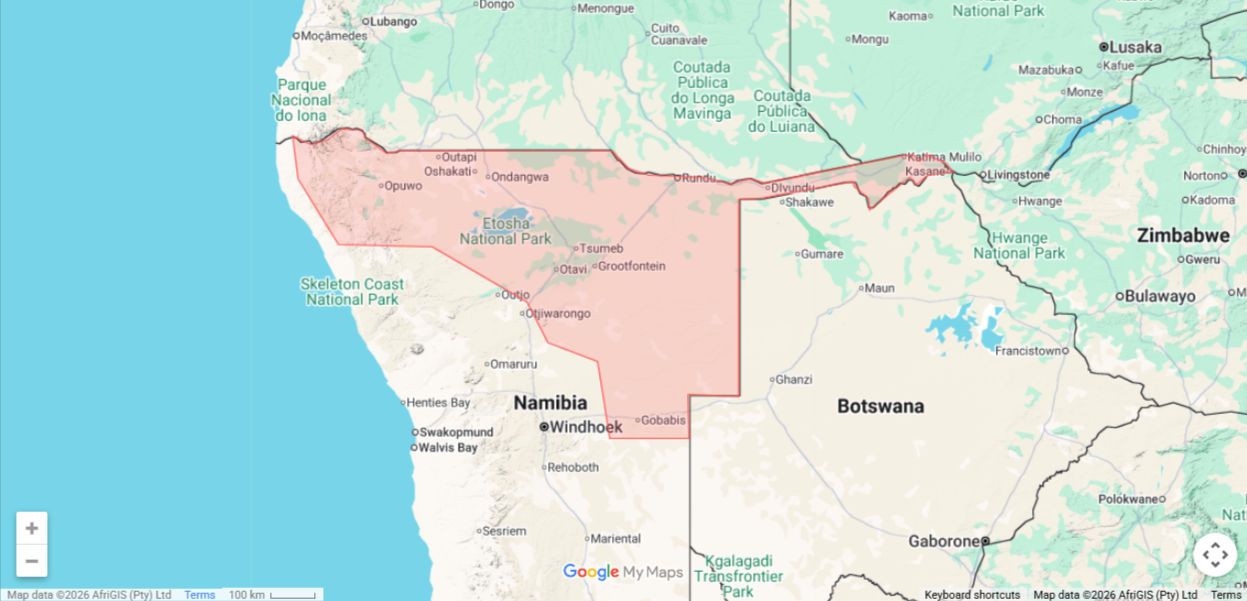
The map below gives an approximate picture of the risk areas, not an exact boundary.
If you would rather keep to very low-risk areas, or simply want the risk built into your planning, tell us when you start and we'll shape your Namibia safari around it. We've been doing exactly this since 1999.
Yes, but only in parts of the country. UK NaTHNaC guidance rates Kavango East, Kavango West and Zambezi as high risk all year, seven northern and eastern regions as high risk from December to April, and the rest of Namibia, including Sossusvlei, Swakopmund and Windhoek, as very low risk.
Yes, seasonally. Etosha lies in Kunene Region and borders Oshana, Oshikoto and Otjozondjupa, all of which NaTHNaC rates as high risk from December to April and low risk from May to November. Antimalarials are recommended in the high-risk months; awareness and bite avoidance in the low-risk months.
It depends on where and when you travel. NaTHNaC advises antimalarials for the north-east all year and for the seasonal northern regions from December to April, but not for very low-risk areas. The right option depends on your route, dates and medical history, assessed with a doctor or travel clinic four to six weeks before you fly.
UK guidance lists atovaquone/proguanil, doxycycline and mefloquine for Namibia's risk areas. Each has different side effects and suitability, and the advice for children differs, so the choice is one for your doctor or a travel clinic. Book your appointment ideally four to six weeks before you travel.
Yes. Sossusvlei, Swakopmund, Windhoek and the Fish River Canyon all lie in areas NaTHNaC classifies as very low risk, so a route through the centre and south can stay clear of malaria areas altogether. If that matters to you, perhaps because you are travelling with young children, tell us and we will plan around it.
In most risk areas, yes. NaTHNaC drops Kunene, Omusati, Oshana, Ohangwena, Oshikoto, Omaheke and Otjozondjupa, Etosha included, to low risk from May to November. Kavango East, Kavango West and the Zambezi Region stay high risk all year, so antimalarials remain recommended there whatever the month.
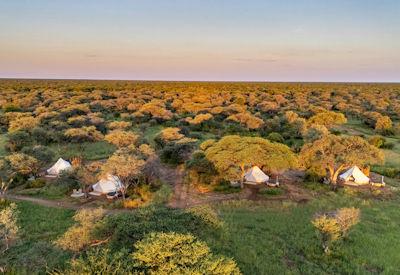
Etosha's finest lodges sit just outside the park, on the private reserves fringing its eastern and southern boundaries. This guide covers our six favourites — from ultra-luxurious Onguma Camp Kala and exclusive Little Ongava to the value-led Etosha Oberland Lodge — with accommodation, activities and who each suits, plus sample combinations, how many nights to plan and a practical FAQ. Every property is one we use personally, and our Namibia specialists can build any into a tailor-made safari.
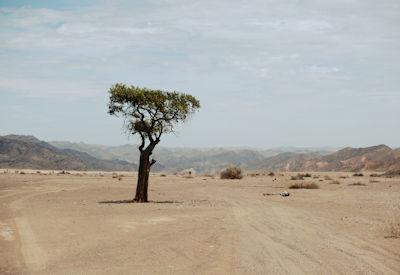
Located in Southern Africa, the Namib Desert is one of the oldest and most majestic deserts on Earth, perfect for travelers seeking adventure, peace, and a connection with nature. With vast sand dunes stretching endlessly, its surreal landscapes must be seen to be believed. The Namib Desert is not just a destination; it's a journey into an ancient world that has remained largely unchanged for millions of years. From the awe-inspiring beauty of its endless dunes to the unique ecosystems that have adapted to thrive in this harsh environment, there are countless reasons why this stunning desert should be at the top of your travel bucket list.
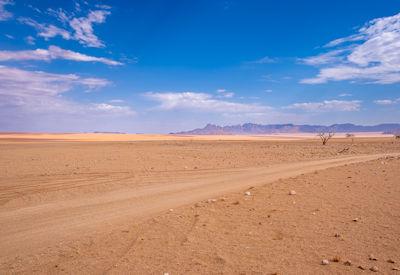
Namibia, a country of stark beauty and contrasting landscapes, is home to some of the most breathtaking national parks in the world. Each park offers a unique window into the heart of Africa's wilderness, where the drama of survival plays out against backdrops ranging from towering sand dunes to dense woodlands. This blog explores Namibia's top national parks, offering adventure, wildlife, and endless exploration. Whether you're a birdwatcher, wildlife lover, or nature enthusiast, these parks have something for everyone.
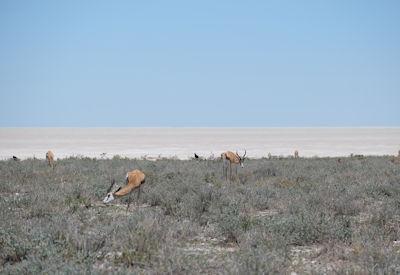
This blog highlights "10 Reasons to Visit Etosha National Park" and why it deserves a spot on every traveller's bucket list. Located in Namibia, Etosha is a stunning haven for wildlife, home to elephants, rhinos, lions, leopards, and cheetahs. Beyond its famed inhabitants, Etosha captivates visitors with its unique landscapes that stretch across 22,270 square kilometres. From the shimmering expanse of the Etosha Pan to the dense mopane woodlands and savannah grasslands teeming with life after the rains, this park offers a mosaic of ecosystems waiting to be explored.
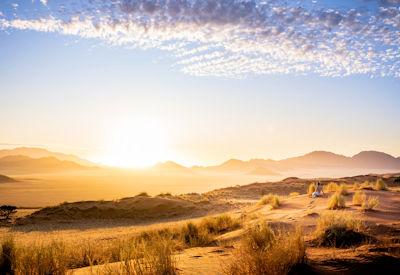
Nestled in the heart of Southern Africa, the Namib Desert is a mesmerising landscape of endless dunes, stark beauty, and unparalleled tranquillity. It's a place where time seems to stand still, offering travellers a chance to disconnect from the hustle and bustle of modern life and reconnect with nature in its most primal form. Our latest blog takes you through the five best lodges in this ancient desert, offering more than just accommodation. Each lodge is chosen to complement the natural beauty and serenity of the area, blending comfort with a wild Namib Desert adventure.
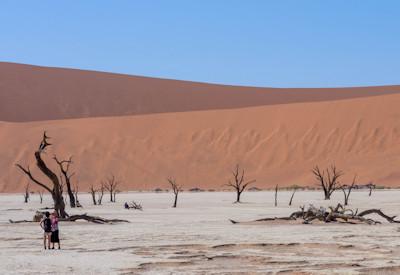
Namibia, with its vast and mesmerizing landscapes, is the perfect destination for a romantic honeymoon. From the sweeping sand dunes of the Namib Desert to the wildlife-rich plains of Etosha National Park, this African gem offers an unparalleled blend of adventure and luxury. Whether you're soaring above the desert in a hot air balloon or relaxing in a luxurious lodge under a starry night sky, Namibia promises an unforgettable experience. Discover the best Namibia honeymoon destinations and embark on a journey filled with stunning landscapes, magnificent wildlife, and cherished memories.
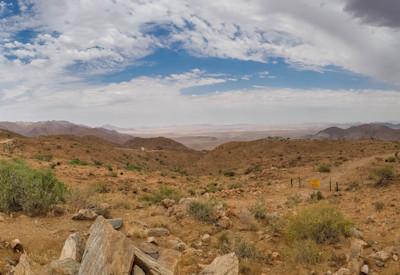
The Namib Desert, one of the world's oldest deserts in southern Africa, is a stunning expanse of sand dunes and stark landscapes. Known for its beauty and unique natural wonders, it invites travellers to discover its wildlife, ancient geology, and cultural heritage. From the towering red dunes of Sossusvlei to the ghost towns of Kolmanskop, the Namib Desert offers a one-of-a-kind adventure. From the rugged Skeleton Coast to the wildlife of Etosha National Park, this desert guarantees unforgettable experiences for every explorer.
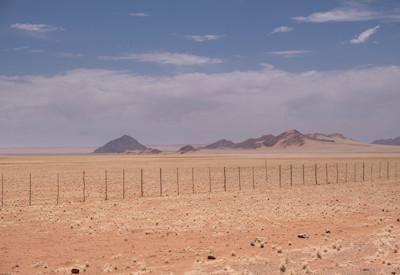
Embark on an unforgettable journey through Namibia, a land of striking contrasts and breathtaking beauty. Our suggested Namibia safari itinerary takes you on a 10-day adventure across this diverse country, showcasing its iconic landscapes, rich wildlife, and vibrant cultures. From the towering sand dunes of Sossusvlei to the wildlife of Etosha and the charm of Swakopmund, this itinerary offers an immersive experience of Namibia's natural wonders. Whether planning a self-drive road trip or a luxurious fly-in safari, this blog helps you capture the essence of Namibia and make your safari dream a reality.