
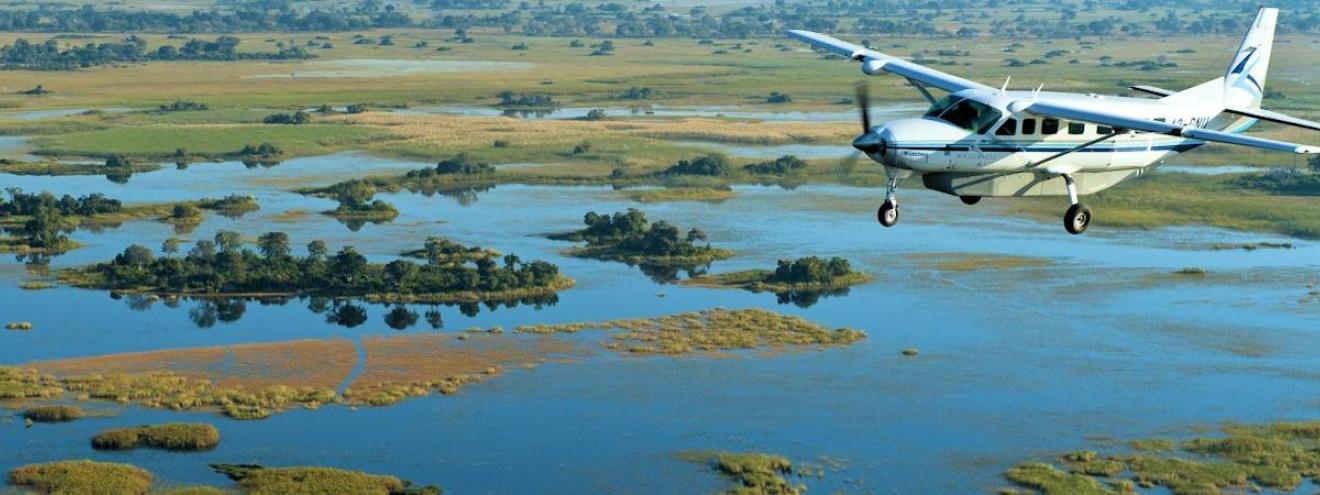
Malaria In Africa
Malaria is one of the most common questions we're asked by first-time visitors to Africa, and it's a sensible one to ask. It's a real risk in many of the destinations we arrange safaris to, but it's also very well understood, straightforward to prevent, and shouldn't stop you from experiencing everything this continent has to offer.
Below is a practical guide covering what malaria is, where the risk is highest, how to recognise it and how to prevent it. If you'd simply prefer to avoid the risk altogether, we also offer a wide selection of genuinely excellent malaria-free safari destinations — including Madikwe Game Reserve, much of the Eastern Cape, and parts of Namibia and the Kalahari — where you can enjoy world-class Big Five game viewing without a single anti-malarial tablet.
PLEASE NOTE THAT ONE MUST ALWAYS CONSULT YOUR DOCTOR, PHARMACIST, OR LOCAL MALARIA SPECIALIST BEFORE EMBARKING ON A HOLIDAY TO A MALARIA AREA.
THE CONTENTS BELOW ARE DESIGNED TO BE A GUIDE ONLY.
Websites on Malaria worth reading;
Understanding Malaria In Africa
What You Need to Know Before You Travel to a Malaria Area
Malaria is very common in Sub-Saharan Africa. The predominant species is Plasmodium falciparum — the most dangerous of the species affecting humans, which also include Plasmodium vivax, Plasmodium ovale and Plasmodium malariae. According to the World Health Organization's most recent World Malaria Report, malaria causes an estimated 610,000 deaths per year globally, with approximately 95% of these occurring in the WHO African Region.
Around 94% of the world's malaria cases occur in Africa, and chloroquine resistance is now widespread across the continent. Malaria outbreaks have also been reported in some areas previously considered too high in elevation for transmission, such as the highlands of Kenya — a trend some scientists attribute to climate change, others to patterns of human migration. Malaria has also resurged in a number of areas that once had effective control programmes, including parts of Madagascar and Zanzibar.
How do you get malaria?
Humans get malaria from the bite of a malaria-infected mosquito. When a mosquito bites an infected person, it ingests microscopic malaria parasites found in the person's blood. The malaria parasite must grow in the mosquito for a week or more before infection can be passed to another person. If, after a week, the mosquito then bites another person, the parasites go from the mosquito's mouth into the person's blood. The parasites then travel to the person's liver, enter the liver's cells, grow and multiply. During this time when the parasites are in the liver, the person has not yet felt sick. The parasites leave the liver and enter red blood cells; this may take as little as 8 days or as many as several months. Once inside the red blood cells, the parasites grow and multiply. The red blood cells burst, freeing the parasites to attack other red blood cells. Toxins from the parasite are also released into the blood, making the person feel sick. If a mosquito bites this person while the parasites are in his or her blood, it will ingest the tiny parasites. After a week or more, the mosquito can infect another person. And so the cycle continues.
What are the signs and symptoms of malaria?
Symptoms of malaria include fever and flu-like illness, including shaking chills, headache, muscle aches, and tiredness. Nausea, vomiting, and diarrhea may also occur. Malaria may cause anaemia and jaundice (yellow colouring of the skin and eyes) because of the loss of red blood cells. Infection with one type of malaria, P. falciparum, if not promptly treated, may cause kidney failure, seizures, mental confusion, coma, and death.
How soon will a person feel sick after being bitten by an infected mosquito?
For most people, symptoms begin 10 days to 4 weeks after infection, although a person may feel ill as early as 8 days or up to 1 year later. Two kinds of malaria, P. vivax and P. ovale, can relapse; some parasites can rest in the liver for several months up to 4 years after a person is bitten by an infected mosquito. When these parasites come out of hibernation and begin invading red blood cells, the person will become sick.
How is malaria diagnosed?
Malaria is diagnosed by looking for the parasites in a drop of blood. Blood will be put onto a microscope slide and stained so that the parasites will be visible under a microscope.
Any traveler who becomes ill with a fever or flu-like illness while traveling and up to 1 year after returning home should immediately seek professional medical care. You should tell your health care provider that you have been traveling in a malaria-risk area.
Who is at risk for malaria?
Persons living in, and travelers to, any area of the world where malaria is transmitted may become infected. What is the treatment for Africa malaria? Malaria can be cured with prescription drugs. The type of drugs and length of treatment depend on which kind of malaria is diagnosed, where the patient was infected, the age of the patient, and how severely ill the patient was at start of treatment.
How can malaria and other travel-related illnesses be prevented?
- Visit your health care provider 4-6 weeks before foreign travel for any necessary vaccinations and a prescription for an anti-malarial drug.
- Take your anti-malarial drug exactly on schedule without missing doses.
- Prevent mosquito and other insect bites. Use DEET insect repellent on exposed skin and flying insect spray in the room where you sleep.
- Wear long pants and long-sleeved shirts, especially from dusk to dawn. This is the time when mosquitoes that spread malaria bite.
- Sleep under a mosquito net that has been dipped in permethrin insecticide if you are not living in screened or air-conditioned housing.
Always consult your GP (Local Doctor) and/ or Pharmacist before departing for Africa.
Travel To Africa Now
Map of Lodges in and around Africa
African Travel Topics
5 Best Lodges in Etosha National Park
Etosha's finest lodges sit just outside the park, on the private reserves fringing its eastern and southern boundaries. This guide covers our six favourites — from ultra-luxurious Onguma Camp Kala and exclusive Little Ongava to the value-led Etosha Oberland Lodge — with accommodation, activities and who each suits, plus sample combinations, how many nights to plan and a practical FAQ. Every property is one we use personally, and our Namibia specialists can build any into a tailor-made safari.
10 Must-See Attractions in Cape Town
Cape Town is a destination that effortlessly blends stunning natural landscapes with a vibrant cultural scene. From the towering grandeur of Table Mountain to the colorful charm of Bo-Kaap, there's something to captivate every traveler. Whether you're drawn to its iconic beaches, thriving art scene, or legendary vineyards, Cape Town promises an adventure like no other. If you've been dreaming of an unforgettable getaway, this guide is for you. We'll walk you through ten of Cape Town's must-see attractions, from immersive nature experiences to photo-worthy landmarks and rich historical sites.
The Perfect Zimbabwe Honeymoon
A Zimbabwe honeymoon is the perfect blend of romance and adventure. Picture intimate moments under vibrant African skies, luxury lodges overlooking pristine wilderness, and thrilling encounters with majestic wildlife. From private game drives to candlelit dinners by the Zambezi River, every detail is carefully designed to create memories you’ll cherish forever. Join us as we uncover what makes Zimbabwe the ultimate destination for a honeymoon like no other.
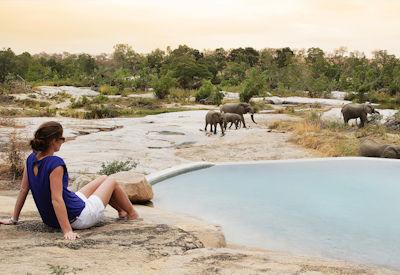
The Perfect Kruger National Park Honeymoon Safari
Embarking on the perfect Kruger National Park honeymoon safari offers an unparalleled blend of thrilling wildlife encounters and luxurious romantic escapes in one of Africa’s most iconic wilderness destinations. The Greater Kruger area, encompassing both the national park and its adjoining private reserves like Sabi Sand and Timbavati, provides newlyweds with exclusive access to the Big Five, rare wildlife sightings, and world-class cuisine paired with rejuvenating spa treatments. Beyond the captivating game drives and wildlife, Kruger seamlessly integrates with other South African highlights to create a truly bespoke honeymoon journey. Many couples combine their safari with cosmopolitan stays in Cape Town, exploring Table Mountain and the Winelands, or extend their trip to the breathtaking Victoria Falls or pristine beaches of Mozambique.
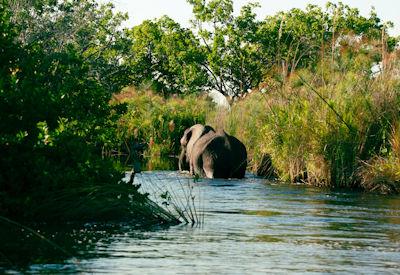
10 Reasons To Visit Botswana
Botswana stands as a beacon of conservation and unparalleled natural beauty, offering a sanctuary for those seeking an authentic African safari experience. With over a third of its territory dedicated to conservation areas, this country promises an extraordinary journey through some of the most pristine landscapes on the continent. Whether you're drawn by the allure of majestic wildlife, including the iconic "Big Five" and the elusive African wild dogs, or enchanted by the idea of drifting along serene waterways in a traditional mokoro canoe, Botswana caters to all. Its unique approach to tourism combines luxury with adventure, making it perfect for everything from romantic honeymoons to action-packed family safaris.
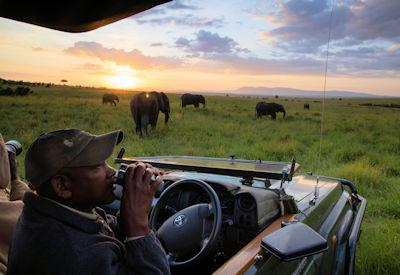
Masai Mara Bucket List
Discover the untamed beauty and thrilling wildlife of one of Africa's most iconic destinations in our latest blog post, "Masai Mara Bucket List". For over twenty years, Uyaphi.com has been your gateway to personalised safari adventures in the heart of Kenya's Masai Mara National Reserve. This sprawling savannah, a jewel in the crown of African wilderness, is a sanctuary where nature's most awe-inspiring dramas play out under the vast, open skies. Venture with us as we explore the undulating landscapes and rich Maasai culture that make the Masai Mara an unforgettable destination. Our Masai Mara Bucket List guide is crafted to inspire seasoned travellers and first-time explorers alike, highlighting not-to-be-missed experiences that capture the essence of this extraordinary ecosystem.
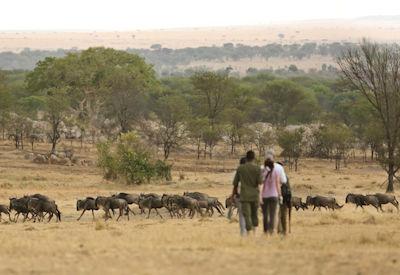
The Ultimate Guide to a Serengeti Safari
Embarking on a Serengeti safari is like stepping into a living canvas, where the beauty of nature unfolds before your eyes. "The Ultimate Guide to a Serengeti Safari" is your compass through this stunning landscape, capturing unforgettable moments. From the thunderous hooves of the Great Migration to lions basking under the Tanzanian sun, this guide immerses you in the Serengeti's essence, offering an unforgettable journey into the heart of Africa. In this blog post, we delve deep into what makes a Serengeti safari an unparalleled adventure. We've curated essential tips, insider knowledge, and must-see destinations within this vast ecosystem to ensure your experience transcends the ordinary. Whether you're yearning for close encounters with wildlife or seeking solace in nature's grandeur, our ultimate guide is tailored to help you navigate through this iconic savannah.
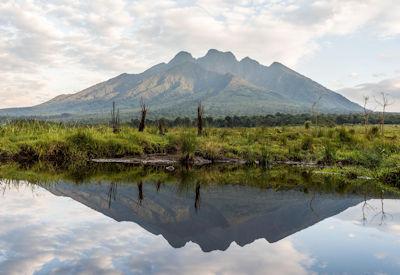
10 Reasons to Visit Volcanoes National Park
Nestled in the heart of Rwanda, Volcanoes National Park stands as a beacon for adventurers, nature lovers, and those seeking an intimate encounter with the raw beauty of East Africa. This park is not just a destination; it's an experience that transcends ordinary travel. From the moment you set foot on its lush terrain, you're propelled into a world where endangered primates roam free, ancient volcanoes tower majestically, and luxury lodges offer sanctuary amidst the wild. Drawing from our extensive experience and passion for African safaris, we've crafted a guide that not only highlights the unique allure of Volcanoes National Park but also provides practical advice for planning your visit. Whether you're intrigued by the prospect of coming face-to-face with mountain gorillas or enchanted by the idea of hiking through verdant volcanic landscapes, our latest post has something for everyone.