
10 Must-See Attractions in Cape Town
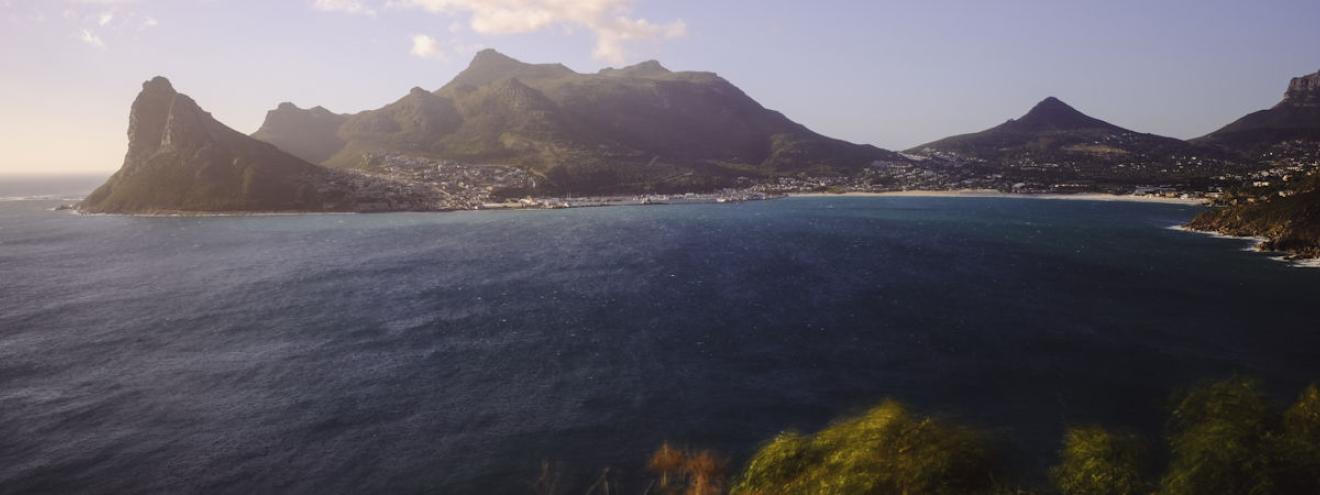
Exploring Cape Town — 10 Must-See Attractions From Mountain to Ocean to Vineyard
Key Takeaways
- Cape Town’s top 10 sights blend dramatic scenery like Table Mountain and Cape Point with cultural landmarks including Robben Island, Bo-Kaap, and the V&A Waterfront.
- Most attractions fit comfortably into 3–5 days, though a week allows for wine country excursions and scenic coastal drives along Chapman’s Peak and beyond.
- Several highlights pair naturally with a wider South Africa safari itinerary—Uyaphi.com specialises in crafting these combinations.
- Each section includes practical 2026 tips: best visiting times, approximate ticket prices, and safety notes.
- This guide is designed for time-conscious travellers who want authentic experiences without wasted hours.
Introduction: Why Cape Town Belongs on Your Africa Itinerary
Wedged between the flat-topped silhouette of Table Mountain and the cold blue swells of the Atlantic Ocean, Cape Town occupies one of the most spectacular settings of any city on the African continent. Known locally as the Mother City, this is where dramatic cliffs tumble into white-sand beaches, historic neighbourhoods climb cobbled hillsides, and world-class vineyards sprawl across valleys just 30 minutes from downtown. For travellers visiting Cape Town as part of a broader safari adventure—perhaps combined with Kruger National Park, a malaria-free Eastern Cape reserve, or Botswana’s Okavango Delta—the city offers a compelling contrast of culture, cuisine, and coastal beauty.
Uyaphi.com, a Cape Town–based safari specialist established in 1999, designs bespoke itineraries that weave these urban experiences into longer African journeys. With access to over 1,000 travel options and 24-hour emergency support, we help guests balance Big Five game drives with sundowners overlooking the Atlantic.
This guide focuses on 10 must-see attractions for first-time visitors in 2026. We cover nature, history, food, and wine—each section includes what to expect, how long to allow, and simple planning tips written for affluent but time-conscious travellers ready to make the most of every day.
1. Table Mountain: Cape Town’s Iconic Skyline
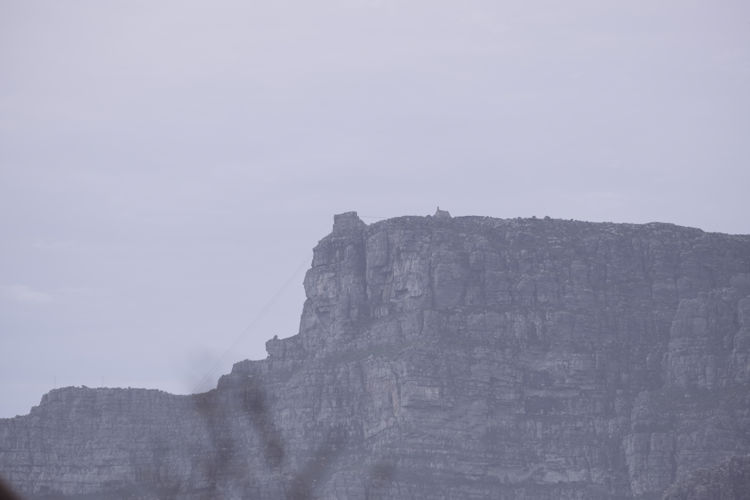
Few landmarks define a city as completely as Table Mountain defines Cape Town. Rising 1,086 metres above sea level, this flat-topped sandstone plateau forms the centrepiece of Table Mountain National Park and was voted one of the New 7 Wonders of Nature. It’s the first thing you see from the airport and the last image that lingers after you leave.
Getting to the Top
The Table Mountain Aerial Cableway has operated since 1929 and was upgraded in 1997 with rotating gondolas that carry 65 passengers each. The four-minute cable car ride delivers stunning views on the ascent, and 2026 return tickets typically hover around ZAR 475–530 for adults (approximately USD 25–28). Peak season surcharges apply from December to March, and daily capacities fill quickly—pre-booking via the official app is essential.
For hikers, Platteklip Gorge offers a direct 2–3 hour ascent covering 2.5 km with a 700-metre elevation gain. It’s steep but straightforward for fit visitors. The India Venster trail adds scrambling elements over 3–4 hours but demands a guide for novices due to exposed sections and occasional visibility drops.
At the Summit
Once on top, over 10 km of maintained walking trails lead to viewpoints overlooking:
- The City Bowl and harbour
- Camps Bay’s iconic beaches
- Robben Island, visible 8 km offshore on clear days
A café serves local rooibos tea and protea-inspired dishes, while a shop stocks fynbos-themed souvenirs. SANParks emergency rescue services operate via helicopter for rare incidents.
Planning Tips
- Visit on clear mornings before the southeasterly “Cape Doctor” winds cloud the plateau
- Summer golden-hour sunsets (November–March, average 25°C) offer spectacular light
- Check weather apps for real-time updates—sudden fog reduces visibility to zero
- Uyaphi.com can fold a Table Mountain visit into a guided city tour or self-drive itinerary
2. V&A Waterfront: Harbour, History and Easy Entertainment
The Victoria & Alfred Waterfront is a revitalised 19th-century harbour precinct spanning 123 hectares. Named after Queen Victoria and Prince Alfred (who helped construct the original breakwater in 1860), it draws 24 million visitors yearly and offers unobstructed Table Mountain views across 3 km of quayside walkways.
Key Attractions
| Attraction | Highlights | Approximate Entry (2026) |
|---|---|---|
| Two Oceans Aquarium | 11,000 sea creatures, African penguins, ragged-tooth sharks | ZAR 280 |
| Zeitz MOCAA | Africa’s largest contemporary art museum, 100 galleries | ZAR 265 |
| Cape Wheel | 40-metre Ferris wheel with 360-degree panoramas | ZAR 150 |
| Time Out Market | 20-stall food hall with bobotie and bunny chow | Meals ZAR 100–200 |
Live music from buskers fills the quays daily from 11 a.m. to 10 p.m., blending jazz, marimba, and Cape jazz influences.
Practical Visitor Info
- Shops open 9 a.m.–9 p.m.; restaurants extend to midnight in summer
- 80+ dining outlets range from casual food markets to fine dining
- Family-friendly zones include playgrounds and kid-focused museum areas
- Uber and taxi access mitigate parking challenges
Ferries to Robben Island depart from the Nelson Mandela Gateway here, making the Waterfront a logical base for that excursion. Consider staying at an Alfred Waterfront hotel on your first or last night—the area sits just 20 minutes from the airport and offers secure, walkable entertainment.
3. Robben Island: Walking Through South Africa’s Recent History
Robben Island earned UNESCO World Heritage Site status in 1999, but its significance runs far deeper. This 3.3 km² limestone outcrop served as a maximum-security prison where Nelson Mandela spent 18 of his 27 years in captivity, labouring in lime quarries and orchestrating underground ANC education from B Section, cell 5.
The Tour Experience
Standard 2026 tours follow a consistent format:
- Ferry crossing (30–45 minutes) from V&A Waterfront, departing multiple times daily between 9 a.m. and 3 p.m.
- Island bus loop (1 hour) past leper graves, the dog section, and coastal fortifications
- Prison walk (1 hour) guided by former political prisoners where possible, visiting Mandela’s 7×6-foot cell and the communal quarry
Total duration runs 3.5–4 hours. Tickets cost approximately ZAR 600 (USD 33) for adults.
Booking and Weather
- Book 2–4 weeks ahead in peak summer; 80% of departures sell out December–March
- Winds exceeding 25 km/h or swells above 2 metres halt roughly 30% of sailings
- Morning slots work well for travellers arriving on early flights
Some sections involve up to 200 steps, though shuttles assist visitors with mobility needs. Guides share personal accounts of imprisonment and torture—the experience carries emotional weight but fosters understanding of South Africa’s rich history and post-1994 reconciliation.
Uyaphi.com coordinates Robben Island timings around flight arrivals or departures, ensuring this powerful experience fits smoothly into your own trip.
4. Cape Point & Cape of Good Hope: The Dramatic End of the Peninsula
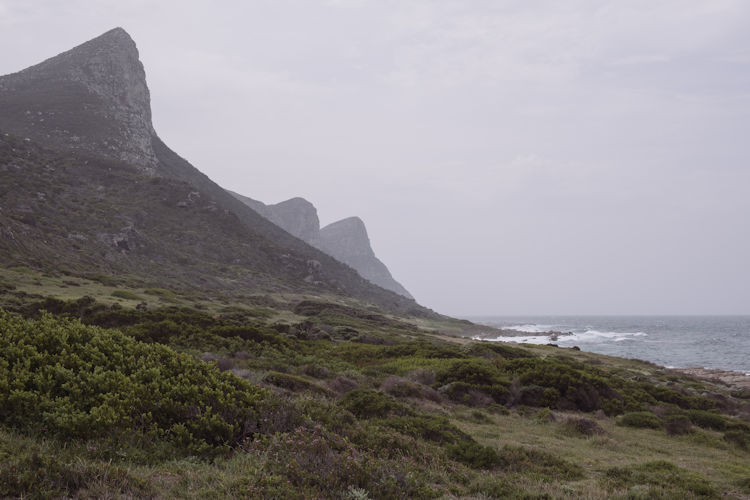
A full-day Cape Peninsula loop ranks among Cape Town’s most scenic experiences. The route winds from the city through coastal towns, climbs the cliff-hugging Chapman’s Peak Drive, and terminates at the Cape of Good Hope section of Table Mountain National Park.
Two Distinct Landmarks
Many visitors confuse Cape Point and the Cape of Good Hope, but they’re separate:
| Location | What You’ll Find |
|---|---|
| Cape Point | Historic 1857 lighthouse atop a 249m promontory, reachable by funicular (ZAR 115 return) or 20-minute hike; views of visible ocean current convergence |
| Cape of Good Hope | Rocky headland with the famous photo-op sign; often mistakenly called Africa’s southernmost tip (that’s Cape Agulhas, 150-170 km east) |
The 7 750-hectare reserve charges ZAR 460 for international adult entry, valid for 7 days. Gates open 7 a.m.–6 p.m. with summer extensions.
Wildlife and Driving Tips
The rocky coastline and fynbos-covered slopes host:
- 400-500 baboons (notorious for vehicle raids—keep windows closed and food hidden)
- Ostriches, eland antelope, and bontebok
- Southern right whales (July–November, with 10,000 annual migrations)
Chapman’s Peak Drive alone justifies the day trip—this 9 km toll road (ZAR 60-66 per vehicle) features 114 curves blasted from sheer granite, with drops to 200-metre Atlantic swells.
Ideal Day Itinerary
- Depart Cape Town by 8 a.m. via Muizenberg
- Stop at Boulders Beach (see Section 5)
- Reach Cape Point by midday for lighthouse views
- End at Good Hope for afternoon photos and whale watching in season
- Return via Hout Bay and Chapman’s Peak for sunset
Uyaphi.com arranges private guided peninsula tours tailored to photography, birding, light hiking, or family-friendly sightseeing.
5. Boulders Beach: African Penguins on the Sand
Near the naval town of Simon’s Town, 40 km south of Cape Town, Boulders Beach hosts one of the world’s most accessible African penguin colonies. These endangered birds (classified IUCN Vulnerable) waddle across sheltered coves, bray like donkeys, and occasionally swim alongside bathers in turquoise waters framed by giant granite boulders.
Viewing the Colony
SANParks manages the site via two entrance gates. The layout funnels visitors to:
- Foxy Beach boardwalks for close viewing (2–5 metres from penguins)
- Boulders Cove with snorkelling amid kelp forests
- A small swimming beach where penguins occasionally join you
The 2026 colony numbers approximately 2,528 birds according to SANParks censuses—down from 3,900 in 2005 due to oil spills, predation, and food scarcity.
Practical Information
- Entry: ZAR 190 for adults (SANParks Wild Card discounts available)
- Hours: 8 a.m.–5 p.m.
- Allow 1–2 hours
- Stay on marked paths—approaching closer than 2 metres stresses penguins and causes nest abandonment
Combining with Other Stops
Boulders fits naturally into a Cape Peninsula day:
- Morning: Muizenberg Beach for surfing history
- Mid-morning: Kalk Bay harbour for fresh hake (ZAR 150) and quirky antique shops
- Midday: Boulders Beach
- Afternoon: Cape Point and Cape of Good Hope
For Uyaphi.com guests, Boulders works as a gentle wildlife introduction before heading to Big Five safari reserves or embarking on a Garden Route self-drive.
6. Kirstenbosch National Botanical Garden: The Cape Floral Kingdom in One Valley
Spreading across 528 hectares on the eastern slopes of Table Mountain, Kirstenbosch forms part of the Cape Floristic Region UNESCO World Heritage Site. This is the only botanical garden worldwide cultivated within a natural World Heritage Site—and it showcases over 9,000 plant species, 80% of them found nowhere else on Earth.
Signature Features
- Boomslang Canopy Walkway: A 130-metre steel-and-timber structure suspended 12 metres above the forest canopy, offering bird’s-eye fynbos immersion
- Fragrance Garden: Designed for visually impaired visitors, featuring aromatics like wild rosemary and buchu
- Fynbos Walk: Proteas, ericas, and restios—the king protea (South Africa’s national flower) blooms spectacularly from May to October
- Expansive lawns: Perfect for picnics; 20,000+ visitors spread blankets here annually
Seasonal Events
Summer sunset concerts (November–April) draw 50,000 jazz and folk fans under the proteas. Occasional Galileo Open Air Cinema screenings transform the lawns into outdoor theatres—check 2026 schedules closer to your visit.
Visitor Tips
| Detail | Information |
|---|---|
| Entry fee | Approximately ZAR 220-270 (adults) |
| Best visiting time | Early morning or late afternoon to avoid midsummer heat (often 30°C) |
| Duration | 2–4 hours for most visitors |
| Trail highlight | 6 km blue route to Smuts’ Hut |
The Kirstenbosch Botanical Gardens appeal to couples, families, and photographers seeking easy-access natural beauty. Uyaphi.com adds this to privately guided Cape Town days or self-drive routes with audio tour recommendations.
7. Camps Bay & Clifton: Glamorous Beaches Beneath the Twelve Apostles
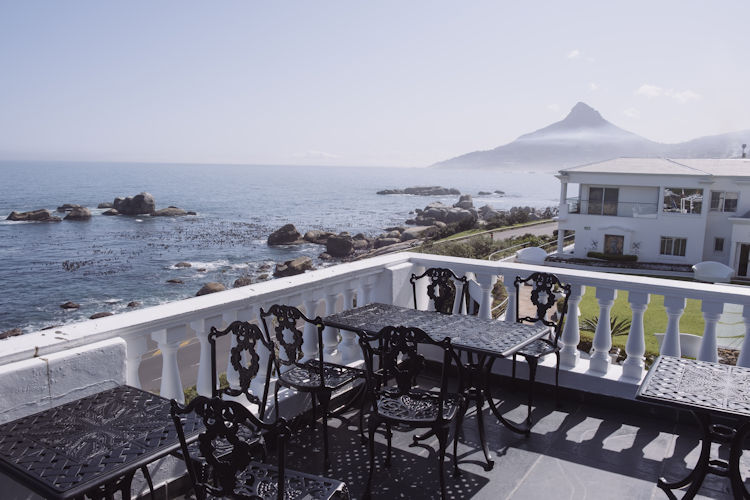
The Atlantic Seaboard stretches south from Sea Point Promenade through Clifton’s sheltered coves to Camps Bay’s palm-lined promenade—all backed by the 500-metre quartzite buttresses of the Twelve Apostles.
The Beaches
Clifton comprises four numbered coves:
- Beaches 1 and 2 attract a younger, more relaxed crowd
- Beaches 3 and 4 suit families, with imported sand replenishing natural erosion losses of 10 m³ per year
Camps Bay offers a broader 2 km expanse with:
- A 1920s Art Deco tidal pool
- 20+ beachfront restaurants and bars
- Peak summer crowds exceeding 100 sunbathers per 10 square metres
- Maiden’s Cove nearby for sunset photography
Practical Notes
- Water temperatures: 14–18°C year-round due to Benguela Current upwelling
- Sun protection: UV index often exceeds 11; SPF 50+ is essential
- Lounger rentals: Approximately ZAR 200/day from beach vendors
- Safety: Beach patrols operate during peak hours; rip currents claim 5–10 swimmers yearly
Best Time to Visit
Sunset transforms Camps Bay. The alpenglow on the Twelve Apostles creates perfect conditions for photography (drone restrictions apply), and sundowners at cafés like The Lawns (cocktails around ZAR 150) cap a relaxed afternoon.
Many Uyaphi.com guests book two nights in Camps Bay for a “bush and beach” feel within Cape Town itself—Atlantic sunsets before or after safari adventures elsewhere.
8. Bo-Kaap: Colourful Streets and Cape Malay Heritage
Climbing Signal Hill’s lower slopes above the city centre, Bo-Kaap is both a popular tourist destination and a living community. Its 600+ candy-coloured Georgian houses—repainted post-1994 from apartheid-era whitewash—originated as an 1763 slave quarter housing freed Muslim slaves and political exiles.
Cultural Highlights
- Auwal Mosque (1794): South Africa’s oldest mosque, still active today
- Iziko Bo-Kaap Museum: Housed in an 1768 home, detailing slavery and emancipation (1834)
- Street art: Murals celebrating Cape Malay heritage dot narrow lanes
- Annual Open Day: Preserves traditions amid gentrification that has displaced 20% of residents since 2010
Cape Malay Cuisine
The colourful neighbourhood birthed Cape Malay cooking—a fusion of Javanese, Malay, and Indian flavours. Dishes to try:
| Dish | Description | Approximate Price |
|---|---|---|
| Denningvleis | Sweet-sour braised lamb | ZAR 180 |
| Bobotie | Spiced minced meat with egg custard | ZAR 150 |
| Samoosas | Fried pastries with curry filling | ZAR 50 |
Cooking classes (2 hours, approximately ZAR 750) at spots like Bo-Kaap Kitchen teach hands-on preparation.
Etiquette and Safety
- Visit by day (8 a.m.–5 p.m.)
- Ask permission before photographing residents
- Use licensed guides (ZAR 300/group) for deeper historical context
- Petty theft occurs; travel in groups and stay on main streets
Uyaphi.com aligns Bo-Kaap experiences with broader cultural touring—Company Gardens, District Six Museum, and responsible township tours with reputable social enterprises.
9. Lion’s Head: Classic Sunrise and Sunset Views
The conical peak of Lion’s Head rises 669 metres between Table Mountain and Signal Hill, delivering 360-degree views over the City Bowl, Robben Island, and the Stellenbosch mountains.
The Hike
The standard circular trail covers 4 km with 360 metres of elevation gain:
- Duration: 60–90 minutes up for reasonably fit hikers
- Difficulty: Moderate, with ladder and chain sections near the summit
- Exposure: Some drops exceed 50 metres—not suitable for those with a fear of heights
Popular Times and Safety
- Sunrise hikes: Start around 5 a.m. for spectacular morning light
- Full-moon hikes: Bi-monthly events draw 200+ hikers
- Sunset: Popular but requires headlamps for the descent
Safety considerations:
- Hike with a partner or guide; roughly 10% of incidents involve muggings on quieter sections
- Check weather and fire-risk updates (the 2024 blaze closed trails for 2 weeks)
- Carry water and a charged phone
Practical Tips
- Parking at the Lion’s Head / Signal Hill saddle lot (ZAR 20/hour) fills by 7 a.m.
- Stay on marked paths
- Download trail apps like PathAway for navigation
For reasonably fit guests, Lion’s Head makes an ideal “active morning” before wine tasting or relaxed afternoon sightseeing. Uyaphi.com arranges guided ascents with local mountain experts for added safety and historical commentary.
10. Cape Winelands: Stellenbosch, Franschhoek and Constantia
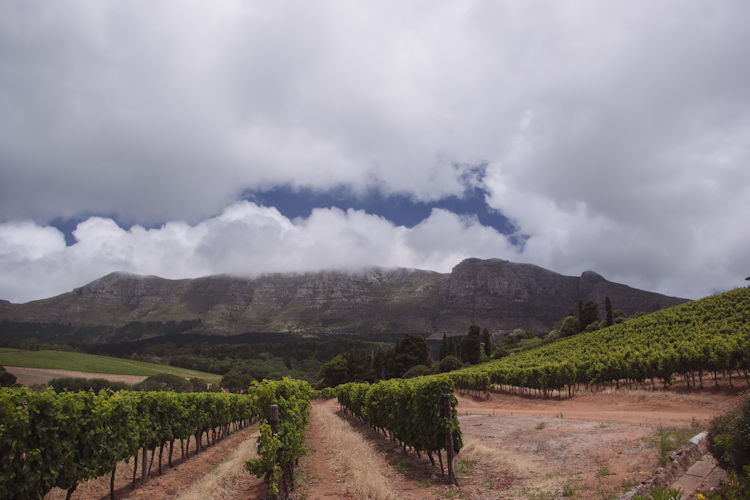
The Western Cape produces some of the finest wines on Earth, and the Cape Winelands offer a quintessential day trip or overnight escape. Vineyard-covered valleys, historic oak-lined towns, and world-class dining await just 30–60 minutes from Cape Town.
The Three Wine Regions
Stellenbosch
- South Africa’s largest wine region with 150-200 estates
- Notable producers: Rust en Vrede (Bordeaux blends), Tokara (views and olives)
- Historic university town with oak-lined streets dating to 1679
Franschhoek
- French Huguenot heritage since 1688
- Wine Tram: Hop-on service connecting 50+ cellars
- Fine dining: La Motte’s 5-course lunches (ZAR 1,200), Haute Cabrière for Cap Classique sparkling
Constantia
- Just 20–30 minutes from the city
- Groot Constantia: South Africa’s oldest wine estate (1685)
- Ideal for shorter itineraries; many estates offer free tasting with purchase
Planning Your Visit
| Consideration | Self-Drive | Private Tour |
|---|---|---|
| Flexibility | High | Moderate |
| Wine tasting | Limited (driver restrictions) | Unlimited |
| Navigation | Challenging (left-side roads) | Handled by guide |
| Cost | Lower | ZAR 2,500+/day |
A typical wine tasting flight costs around ZAR 200 for 5 wines. Many estates pair tastings with gourmet lunches featuring fresh produce from on-site gardens.
Bush and Vineyard Combinations
Uyaphi.com specialises in multi-day itineraries:
- 4 nights Cape Town → 2 nights Winelands → 4 nights Kruger (fly-in)
- Garden Route self-drive ending at malaria-free Eastern Cape safari
- 2 nights Franschhoek wine estate → coastal towns along the Garden Route
The 1.2 million annual visitors and 70% sustainable viticulture certification reflect both popularity and environmental commitment.
Planning Your Cape Town Stay with Uyaphi.com
These 10 must-see attractions form the backbone of a classic Cape Town itinerary. Whether you have three days or a full week, this beautiful city rewards exploration.
Suggested Stay Lengths
| Duration | What’s Possible |
|---|---|
| 3 nights | Table Mountain, V&A Waterfront, Robben Island, half-day city tour (Bo-Kaap, Company Gardens), either Cape Peninsula or Winelands |
| 4–5 nights | All 10 attractions at a relaxed pace, including full Peninsula day and Winelands excursion |
| 7+ nights | Add Garden Route self-drive, shark cage diving near Gansbaai, or safari extensions |
Why Uyaphi.com?
Based in Cape Town since 1999, we craft tailor-made itineraries combining:
- City exploration with over 1,000 African travel options
- Big Five safaris (Kruger National Park, Eastern Cape, Botswana, and beyond)
- Bush-and-beach escapes, whale watching seasons, and gorilla trekking
- 24-hour emergency support while you’re in-country
A Red Bus Tour covers some highlights, but a personalised approach ensures you experience the cool things that match your interests—whether that’s a Saturday Market at the Old Biscuit Mill, hiking trails on Table Mountain, or live music on Long Street.
Contact a Uyaphi.com safari expert to design your perfect first trip to South Africa. Share your travel dates, preferred comfort level, and whether you’re drawn to wildlife, wine, or both. We’ll create a proposal that brings these 10 attractions to life—and perhaps adds a few days tracking lions in Kruger or elephants in Botswana.
Your African adventure starts here.
Frequently Asked Questions About Visiting Cape Town
How many days do I need in Cape Town to see these 10 attractions?
Three full days allows a compact itinerary covering Table Mountain, V&A Waterfront, Robben Island, and either the Cape Peninsula or Winelands. For a relaxed pace that includes all 10 attractions, plan 5–6 days. Uyaphi.com typically recommends 4–5 nights in Cape Town when pairing the city with a safari elsewhere—this balances thorough exploration with travel time to reserves like Kruger or the Eastern Cape.
Is Cape Town safe for international visitors in 2026?
Cape Town has areas with elevated crime rates, but most visitors experience the city safely by following straightforward precautions. Avoid isolated areas after dark, use Uber or reputable taxis rather than walking in unfamiliar neighbourhoods, and don’t display expensive jewellery or electronics. Staying in well-located areas—V&A Waterfront, Camps Bay, Sea Point, or the City Bowl—reduces risk significantly. Join guided tours for township visits and certain mountain trails. Uyaphi.com provides current local advice and 24-hour emergency support, which reassures first-time visitors.
When is the best time of year to visit Cape Town?
Cape Town enjoys a Mediterranean climate with warm, dry summers (November–March) and cooler, wetter winters (June–August). December to early April delivers beach weather, long evenings, and ideal conditions for a sunny day on the Atlantic Seaboard. September to November and March to May offer fewer crowds, mild temperatures, and excellent hiking and wine tasting conditions. If combining Cape Town with safari, Uyaphi.com advises on timing—dry season game viewing in Kruger peaks June–October, while Southern right whales visit the Cape coast July–November.
Do I need to rent a car to explore Cape Town’s main attractions?
You don’t strictly need a car for central attractions. Table Mountain, V&A Waterfront, Bo-Kaap, and Lion’s Head are easily reached via Uber, taxi, or private transfers. However, self-drive suits the Cape Peninsula and Winelands if you’re comfortable driving on the left. For wine tasting, consider a private driver or guided tour—it’s safer and allows everyone to enjoy tastings fully. Uyaphi.com arranges chauffeured vehicles, small-group day trips, or rental cars as part of broader safari and self-drive packages.
Can I combine Cape Town with a safari on the same trip?
Absolutely—combining Cape Town with a safari is one of the most popular ways to experience Southern Africa. Major reserves lie a short flight away: Kruger (2 hours), Eastern Cape (1 hour), Madikwe (2 hours via Johannesburg), or Botswana’s Okavango Delta. Popular combinations include 4 nights Cape Town, 2 nights Winelands, then 4 nights on a private Kruger Park safari. Alternatively, a Garden Route self-drive ending at a malaria-free Eastern Cape lodge offers amazing views and wildlife without antimalarials. Designing these multi-stop itineraries is Uyaphi.com’s core expertise—reach out to discuss your ideal balance of city, wine, and wildlife. A totally worth adventure awaits, with vegan options available at most lodges and restaurants along the way.
Travel To Cape Town Now
Map of Hotels in and around the Cape Town and the Western Cape
Cape Town Travel Topics
Tintswalo Summer House
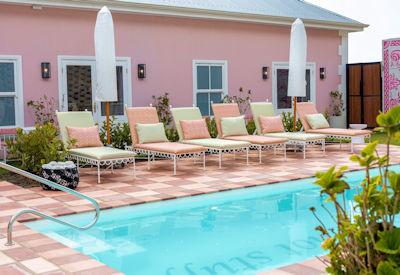
Tucked into the charming seaside village of Glencairn, Tintswalo Summer House is a beautifully restored heritage villa where refined luxury meets the wild beauty of the Cape Peninsula. Individually decorated suites, each with its own character, offer an intimate retreat designed for slow mornings and unhurried afternoons. Savour thoughtful, locally sourced coastal cuisine at the Summer House Eatery, with the Atlantic as your backdrop, before exploring the Southern Peninsula's pristine beaches and the dramatic scenery of Cape Point.
Tintswalo Boulders
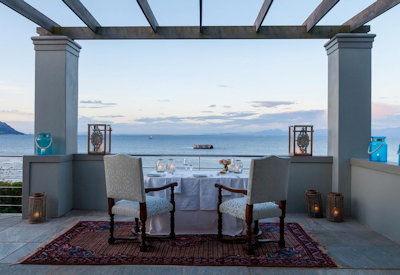
Tucked away in the seaside village of Simon's Town, Tintswalo Boulders is an intimate boutique villa and one of the Cape Peninsula's best-kept secrets. Just steps from the famous Boulders Beach and its beloved penguin colony, this retreat offers stunning ocean views and the quiet exclusivity that discerning travellers seek. Nine elegantly appointed suites each have their own unique outlook over the Atlantic, with daily breakfast, sunset canapés and cocktails, luxurious en-suite bathrooms, complimentary Wi-Fi and free parking included.
Camps Bay Village
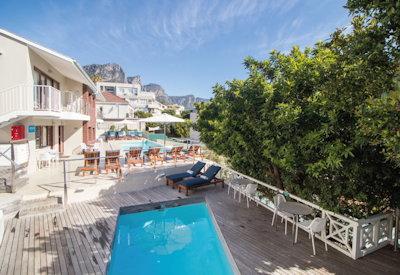
At Camps Bay Village, you'll discover a stunning collection of luxurious crash pads, charming seaside studios, inviting garden studios, and deluxe holiday villas. Perfectly suited for a romantic escape or an adventure-packed family getaway, this accommodation truly stands out. These exceptional villas not only offer incredible value but also provide an unmatched combination of comfort, style, and location. Whether you're soaking up the sun or exploring the city, Camps Bay Village ensures an unforgettable stay.
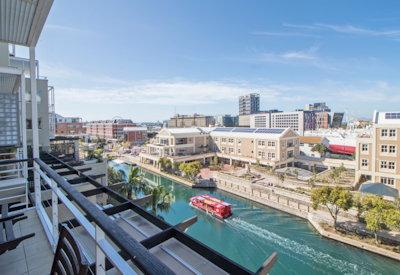
Waterfront Village
Experience unparalleled luxury with a stay at the Waterfront Village, an exquisite retreat nestled in the heart of the vibrant V&A Waterfront precinct. With a stunning collection of 80 private residences, each meticulously designed with exceptional attention to detail, these accommodations offer a perfect blend of comfort and indulgence. From the thoughtfully curated amenities to the serene atmosphere, every element of your stay promises to pamper and delight. Without a doubt, this is the ultimate setting to immerse yourself in Cape Town's charm while enjoying the pinnacle of elegance and relaxation.
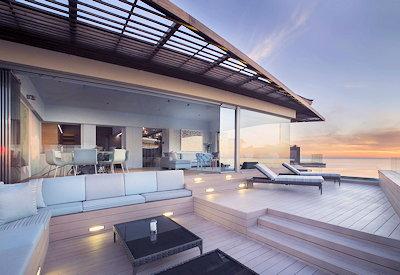
Ellerman Villa Two
Nestled in the prestigious Bantry Bay, Cape Town, Ellerman Villa Two is a luxurious private retreat that redefines indulgence. Surrounded by mountain ranges and offering sweeping views of the Atlantic Ocean, it's one of the most exclusive destinations for those seeking peace and refinement. Perfect for families or small groups, the villa features three beautifully designed bedrooms, each with its own en-suite bathroom and private terrace, offering exceptional comfort and space. Every detail, from the elegant interiors to the stunning views, is crafted for an unparalleled luxury experience.
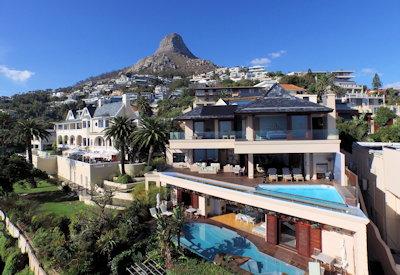
Ellerman Villa One
Ellerman Villa One offers a truly extraordinary escape. Overlooking Bakoven, Bantry Bay, the Twelve Apostles, and the ocean, this three-story villa defines coastal luxury. With five stunning bedrooms, a private deck, and a pool, every detail is designed for a seamless, indulgent stay. The villa includes a dining room and a fully equipped kitchen, giving guests the freedom to create their own experiences. Offering privacy and independence from Ellerman House, it's the perfect retreat for those seeking sophistication and exclusivity.
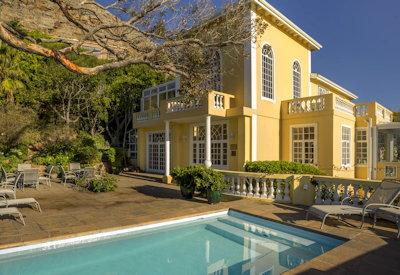
Colona Castle
Colona Castle is a luxurious retreat near Muizenberg, offering stunning views of the Cape Flats, False Bay, Table Mountain, and the Constantiaberg. Ideally located, it's just 5 minutes from the Constantia Winelands, 25 minutes from Cape Town's city centre, and close to Boyes Drive and Boulders Beach's famous penguins. Colona Castle offers accommodations that seamlessly blend comfort with modern amenities, creating an experience that is both indulgent and effortless. What truly distinguishes the hotel is its unique ability to craft unforgettable moments, pairing its opulent surroundings with an unparalleled location.
Tintswalo Atlantic
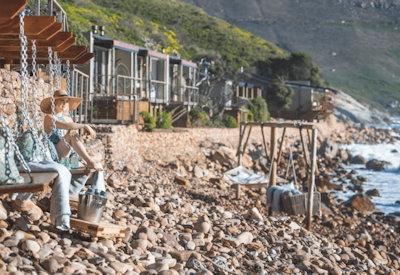
Nestled between the Atlantic Ocean's rugged boulders and the slopes of Constantiaberg, near the charming Hout Bay, Tintswalo Atlantic offers a serene escape. This hidden gem invites guests to relax in tranquillity, with stunning ocean views from private balconies or luxurious freestanding bathtubs. The accommodations are beautifully designed, combining elegance and comfort, while the friendly staff ensures every need is met with care. Whether enjoying the stunning views or the tranquil atmosphere, Tintswalo Atlantic offers unmatched relaxation.