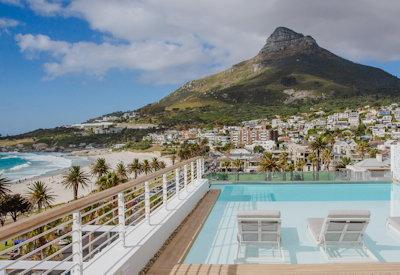
Table Mountain National Park
'Encompasses the incredibly scenic Peninsula mountain chain that stretsches from Signal Hill in the north to Cape Point in the south'
Size & Location: a distance of some 60km stretching from Cape Town through to Cape Point
When to visit the park: September - April are the better known summer months
Climate: Mediterranean-type climate temperatures range from about 5°C to 29°C
Rainfall: 248mm to 485mm per annum varying with hot, dry summers and cold, wet winters
Altitude: 1086m above sea level
PARK INFORMATION:
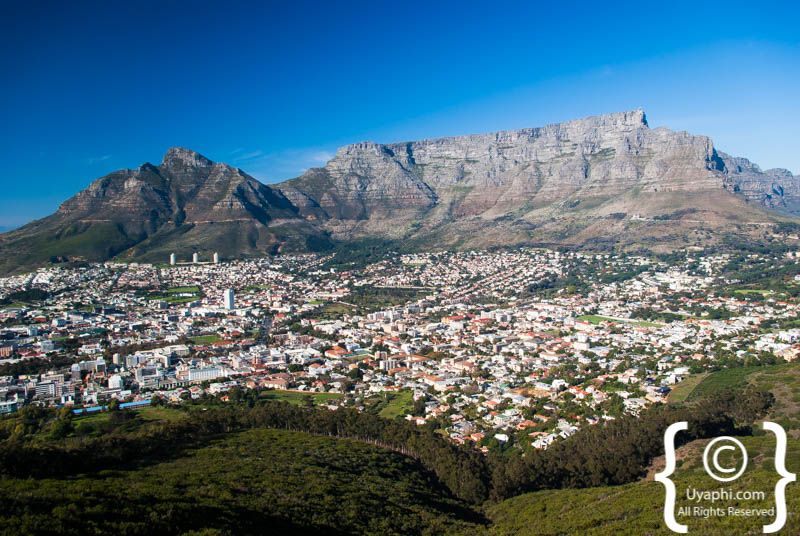
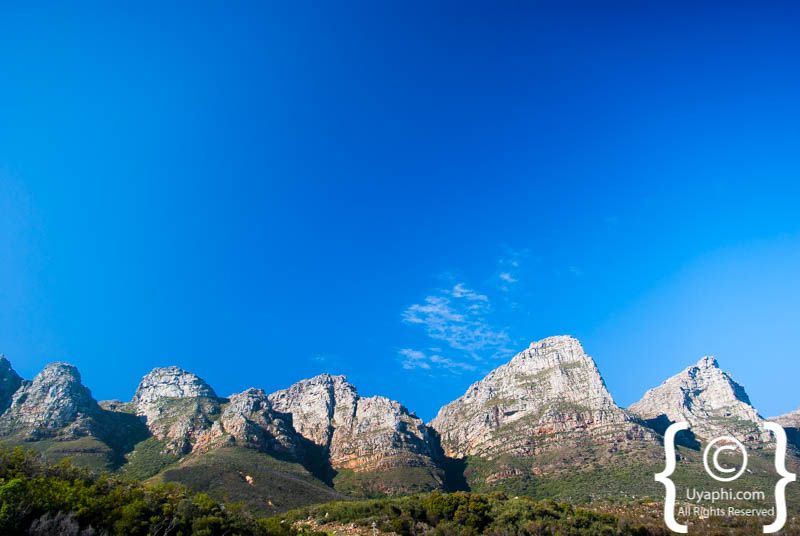
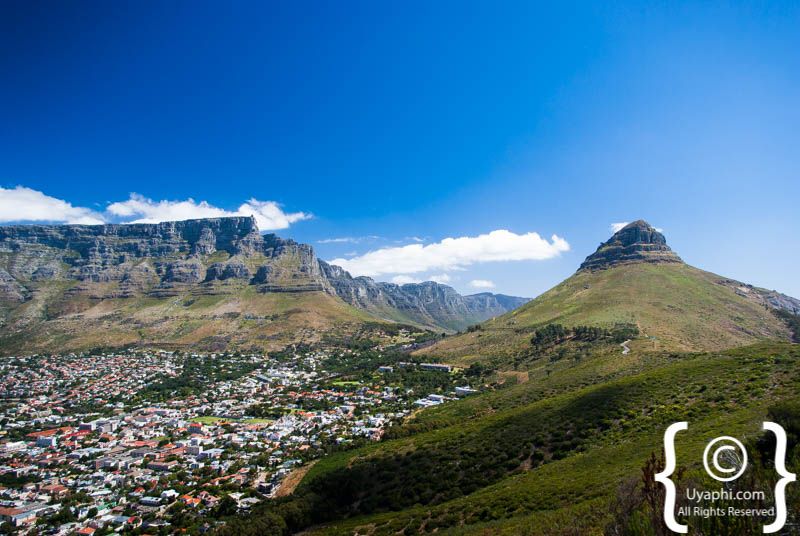
Sitting at the south-western tip of Africa, Table Mountain National Park encompasses the incredibly scenic Peninsula mountain chain that stretches from Signal Hill in the north to Cape Point in the south - a distance of some 60km. This narrow finger of land with its many beautiful valleys, bays and beaches is bound by the cold waters of the Atlantic ocean in the west and the warm waters of False Bay in the east.
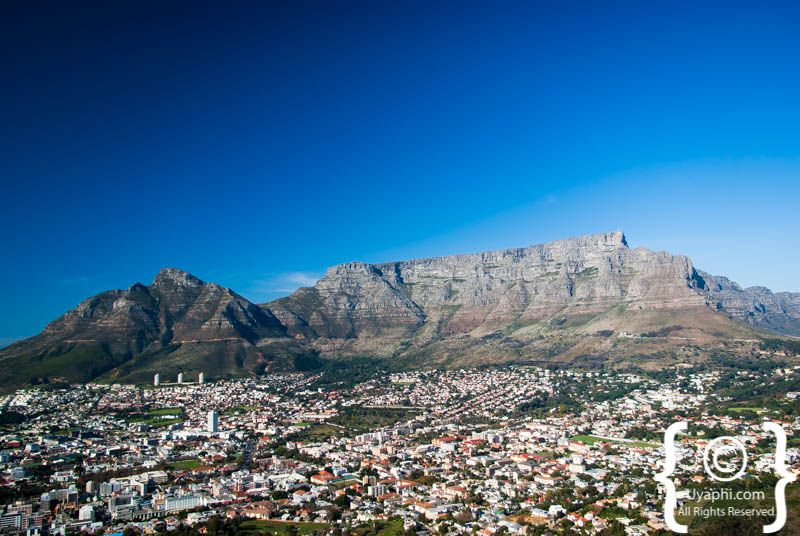
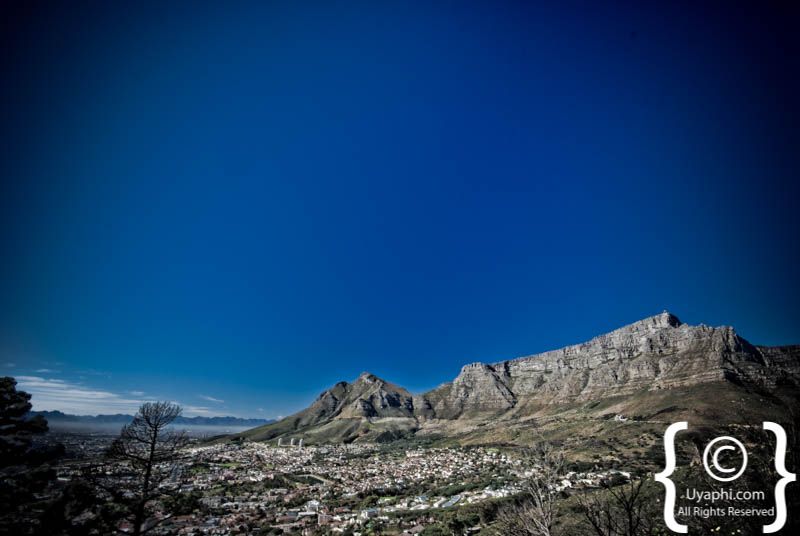
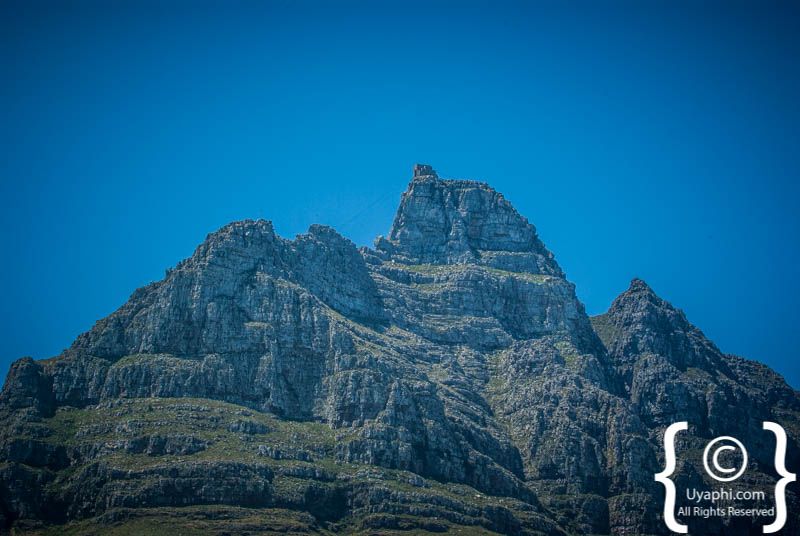
It has within its boundaries two world-renowned landmarks - the majestic Table Mountain and the legendary Cape of Good Hope - both important beacons for the early explorers and from which many myths and legends have sprung.
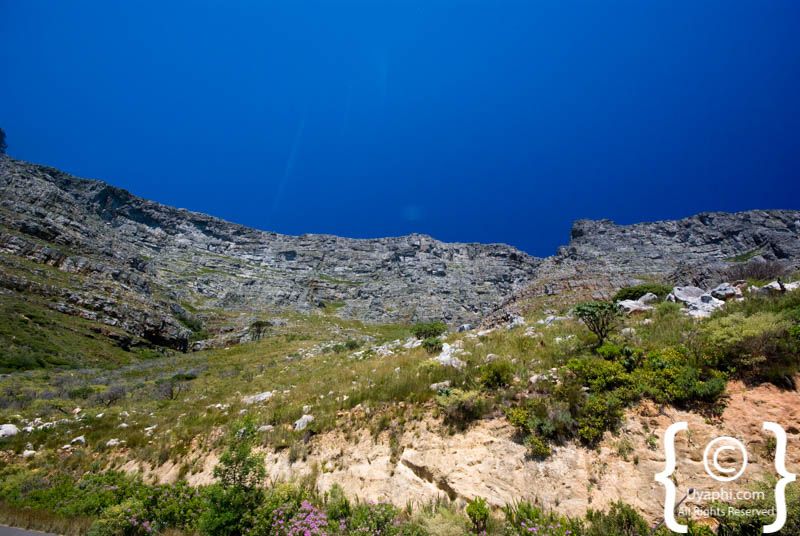
Recognised globally for its extraordinarily rich, diverse and unique flora and fauna, this singular land formation - with its rugged cliffs, steep slopes and sandy flats - is a truly remarkable natural, scenic, historical, cultural and recreational asset locally, nationally and internationally. Nowhere else in the world does an area of such spectacular beauty and such rich biodiversity exist almost entirely within a metropolitan area - the thriving and cosmopolitan City of Cape Town.
Although most of the indigenous large animals have become locally extinct (the last lion for example was killed in 1802), the park still supports viable populations of many medium sized and smaller animals, such as Bontebok, grysbok, caracal, mongoose, otter and baboon.
A large variety of birds also call the park home, some of which, like the beautiful Cape Sugarbird, have evolved to live exclusively on the flowering fynbos.
There are at least 111 endemic invertebrates and one endemic vertebrate (the Table Mountain Ghost Frog) resident in the park. Many of these endemic invertebrates, such as the extremely rare white peripatus, are found in the deeper recesses of sandstone caves in the park.
The Cape Peninsula is in a unique position in that the coastal environment lies at the junction of two major southern African marine (biogeographic) provinces, namely: the cool Namaqua Province on the west coast and the warmer Agulhas Province on the east coast. Cape Point forms the boundary between these two provinces. Because of this the biology of the marine area surrounding the park is tremendously diverse.
This natural treasure trove is threatened by a number of factors, many of these related to its urban and socio-economic context - the spread of invasive alien plants, wildfires, encroaching urban development and informal settlements, apathy, increasing number of tourists, increasing conflicting recreational use and illegal exploitation of the area. These threats, however, are also opportunities and the challenge to the park management is to realise these opportunities.
MAIN ATTRACTIONS:
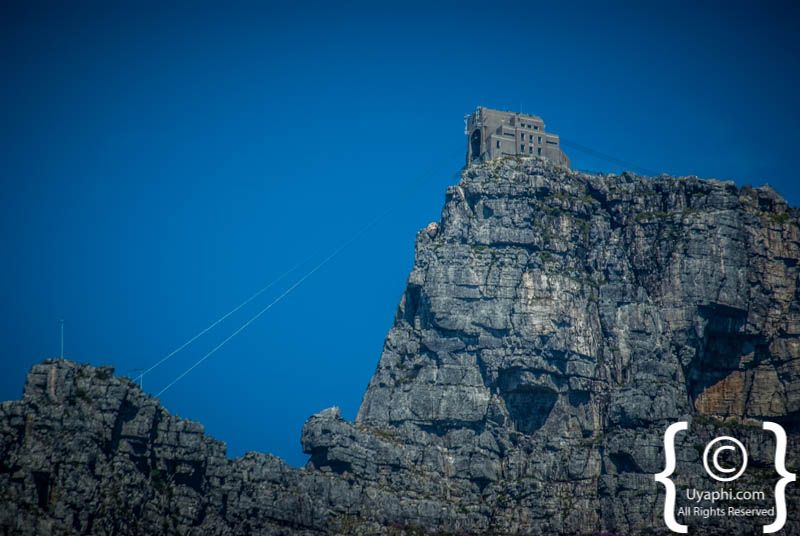
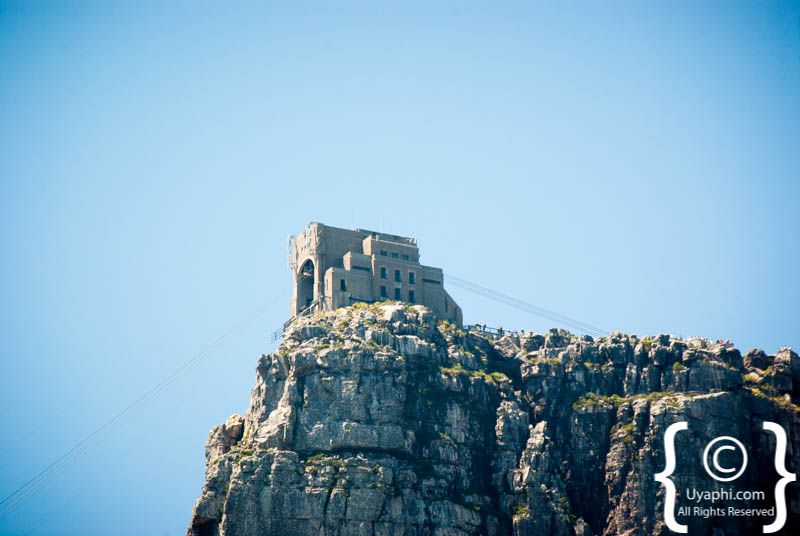
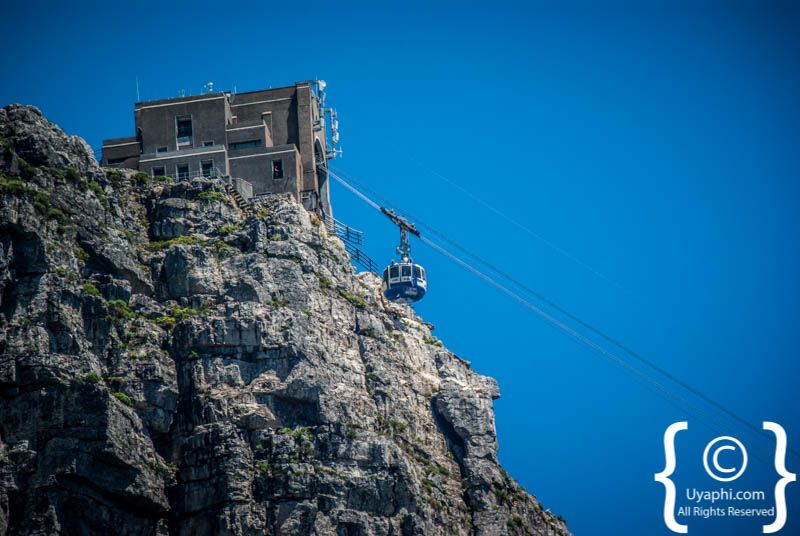
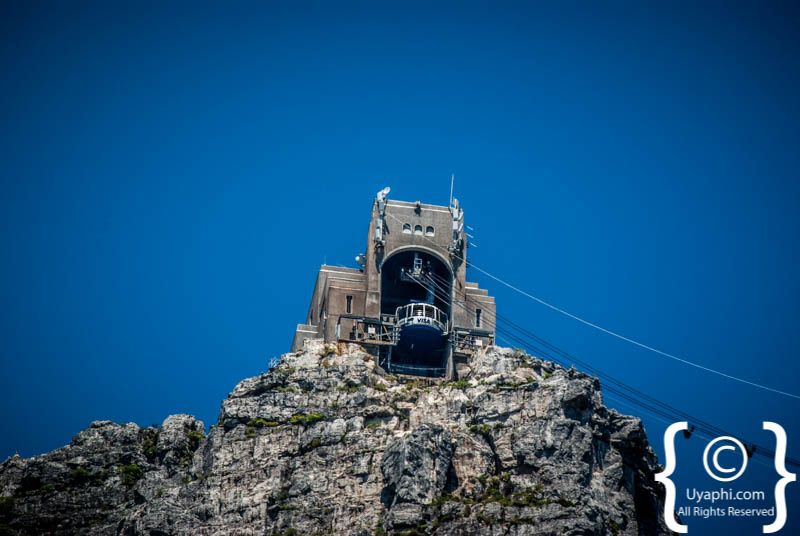
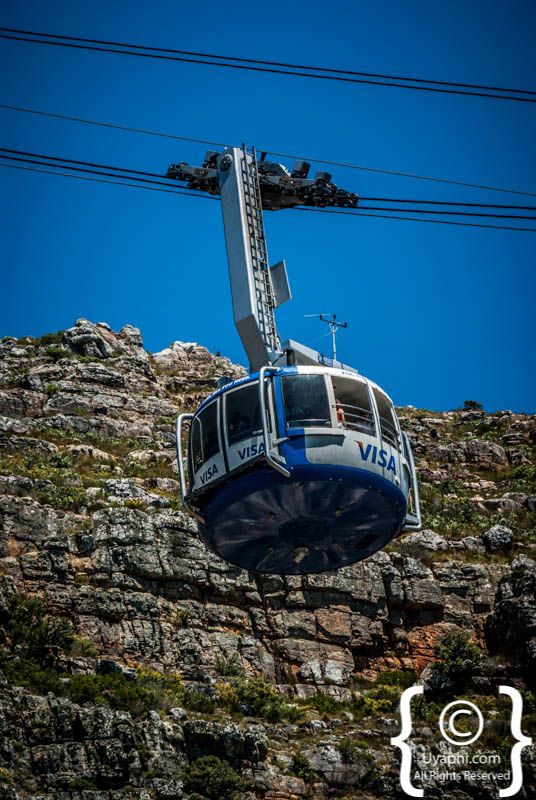
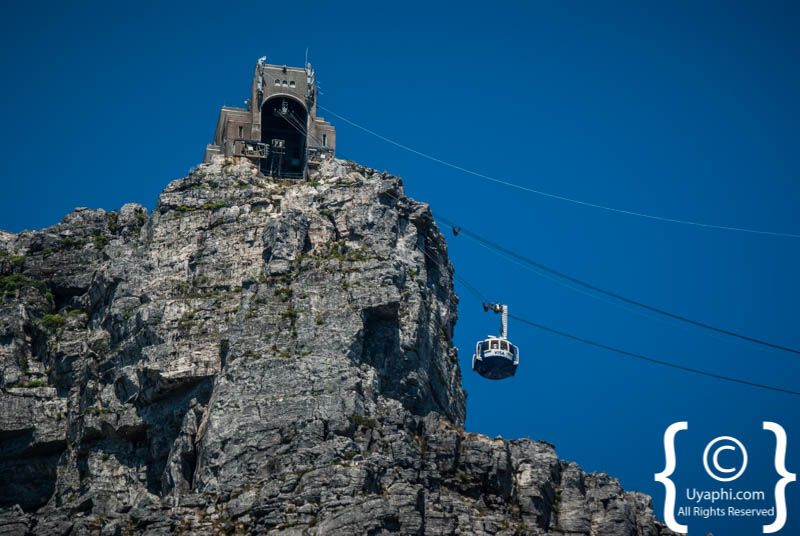
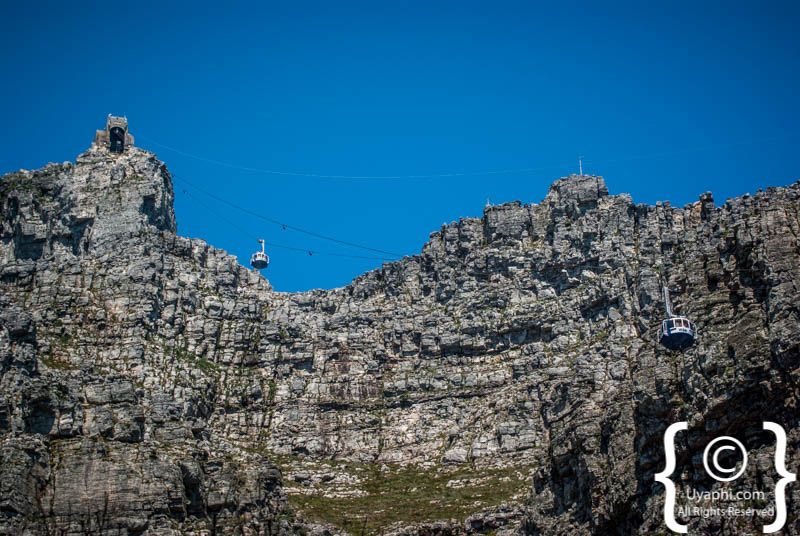
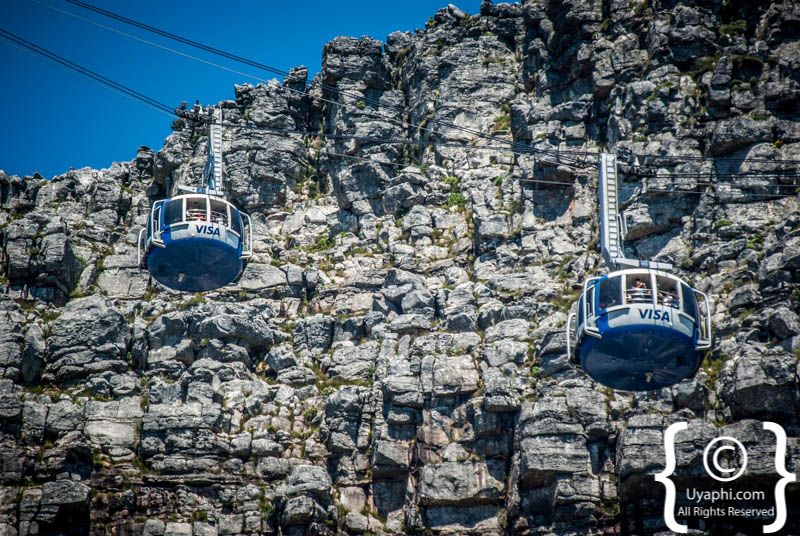
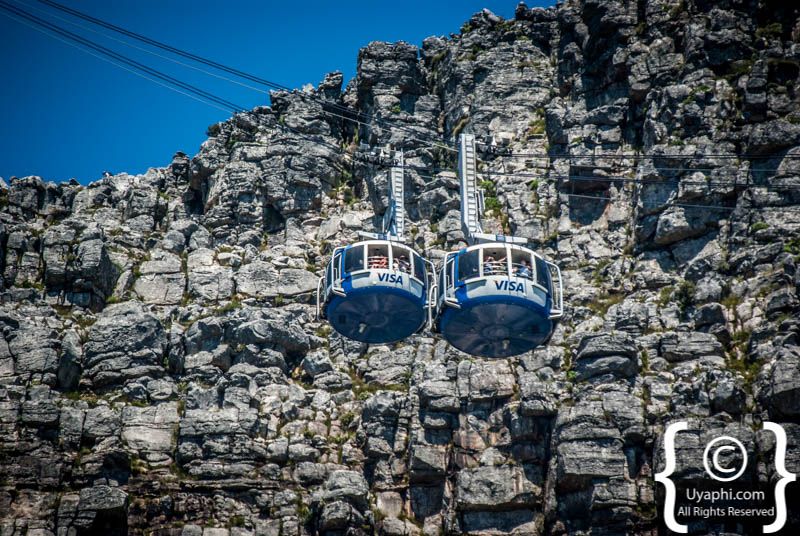
» Cable Car
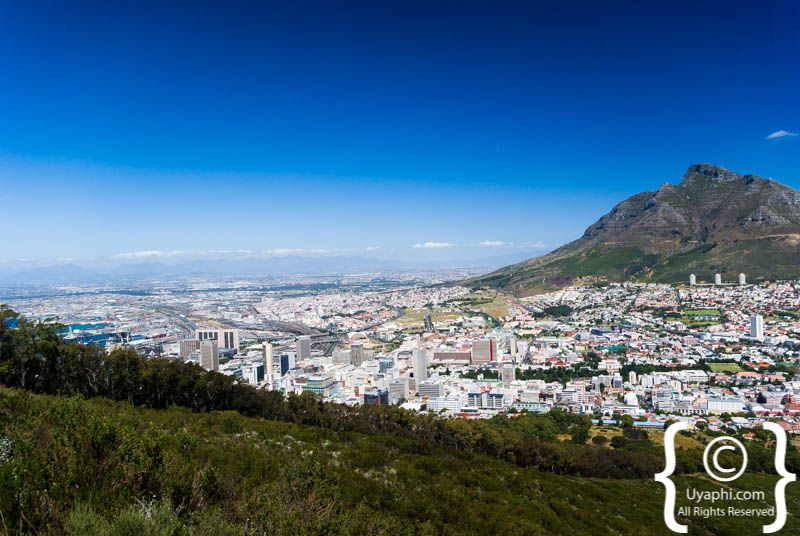
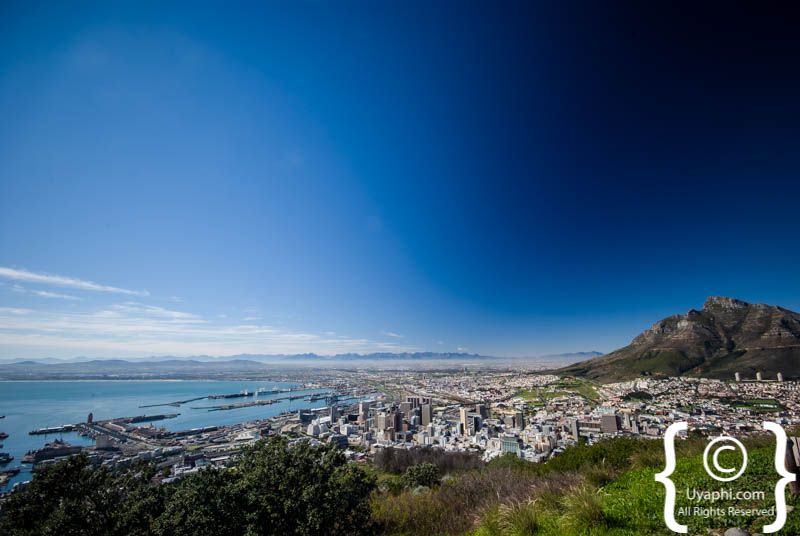
» Excellent vistas over the Cape Peninsula and Cape Town