
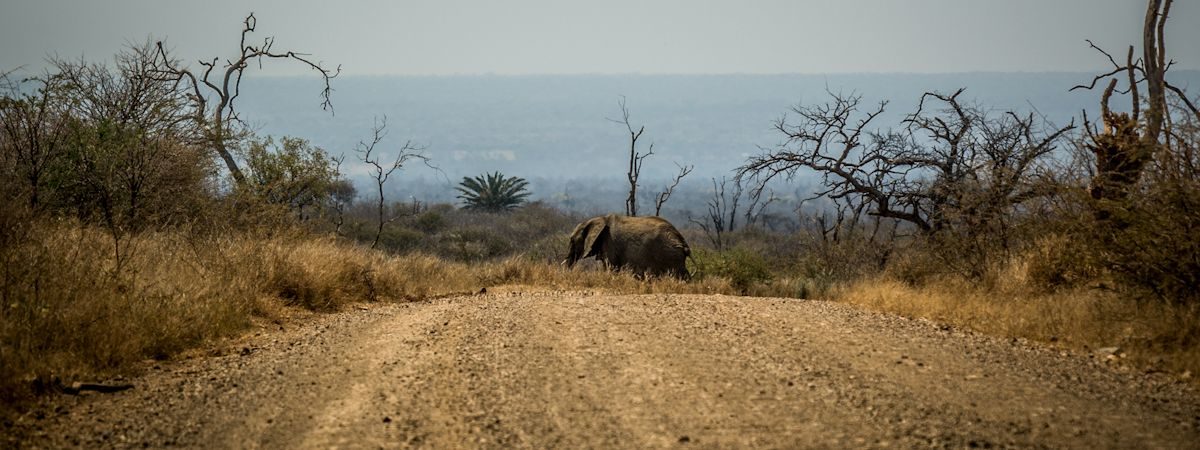
- Hluhluwe Game Reserve

In Zululand (Northern Kwa-Zulu natal), 280 km from Durban.
Size & Location: 1000km² in Zululand South Africa
When to visit: Year-round
Climate: Sub-tropical area with hot and humid summers and cool winters
Rainfall: 750mm - 1000mm per annum
Altitude: 450m - 1450m above sea level - Drakensberg Mountains
Along KwaZulu-Natal's western boundary with Lesotho.
Size & Location: Running for 1000km along KwaZulu-Natal's western boundary
When to visit: All year round
Climate: Night temp drops below 0°C, heavy snowfalls in winter. Hot summer days (32°C)
Rainfall: Approx. 740mm - 1000mm per annum
Altitude: Up to 3482m above sea level - Addo Elephant Park
The Addo Elephant was proclaimed in 1931, as a safeguard for the last 7 wild elephants roaming the area.
Size & Location: 800km²
When to visit: Throughout the year
Climate: Fierce summers and cold winters. Avg. temp range from 5°C to 32°C
Rainfall: 450mm per annum
Altitude: Less than 500m above sea level - Madikwe Game Reserve
360 km from Johannesburg, in the North West Province (bordering Botswana).
Size & Location: 750km²
When to visit: Drier months (May - September)
Climate: Hot, humid (31°C) during summer rainy season and cold, freezing winters
Rainfall: Approx. 500mm per annum
Altitude: 950m - 1328m above sea level - Cape Point National Park
The thin stretch of land at the end of the world famous Cape Peninsula 1/2 hour drive from Cape Town.
Size & Location: 78km² At the tip of the Cape Peninsula, 60 km south-west of Cape Town
When to visit: September - April
Climate: Mediterranean-type climate temperaturesfrom5°C to 29°C
Rainfall: 248mm to 485mm per annum
Altitude: Sea level to 280m high cliffs above sea level - Table Mountain National Park
Stretching from Cape Town through to Cape Point.
Size & Location: A distance of some 60km stretching from Cape Town through to Cape Point
When to visit: September - April are the summer months
Climate: Mediterranean-type climate temperaturesfrom5°C to 29°C
Rainfall: 248mm to 485mm per annum
Altitude: 1086m above sea level - Timbavati Game Reserve
Offers numerous species of game and birdlife abound in the Reserve.
Size & Location: 680km² bordering the Kruger National Park
When to visit: Drier, cooler months (April - Sept)
Climate: Temperatures up to 30°C in summer and below 10°C at night in winter
Rainfall: 500mm per annum
Altitude: 140m - 600m above sea level - Sabi Sand Game Reserve
Adjoins the southwestern side of the Kruger National Park.
Size & Location: Bordering the Kruger National Park covering an area of 56,000 Ha
When to visit: Year-round
Climate: Subtropical, humid rainy summers. Daytime temps. up to + 35°C
Rainfall: 500mm per annum
Altitude: 140m - 600m (approx.) above sea level - Kruger National Park
In the Limpopo and Mpumalanga Provinces, bordering Mozambique.
Size & Location: 18,989 square km
When to visit: Drier, cooler months (April - Sept) preferred for game viewing
Climate: Subtropical climate has hot rainy summers
Rainfall: Unavailable
Altitude: Unavailable - Phinda Game Reserve
In the Maputaland region in northern KwaZulu-Natal.
Size & Location: 175km² in the Maputaland region in northern KwaZulu-Natal
When to visit: Drier, cooler months (April - Sept)
Climate: Subtropical, humid rainy summers. Daytime temps. up to 30°C
Rainfall: 500mm per annum
Altitude: 350m (approx.) above sea level - Kgalagadi Transfrontier Park
Found at the edge of the Kalahari basin while teaming with wildlife and birdlife.
Size & Location: 36 000km² in Southeastern Botswana and North Western corning of South Africa
When to visit: Drier, cooler months (April - Sept)
Climate: Fluctuation is extreme. Day: may exceed 40°C. Night: may drop below -14°C
Rainfall: 200mm per annum varying
Altitude: 900m - 1100mm above sea level


- Sabi Sand Lodges
Nestled in the southwestern corner of the legendary Greater Kruger National Park, the Sabi Sand Reserve is a jewel of the African wilderness. This pristine sanctuary is not only renowned for its breathtaking natural beauty but also for hosting some of Africa's most exclusive and luxurious safari lodges. Famed for its exceptionally high density of wildlife and intimate, up-close animal encounters, the Sabi Sand is particularly renowned for its leopard sightings.
Iconic safari names like Sabi Sabi, Mala Mala, Londolozi, and Singita call this reserve home, offering unparalleled wildlife viewing experiences, particularly for the elusive leopard, thanks to years of careful conservation and habituation. These lodges blend seamlessly into the landscape, providing guests with world-class service, exquisite dining, and intimate encounters with the Big Five, making every safari an unforgettable journey into the heart of the wild.
- Timbavati Lodges
Nestled in the heart of South Africa's bushveld, within the greater Kruger National Park area, Timbavati Private Game Reserve offers a safari experience like no other. The reserve is not just a destination; it's a vibrant, breathing canvas where the wild roams free and nature unfolds in its timeless rhythm. Safari lodges and camps within Timbavati are more than mere accommodations; they are gateways to an immersive adventure into the wilderness.
The allure of staying at a safari lodge or camp in Timbavati lies in the unparalleled access to some of Africa’s most spectacular wildlife spectacles. Guests wake up to the sounds of nature, with mornings greeted by birdcalls and evenings underscored by the distant roar of lions. These establishments are committed to conservation and responsible tourism, ensuring that every safari drive, guided walk, or night under the stars contributes to preserving this untouched ecosystem for future generations.
- Cape Town Game Reserves
Experience the thrill of a "Big 5" safari near Cape Town! With the magnificent Karoo as a backdrop and the unique Fynbos biome, the Western Cape province offers an unforgettable experience for wildlife lovers.
Visitors can spot elephants, rhinos, lions, Buffalo and leopards amongst other wildlife along with some pretty amazing birdlife.
There are several Malaria-free game reserves within a 2-3 hours' drive from Cape Town offering luxury accommodation options with private air charters available at some reserves.
- MalaMala Lodges
MalaMala is more than just a game reserve; it's the blueprint for luxury photographic safaris in South Africa. Established in 1927, it's considered one of the best reserves in Africa, consistently offering incredible wildlife viewing. This vast, thriving wilderness covers an impressive 13,300 hectares, providing an unspoiled habitat for a diverse range of species.
Bordered by the Sabie River, a permanent water source, this area attracts an incredible concentration of animals, including the "Big Five." Its unique location offers exciting and exclusive wildlife encounters, without the usual crowds. Within the reserve are four exceptional camps, designed to blend with the natural environment while providing top-tier comfort, service, and immersive safari adventures.
- Shamwari lodges
Shamwari Game Reserve is a premier wildlife and safari destination in the Eastern Cape, home to the famous "Big Five" and numerous other plains game and bird species; this malaria-free game reserve has been recognized for its incredible conservation efforts and luxury lodges.
With miles of untouched wilderness and abundant wildlife, the Shamwari Game Reserve offers visitors an unforgettable experience that will surely be cherished for years to come.
Whether you are looking for adventure or relaxation, Shamwari provides something extraordinary that can not be found anywhere else.
- Singita Lodges
For decades, the Singita lodges within this exquisite portfolio have unquestionably epitomized the absolute pinnacle of luxury safari, consistently setting unrivaled standards in accommodation, conservation, and impeccable, personalized service. Each lodge is a sanctuary of comfort and elegance, designed to blend seamlessly with the natural environment while offering world-class amenities.
If your quest is for the finest, most unforgettable experience imaginable—the very best that the safari industry offers—then your search culminates magnificently with any one of these extraordinary Singita lodges. Nestled within the breathtaking landscapes of Kruger National Park, they promise an unparalleled journey into the heart of the wild.


