Cape Point National Park
'The thin stretch of land at the end of the world famous Cape Peninsula 1/2 hour drive from Cape Town'
Size & Location: 78km² At the tip of the Cape Peninsula, 60 km south-west of Cape Town
When to visit the park: September - April are the better known summer months
Climate: Mediterranean-type climate temperatures range from about 5°C to 29°C
Rainfall: 248mm to 485mm per annum varying with hot, dry summers and cold, wet winters
Altitude: Sea level to 280m high cliffs above sea level
PARK INFORMATION:
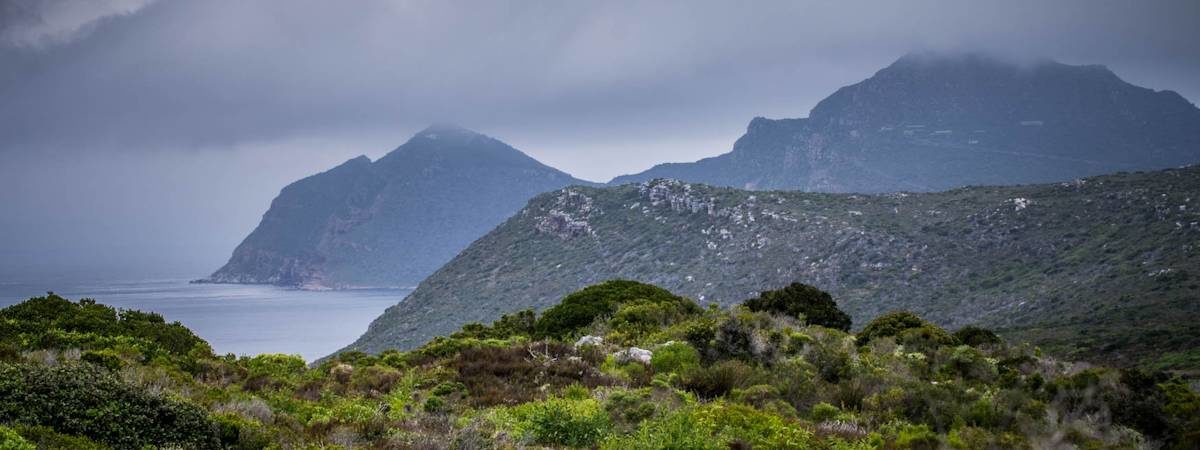
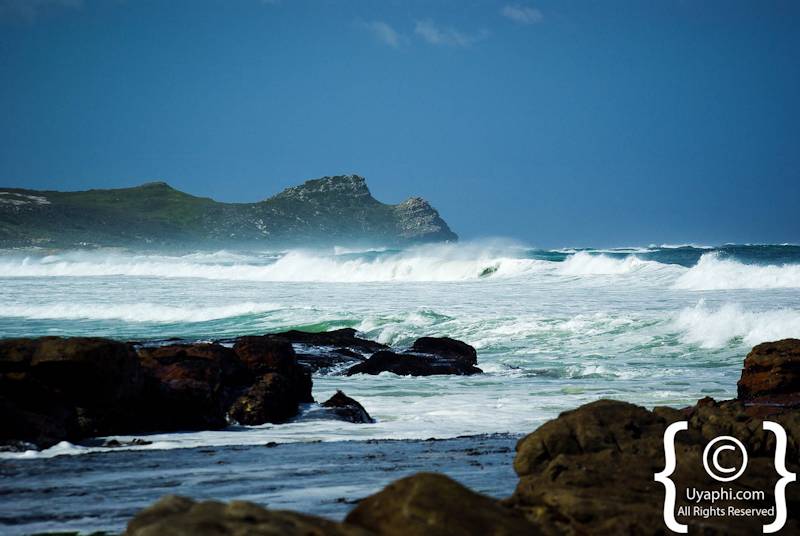
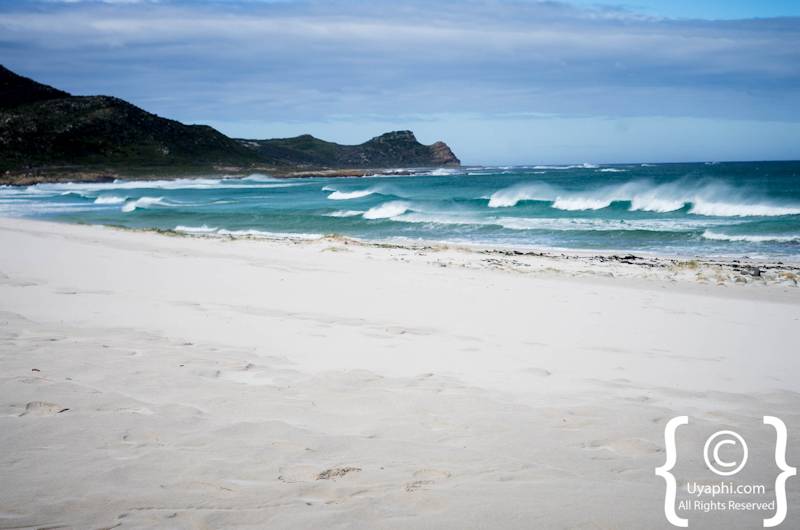
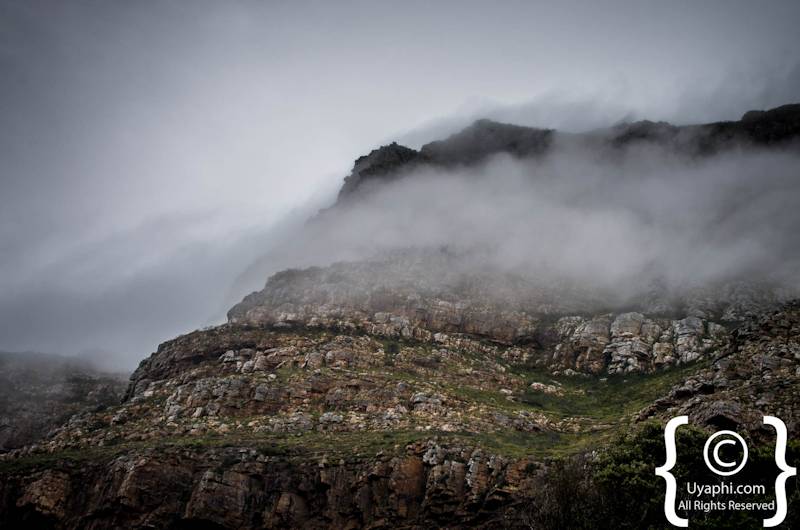
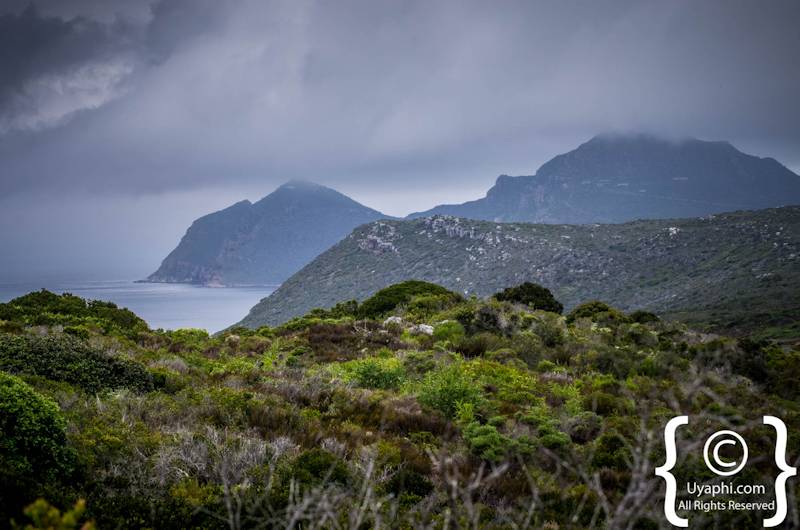
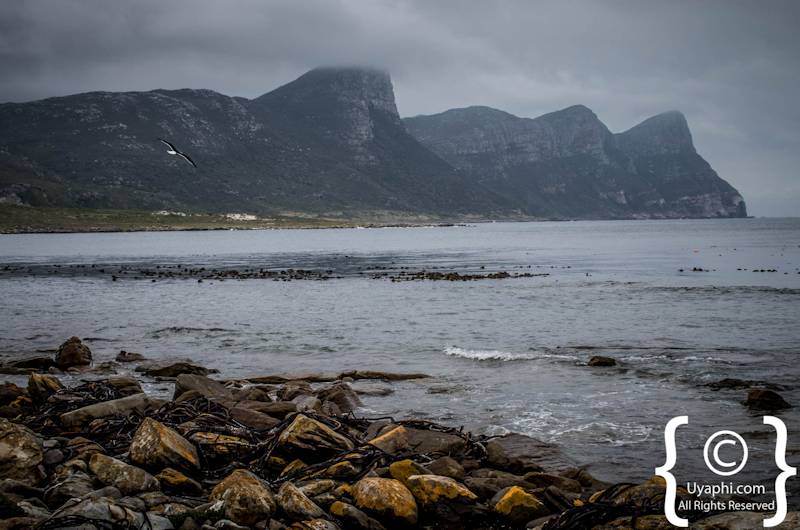
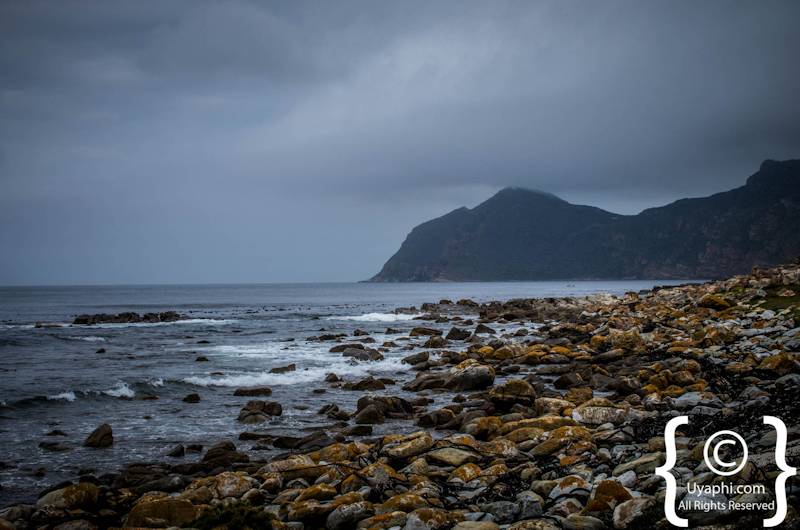
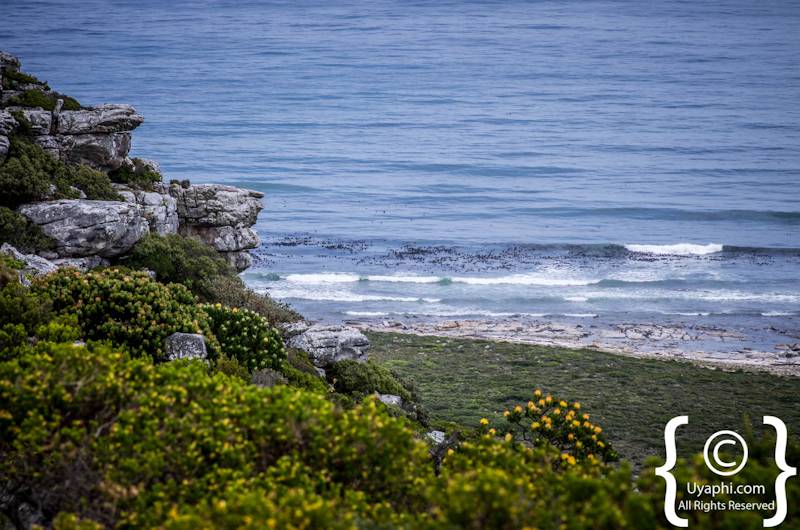
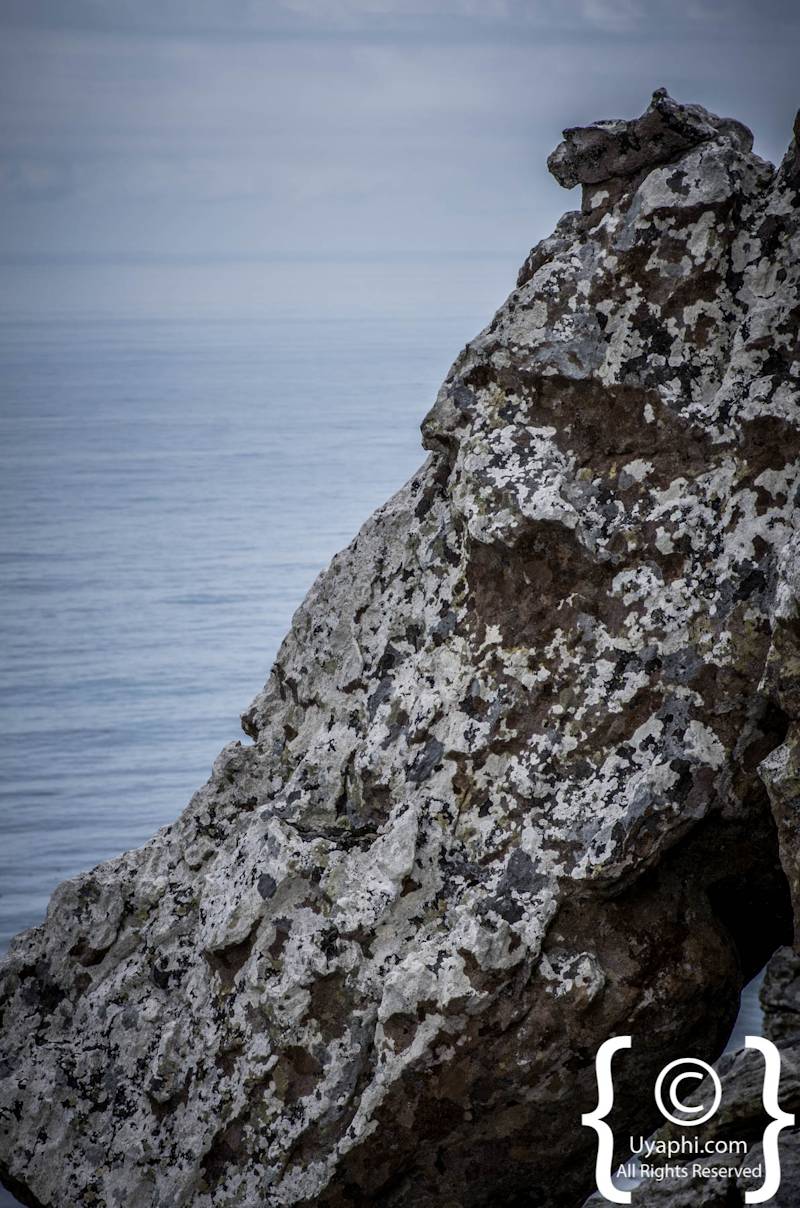
Situated at the junction of two of earth's most contrasting water masses - the cold Benguela current on the West Coast and the warm Agulhas current on the East Coast , the Cape of Good Hope is popularly perceived as the meeting point of the Atlantic and the Indian Oceans. Geographically, however, the Indian Ocean joins the Atlantic Ocean at Cape Agulhas. The cliffs at the southern point, towering more than 200 metres above the sea, consists of three clearly defined promontories - Cape of Good Hope, Cape Maclear and Cape Point.
Bartholomeu Dias, the Portuguese seafarer, was the first to sail around the Cape. This was in 1488. On his return voyage - which must have been particularly stormy - Dias stopped at the south-western tip of Africa, and named it Cabo Tormentoso, or Cape of Storms. King John of Portugal later gave it the name Cabo da Boa Esperança, or Cape of Good Hope.
Interesting note: The South African Weather Bureau, together with the Fraunhofer Institute in Garmisch, Germany, maintains a research laboratory at Cape Point to monitor long-term changes in the chemistry of the earth's atmosphere, which may impact upon climate.
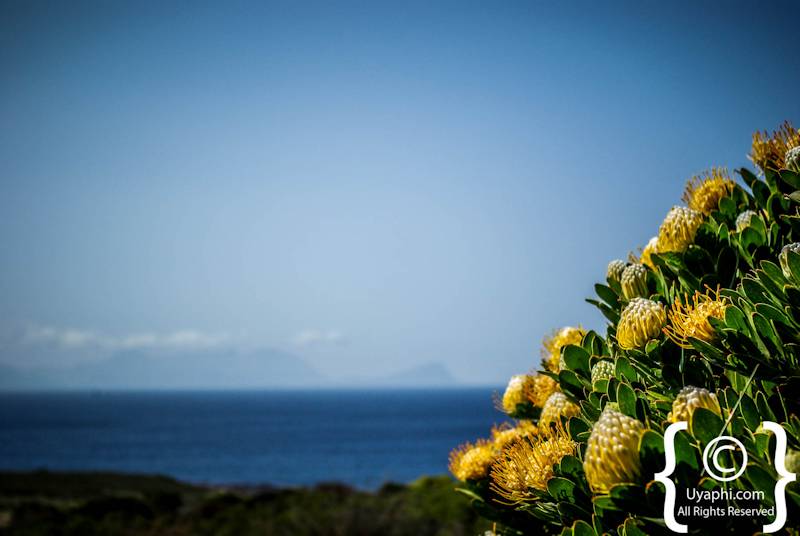
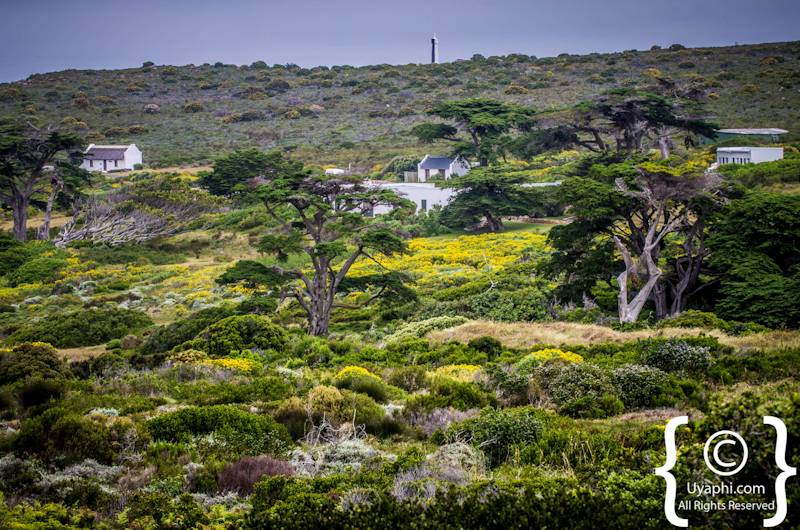
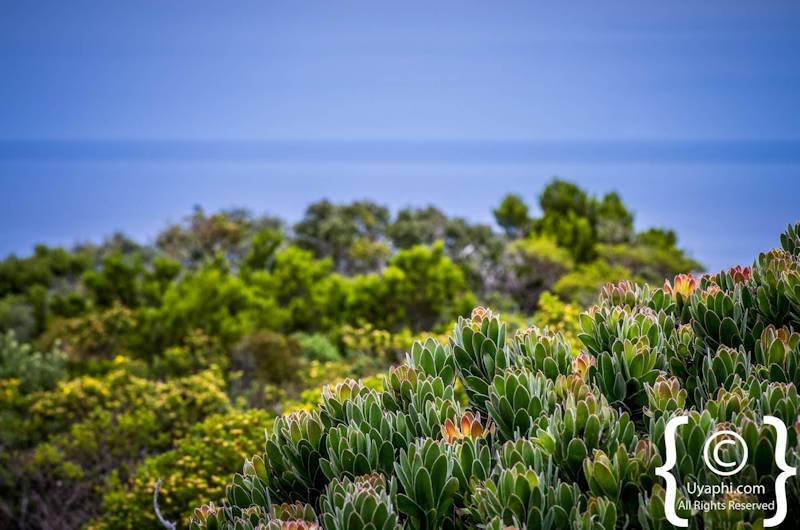
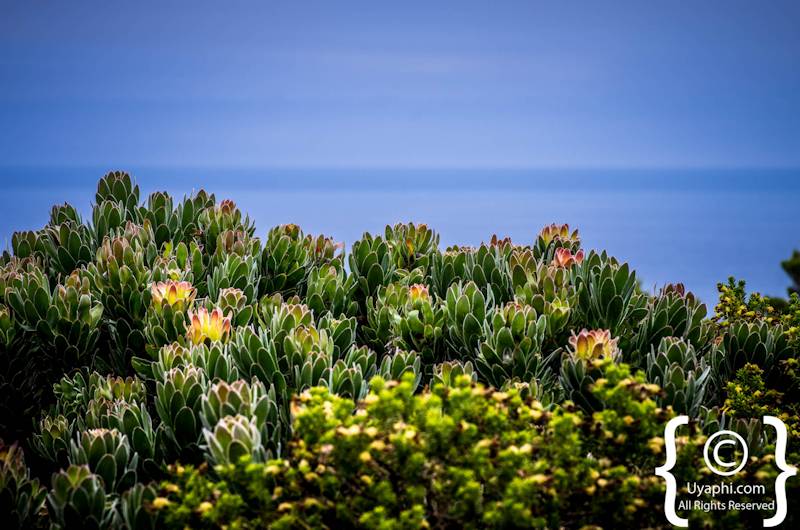
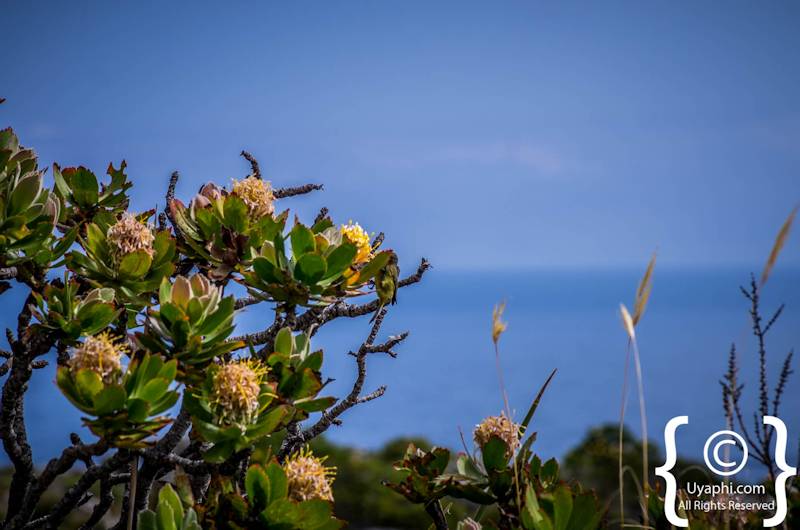
Flora: An astonishing diversity of 2,256 species recorded in 78km² - more than the whole of Great Britain (+- 1 500 species). The Cape contains 526 of the world's 760 erica species and 96 out of the world's 160 types of gladiolus, and Table Mountain alone supports 1,470 species.
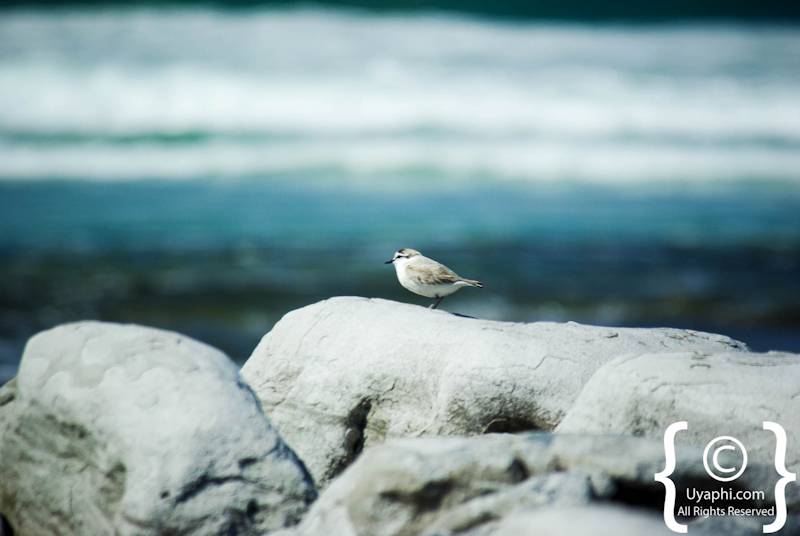
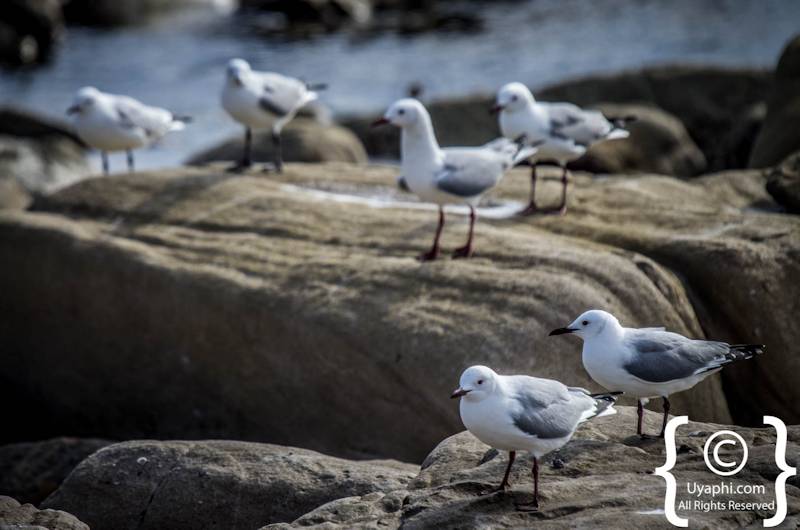
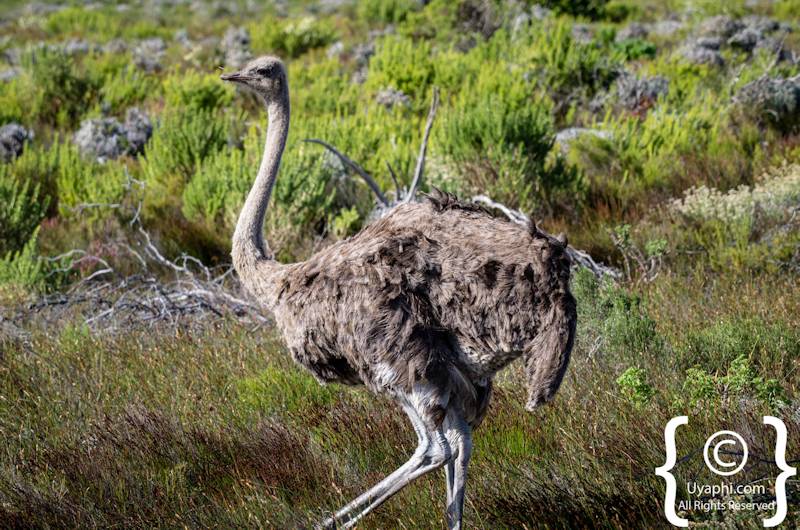
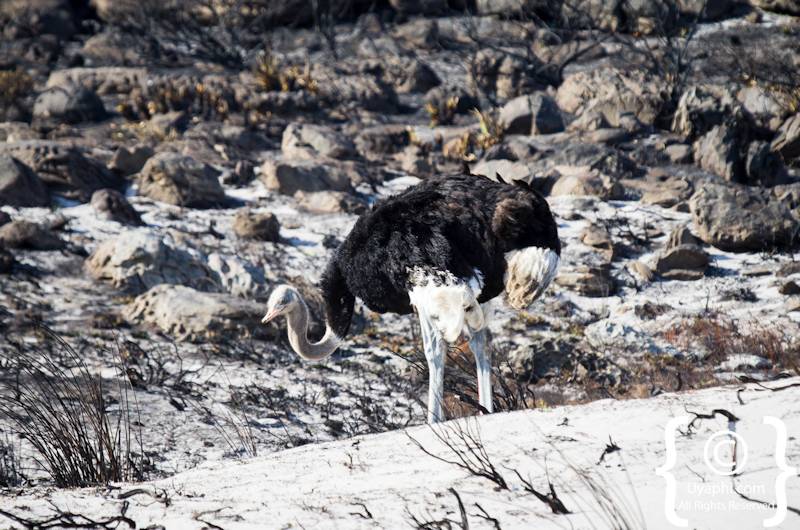
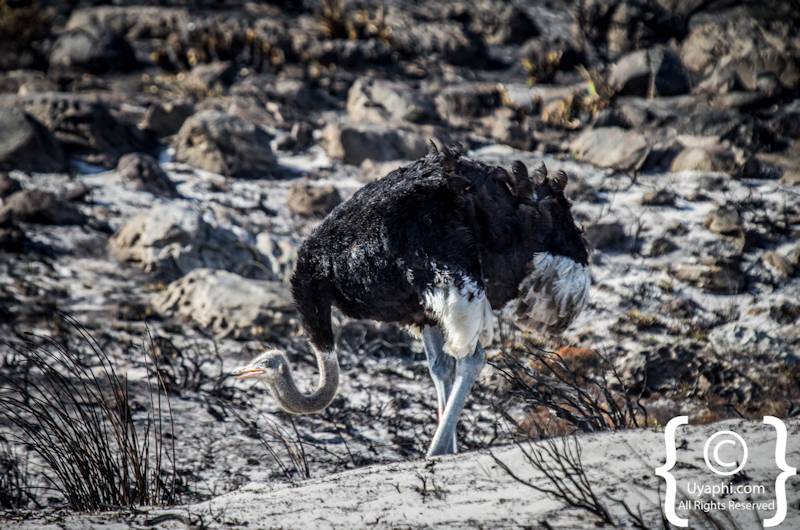
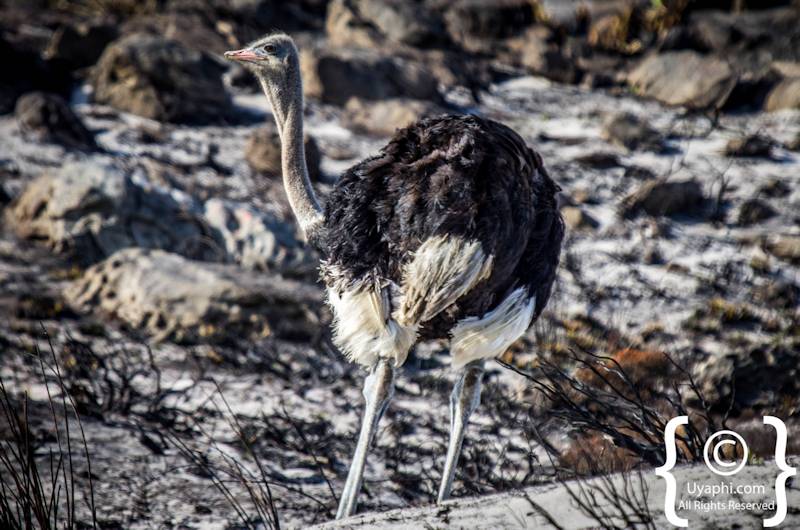
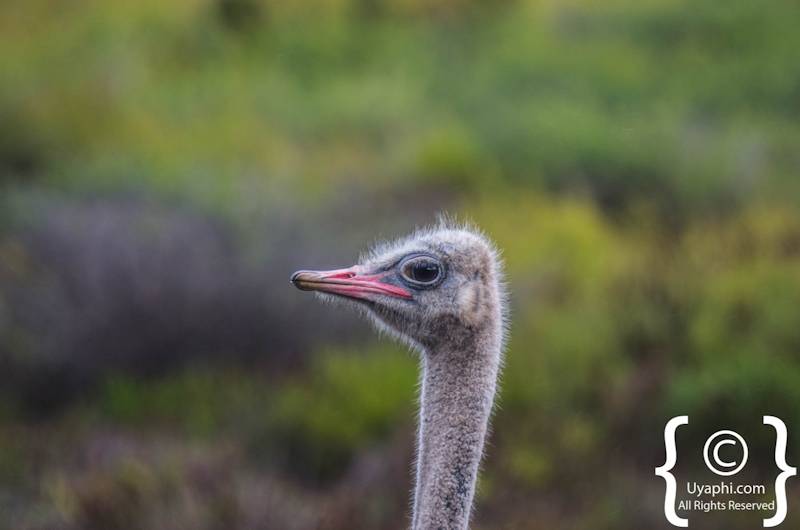
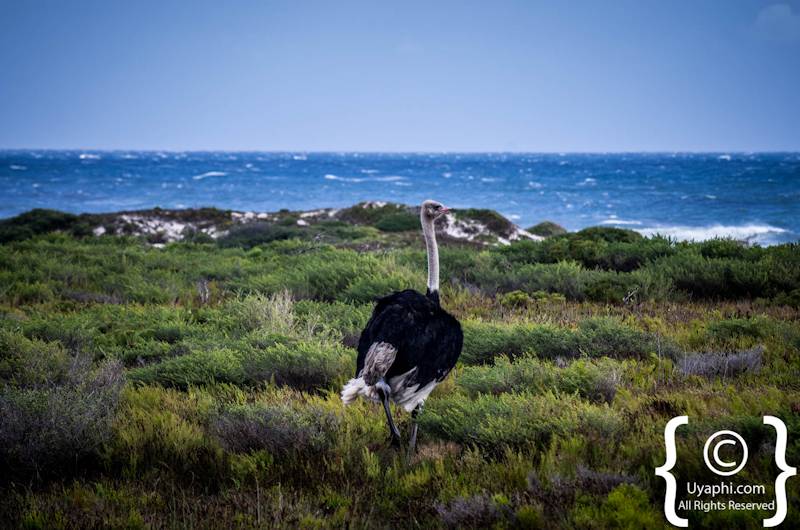
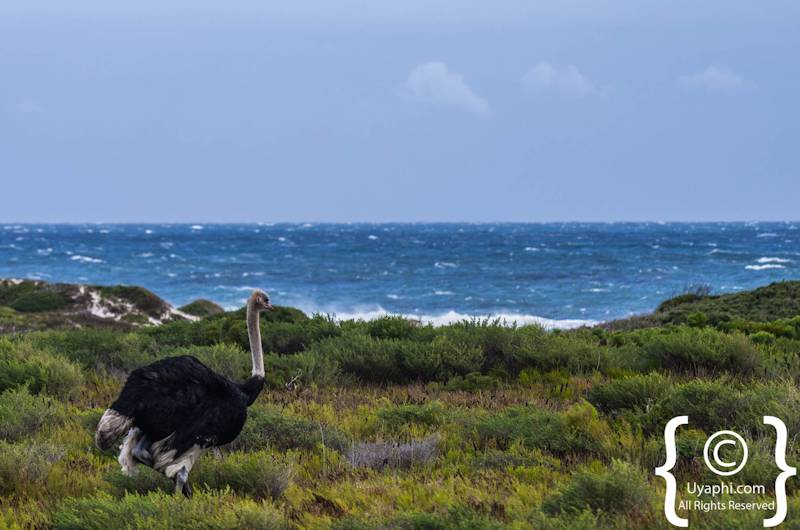
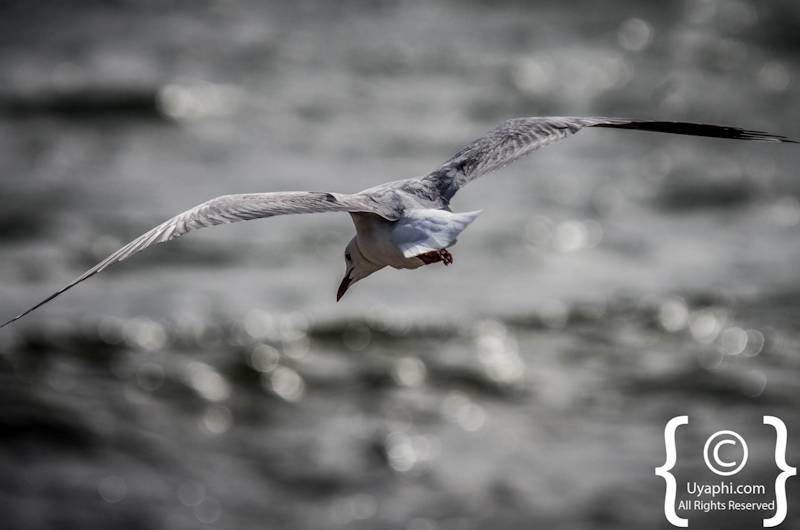
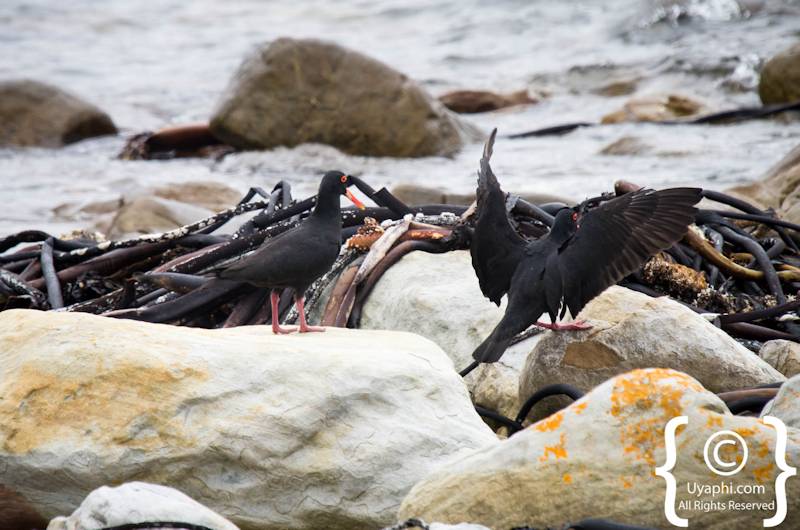
Birds: With its diverse habitats, ranging from rocky mountin tops to beaches and open sea, the Cape of Good Hope is home to at least 250 species of birds. On land, the most notable species are ostrich and raptors like the Rock Kestrel, Black-Shouldered Kite, Fish Eagle, Black Eagle, Spotted Eagle Owl and Jackal Buzzard. "Bush birds" tend to be rather scarce because of the coarse, scrubby nature of fynbos vegetation. When flowering, however, proteas and ericas attract sunbirds, sugar-birds and other species in search of nectar. For most of the year, there are more small birds in coastal thicket than in fynbos. The beaches and rocky shores are frequented by Black Oystercatchers, Kelp Gulls, Curlew Sandpipers, Whitefronted Plovers and Hautlaub's Gulls. Overseas visitors include migrant shorebirds from the northern hemisphere, Steppe Buzzards from Eastern Europe, and albatrosses and petrels from the sub-Antarctic region.
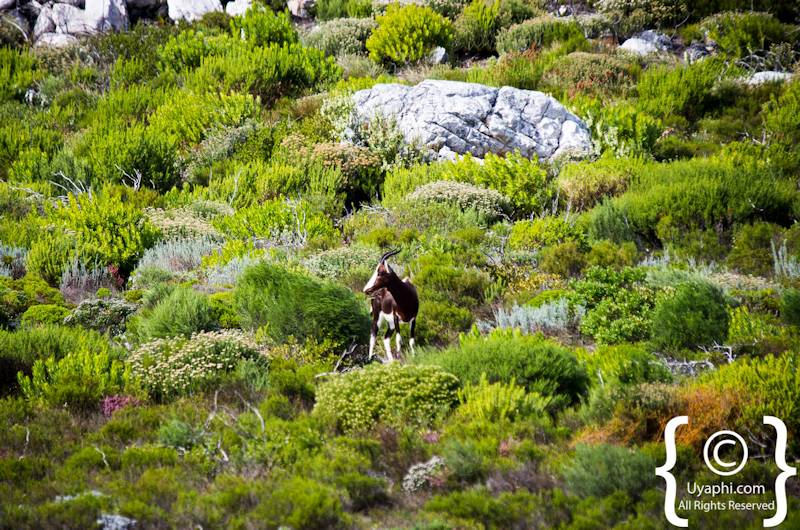
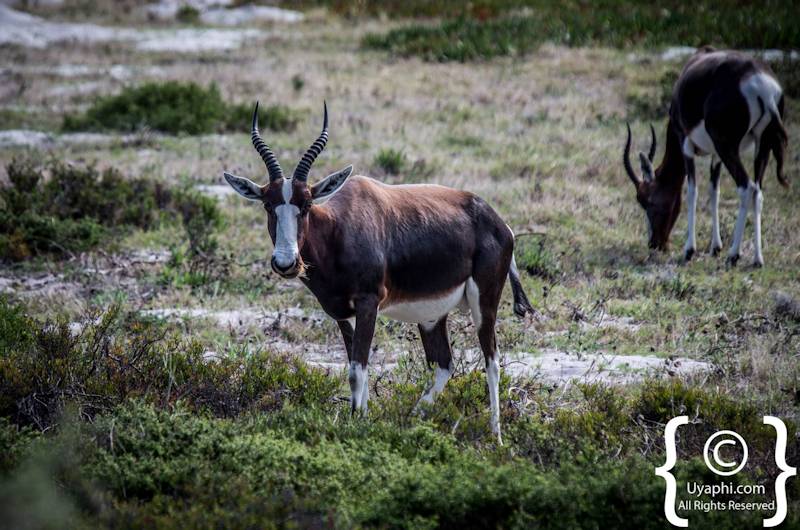
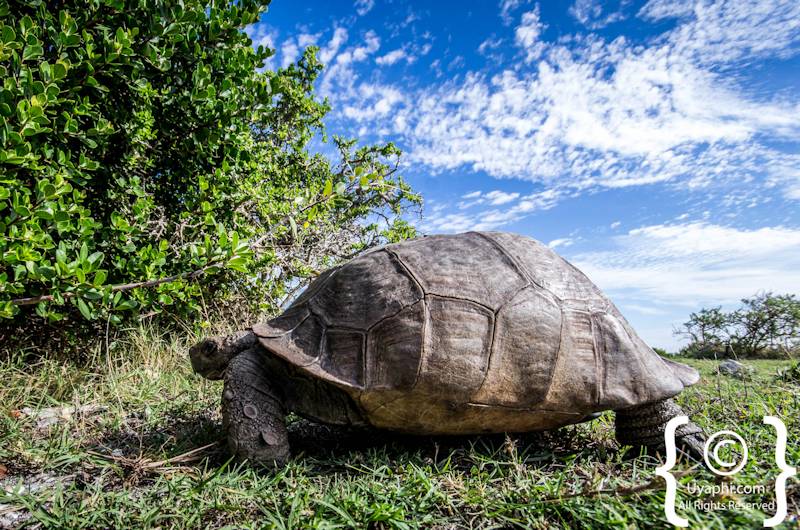
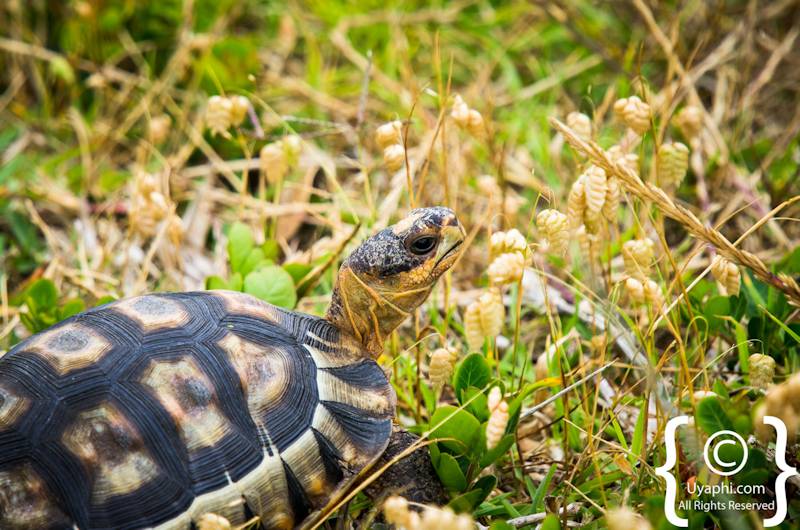
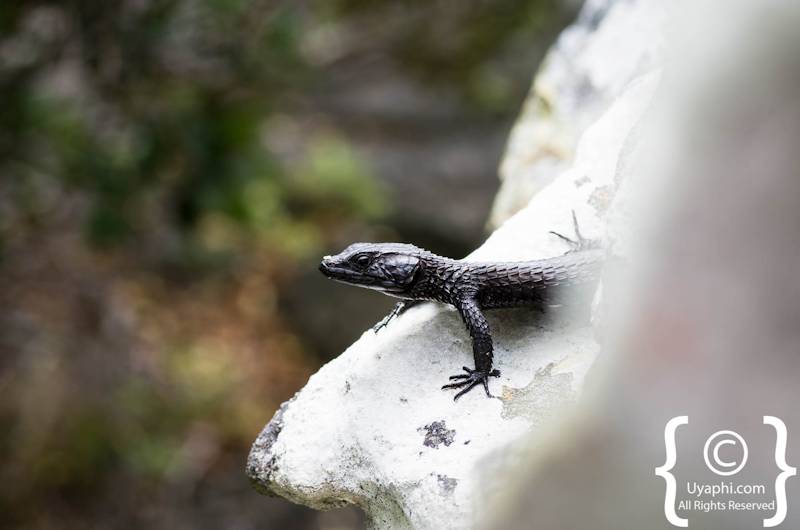
Mammals & reptiles: Due to sandy soils, the area is unable to sustain a number of large animals and those that are present are not easily seen. However, there is a wealth of insects, lizards, tortoises (including the Cape Angulate Tortoise), frogs and snakes such as the Puff Adder, Cape Cobra, Mole Snake and Boomslang. Mammals include Cape Mountain Zebra, Chacma Baboon, Rock Hyrax ("dassie"), Genet, Lunx, Striped Mouse, Cape Grey and Water Mongoose, and Cape Clawless Otter. Eight species of antelope are also found here: Bontebok, Eland, Cape Grysbok, Red Hartebeest, Grey Rhebok, Steenbok and Grey Duiker. Klipspringer have been re-established recently after an absence of almost 70 years. The area offers excellent vantage points for whale viewing. The Southern Right Whale is the species most likely to be seen in False Bay between June and November. Others species are the Humpback Whale and Bryde's Whale. Seals and dolphins may also be seen.
MAIN ATTRACTIONS:
» Simon's Town & Boulders Beach (penguins)
» Cape Point lighthouse viewing area
» Summer flowers in Spring
» Fynbos
» Houtbay & Kommetjie via the world famous Chapman's Peak Drive