Uyaphi.com
African Safaris and Tours


When is the best time to travel in Botswana? It depends on what you want from your safari. The dry season from about May to October is the classic choice for game viewing, with wildlife drawn to permanent water and the Okavango flood at its height. The green season from November to March belongs to birders, photographers and anyone keen to see the zebra migration, with lush landscapes, towering storm clouds and newborn animals.
| Month | Season and weather | Typical Okavango water | Highlights |
|---|---|---|---|
| January | Green season; hot, with afternoon storms | Low | Zebra migration season at Nxai Pan and the Makgadikgadi; Central Kalahari; migrant birds |
| February | Green season; hot, with afternoon storms | Low | Zebra migration season at Nxai Pan and the Makgadikgadi; Central Kalahari; migrant birds |
| March | Green season; rains easing | Low | Migrant birds beginning to leave; zebra still on the pans |
| April | Transition; rains ending | Flood arriving in the upper Delta | Zebra head north; bush still green |
| May | Dry season begins | Rising | Game starts gathering at permanent water |
| June | Dry; sunny days, cold nights | High water; peak varies by area | Okavango flood season; Chobe riverfront |
| July | Dry; sunny days, cold nights | High water; peak varies by area | Okavango flood season; Chobe riverfront |
| August | Dry; sunny days, cold nights | High water; peak varies by area | Okavango flood season; Chobe riverfront |
| September | Dry; heat building | Beginning to fall | Game concentrated at water |
| October | Dry; one of the hottest months | Falling | Chobe riverfront elephants late in the dry season |
| November | First rains; hot | Low | Migrant birds arrive; bush turns green |
| December | Green season | Low | Zebra leave the Chobe River for Nxai Pan |
Timing shifts from year to year with the rains and the flood, so treat this as a guide rather than a guarantee.
Once the rains end, Botswana settles into months of clear skies and sunny days. From June to August the nights are cold, and frost is common in the south and the Kalahari, so a warm jacket, fleece and gloves are essential for early-morning drives in open vehicles. As inland pans dry up, game gathers along the Chobe River, the Okavango Delta and the Linyanti, and sightings come thick and fast. The heat builds again through September and October.
Malaria risk in northern Botswana is low from June to September and high from October to May, while the south is very low risk all year; see our Botswana malaria guide and malaria in Africa, and check current advice for your exact itinerary with a doctor or travel clinic, whatever month you travel.
The first storms usually arrive in November, and by December the bush has turned a vivid green. Rain mostly falls in short afternoon thunderstorms, and totals vary widely from year to year and region to region. Heavier, longer spells of rain can occasionally affect roads and activities, particularly in January and February. With water everywhere, game spreads out away from the rivers. From about December, zebra leave the Chobe River floodplains for Nxai Pan, while a smaller migration moves from the Okavango Delta to the Makgadikgadi Pans; the rains trigger both, so the timing shifts from year to year. In the Central Kalahari, the rains green fossil river valleys such as Deception Valley, drawing springbok, gemsbok and wildebeest onto the fresh grazing.
The Okavango Delta floods in the dry season. Summer rain falls on the Angolan highlands, flows down the Okavango River and takes months to spread through the Delta's channels and floodplains, so high water usually peaks between June and August, long after Botswana's own rains have stopped. Exact timing and water levels vary between years and across the Delta. Levels then fall through spring and reach their lowest late in the year, while the upper Delta holds permanent water all year. Mokoro and boat activities depend on water levels, so check what each camp offers in the month you travel.
For game viewing in the north, the dry season wins. As water becomes scarce, animals gather at rivers, lagoons and the last waterholes, the bush thins out, and your guide can find them far more easily. The Chobe riverfront is at its best late in the dry season. Areas with permanent water, such as the upper Okavango Delta and the Linyanti, offer good game viewing for more of the year, though what you see depends on the concession and the water levels. The Central Kalahari, Nxai Pan and the Makgadikgadi turn this on its head and come alive in the green season.
The green season is prime time for birding, when migrant species arrive from about November and stay until around March. Winter birding is still rewarding around permanent water such as the Okavango Delta and the Chobe River, though the summer migrants are absent. In Botswana, there is no such thing as a bad birding season.
Not sure which month suits you? Tell us what you'd love to see and we'll match the season to your safari. We've been planning Botswana safaris since 1999.


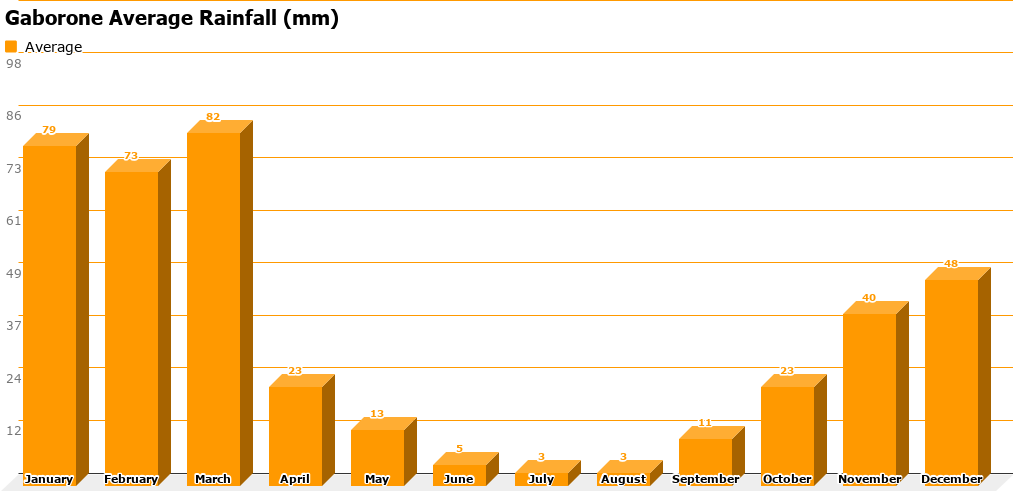

For classic game viewing, the best time to visit Botswana is the dry season from about May to October, when wildlife gathers at permanent water and the Okavango flood is high. The green season from November to March suits birders, photographers, the zebra migration and the Central Kalahari, with lush landscapes and newborn animals.
The Okavango Delta floods during Botswana's dry winter, usually peaking between June and August. Summer rain on the Angolan highlands flows down the Okavango River and takes months to spread through the Delta's channels, so high water arrives long after the local rains have stopped. Exact timing and water levels vary by year and across the Delta.
Botswana's rainy season runs from about November to March. Rain mostly falls in short afternoon thunderstorms rather than all-day downpours, so most days still bring plenty of sunshine, and totals vary widely by region and from year to year. From June to August it hardly rains at all.
Winter days in Botswana are usually sunny and mild, but nights from June to August can be very cold, and frost is common in the south and the Kalahari. Early-morning game drives in open vehicles are bitterly cold at this time of year, so pack a warm jacket, fleece, hat and gloves.
The best time for birding in Botswana is the green season, from about November to March, when the migrant species arrive. Winter birding is still rewarding around permanent water such as the Okavango Delta and the Chobe River, though the summer migrants are absent.
Botswana's zebra migration happens in the green season, and the rains set the timing, so it shifts from year to year. From about December, zebra leave their dry-season range along the Chobe River for Nxai Pan, returning north from around April, while a smaller migration moves between the Okavango Delta and the Makgadikgadi Pans.
The best time to see elephants on the Chobe River is the dry season, from about May to October. As inland pans and waterholes dry up, large herds move to the riverfront to drink and bathe, which makes boat cruises and game drives along the river especially rewarding late in the dry season.
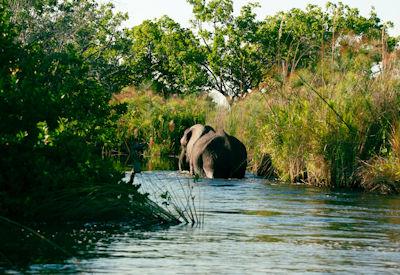
Ten reasons, from the Okavango's flood and Chobe's elephant herds to the Makgadikgadi salt pans, Kalahari lions and San trackers, wild dogs in the Linyanti, mokoro trips, and a low-volume tourism policy that keeps vehicle numbers down.

Our pick of Botswana's safari lodges, region by region: Mombo and Xigera in the Delta, Chobe Game Lodge on the river, Jack's Camp on the pans and Savute Elephant Lodge, plus how to choose between them.

A practical guide to Chobe: getting there from Kasane, river cruises versus game drives, where the elephants come down to drink, the lodges we use, and how to add Victoria Falls on the way in or out.

Planning a honeymoon in the Okavango Delta: the camps that suit couples, from Camp Okavango to Mombo, with sunrise boat cruises, mokoro trips, and private dinners and helicopter flights where the camp offers them.

Ten reasons to put Savuti on your route: bull elephants, big lion prides, wild dogs, the Savuti Marsh, San rock art in the Gubatsa Hills, and a channel with a habit of drying up for years at a time.

Five lodges in and around Chobe National Park that we would happily send you to: Chobe Game Lodge with its all-female guiding team, Ngoma, Muchenje, Chobe Chilwero, and &Beyond Chobe Under Canvas, which moves camp to follow the game.

What a Botswana safari actually costs, and why: camping versus mobile versus lodge, the season you travel, flights between camps, park fees and tips, and where a few honest savings can be made.

Ten Okavango Delta camps we rate, from Eagle Island and Xigera to Jao, Jacana and Duba Plains, with what each does best, from mokoro trips on the water to family suites and walking safaris.