
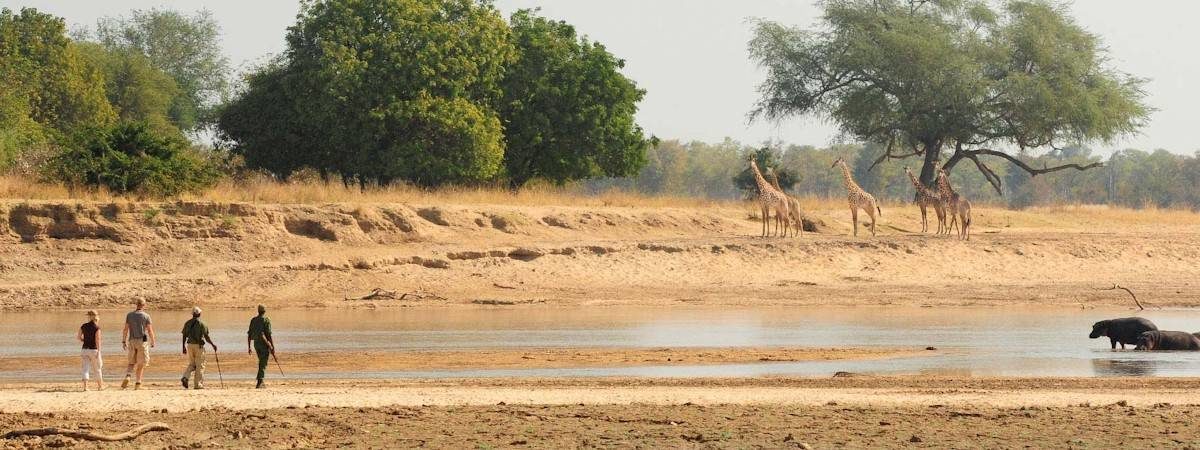


Zambia Lodges
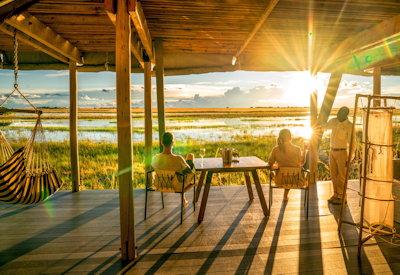
Uyaphi has selected a portfolio of safari and game lodges that enables you to explore Zambia in luxury, from the famous Victoria Falls and the Zambezi River to the wildlife areas of the Kafue, as well as North and South Luangwa (home of the walking safari).
For wildlife fans, the excellent national parks are abundant with birdlife and mammals and boast some of the finest safari camps and lodges in the whole of the African continent.
Zambia Safari Planner
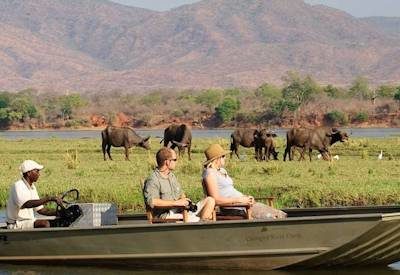
If you're overwhelmed by the plethora of options in Zambia and seeking something tailored to your specific desires and requirements, Uyaphi.com is your go-to for crafting the ideal safari holiday package that resonates with your unique preferences.
Having explored Zambia's rich tapestry ourselves for over two decades, we bring to the table a wealth of insights, ranging from the finest lodges to seamless transfer solutions, not to mention personalised recommendations on spectacular sites to visit and experiences to cherish.
Zambia Safaris
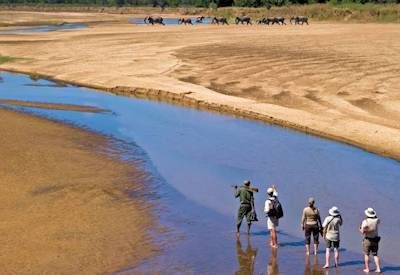
We offer a broad range of Zambian safari holidays to suit most budgets and interests (especially for those interested in walking safari options). Whatever you choose, you will be part of an exclusive club to have travelled this beautiful land that offers up pristine wildlife sanctuaries like no other.
Zambia is much more than Victoria Falls or the Zambezi River; Zambia is the South Luangwa, the Kafue, the Kasanka, and the Lower Zambezi. These magnificent wildlife parks and reserves will cast a spell that will keep you coming back for more.
Zambia Showcase
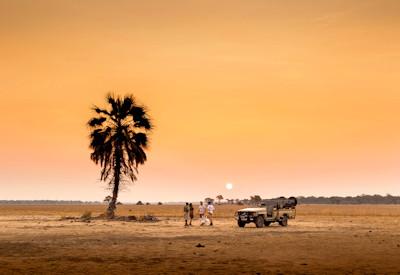
Showcasing the best safari lodges and camps that are best suited for those looking for family-friendly or honeymoon options, as well as establishments that offer up spa and wellness, most romantic baths and of course, those that are located in the most remote regions of the country.
Zambia is an amazing country that offers up some of the finest national parks, rivers, cultures and natural wonders with countless safari activities to match.
Best Zambia Tourist Attractions
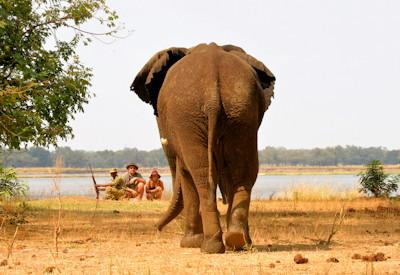
Zambia, undoubtedly one of Africa's premier safari destinations, boasts an array of breathtaking attractions. It is home to expansive wildlife national parks and several of Africa's majestic rivers, as well as scenic wonders that can stand with the best of them.
With the motto "Discover the real Africa", Zambia offers some of the largest and most remote game reserves and national parks, including the Lower Zambezi, Kafue, North Luangwa and South Luangwa, as well as the mighty Zambezi River and Victoria Falls.
Zambia Map
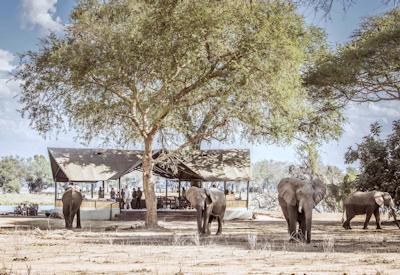
Discover our curated Google Map showcasing the finest safari lodges, camps, and hotel selections on Uyaphi.com. Each destination has been carefully selected to offer an unparalleled journey into the heart of Zambia's natural beauty, promising adventures that will be cherished forever.
Immerse yourself in a Zambia travel experience that guides you through the country's most celebrated wildlife havens: the enchanting Luangwa Valley, the vast expanses of Kafue National Park, the majestic Zambezi Valley, and, of course, the breathtaking Victoria Falls.
Malaria In Zambia
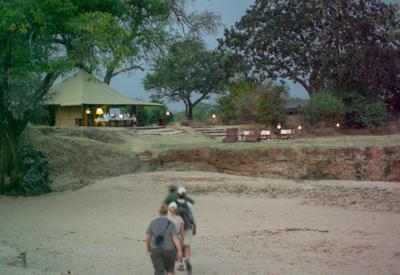
Visitors to Zambia, including its capital, Lusaka, should be highly aware of the "high risk" of malaria, a critical consideration for anyone exploring this beautiful country.
Irrespective of the season or your specific destinations within Zambia, it's imperative to consult with a healthcare professional or visit a travel clinic prior to your journey. Here, you'll receive invaluable advice on anti-malaria medications that are most effective for this region, ensuring your adventure remains safe and enjoyable.
10 Must See Attractions in Livingstone
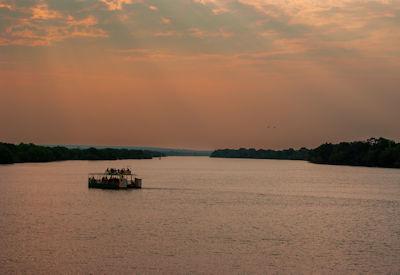
Located in the heart of Africa, Livingstone is a beacon of adventure and culture. Here, the mighty Zambezi River plunges into the awe-inspiring Victoria Falls, creating a world of wonder and excitement for travellers. Our latest blog post, "10 Must-See Attractions in Livingstone," guides you through this breathtaking region, showcasing the very best experiences it has to offer.
This guide takes you to a place where nature's beauty meets vibrant cultures and thrilling adventures. Whether you're drawn to the wild or inspired by local traditions, Livingstone is the perfect backdrop for your African dreams. Join us as we explore the top 10 attractions that make Livingstone a destination full of discovery and wonder.
The Perfect Zambia Honeymoon Safari
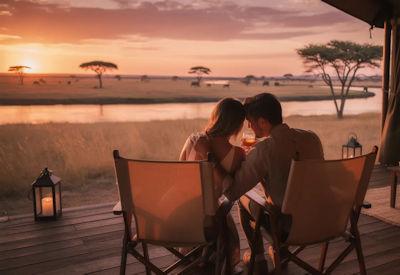
Embark on a journey where the wild heart of Africa meets your newlywed bliss. Our latest blog, "The Perfect Zambia Honeymoon Safari," explores one of the world's most secluded and stunning safari destinations. With untouched landscapes and incredible wildlife, Zambia is the perfect place for couples to create unforgettable memories of adventure, romance, and natural beauty.
In this post, we delve into the heart of Zambia's majestic wilderness to uncover why it's the perfect destination for couples seeking an unforgettable journey. From the gentle flow of the Zambezi River to the thunderous spray of Victoria Falls and the remote bush where stars light up the night sky, Zambia sets the stage for an epic romance.
5 Best Lodges in Livingstone
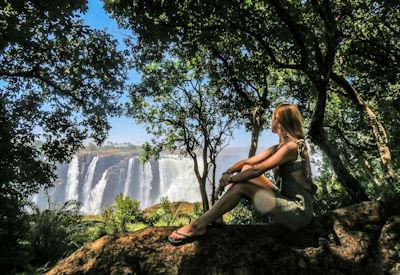
Embarking on a journey to discover the heart of Zambia, our latest blog series dives into the enchanting city of Livingstone, a gateway to the majestic Victoria Falls and a hub for adventurers seeking the thrill of Africa's wilderness. In this series, we meticulously explore the "5 Best Lodges in Livingstone," offering you a guide to unparalleled comfort amidst nature's splendour.
Each lodge in Livingstone has been selected based on its unique charm, exceptional service, and proximity to Livingstone's captivating attractions, ensuring your stay is nothing short of extraordinary. From family-friendly accommodations to romantic hideaways, our guide is your first step towards planning an unforgettable getaway in Livingstone.
10 Reasons To Visit Livingstone
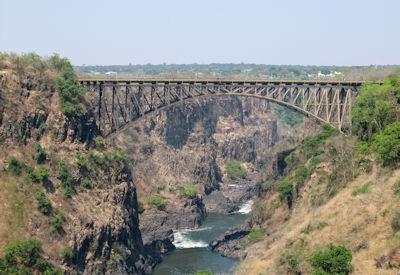
Nestled on the border of Zimbabwe and Zambia, Livingstone is a treasure trove of natural beauty, adrenaline-pumping adventures, and rich cultural experiences that beckon travellers from around the globe. It's not just a destination; it's the gateway to exploring the majestic Victoria Falls, known locally as Mosi-oa-Tunya or "The Smoke That Thunders."
This awe-inspiring wonder of the world serves as the perfect backdrop for what promises to be an unforgettable journey. As you delve into our latest blog, "10 Reasons to Visit Livingstone," prepare to be captivated by a land where nature's power is matched only by its beauty, and every experience is steeped in wonder.
10 Best Lodges in Zambia
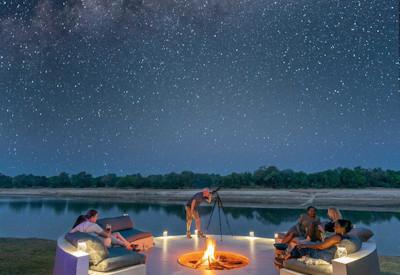
Embark on an unforgettable journey through the heart of Africa as we unveil the 10 best lodges in Zambia, each offering a perfect blend of opulence and adventure. Known for its breathtaking landscapes and rich wildlife, Zambia is home to some of the world's most exquisite safari lodges.
From the majestic Victoria Falls to the serene Zambezi River, each lodge provides a unique gateway to Zambia's natural wonders. Picture yourself waking up to the sounds of the wild, enjoying world-class amenities, and engaging in thrilling activities like game drives, walking safaris and canoeing safaris.
10 Reasons to Visit the Luangwa National Park
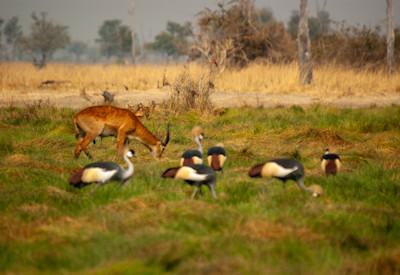
If you're dreaming of an unforgettable safari adventure, look no further than Zambia's stunning South Luangwa National Park. Known for its incredible wildlife, breathtaking landscapes, and unique safari experiences, this Zambian gem offers something for everyone.
From walking safaris to birdwatching, here are 10 compelling reasons to visit Luangwa National Park and immerse yourself in the heart of Africa's wilderness. Whether you're an avid wildlife enthusiast, a photography buff, or simply looking for an unforgettable safari, Luangwa National Park has something to offer for everyone.
Zambia Travel Bucket List
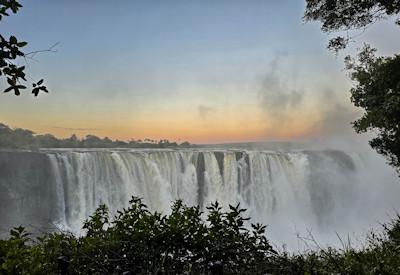
Are you dreaming of an unforgettable adventure in Africa? Look no further than Zambia! This travel bucket list covers the top must-see destinations and experiences, from the majestic Victoria Falls to thrilling safaris and vibrant cultural festivals.
Whether you're an adrenaline junkie, a wildlife enthusiast, or a culture lover, Zambia offers a diverse array of activities and sights that cater to every type of traveller. Get ready to explore vast landscapes, immerse yourself in local traditions, and enjoy unique wildlife encounters that will leave you with memories to last a lifetime.
Devil's Pool Victoria Falls
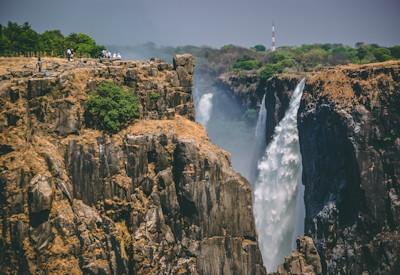
Nestled precariously at the very lip of the awe-inspiring Victoria Falls, the Devil's Pool is an absolutely phenomenal natural wonder. Carved out over millennia by the mighty Zambezi River, this extraordinary geological formation is, without a doubt, one of nature's most thrilling creations.
Imagine swimming to the edge of the world's largest waterfall! With only a natural rock lip between you and a 100-meter drop, the sensation is breathtaking. The roar of countless tons of water thundering over the falls just meters away is an unforgettable, almost dizzying experience. Witnessing such raw power up close is a privilege.