

Your Safari Suitcase
As a general guide, the below is mainly for camping, tented and overland safaris, where luggage restrictions are strictest. If you're travelling on a lodge-based or fly-in safari, there are still a few things worth considering — we'll email you a tailored packing note specific to your itinerary once you enquire.
What to Pack for Your African Safari
Luggage
Space in the safari vehicle is limited, and we request that you pay particular attention to the following guidelines.
Your luggage is restricted to:
- 1 bag not exceeding 12kg and 65 x 46cm. We recommend packing your personal effects in an inexpensive barrel or sausage bag, available from discount stores, hypermarkets and sports shops.
- 1 sleeping bag and small pillow if you are on a camping safari (a warmer sleeping bag or blanket is recommended for winter).
- 1 small handbag (airline type) or day-pack containing money, travel documents and camera equipment. This will be allowed inside the vehicle, placed by the passenger's feet.
- 1 waist pouch or money belt.
- 1 small fold-up bag to be used on itineraries that include short excursions. Essential for optional excursions.
We recommend using old or inexpensive luggage. Solid-type suitcases are unsuitable for our type of safaris. A small to medium rucksack may be used, provided it has no rigid frame.
PLEASE NOTE THAT ON MOST CAMPING SAFARIS, ANY EXCESS LUGGAGE OVER 12KG WILL NOT BE LOADED INSIDE THE VEHICLE. EXCESS LUGGAGE WILL BE STORED, AND ANY COSTS INCURRED WILL BE THE PASSENGER'S RESPONSIBILITY.
Important: To avoid lost luggage in transit
Please take your sleeping bag, medication and toiletries with you on board the plane. For passengers with connecting flights, please allow sufficient connecting time between flights (usually two hours). We suggest checking your luggage through to each transfer point airport en route, especially if travelling via Johannesburg, so you can identify and collect your luggage and re-check it to your final destination.
Clothing and Personal Effects
Most people make the mistake of packing too much clothing. Bring comfortable, casual and semi-casual "wash and wear" clothes. Bright colours and white are not suitable for game viewing. Please avoid clothing resembling military uniform, such as camouflage patterns.
The list below is purely a guideline and will depend on the length of your safari and the season you're travelling in. Additional warm clothing may be required during June, July and August:
- 1-2 pairs of smart/casual trousers
- 3-4 pairs of shorts
- 7 shirts/T-shirts (any combination)
- 1 light cotton dress or sarong for the ladies
- 1 jersey for the evenings (April to August)
- 1 tracksuit (April to August)
- 1 windbreaker/rain jacket (December to March)
- 1 warm jacket (May to September: winter nights can be very cold)
- 1 pair of walking/running shoes
- 1 pair of sandals/thongs, or rafting/canoeing shoes
- Underwear and socks
- 1 swimming costume
- 1 sun hat
- 1 towel
Canoeing Safaris
A pair of rafting or canoeing shoes is essential. A long-sleeved shirt will provide protection from the sun. We also recommend a pair of gloves and a sarong.
Important
- Please dress appropriately when crossing borders (no bare feet, bare chests, bikini tops, sunglasses or hats), when visiting markets, villages and towns, and while travelling in the vehicle.
- In Mozambique and Malawi, ladies should wear a T-shirt/shirt and a sarong or skirt when going to or leaving the beach. Topless or nude sunbathing or swimming is not permitted.
- In Zanzibar, as a mark of respect for local customs and the Islamic faith, ladies are asked to dress discreetly by covering their knees and shoulders while visiting towns and local villages. Strappy dresses and skimpy swimwear are not appropriate in these settings.
Also remember the following:
- 1-litre water bottle (essential)
- 1 torch and batteries (essential)
- 1 roll of toilet paper
- Bath soap, toothbrush and toothpaste
- Shampoo and hair conditioner
- Deodorant
- Comb/hairbrush, nail brush
- Razor and blades (a battery-operated shaver is preferable)
- Suntan lotion/sun block
- Lip balm
- Hand cream and moisturising cream
- Insect repellent
- Tissues or disposable moist wipes
- Washing powder, a universal sink plug
- A length of cord for a washing line, plus pegs
- Plastic bags (for packing wet or dirty clothing)
- Sunglasses
- Spectacles, if worn — some people find contact lenses difficult in dusty conditions
- A pen for immigration formalities
- 1 notebook
- A multi-purpose knife (e.g. a Swiss army knife)
- NB: a small sports/kit bag for excursions, as mentioned under "Luggage"
You are also welcome to bring along a bottle of your favourite drink or liquor.
Sleeping Bags/Pillows
Mattresses are provided on all safaris. Clients on camping safaris should bring their own sleeping bag and small pillow if required — these can be packed inside your main luggage. A warm sleeping bag is essential during the winter months (May to September), when nights can be genuinely cold.
If you'd rather not bring your own, sleeping bags can usually be hired for the duration of your trip. Please ask us for current hire rates at the time of booking, as these vary by itinerary and operator.
Personal Medical Kits
We suggest bringing along the following:
- Plasters
- Aspirin/paracetamol
- Anti-diarrhoea pills and laxatives (consult your pharmacist for advice)
- Throat lozenges
- Antiseptic cream
- Insect bite cream
- Eye drops
- Anti-malaria tablets (see our Malaria section)
- Any other medicines and toiletries you regularly use
- An energy bar or drink for canoeing safaris
- Rehydration powder/sachets
- Personal toiletries
Maps & Field Guides
We recommend the following:
- Michelin Map No. 955 — Africa Central & South, Madagascar
- Roberts Birds of Southern Africa — G. L. Maclean
- Newman's Birds of Southern Africa — Kenneth Newman
- Field Guide to Mammals of Southern Africa — Chris & Tilde Stuart
- Southern African Mammals — Robin Frandsen
(Please note field guides are periodically revised — we'd suggest checking for the latest available edition of each.)
Photography
For detailed photography advice, please see our full guide to Photography On Safari, covering cameras, lenses and equipment.
A few points specific to packing for a camping or overland trip: bring more memory cards and spare batteries than you think you'll need, as charging opportunities can be limited on remote itineraries.
Please never photograph border posts, military installations or police stations, as this can lead to serious trouble and even arrest. In most parts of Africa it's considered respectful to ask permission before photographing local people — the Maasai in Tanzania, for example — and in many cases a small payment or donation is expected in return.
Please remember that some communities may hold personal or spiritual objections to being photographed. We ask that you respect this fully — always seek permission first, and be gracious if that permission is declined.
Video Cameras
Most travellers now shoot video on a smartphone or a compact action camera, and battery life on a long game drive can go quickly — particularly if you're shooting in high resolution. Bring a portable power bank so you can top up on the move. Mains power in the countries we visit is generally 220-240 volts, so a suitable plug adapter is essential. On some vehicles it may also be possible to charge devices via a 12-volt socket, at the discretion of your guide.
Binoculars
When visiting wildlife areas, it's essential to have your own pair of binoculars in order to get the very best out of your safari.
Water
Water is a precious commodity in Africa. Please use it sparingly, and avoid wasting it — for example, when brushing your teeth, washing your hair unnecessarily, or taking lengthy showers.
Food & Drinks
Please bear in mind that fresh fruit and vegetables are not always available in certain areas. In summer (September to April), fresh produce will only keep for two to three days. Tea and coffee are readily available while in camp. Mineral water, soft drinks and alcoholic beverages are not included but may be purchased en route from local shops and supermarkets — feel free to bring along a bottle of your favourite drink or liquor.
A continental breakfast of cereals, bread, jams, tea, coffee and powdered milk is served each morning. Lunch is usually a cold picnic, with a hot brunch of eggs and bacon sometimes prepared when in camp. Dinner is a hot meal, often cooked over a campfire, and is served as the main meal of the day. When travelling between destinations, we serve a light picnic lunch.
Travel To Africa Now
Map of Lodges in and around Africa
African Travel Topics
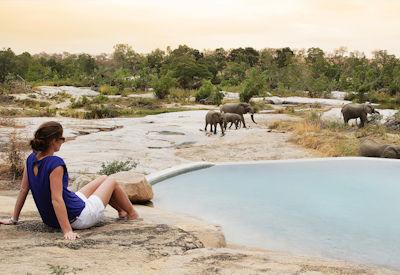
The Perfect Kruger National Park Honeymoon Safari
Embarking on the perfect Kruger National Park honeymoon safari offers an unparalleled blend of thrilling wildlife encounters and luxurious romantic escapes in one of Africa’s most iconic wilderness destinations. The Greater Kruger area, encompassing both the national park and its adjoining private reserves like Sabi Sand and Timbavati, provides newlyweds with exclusive access to the Big Five, rare wildlife sightings, and world-class cuisine paired with rejuvenating spa treatments. Beyond the captivating game drives and wildlife, Kruger seamlessly integrates with other South African highlights to create a truly bespoke honeymoon journey. Many couples combine their safari with cosmopolitan stays in Cape Town, exploring Table Mountain and the Winelands, or extend their trip to the breathtaking Victoria Falls or pristine beaches of Mozambique.
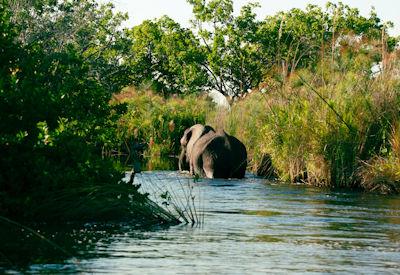
10 Reasons To Visit Botswana
Botswana stands as a beacon of conservation and unparalleled natural beauty, offering a sanctuary for those seeking an authentic African safari experience. With over a third of its territory dedicated to conservation areas, this country promises an extraordinary journey through some of the most pristine landscapes on the continent. Whether you're drawn by the allure of majestic wildlife, including the iconic "Big Five" and the elusive African wild dogs, or enchanted by the idea of drifting along serene waterways in a traditional mokoro canoe, Botswana caters to all. Its unique approach to tourism combines luxury with adventure, making it perfect for everything from romantic honeymoons to action-packed family safaris.
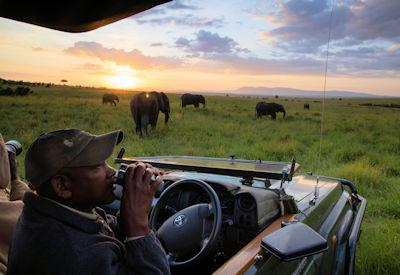
Masai Mara Bucket List
Discover the untamed beauty and thrilling wildlife of one of Africa's most iconic destinations in our latest blog post, "Masai Mara Bucket List". For over twenty years, Uyaphi.com has been your gateway to personalised safari adventures in the heart of Kenya's Masai Mara National Reserve. This sprawling savannah, a jewel in the crown of African wilderness, is a sanctuary where nature's most awe-inspiring dramas play out under the vast, open skies. Venture with us as we explore the undulating landscapes and rich Maasai culture that make the Masai Mara an unforgettable destination. Our Masai Mara Bucket List guide is crafted to inspire seasoned travellers and first-time explorers alike, highlighting not-to-be-missed experiences that capture the essence of this extraordinary ecosystem.
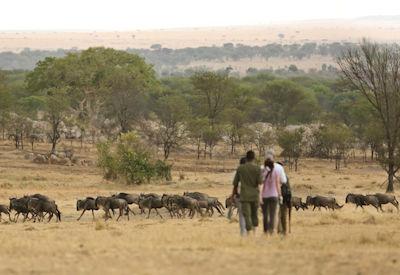
The Ultimate Guide to a Serengeti Safari
Embarking on a Serengeti safari is like stepping into a living canvas, where the beauty of nature unfolds before your eyes. "The Ultimate Guide to a Serengeti Safari" is your compass through this stunning landscape, capturing unforgettable moments. From the thunderous hooves of the Great Migration to lions basking under the Tanzanian sun, this guide immerses you in the Serengeti's essence, offering an unforgettable journey into the heart of Africa. In this blog post, we delve deep into what makes a Serengeti safari an unparalleled adventure. We've curated essential tips, insider knowledge, and must-see destinations within this vast ecosystem to ensure your experience transcends the ordinary. Whether you're yearning for close encounters with wildlife or seeking solace in nature's grandeur, our ultimate guide is tailored to help you navigate through this iconic savannah.
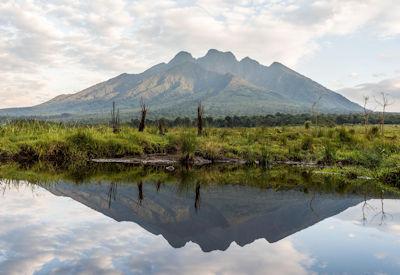
10 Reasons to Visit Volcanoes National Park
Nestled in the heart of Rwanda, Volcanoes National Park stands as a beacon for adventurers, nature lovers, and those seeking an intimate encounter with the raw beauty of East Africa. This park is not just a destination; it's an experience that transcends ordinary travel. From the moment you set foot on its lush terrain, you're propelled into a world where endangered primates roam free, ancient volcanoes tower majestically, and luxury lodges offer sanctuary amidst the wild. Drawing from our extensive experience and passion for African safaris, we've crafted a guide that not only highlights the unique allure of Volcanoes National Park but also provides practical advice for planning your visit. Whether you're intrigued by the prospect of coming face-to-face with mountain gorillas or enchanted by the idea of hiking through verdant volcanic landscapes, our latest post has something for everyone.

10 Reasons to Visit Zanzibar
In our latest blog post, "10 Reasons to Visit Zanzibar," we delve into the myriad wonders that make this island a must-visit for travellers seeking an unforgettable experience. From its legendary powder-soft beaches to the rich historical narrative embedded within Stone Town's winding alleys, Zanzibar beckons with an allure that's hard to resist. Beyond its scenic shores and architectural marvels, Zanzibar offers a kaleidoscope of experiences that cater to every type of adventurer. Whether you're a diving enthusiast eager to explore vibrant coral reefs, a wildlife aficionado hoping to catch a glimpse of the rare red colobus monkeys, or a culinary explorer hungry for the exotic flavours of Spice Island, there's something here for everyone.

The Perfect Kenya Honeymoon Safari
Embarking on the journey of matrimony is a significant milestone, and what better way to celebrate this new chapter than with a honeymoon safari in the enchanting landscapes of Kenya. The allure of Africa, with its majestic wildlife, breathtaking sunsets, and serene wilderness, offers an ideal backdrop for romance and adventure. At Uyaphi.com, we understand that planning your dream honeymoon should be a joyous and exciting endeavour rather than a source of stress. With our expertise in crafting bespoke safari experiences coupled with round-the-clock support, we promise to transform your vision into reality, leaving you to bask in the glow of love and the beauty of Kenya.

Best Kruger National Park Safari Itinerary
Embarking on a safari in Kruger National Park is an adventure that promises the awe-inspiring beauty of African wildlife and landscapes. For those plotting their first journey into this majestic wilderness, understanding the daily rhythm of safari life is essential. Early morning game drives are your golden ticket to witnessing the park's inhabitants in their most active states, as the cool air and rising sun stir them to life. Our Kruger National Park itineraries are designed for every type of traveller. Whether you want an intimate, three-night stay in a private reserve or a nine-day exploration of diverse ecosystems—including stops in Johannesburg and the Panorama Route—there's an itinerary for you.