
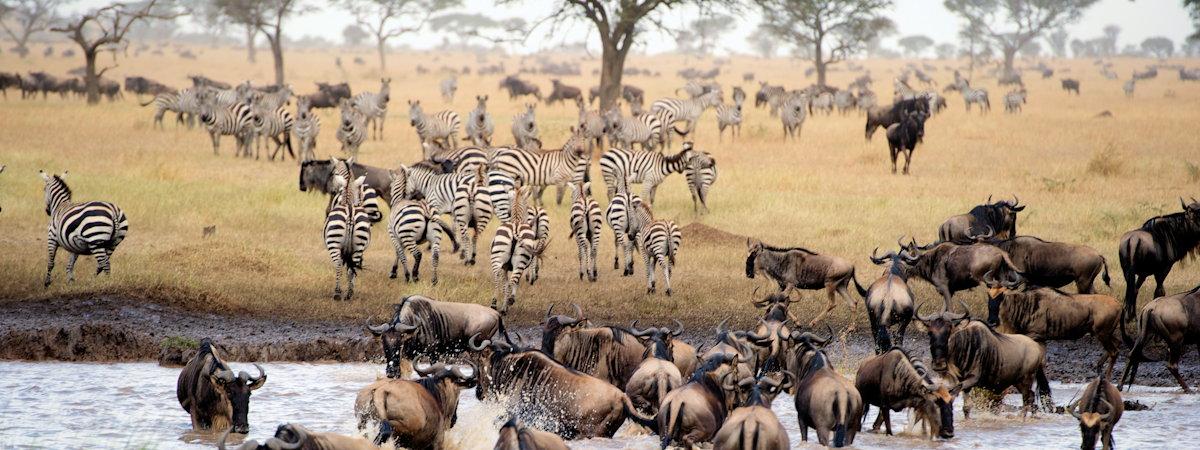


Safaris And Tours
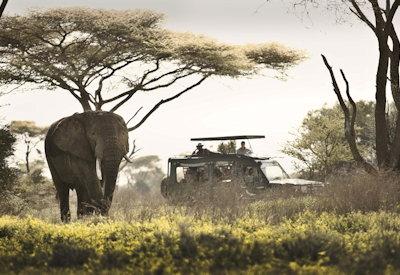
When travelling in Tanzania, you will be met by some of the most diverse safari experiences in Africa, all in national parks which enjoy only a fraction of the visitor numbers of its northern neighbour.
On safari, you will have the chance to visit destinations including The Serengeti (for the great migration), Tarangire, Lake Manyara, Ngorongoro Crater, Selous and Kilimanjaro.
Safari Lodges And Camps
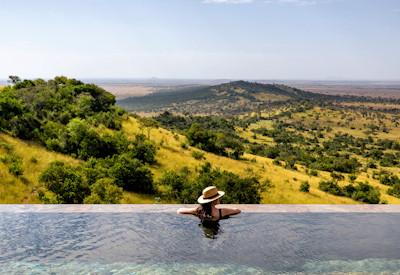
The quality and range of lodges, camps, hotels and resorts that we offer are as diverse as the country itself. We have chosen a portfolio of properties that represent the best in their particular class or geographical area.
Tanzania is well known for its scenic beauty, varied wildlife including the annual great migration, and Indian Ocean beaches.
Showcasing Tanzania
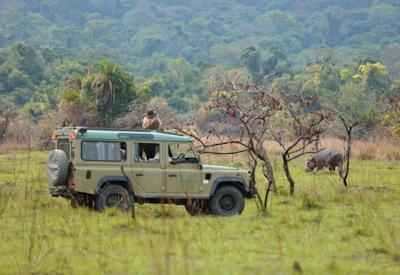
A series of pages in which we get to explore safaris and lodges but showcase types; family-friendly, most luxurious, best suited for honeymoons or romantic getaways, to even lodges with the most amazing bath settings.
Tanzania has so much on offer that we hope that these pages help you explore all the options available.
Game Reserves
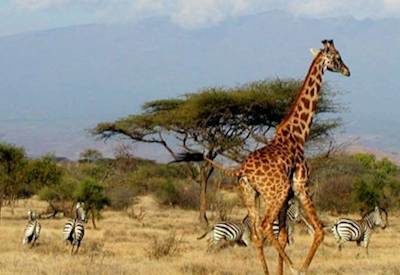
Tanzania Game Reserves and wildlife-orientated destinations, including Arusha National Park, Lake Manyara, Serengeti National Park, Mount Kilimanjaro, Stone Town, Ruaha National Park, Dar Es Salaam, Zanzibar Island, Ngorongoro Crater Park with all their scenic grandeur and stunning wildlife that one could possibly ask for.
Tanzania Travel is all about the people, the culture and, of course, her wildlife and wildlife destinations; on these pages, we will explore in more detail her parks and reserves.
When To Visit
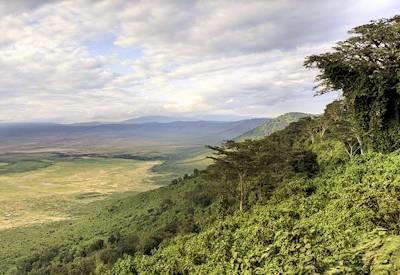
When is the best time to go to Tanzania? A short yet complex question we get asked all the time.
On this page we attempt to cover, the best season or the best months, rainy and dry seasons, best for the wildebeest migration, best for hiking Kilimanjaro and best for just relaxing on an Indian Ocean beach.
Although as always, life is never as simple as that.
Lodge Map
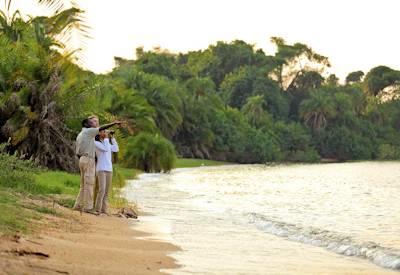
A Map Of Tanzania featuring all the safari lodges and camps, hotels and resorts that we feature on Uyaphi.com.
A great way to see where an accommodation establishment is located in relation to surrounding game reserves, national parks, town and other exciting nearby destinations.
Distance Table
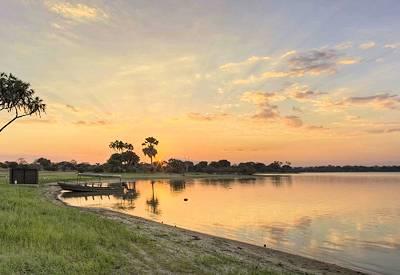
Distance table and chart; for those interested in calculating driving times between towns, cities and destinations.
The country has a road network that consists of 86 500 kilometres with road condition that range from okay to poor, we advise calculating driving times using 80 km/h as a reference.
Malaria Information
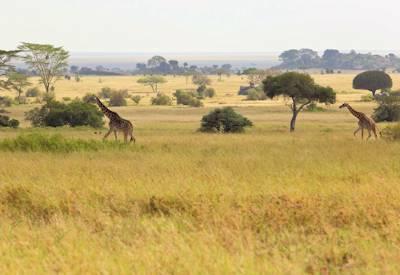
Malaria in East Africa and Africa as a whole, the disease is found in all areas, including low-lying areas, National Parks and rural regions.
The regions higher than 2000m, including Ngorongoro crater rim, Mt Kilimanjaro and parts of the Eastern Arc Mountains, are considered "low risk". Remember, Malaria kills, so always take precautions.
Visa Requirements
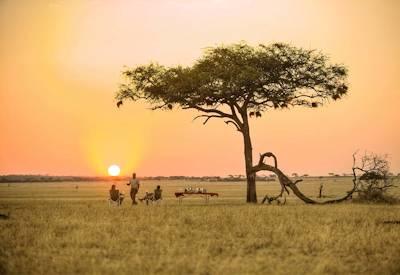
Visa requirements and tourist visas for people travelling within the country, requirements include valid passports (minimum six months), return or onward air tickets and of course sufficient funds for the duration of one's stay.
We also include a list of countries that require and do not require a visa.
Safari Planner
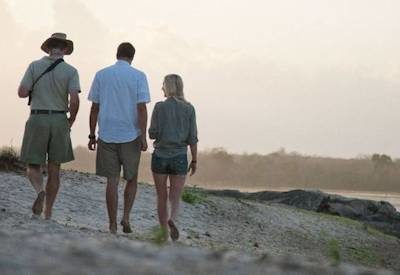
A safari planner where by just filling in an online form, we can offer you a safari package based on your wants, needs and budget.
With so many safari experiences and lodge options available in numerous National Parks and Reserves, planning an adventure can be rather daunting and time-consuming.
We know the country backwards with 22 years of travel experience and will offer the best options based on what you are after when exploring this fantastic country.
The Ultimate Guide to a Serengeti Safari

Embarking on a Serengeti safari is like stepping into a living canvas, where the beauty of nature unfolds before your eyes. "The Ultimate Guide to a Serengeti Safari" is your compass through this stunning landscape, capturing unforgettable moments. From the thunderous hooves of the Great Migration to lions basking under the Tanzanian sun, this guide immerses you in the Serengeti's essence, offering an unforgettable journey into the heart of Africa.
In this blog post, we delve deep into what makes a Serengeti safari an unparalleled adventure. We've curated essential tips, insider knowledge, and must-see destinations within this vast ecosystem to ensure your experience transcends the ordinary. Whether you're yearning for close encounters with wildlife or seeking solace in nature's grandeur, our ultimate guide is tailored to help you navigate through this iconic savannah.
10 Reasons to Visit Zanzibar

In our latest blog post, "10 Reasons to Visit Zanzibar," we delve into the myriad wonders that make this island a must-visit for travellers seeking an unforgettable experience. From its legendary powder-soft beaches to the rich historical narrative embedded within Stone Town's winding alleys, Zanzibar beckons with an allure that's hard to resist.
Beyond its scenic shores and architectural marvels, Zanzibar offers a kaleidoscope of experiences that cater to every type of adventurer. Whether you're a diving enthusiast eager to explore vibrant coral reefs, a wildlife aficionado hoping to catch a glimpse of the rare red colobus monkeys, or a culinary explorer hungry for the exotic flavours of Spice Island, there's something here for everyone.
The Best Tented Safari Camps in the Serengeti

Embarking on a safari adventure in the Serengeti transcends a mere holiday; it's an immersion into an ecosystem pulsating with life and ancient rhythms. Our latest blog post, "The Best Tented Safari Camps in the Serengeti," is your gateway to experiencing this world-renowned wildlife haven from the heart of its savannah.
We delve into the crème de la crème of tented accommodations, where luxury meets wilderness. From eco-friendly designs that respect the delicate balance of nature to sumptuous amenities that ensure your stay is nothing short of spectacular, our carefully curated selection promises an unforgettable journey.
Tanzania Family Safaris

Embarking on a family safari in Tanzania offers an unparalleled opportunity to forge unforgettable memories amidst some of the most breathtaking landscapes on Earth. The very essence of adventure is captured as you and your loved ones witness the majestic wildlife and pristine nature of Tanzania, creating a tapestry of experiences that will be cherished for a lifetime.
As you delve into this blog post titled "Tanzania Family Safaris," we invite you to explore the myriad options available for families seeking an adventure that is both thrilling and safe. Whether your family is composed of seasoned travellers or embarking on your first safari experience together, our curated guide aims to inspire and inform.
10 Reasons To Visit The Serengeti

Discover the heart of Africa with our latest blog post, "10 Reasons To Visit The Serengeti." Known for its vast plains and abundant wildlife, this iconic destination offers more than just a safari—it's a true glimpse into nature's beauty. Whether you're an adventurer, wildlife lover, or seeking tranquillity, the Serengeti promises an unforgettable experience that will leave you inspired and wanting more.
In this post, we unravel the myriad wonders that make the Serengeti not just a place to visit but a world to be experienced. From witnessing the Great Migration – one of Earth's most spectacular natural events – to immersing yourself in the rich Maasai culture, each reason presented is a doorway to understanding why this destination captures the hearts of all who wander its endless plains.
Ultimate Dar es Salaam Bucket List

Embark on an unforgettable journey through Tanzania's vibrant heart with our latest blog post, "The Ultimate Dar es Salaam Bucket List." This coastal gem is a melting pot of cultures, flavours, and histories waiting to be explored. From the bustling streets of Kariakoo Market to the serene waves of Coco Beach, Dar es Salaam offers a unique blend of urban excitement and natural beauty that captivates every traveller.
Dive deep into the rich tapestry that makes up Dar es Salaam as we take you through its historical landmarks, culinary delights, and hidden jewels. Our blog post is not just a list; it's a curated experience designed to inspire and guide you through each moment in this Tanzanian paradise.
Luxury Tented Safari Camps In Tanzania

Embarking on a safari in Tanzania is like entering a world where nature sets the rules and every moment feels alive. For those seeking adventure with luxury, Uyaphi.com presents a guide to Tanzania's finest luxury tented safari camps. This guide goes beyond showcasing beautiful accommodations—it's an invitation to experience Africa's wild beauty with unmatched comfort and elegance.
Each camp in our roundup was chosen for its luxury, location, and dedication to conservation. From waking up to golden light streaming through your canvas walls to evenings under starry skies, our blog gives you an insider's look at how these tented camps are redefining safari for discerning travellers.
10 Best Lodges in Zanzibar

Off the coast of East Africa, Zanzibar beckons with pristine beaches, rich history, and vibrant culture. This archipelago, with turquoise waters and lush landscapes, offers both tranquillity and adventure. Our guide to the 10 Best Lodges in Zanzibar will help you discover the perfect blend of luxury and island charm.
Each lodge on our list has been carefully selected to ensure an unforgettable stay, catering to every type of traveller. Whether you're yearning for a secluded beach retreat, an exploration of Swahili architecture and heritage, or simply to indulge in culinary delights sourced from the richest local produce, these lodges are poised to exceed your expectations.