


Namibia Safaris
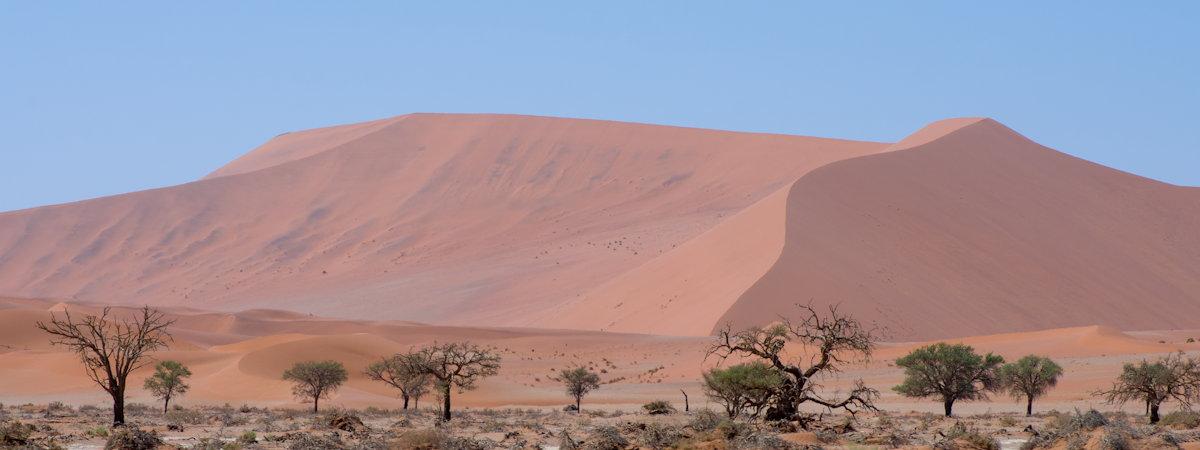
Namibia is home to incredible attractions such as Etosha National Park, where vast salt pans host a variety of wildlife, the rugged Kunene River region, the rocky terrain of Damaraland adorned with ancient rock engravings, and the lush wetlands of the Caprivi Strip. Visitors can also explore the iconic Namib Desert, considered the world's oldest desert, alongside the bustling capital city of Windhoek and the charming coastal town of Swakopmund, known for its German colonial architecture and adventure activities.
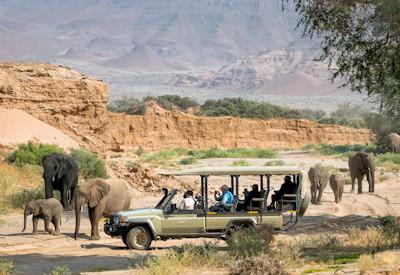
Combine these attractions into a tailor-made experience, whether through a fly-in safari offering stunning aerial views, a camping trip under the star-strewn skies, or an adventurous self-drive safari. Namibia promises an unforgettable journey, providing a safari of a lifetime for every type of traveller.
Namibia Lodges
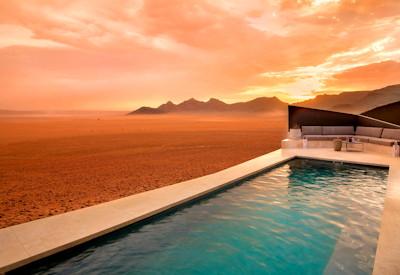
Our carefully curated portfolio of safari lodges, luxurious tented camps, and intimate boutique hotels is extensive, ensuring we can perfectly match your specific budget and exceed your expectations for comfort and experience. Each accommodation is selected for its quality, location, and commitment to providing an unforgettable stay.
Our specialized Namibia safari consultants are experts in crafting bespoke and utterly unique itineraries, designed specifically to match your dreams and desires. Imagine exploring the prolific game viewing areas of Etosha National Park, renowned for its vast salt pan and incredible wildlife, or discovering the ancient landscapes and desert-adapted wildlife of Damaraland.
Namibia Showcase
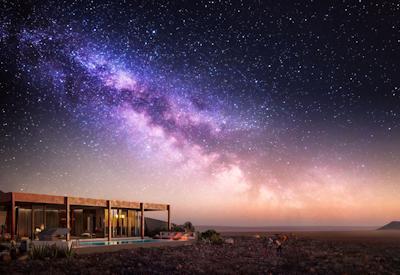
A few pages in which we proudly showcase all that makes Namibia truly one of the most fantastic and unique safari destinations in all of Africa. From its dramatic desert landscapes and ancient geological wonders to its abundant and resilient wildlife, Namibia offers an unparalleled adventure for every type of traveller.
It is within these pages that you will discover invaluable insights: what lodges and safaris are perfectly tailored for families or honeymooners seeking a romantic escape, which exclusive accommodations offer the most luxurious and remote experiences, and even the premier destinations where you can reliably spot and photograph magnificent rhinos or elusive desert-adapted lions.Namibia Photo Gallery
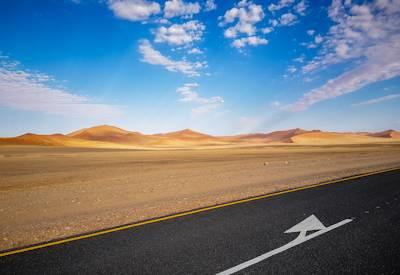
Step into our spectacular photographic gallery, a truly astonishing collection showcasing over 19 incredible years of our journeys across the majestically photogenic country of Namibia. Each image and video has been carefully selected to represent a moment in time, a unique story from our extensive travels, experiences and safaris.
These images capture the very essence of this extraordinary land, from the breathtaking, iconic highlights of the Namib Desert's towering red dunes and the unparalleled, otherworldly beauty of Sossusvlei and the deep chasm of Sesriem Canyon, to the truly unforgettable wildlife spectacles of Etosha National Park, where elephants, lions, and rhinos gather around vital waterholes.
Namibia Lodges Visited
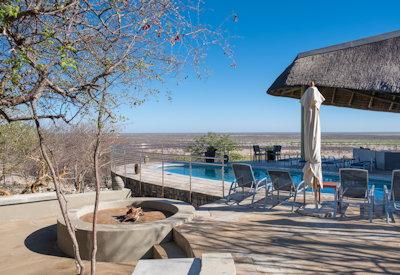
Namibia lodges, camps, guesthouses, and hotels visited by the team at Uyaphi.com are showcased here, complete with our personal images and honest thoughts (reviews) on each establishment from our unique perspective. Whether it’s a remote camp in the desert or a luxury lodge overlooking breathtaking landscapes, we aim to give you an authentic sense of what to expect.
This is more than just a collection of reviews; it’s a personal journey into travel photography. With cameras in hand, we capture the essence of each destination, blending our experiences with a touch of artistic flair (or at least our best attempts!). From the cozy interiors to the stunning surroundings, we share it all to help inspire your next adventure in Namibia.
Best Namibia Attractions
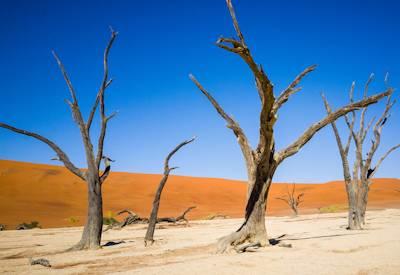
Namibia boasts an incredible array of attractions and destinations, spanning diverse landscapes from vast deserts and arid semi-deserts to lush bushveld environments. These unique ecosystems offer unparalleled opportunities for excellent wildlife and birdlife sightings, particularly in the northern regions and the verdant Caprivi Strip, where rivers sustain a rich biodiversity.
Beyond its natural wonders, Namibia also offers a profound cultural experience. Visitors can delve into the daily lives and traditions of the indigenous Damara, Nama, San, Himba, and Herero people through educational options, gaining a deeper understanding of their history, customs, and resilience in this remarkable land.
Getting To Namibia
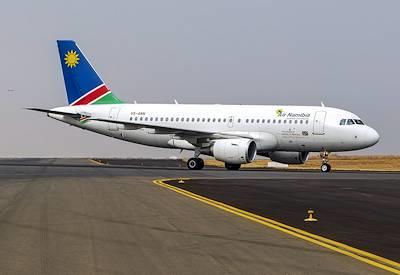
Reaching Namibia is harder for international travellers than popular spots like South Africa due to limited direct flights. Only about seven international airlines fly direct to Windhoek's Hosea Kutako International Airport. This means fewer convenient routes, longer travel times, and higher costs for distant travelers. Limited connectivity often means layovers, complicating trips.
While it's a geographically vast country, Namibia has a relatively small population, which means it doesn't necessitate the extensive aviation infrastructure or frequent flight schedules that more densely populated African nations do. This combination of factors can make planning your journey a bit more involved, often requiring connecting flights through other regional hubs.
Getting Around Namibia
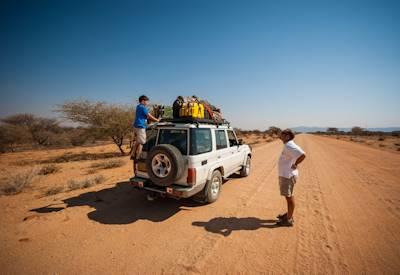
Navigating and transversing Namibia is remarkably effortless, a true testament to its exceptional infrastructure. Picture this: a network of truly superb roads, both tarred and meticulously maintained dirt tracks, seamlessly connecting every captivating destination, iconic attraction, and vibrant town across the land.
Coupled with numerous strategically placed small airports, ensuring swift and convenient travel, all within the embrace of one of Africa's safest and most welcoming nations. The ease of travel here is a standout feature, allowing visitors to immerse themselves fully in every incredible experience Namibia offers, from thrilling adventures to serene escapes.
Namibia Safari Planner
Finding the perfect safari in Namibia can feel like an overwhelming task, but that’s where we come in. With just a simple form, we take on the challenge of uncovering your dream safari—tailored precisely to your desires and expectations. Our approach is designed to ensure you experience the ultimate adventure, seamlessly matched to your budget, interests, and unique preferences.
Whether you’re seeking breathtaking landscapes, intimate wildlife encounters, or luxurious lodges, we specialize in curating safaris that deliver unforgettable memories. It’s more than just a trip—it’s a personalized journey, crafted with care and expertise to turn your vision into reality. Let us handle the details while you prepare for an incredible experience in Namibia’s awe-inspiring wilderness.
When To Visit Namibia
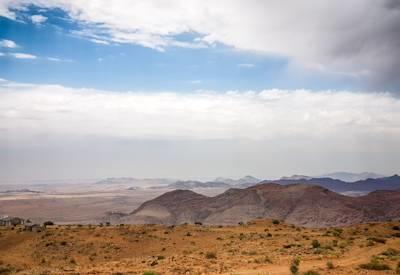
When is the perfect time to embark on a safari in Namibia? What kind of weather awaits you in the charming coastal town of Swakopmund in July? Questions like these often arise, and it’s easy to see why—Namibia’s diverse landscapes and unique climate make it a destination that deserves thoughtful planning.
To make your trip planning effortless, we’ve created a comprehensive "When to Visit" guide. It’s packed with detailed insights, answering all your questions about Namibia's seasons and helping you pick the ideal time to soak in its vast, unspoiled beauty. From golden dunes bathed in sunlight to cooler coastal breezes, Namibia offers something spectacular year-round. Let us help you capture it at its very best!
Namibia Distance Table
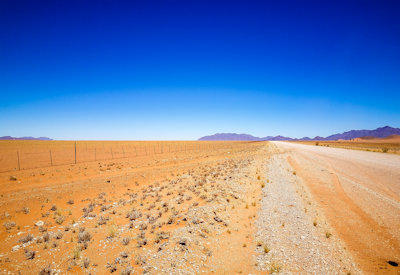
For those of you at the exciting planning stage of a spectacular guided or self-drive safari through Namibia, this distance guide is absolutely essential. Below you will find a remarkably helpful distance table, meticulously crafted in kilometres, featuring all the main cities and towns you'll encounter near Namibia's most breathtaking attractions.
Understanding the distances and road types between destinations is crucial for planning a smooth trip. Knowing how far apart places are helps with scheduling, while awareness of road conditions, from country lanes to highways, prepares you for a more enjoyable journey. This detail lets you focus on the adventure, avoiding unexpected challenges.
Namibia Visa Requirements
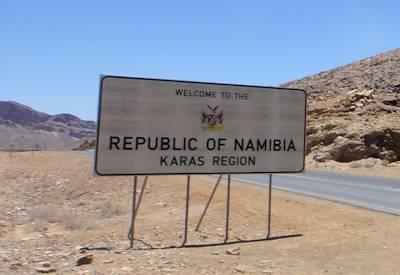
To ensure a truly seamless entry into the magnificent landscapes of Namibia, every visitor must possess a passport of exceptional validity, ensuring it remains current for at least six months beyond your intended departure. This crucial document permits an extraordinary maximum stay of 90 days, allowing ample time to immerse yourself in all Namibia has to offer.
It is also of paramount importance that visitors arrive with definitive outgoing travel documents and possess sufficient financial resources. This foresight guarantees you can fully embrace your Namibian experience, from its breathtaking vistas to its unparalleled wildlife encounters, all without a single worry.
Namibia Map
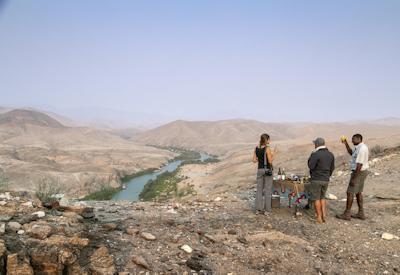
Our interactive Google Map highlights luxurious lodges, charming camps, and hotels across Namibia's iconic safari destinations. Explore Etosha, Damaraland, the Namib Desert, and vibrant Swakopmund. Windhoek, Namibia's capital, is also included for a seamless journey.
Namibia is one of Africa's most enchanting destinations, known for its stunning desert landscapes and extraordinary wildlife. From the otherworldly dunes of Namib Naukluft to Etosha's diverse ecosystems, every corner offers an unforgettable experience. It's more than a trip; it's a journey into Africa's soul, where natural beauty leaves a lasting sense of awe.
Malaria In Namibia
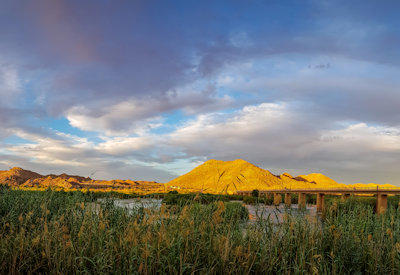
For those planning an unforgettable journey to Namibia, it is absolutely essential to be precisely informed about the localized malaria risk. This critical health consideration is, without question, exclusively isolated to the country's spectacular northern territories and, specifically, the verdant Caprivi Strip – now recognized as the Zambezi region.
It is of paramount importance to treat this disease with the utmost seriousness. We cannot overstate the necessity of always consulting a trusted health professional for personalized, expert advice on the optimal prophylaxis to guarantee your wellbeing throughout your safari adventure.
10 Reasons To Visit The Namib Desert

Located in Southern Africa, the Namib Desert is one of the oldest and most majestic deserts on Earth, perfect for travelers seeking adventure, peace, and a connection with nature. With vast sand dunes stretching endlessly, its surreal landscapes must be seen to be believed.
The Namib Desert is not just a destination; it's a journey into an ancient world that has remained largely unchanged for millions of years. From the awe-inspiring beauty of its endless dunes to the unique ecosystems that have adapted to thrive in this harsh environment, there are countless reasons why this stunning desert should be at the top of your travel bucket list.
Namibia National Parks

Namibia, a country of stark beauty and contrasting landscapes, is home to some of the most breathtaking national parks in the world. Each park offers a unique window into the heart of Africa's wilderness, where the drama of survival plays out against backdrops ranging from towering sand dunes to dense woodlands.
This blog explores Namibia's top national parks, offering adventure, wildlife, and endless exploration. Whether you're a birdwatcher, wildlife lover, or nature enthusiast, these parks have something for everyone.
10 Reasons To Visit Etosha National Park

This blog highlights "10 Reasons to Visit Etosha National Park" and why it deserves a spot on every traveller's bucket list. Located in Namibia, Etosha is a stunning haven for wildlife, home to elephants, rhinos, lions, leopards, and cheetahs.
Beyond its famed inhabitants, Etosha captivates visitors with its unique landscapes that stretch across 22,270 square kilometres. From the shimmering expanse of the Etosha Pan to the dense mopane woodlands and savannah grasslands teeming with life after the rains, this park offers a mosaic of ecosystems waiting to be explored.
5 Best Lodges In The Namib Desert

Nestled in the heart of Southern Africa, the Namib Desert is a mesmerising landscape of endless dunes, stark beauty, and unparalleled tranquillity. It's a place where time seems to stand still, offering travellers a chance to disconnect from the hustle and bustle of modern life and reconnect with nature in its most primal form.
Our latest blog takes you through the five best lodges in this ancient desert, offering more than just accommodation. Each lodge is chosen to complement the natural beauty and serenity of the area, blending comfort with a wild Namib Desert adventure.
Best Namibia Honeymoon Destinations

Namibia, with its vast and mesmerizing landscapes, is the perfect destination for a romantic honeymoon. From the sweeping sand dunes of the Namib Desert to the wildlife-rich plains of Etosha National Park, this African gem offers an unparalleled blend of adventure and luxury.
Whether you're soaring above the desert in a hot air balloon or relaxing in a luxurious lodge under a starry night sky, Namibia promises an unforgettable experience. Discover the best Namibia honeymoon destinations and embark on a journey filled with stunning landscapes, magnificent wildlife, and cherished memories.
10 Must-See Attractions In Namib Desert

The Namib Desert, one of the world's oldest deserts in southern Africa, is a stunning expanse of sand dunes and stark landscapes. Known for its beauty and unique natural wonders, it invites travellers to discover its wildlife, ancient geology, and cultural heritage.
From the towering red dunes of Sossusvlei to the ghost towns of Kolmanskop, the Namib Desert offers a one-of-a-kind adventure. From the rugged Skeleton Coast to the wildlife of Etosha National Park, this desert guarantees unforgettable experiences for every explorer.
Best Namibia Safari Itinerary

Embark on an unforgettable journey through Namibia, a land of striking contrasts and breathtaking beauty. Our suggested Namibia safari itinerary takes you on a 10-day adventure across this diverse country, showcasing its iconic landscapes, rich wildlife, and vibrant cultures.
From the towering sand dunes of Sossusvlei to the wildlife of Etosha and the charm of Swakopmund, this itinerary offers an immersive experience of Namibia's natural wonders. Whether planning a self-drive road trip or a luxurious fly-in safari, this blog helps you capture the essence of Namibia and make your safari dream a reality.
10 Best Lodges in Namibia

As you plan your 2025 adventure, Namibia stands out as a destination offering unparalleled natural beauty and luxury. Our curated list of the 10 best lodges in Namibia promises not only exceptional comfort but also unforgettable experiences.
Each lodge is chosen for its unique charm, luxurious amenities, and commitment to sustainability, ensuring your stay is both enriching and indulgent. Whether you're after thrilling safaris, serene landscapes or a deep connection with nature, these lodges will make your Namibian journey extraordinary.