

Etosha National Park
Discover the Wonders of Etosha National Park: Namibia's Premier Wildlife Destination
Without a doubt, Namibia's Etosha National Park is the most popular and exceptional wildlife destination in the country. Visitors can expect spectacular wildlife and birdlife sightings year-round. With the vast, shimmering Etosha Pan as a dramatic backdrop, your wildlife photographs are guaranteed to be simply amazing.
For a truly unforgettable journey, Etosha is ideally paired with the breathtaking landscapes of the Namib Desert and the coastal charm of Swakopmund. It can even be seamlessly combined with a safari to the pristine wilderness of Botswana and the magnificent Victoria Falls.
While Etosha offers basic accommodation within the park itself, our personal opinion is that the private reserves situated just outside the park's boundaries are a far better option. These exclusive reserves provide some of the most luxurious offerings available, ensuring your stay is as comfortable as it is wild.
Etosha National Park Facts
- Size: 22 270 km²
- When to visit the park: May - September (game viewing), November - March (bird watching)
- Rainfall: approx. 358mm per annum during the rainy season (January - March)
- Altitude: 1000m above sea level
- Location: Northern Namibia
- Accommodation: Etosha Lodges
Information On Etosha National Park
The Etosha National Park is a major wildlife sanctuary and is one of Southern Africa's finest and most important Game Reserves. Meaning a 'great white place' is dominated by a massive silvery-white hollow mineral pan, the Etosha Pan and surrounded by grasslands and bush. The pan is part of the Kalahari Basin, the floor of which was formed around 1000 million years ago and covers around 25% of the National Park. It is a large dusty depression of salt and dusty clay that fills only if the rains are heavy and even then only holds water for a short time. The pan attracts large concentrations of wildlife and an amazing array of birdlife.
A San legend about the Etosha Pan formation tells of how a village was raided and everyone but the women slaughtered. One woman was so upset about her family's death she cried until her tears formed a massive lake. When the lake dried up, nothing was left apart from a huge white pan. The park is open to visitors throughout the year and is one of the first places on any itinerary designed for a holiday in Namibia.
The area is home to Black and White rhino, elephant, lion, leopard, spotted and brown hyena, bat-eared fox, cheetah, both Burchell's and Hartmann's zebra, the endemic black-faced impala, blue wildebeest, the endemic Damara dik-dik, eland, gemsbok, giraffe, kudu, red hartebeest, dainty springbok and yellow-tailed mongoose.
Nearly 400 bird species have been recorded, including eagles, hawks, other raptors, black korhaans, ostrich, blue cranes, flamingos and pelicans, incredible clouds of quelea and flocks of doves and Namaqua sandgrouse.
Where is Etosha National Park located?
Etosha National Park is located in Namibia's far northern region and is easily accessible from Windhoek within a days drive.
- Etosha National Park to Windhoek = 415km
- Etosha National Park to Sesriem = 717km
- Etosha National Park to Swakopmund = 492km
- Etosha National Park to Opuwo = 439km
- Etosha National Park to Rundu = 415km
To see the exact location of Etosha by means of a Google map, click the following link: Google Map - Etosha National Park
Best Time to Visit Etosha National Park?
Year-round is the simple answer; Winter is obviously the best time as the days are cooler and there is little to no rainfall. The summer months are hot and wet, and this results in the wildlife going deeper into the surrounding bushveld. Summer is not bad, but winter is definitely better for wildlife sightings and photography.
We at Uyaphi do prefer the winter/drier months as the wildlife is more visible and easier to find.
Main Attractions Of Etosha National Park
- Wildlife congregate at waterholes
- in summer, extensive flocks of flamingos, pelicans and excellent birdlife
- Mirages formed by the heat reflecting off the salt pans
- Lions and cheetahs
- rhino sightings
- Elephants dusted in white powder
- A fantastic self-drive safari route
Travel To Namibia Now
Map of Lodges in and around Namibia
Namibia Travel Topics
5 Best Lodges in Etosha National Park
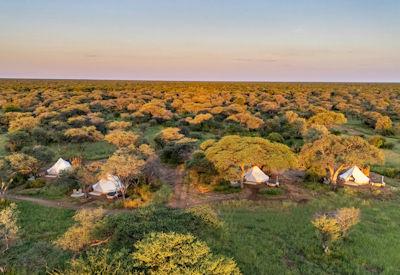
Etosha's finest lodges sit just outside the park, on the private reserves fringing its eastern and southern boundaries. This guide covers our six favourites — from ultra-luxurious Onguma Camp Kala and exclusive Little Ongava to the value-led Etosha Oberland Lodge — with accommodation, activities and who each suits, plus sample combinations, how many nights to plan and a practical FAQ. Every property is one we use personally, and our Namibia specialists can build any into a tailor-made safari.

10 Reasons To Visit The Namib Desert
Located in Southern Africa, the Namib Desert is one of the oldest and most majestic deserts on Earth, perfect for travelers seeking adventure, peace, and a connection with nature. With vast sand dunes stretching endlessly, its surreal landscapes must be seen to be believed. The Namib Desert is not just a destination; it's a journey into an ancient world that has remained largely unchanged for millions of years. From the awe-inspiring beauty of its endless dunes to the unique ecosystems that have adapted to thrive in this harsh environment, there are countless reasons why this stunning desert should be at the top of your travel bucket list.

Namibia National Parks
Namibia, a country of stark beauty and contrasting landscapes, is home to some of the most breathtaking national parks in the world. Each park offers a unique window into the heart of Africa's wilderness, where the drama of survival plays out against backdrops ranging from towering sand dunes to dense woodlands. This blog explores Namibia's top national parks, offering adventure, wildlife, and endless exploration. Whether you're a birdwatcher, wildlife lover, or nature enthusiast, these parks have something for everyone.

10 Reasons To Visit Etosha National Park
This blog highlights "10 Reasons to Visit Etosha National Park" and why it deserves a spot on every traveller's bucket list. Located in Namibia, Etosha is a stunning haven for wildlife, home to elephants, rhinos, lions, leopards, and cheetahs. Beyond its famed inhabitants, Etosha captivates visitors with its unique landscapes that stretch across 22,270 square kilometres. From the shimmering expanse of the Etosha Pan to the dense mopane woodlands and savannah grasslands teeming with life after the rains, this park offers a mosaic of ecosystems waiting to be explored.

5 Best Lodges In The Namib Desert
Nestled in the heart of Southern Africa, the Namib Desert is a mesmerising landscape of endless dunes, stark beauty, and unparalleled tranquillity. It's a place where time seems to stand still, offering travellers a chance to disconnect from the hustle and bustle of modern life and reconnect with nature in its most primal form. Our latest blog takes you through the five best lodges in this ancient desert, offering more than just accommodation. Each lodge is chosen to complement the natural beauty and serenity of the area, blending comfort with a wild Namib Desert adventure.

Best Namibia Honeymoon Destinations
Namibia, with its vast and mesmerizing landscapes, is the perfect destination for a romantic honeymoon. From the sweeping sand dunes of the Namib Desert to the wildlife-rich plains of Etosha National Park, this African gem offers an unparalleled blend of adventure and luxury. Whether you're soaring above the desert in a hot air balloon or relaxing in a luxurious lodge under a starry night sky, Namibia promises an unforgettable experience. Discover the best Namibia honeymoon destinations and embark on a journey filled with stunning landscapes, magnificent wildlife, and cherished memories.

10 Must-See Attractions In Namib Desert
The Namib Desert, one of the world's oldest deserts in southern Africa, is a stunning expanse of sand dunes and stark landscapes. Known for its beauty and unique natural wonders, it invites travellers to discover its wildlife, ancient geology, and cultural heritage. From the towering red dunes of Sossusvlei to the ghost towns of Kolmanskop, the Namib Desert offers a one-of-a-kind adventure. From the rugged Skeleton Coast to the wildlife of Etosha National Park, this desert guarantees unforgettable experiences for every explorer.

Best Namibia Safari Itinerary
Embark on an unforgettable journey through Namibia, a land of striking contrasts and breathtaking beauty. Our suggested Namibia safari itinerary takes you on a 10-day adventure across this diverse country, showcasing its iconic landscapes, rich wildlife, and vibrant cultures. From the towering sand dunes of Sossusvlei to the wildlife of Etosha and the charm of Swakopmund, this itinerary offers an immersive experience of Namibia's natural wonders. Whether planning a self-drive road trip or a luxurious fly-in safari, this blog helps you capture the essence of Namibia and make your safari dream a reality.