
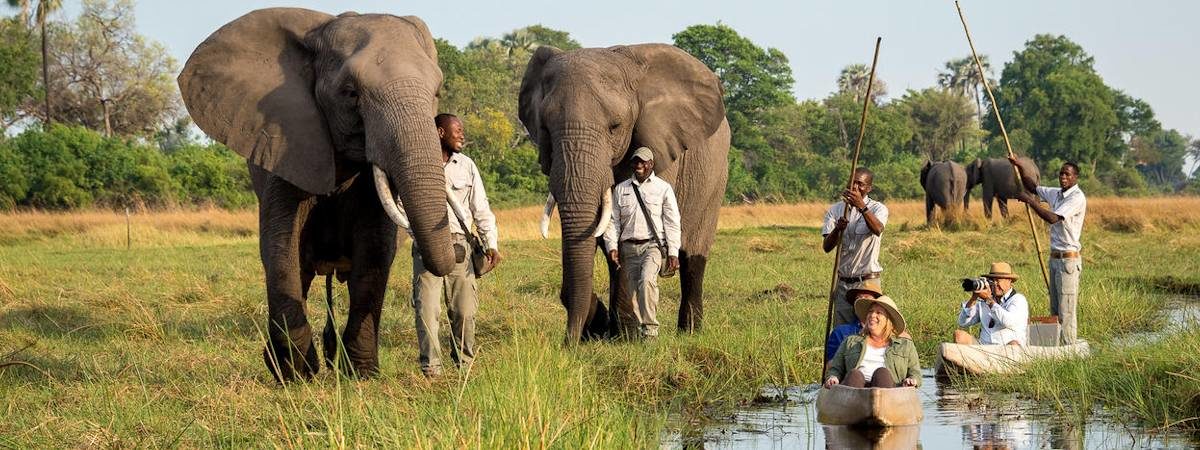


Botswana Lodges
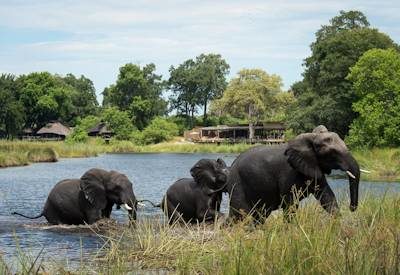
Our portfolio of hand-picked lodges in Botswana covers just about every destination the country offers. Travel destinations that we offer are as follows; Okavango Delta, Moremi, Chobe National Park, Makgadikgadi Salt Pans, Central Kalahari, and lodges in the Linyanti and Savute regions.
A selection of safari lodges and tented camps suitable for single travellers, couples, honeymooners, romantics, and families.
When it comes to accommodation, guests can choose from a wide variety of options and safari destinations.
Botswana Safaris
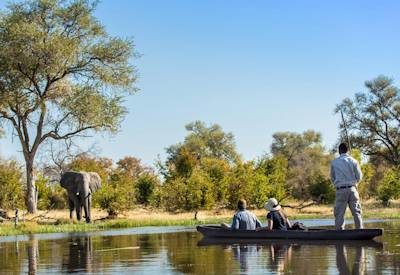
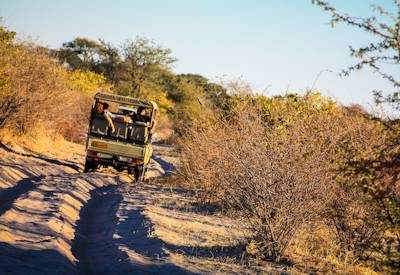
We offer various styles of safaris in Botswana, from budget to camping to mobile to luxury tented and fly-in safaris. Each type of safari has its advantages, designed to suit your needs, requirements, and budget.
Allow us at Uyaphi.com to guide you through the fantastic land wildlife and game viewing destination. Scheduled and tailor-made safari packages to all of the country's famous wildlife national parks and game reserves.
Whether you are looking for a thrilling adventure, or a relaxing and rejuvenating getaway, Africa is the perfect destination.
Botswana Showcase
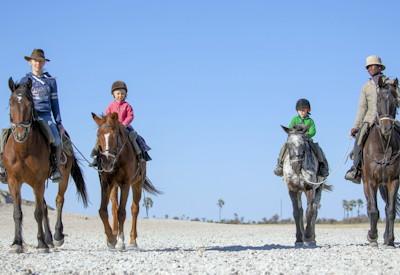
A travel guide in showcasing the very best that the country as a safari destination has to offer, from options suited for either families or honeymooners, those on a budget and those looking for the utmost in luxury all the way through to the most remote, the best baths and establishments that offer spa and wellness.
One of the best things about Botswana as a travel destination is its diversity – there really is something to suit everyone.
Whether you're looking for a luxurious escape, an adventure-filled trip or a more budget-friendly option, remember Africa has it all and more.
Best Botswana Attractions
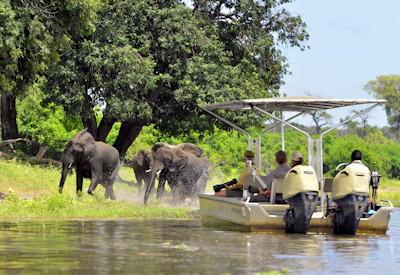
Information and attractions on the Okavango Delta, the Moremi Game Reserve, Chobe National Park (including Savuti, Linyanti and the Chobe River), the Central Kalahari Game Reserve and the Mashatu / Tuli block region.
For those of us interested in photography, wildlife, birdlife, scenery, culture, or just escaping the modern world.
Botswana has to be at the top of the list, no matter one's budget or expectations.
Botswana Photo Gallery
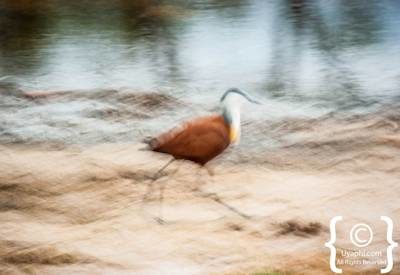
Botswana photo gallery, just a few of the photographs that we as a team have taken within the country on our numerous safaris over the years.
Images of scenery, wildlife, birdlife and landscapes of this famed safari destination, including the Okavango, Chobe and Central Kalahari. Our photo gallery is ever-growing, and we are constantly adding new images as we explore this wonderful country.
Thank you for taking the time to visit our site, and we hope that you will come back soon to see our new photos and images.
Botswana Mammal List
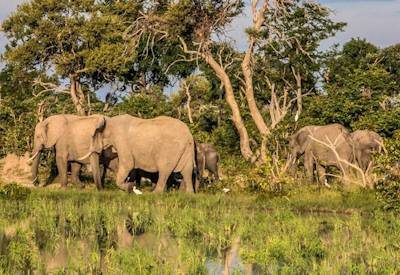
The list of mammals found in Botswana is simply quite amazing considering that up to 70% of the country is covered by the Kalahari desert. With 164 mammal species having been recorded, ranging from the huge African elephant all the way down to the small elephant shrew.
Some of the most popular and easily spotted mammals include; lions, leopards, rhinos, hippos, giraffes, zebra, and several antelope species.
However, many of the smaller and more elusive mammal species are just as interesting and important to the overall ecosystem.
Botswana Bird List
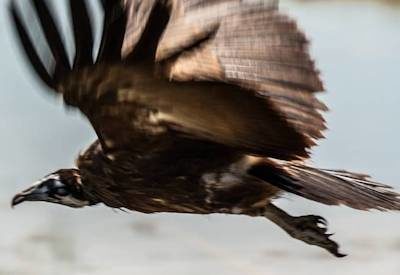
Botswana offers visitors with an interest in birding a total of 593 species of feathered delights. Obviously, depending on the season of travel, this number will differ, with summer being the best season for bird watchers.
One of the top birding destinations in Africa and features many different ecosystems, from the Kalahari to the Okavango Delta.
This variety means that there is a diverse range of birds to be spotted, including many rare and endangered species.
Botswana Safari Planner
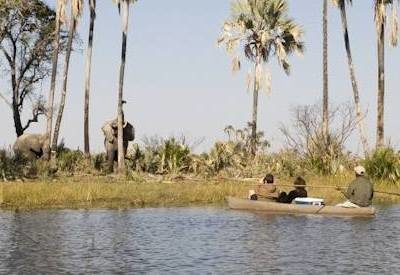
Our Botswana travel planner page is an extensive and detailed form that allows you to describe precisely what you are looking to get out of your stay in the country.
Areas and regions you would like to visit, your budget restraints or lack thereof, safari activities you would like to participate in, the style of safari you would prefer, and the type of accommodation that suits you best.
Here on this page, your tailor-made (or scheduled) Botswana safari starts to take shape, and together we will create that safari itinerary of your dreams.
Getting To Botswana
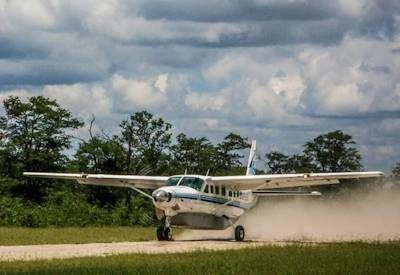
The best way to get to Botswana really depends on where you are coming from. There are a few different ways that you can get into the country, and each has its own advantages and disadvantages.
If you are coming from Johannesburg, Cape Town, or Windhoek, the easiest and fastest way to get into the country is by taking a connecting flight to Maun (where most safaris start).
If you are coming from Livingstone or Victoria Falls, the easiest and cheapest way is by taking a road safari vehicle to the town of Kasane, 80 kilometres away.
When To Visit Botswana
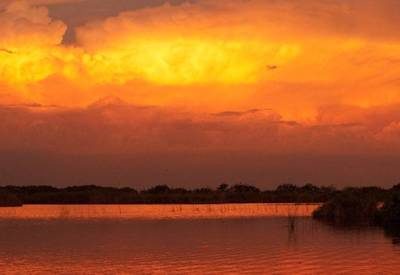
When is the best time to visit Botswana, a question that is easy and difficult to answer all in the same breath? Basically, it all depends on you and your expectations, your interests, your budget and what you want to experience.
However, we do have a few suggestions. The best time to visit Botswana for game viewing is during the dry season, between May and October.
This is when animals are forced to congregate around waterholes, making them easier to spot.
Botswana Visa Requirements
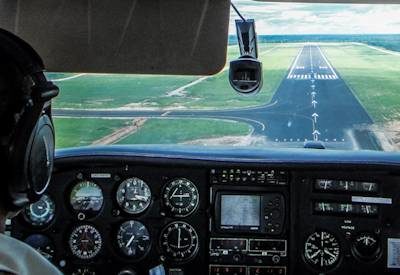
Except for individuals holding United Nations Convention travel documents, all tourists to Botswana must have a passport that is valid for at least six months.
Visitors must also have return tickets and enough money to sustain their stay. Tourists are allowed to stay in the country for up to 90 days. Visas must be obtained before arrival and can be obtained from Botswana embassies and consulates abroad.
Looking to see if you need a Visa, then this is the page for you to look at.
Botswana Distance Table
Mainly for those interested in self-drive safari options in Botswana, but also for those who are just interested in the distances between destinations in and around Botswana.
An ideal point of reference for those participating in a self-drive safari or tyring to figure out general driving times or flying times when planning one's safari in Africa.
Botswana Map
A map of Botswana featuring all the safari lodges and camps that we offer on Uyaphi.com. The map is created with the help of Google Maps. As we add and rename accommodation establishments to our website, we always add new properties to this map for your reference.
We hope you find this map of Botswana useful when planning your safari accommodation.
If you have any questions, please don't hesitate to contact us via our safari planner on this page.
Malaria In Botswana
Malaria In Botswana is only found in the northern half of the country with the disease peaking over the summer months (November through to June). As always we advise one visits a doctor or travel clinic for anti-malaria medication, no matter the time of year.
Malaria can be contracted through a single mosquito bite, which is why it’s important to take precautions against becoming infected.
These include wearing long-sleeved shirts and pants, using mosquito nets and mosquito repellent, and avoiding areas with standing water.
10 Reasons To Visit Botswana

Botswana stands as a beacon of conservation and unparalleled natural beauty, offering a sanctuary for those seeking an authentic African safari experience. With over a third of its territory dedicated to conservation areas, this country promises an extraordinary journey through some of the most pristine landscapes on the continent.
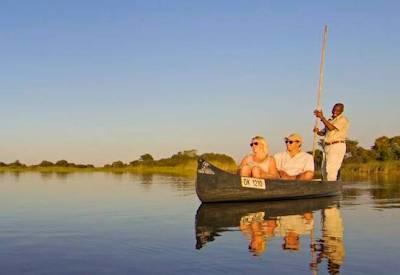
Whether you're drawn by the allure of majestic wildlife, including the iconic "Big Five" and the elusive African wild dogs, or enchanted by the idea of drifting along serene waterways in a traditional mokoro canoe, Botswana caters to all. Its unique approach to tourism combines luxury with adventure, making it perfect for everything from romantic honeymoons to action-packed family safaris.
Best Botswana Safari Lodges

Botswana's safari lodges are renowned for their commitment to conservation and sustainable tourism, offering guests a unique opportunity to connect with nature in an ethical and impactful way. From the floodplains of the Okavango Delta to the stark beauty of the Kalahari Desert, each lodge offers a distinct window into the wild heart of Botswana.
Our latest blog, "Best Botswana Safari Lodges," is your gateway to discovering the crème de la crème of accommodations in this spectacular country. Whether you're dreaming of waking up to the sounds of nature in a lavish tented camp or sipping sundowners overlooking a bustling waterhole, our carefully curated selection will guide you towards creating an unforgettable adventure.
Botswana Chobe National Park

Embarking on a safari adventure in Botswana’s Chobe National Park is akin to stepping into the pages of a spellbinding nature diary, where the wild heart of Africa beats in harmonious rhythm with the untouched beauty of its landscape. As one of the continent's most celebrated wildlife sanctuaries, Chobe National Park offers an unrivalled glimpse into the lives of some of the planet’s most awe-inspiring animals.
Planning a visit to Chobe National Park requires thoughtful consideration to fully embrace what many consider a once-in-a-lifetime experience. From pinpointing the best time during the dry season (May to November) for optimal wildlife viewing, to deciding between the unique vantage point of river safaris or traditional game drives, each choice shapes your adventure into an unforgettable journey.
The Perfect Okavango Delta Honeymoon Safari

Newlyweds often look for destinations that combine romance, adventure, and tranquility. The Okavango Delta in Botswana stands out as a unique honeymoon choice, offering an experience beyond the usual tropical island or beach getaway.
Our latest blog post, "The Perfect Okavango Delta Honeymoon Safari," guides couples through Botswana's enchanting wilderness for a breathtaking, unforgettable start to married life. The Okavango Delta offers a sanctuary for both wildlife and couples seeking peace and adventure in nature.
10 Reasons To Visit The Savuti

Our latest blog post on Uyaphi.com, "10 Reasons to Visit Savuti," aims to unfold the layers of this mesmerising destination, revealing why it stands out as a beacon for those seeking an authentic safari experience. From its legendary wildlife encounters to its breathtaking landscapes, Savuti is not just a destination; it's a journey into the heart of the wild.
As we delve into the myriad reasons that make Savuti an unparalleled choice for explorers around the globe, our guide illuminates aspects that go beyond typical safari expectations. This region's uniqueness lies not only in its ecological wonders but also in its ability to connect visitors with nature on a profound level.
5 Best Lodges In The Chobe National Park

Located in the heart of Botswana's famed and wild Chobe National Park is a must-visit for wildlife lovers and adventurers. Known for its incredible biodiversity and iconic elephant herds, this destination offers more than just a glimpse of Africa's beauty.
It invites travellers to stay at its stunning lodges. Our latest Botswana travel blog, "5 Best Lodges In Chobe National Park," highlights luxurious stays where comfort meets wilderness for an unforgettable trip into Botswana’s wild heart.
How Much Does It Cost to Go on a Safari in Botswana?

A safari in Botswana feels like stepping into an epic adventure with untouched landscapes and free-roaming wildlife. From the waterways of the Okavango Delta to the vast Kalahari Desert, this African gem offers unforgettable experiences. But before grabbing your binoculars to see Africa's majestic wildlife, one question remains: How much does a safari in Botswana cost?
Our latest blog offers a complete guide to planning a Botswana safari without breaking the bank. Whether you’re dreaming of luxury lodges or rustic campsites, we break down the costs of each option. From daily rates and conservation fees to unexpected expenses and smart saving tips, our guide helps you budget as smoothly as navigating the winding Delta channels.
10 Best Lodges In Okavango Delta

Welcome to the wild heart of luxury, where the roar of a lion is your morning alarm, and an elephant sighting is just another day at the "office". Dive into our latest escapade as we unveil the "10 Best Lodges in the Okavango Delta" – a journey where untamed wilderness meets unparalleled comfort.
If you're itching for an adventure that marries the thrill of the wild with the lap of luxury, you've just struck gold. Buckle up, adventurers and luxury seekers alike; you're in for a spectacular safari sojourn that promises more than just a walk on the wild side!