

Chobe National Park
Experience And Photograph The Wildlife In Botswana's Chobe Park
A massive national park located in the north of Botswana offers visitors three world-famous wildlife destinations all located within the park, namely, the Chobe River, the Savuti Marsh and the Linyanti Swamps. These three very distinct regions offer an abundance of wildlife in a truly African setting.
The Chobe River is home to large numbers of elephants, hippos and other wildlife. The Savuti Marsh is well-known for its predators, while the Linyanti Marsh are a haven for birdlife. No matter what your interests are, Chobe National Park is sure to have something for everyone.
There are few destinations on the continent for safaris and wildlife photography that can match what the Chobe has to offer.
The Chobe National Park is located in the north of Botswana and is bordered by Namibia to the north and west, Zambia to the north-east and Zimbabwe and Botswana's Caprivi Strip to the east. The Chobe River flows along the northern boundary of the park and forms a natural boundary between Botswana and Namibia.
The park covers an area of 11,700 square kilometres and consists of floodplains, woodlands, wetlands and dry forests.
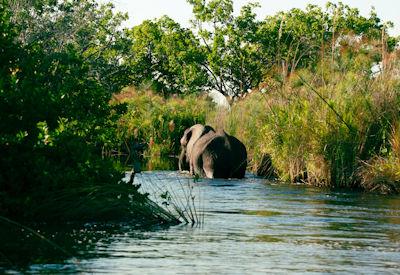
The Chobe National Park is home to one of the largest concentrations of African elephants in the world. It is estimated that there is an elephant population of over 120,000 individuals in the national park. Other wildlife includes lions, leopards, buffalo, zebra, antelope and many more.
An important safari aspect that is always forgotten is that Victoria Falls is a mere 80 kilometres away from the northern town of Kasane. Making it possible for the inclusion of Victoria Falls (Zambia or Zimbabwe) in any and all safari trip itineraries.
Combine with a safari to the Okavango Delta, Moremi Game Reserve, Central Kalahari Game Reserve and Victoria Falls for the best game viewing and game drives when in Botswana
Chobe National Park Facts
- Size: 11 700km²
- When to visit the park: Winter months are the preferred safari months
- Climate: Winter months are dry, and temperatures are hot to mild; summer months are wet with temperatures hot to very hot
- Rainfall: 600mm per annum varying
- Altitude: 930m - 1000m above sea level
- Location: northeastern Botswana, Chobe River forms the northern border
- Safari Lodge Accommodation: Lodges In The Chobe Park or Lodges In The Savute
Where is the Chobe National Park located?
Chobe National Park is located in the far northeastern region of Botswana, with the Chobe River forming its northern border with Namibia. The National Park covers an area of 11 700km², making it one of Africa's largest national parks. East and northeast of the Okavango Delta and Moremi Game Reserve while being north of Maun and directly west of Kasane. If that is starting to get confusing, have a look at the below map link.
To view the Chobe National Parks location on a Map, click here: Here Maps - Chobe National Park
Getting into the Chobe National Park is either by road-going safari vehicles or a light aircraft transfer from either Kasane airport or Maun airport.
Information On The Chobe National Park
Chobe is unique with its abundance of wildlife and true African nature, offering a safari experience of a lifetime. The Chobe National Park, which is the second-largest national park in Botswana, has one of the greatest concentrations of game found on the African continent.
The Chobe National Park is divided into four distinctly different ecosystems:
- Serondela (or Chobe River), with its lush plains and dense forests
- The Savuti Marsh in the west
- The Linyanti Swamps in the northwest
- And the hinterland, the area that lies between Savuti and the Linyanti
A wide variety of wildlife is found along the Chobe River, ranging from hippopotamus, crocodile, otter, elephants, buffalo, giraffe, zebra and of course, lion and leopard.
In all areas of the National Park, predators abound, including lion, cheetah, leopard and both brown and spotted hyena. The Savuti area has particularly strong populations of predators, and annual zebra migration provides excellent photographic opportunities.
Over 450 bird species have been documented in the National Park.
A wide selection of game lodge, boutique hotel and tented safari camp options is available in most regions of Chobe, including along the rive, in Kasane, the Savuti region and Linyanti reserve.
Best Time To Visit The Chobe National Park?
As always, the winter months are best for safaris in all areas of the Chobe National Park, as the daytime temperatures are mild to warm, and the wildlife and birdlife congregate around water holes and along the Chobe riverfront. However, it must be noted that the winter months are peak season, and one will see this reflected in the price of the safaris.
However, if one is willing to put up with hot temperatures and a thunderstorm or two, the summer months, especially along the river, are not too bad; one will still see good wildlife viewing with the bonus of exceptional birding. A safari to the Chobe in the summer months is also a bit cheaper when looking at costs.
With the summer rainfalls, the thick green bushveld makes it harder to spot wildlife which is a downside to a summer safari.
A boat trip or cruise of the Chobe River is available year-round and is not affected by seasons.
Main Attractions Of The Chobe National Park
- One of Africa's largest National Parks
- Four unique ecosystems: Chobe river, central pans around Nogatsaa, Linyanti wetlands and the Savuti region (Mababe Depression)
- Large elephant herds
- Exceptional wildlife encounters year-round
- Sunset boat cruises
- Photographic river cruise options
- Fantastic safari lodge and tented camps options throughout the park
- Savuti region
- Stunning scenery provides the backdrop to excellent game drive opportunities
- Suggested; at least 3 nights near Savuti and again three nights in the north of the park
The Chobe National Park is one of Africa's largest and most popular national parks, renowned for its exceptional wildlife encounters. The park is divided into four distinctly different ecosystems, each with its own unique array of wildlife.
Winter months are the best time to visit the park as temperatures are milder and animals congregate around waterholes and along the Chobe riverfront.
However, summer safaris in Botswana can also be rewarding, with the added bonus of cheaper prices.
No matter what time of year you visit, the Chobe National Park is sure to provide an unforgettable safari experience.
Travel To Botswana Now
Map of Lodges in and around Botswana
Botswana Travel Topics
10 Reasons To Visit Botswana
Botswana stands as a beacon of conservation and unparalleled natural beauty, offering a sanctuary for those seeking an authentic African safari experience. With over a third of its territory dedicated to conservation areas, this country promises an extraordinary journey through some of the most pristine landscapes on the continent. Whether you're drawn by the allure of majestic wildlife, including the iconic "Big Five" and the elusive African wild dogs, or enchanted by the idea of drifting along serene waterways in a traditional mokoro canoe, Botswana caters to all. Its unique approach to tourism combines luxury with adventure, making it perfect for everything from romantic honeymoons to action-packed family safaris.

Best Botswana Safari Lodges
Botswana's safari lodges are renowned for their commitment to conservation and sustainable tourism, offering guests a unique opportunity to connect with nature in an ethical and impactful way. From the floodplains of the Okavango Delta to the stark beauty of the Kalahari Desert, each lodge offers a distinct window into the wild heart of Botswana. Our latest blog, "Best Botswana Safari Lodges," is your gateway to discovering the crème de la crème of accommodations in this spectacular country. Whether you're dreaming of waking up to the sounds of nature in a lavish tented camp or sipping sundowners overlooking a bustling waterhole, our carefully curated selection will guide you towards creating an unforgettable adventure.

Botswana Chobe National Park
Embarking on a safari adventure in Botswana’s Chobe National Park is akin to stepping into the pages of a spellbinding nature diary, where the wild heart of Africa beats in harmonious rhythm with the untouched beauty of its landscape. As one of the continent's most celebrated wildlife sanctuaries, Chobe National Park offers an unrivalled glimpse into the lives of some of the planet’s most awe-inspiring animals. Planning a visit to Chobe National Park requires thoughtful consideration to fully embrace what many consider a once-in-a-lifetime experience. From pinpointing the best time during the dry season (May to November) for optimal wildlife viewing, to deciding between the unique vantage point of river safaris or traditional game drives, each choice shapes your adventure into an unforgettable journey.

The Perfect Okavango Delta Honeymoon Safari
Newlyweds often look for destinations that combine romance, adventure, and tranquility. The Okavango Delta in Botswana stands out as a unique honeymoon choice, offering an experience beyond the usual tropical island or beach getaway. >Our latest blog post, "The Perfect Okavango Delta Honeymoon Safari," guides couples through Botswana's enchanting wilderness for a breathtaking, unforgettable start to married life. The Okavango Delta offers a sanctuary for both wildlife and couples seeking peace and adventure in nature.

10 Reasons To Visit The Savuti
Our latest blog post on Uyaphi.com, "10 Reasons to Visit Savuti," aims to unfold the layers of this mesmerising destination, revealing why it stands out as a beacon for those seeking an authentic safari experience. From its legendary wildlife encounters to its breathtaking landscapes, Savuti is not just a destination; it's a journey into the heart of the wild. As we delve into the myriad reasons that make Savuti an unparalleled choice for explorers around the globe, our guide illuminates aspects that go beyond typical safari expectations. This region's uniqueness lies not only in its ecological wonders but also in its ability to connect visitors with nature on a profound level.

5 Best Lodges In The Chobe National Park
Located in the heart of Botswana's famed and wild Chobe National Park is a must-visit for wildlife lovers and adventurers. Known for its incredible biodiversity and iconic elephant herds, this destination offers more than just a glimpse of Africa's beauty. It invites travellers to stay at its stunning lodges. Our latest Botswana travel blog, "5 Best Lodges In Chobe National Park," highlights luxurious stays where comfort meets wilderness for an unforgettable trip into Botswana’s wild heart.

How Much Does It Cost to Go on a Safari in Botswana?
A safari in Botswana feels like stepping into an epic adventure with untouched landscapes and free-roaming wildlife. From the waterways of the Okavango Delta to the vast Kalahari Desert, this African gem offers unforgettable experiences. But before grabbing your binoculars to see Africa's majestic wildlife, one question remains: How much does a safari in Botswana cost? Our latest blog offers a complete guide to planning a Botswana safari without breaking the bank. Whether you’re dreaming of luxury lodges or rustic campsites, we break down the costs of each option. From daily rates and conservation fees to unexpected expenses and smart saving tips, our guide helps you budget as smoothly as navigating the winding Delta channels.

10 Best Lodges In Okavango Delta
Welcome to the wild heart of luxury, where the roar of a lion is your morning alarm, and an elephant sighting is just another day at the "office". Dive into our latest escapade as we unveil the "10 Best Lodges in the Okavango Delta" – a journey where untamed wilderness meets unparalleled comfort. If you're itching for an adventure that marries the thrill of the wild with the lap of luxury, you've just struck gold. Buckle up, adventurers and luxury seekers alike; you're in for a spectacular safari sojourn that promises more than just a walk on the wild side!